
Report Feature
Wilsons Disease Market Trends and Forecast
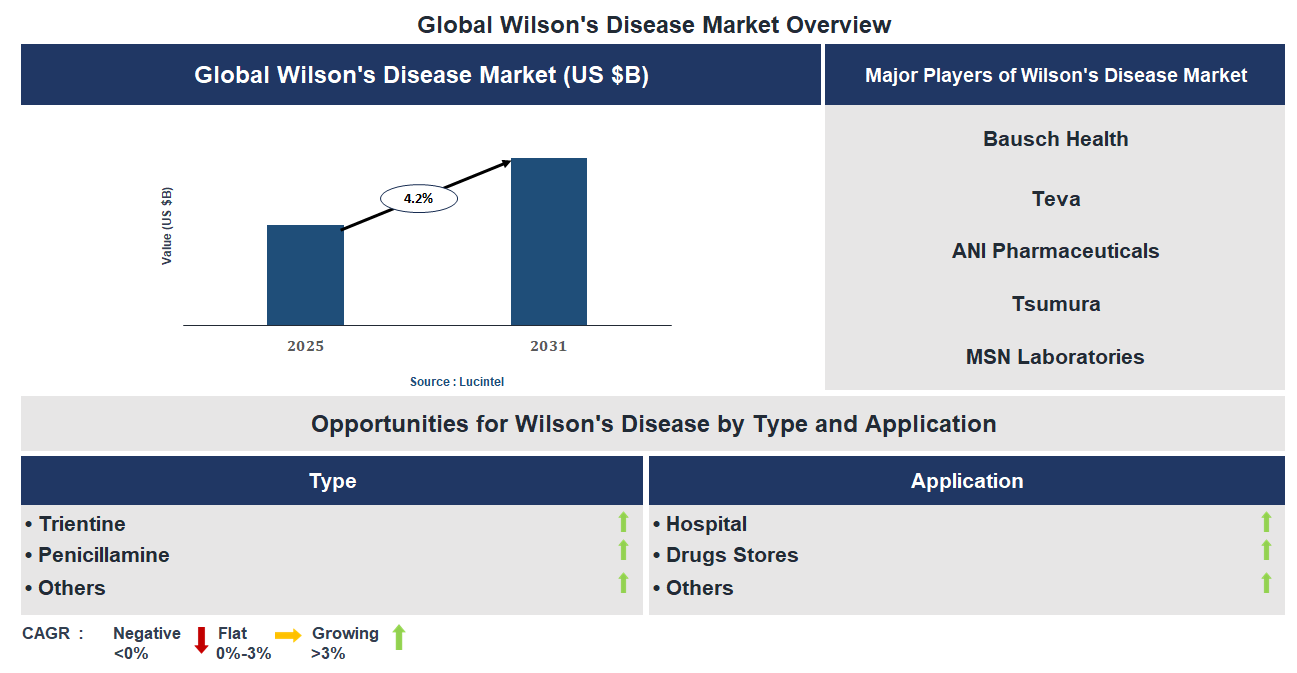
The future of the global wilsons disease market looks promising with opportunities in the hospital and drugs store markets. The global wilsons disease market is expected to grow with a CAGR of 4.2% from 2025 to 2031. The major drivers for this market are the increasing prevalence of wilsons disease, the rising awareness about genetic disorders, and the growing demand for effective treatments.• Lucintel forecasts that, within the type category, trientine is expected to witness higher growth over the forecast period.
• Within the application category, hospital is expected to witness higher growth.
• In terms of region, APAC is expected to witness the highest growth over the forecast period. Gain valuable insights for your business decisions with our comprehensive 150+ page report. Sample figures with some insights are shown below.
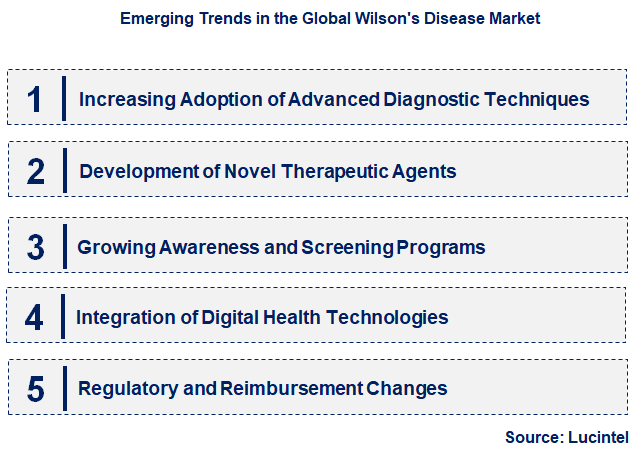
Emerging Trends in the Wilsons Disease Market
The wilsons disease market is experiencing significant evolution driven by advancements in diagnostics, treatment options, and patient management strategies. As awareness increases and new therapies emerge, the landscape is shifting towards more personalized and effective care. Technological innovations and regulatory changes are also influencing market dynamics, creating opportunities for growth and challenges for existing players. These developments are not only improving patient outcomes but also redefining market competition and investment strategies. Understanding these emerging trends is crucial for stakeholders aiming to capitalize on the evolving landscape and deliver better solutions for individuals affected by Wilsons Disease.• Increasing Adoption of Advanced Diagnostic Techniques: The market is witnessing a shift towards more precise and early diagnosis methods, such as genetic testing and biomarker analysis. These innovations enable earlier detection of Wilsons Disease, improving treatment outcomes and reducing disease progression. Enhanced diagnostic accuracy also minimizes misdiagnosis, leading to better patient management. As awareness grows, healthcare providers are increasingly integrating these advanced techniques into routine practice, which is expected to expand the market and foster the development of targeted therapies.
• Development of Novel Therapeutic Agents: There is a surge in research and development of new drugs aimed at more effective and safer treatment options. These include chelators with improved efficacy, reduced side effects, and oral formulations for better patient compliance. Additionally, gene therapy and targeted molecular treatments are emerging as potential curative approaches. The introduction of these novel agents is expected to diversify treatment options, improve quality of life, and potentially reduce long-term healthcare costs, thereby expanding the market and attracting investment.
• Growing Awareness and Screening Programs: Increased awareness campaigns and screening initiatives are leading to higher diagnosis rates, especially in regions with previously limited healthcare access. These programs facilitate early intervention, which is crucial for managing Wilsons Disease effectively. Governments and non-profit organizations are playing a vital role in promoting screening, thereby expanding the patient pool and market demand. This trend is also encouraging healthcare systems to adopt more proactive diagnostic strategies, ultimately improving patient outcomes and market growth.
• Integration of Digital Health Technologies: The adoption of digital tools such as telemedicine, mobile health apps, and electronic health records is transforming patient management. These technologies enable remote monitoring, adherence tracking, and real-time data collection, which enhance personalized care. Digital health solutions also facilitate better communication between patients and healthcare providers, improving treatment adherence and disease management. As these technologies become more mainstream, they are expected to streamline healthcare delivery, reduce costs, and expand market reach, especially in underserved areas.
• Regulatory and Reimbursement Changes: Evolving regulatory frameworks and reimbursement policies are impacting market dynamics. Governments and insurance providers are increasingly supporting innovative therapies through favorable policies, which can accelerate market entry and adoption. Conversely, stringent regulations may pose challenges for new drug approvals. The focus on value-based care and cost-effectiveness is influencing pricing strategies and market access. These regulatory and reimbursement shifts are shaping the competitive landscape, encouraging innovation, and ensuring that effective treatments reach a broader patient population. In summary, these emerging trends are collectively reshaping the wilsons disease market by fostering innovation, improving early diagnosis, expanding treatment options, and enhancing patient management. They are driving growth, increasing accessibility, and ultimately leading to better health outcomes for individuals affected by this rare disorder.
Recent Development in the Wilsons Disease Market
The wilsons disease market has experienced significant changes driven by advancements in diagnostics, treatment options, and increased awareness. As a rare genetic disorder affecting copper metabolism, Wilsons Disease requires specialized management strategies. Recent developments aim to improve early diagnosis, enhance treatment efficacy, and reduce side effects, ultimately improving patient outcomes. These innovations are also influencing market dynamics, including growth opportunities for pharmaceutical companies and healthcare providers. The evolving landscape reflects a focus on personalized medicine and better disease management, which are crucial for addressing the unmet needs of patients with Wilsons Disease.• Introduction of Novel Chelating Agents: New chelators like tetrathiomolybdate have shown promise in reducing copper levels more effectively with fewer side effects, improving patient compliance and treatment outcomes.
• Advances in Diagnostic Techniques: The development of non-invasive imaging and genetic testing methods has enabled earlier and more accurate diagnosis, leading to timely intervention and better prognosis.
• Growing Awareness and Screening Programs: Increased awareness campaigns and screening initiatives are expanding early detection, especially in high-risk populations, which is expected to drive market growth.
• Personalized Treatment Approaches: The shift towards individualized therapy based on genetic profiling and disease severity is enhancing treatment efficacy and reducing adverse effects.
• Regulatory Approvals and Market Expansion: Recent approvals of new drugs and expanding healthcare infrastructure are facilitating market growth, providing more options for patients and clinicians. These developments are collectively transforming the wilsons disease market by improving diagnosis, treatment options, and patient management, leading to better health outcomes and market expansion.
Strategic Growth Opportunities in the Wilsons Disease Market
The wilsons disease market is experiencing significant growth driven by advancements in diagnosis, treatment options, and increased awareness. As research progresses and new therapies emerge, key applications are presenting unique expansion opportunities. These developments are shaping the future landscape of Wilsons Disease management, offering improved patient outcomes and market potential. Understanding these growth opportunities across various applications is essential for stakeholders aiming to capitalize on emerging trends and address unmet needs effectively.• Diagnostic Technologies: Enhanced diagnostic tools are improving early detection of Wilsons Disease, leading to timely intervention and better prognosis. Innovations such as genetic testing and advanced imaging techniques are increasing diagnostic accuracy, expanding market reach, and reducing misdiagnosis rates. This growth opportunity is crucial for establishing early treatment protocols and improving patient quality of life.
• Chelation Therapy: Chelation agents remain the cornerstone of Wilsons Disease treatment. The development of new, more effective, and safer chelators is a significant growth opportunity. These therapies can reduce side effects and improve patient compliance, thereby expanding market adoption and improving long-term disease management.
• Symptomatic Management: Addressing neurological and hepatic symptoms through targeted therapies offers substantial growth potential. Advances in neuroprotective agents and liver support treatments are enhancing symptom control, which improves patient outcomes and increases demand for comprehensive management solutions.
• Gene Therapy: Emerging gene therapy approaches hold promise for a potential cure for Wilsons Disease. These innovative treatments aim to correct genetic mutations responsible for the disorder, representing a transformative growth opportunity that could significantly alter the market landscape and reduce reliance on lifelong medication.
• Patient Monitoring and Support: Digital health tools and remote monitoring devices are improving disease management and patient adherence. These technologies facilitate real-time tracking of symptoms and treatment response, leading to personalized care and expanding the market for supportive services and devices. In summary, these growth opportunities are collectively transforming the wilsons disease market by enhancing diagnostic accuracy, expanding treatment options, and improving patient outcomes. The integration of innovative therapies and digital solutions is driving market expansion, attracting investments, and addressing unmet needs in this rare disorder.
Wilsons Disease Market Driver and Challenges
The wilsons disease market is influenced by a variety of technological, economic, and regulatory factors that shape its growth and development. Advances in diagnostic technologies and treatment options are expanding the market, while economic factors such as healthcare spending and insurance coverage impact accessibility. Regulatory policies and approval processes also play a crucial role in bringing new therapies to market. Additionally, increasing awareness and research initiatives contribute to market expansion. However, challenges such as high treatment costs, limited awareness in certain regions, and regulatory hurdles can hinder growth. Understanding these drivers and challenges is essential for stakeholders to navigate the evolving landscape effectively. The factors responsible for driving the wilsons disease market include:• Technological Advancements: The development of more accurate and early diagnostic tools, such as genetic testing and imaging techniques, has significantly improved disease detection. These innovations enable timely intervention, improving patient outcomes and expanding the market. Additionally, advancements in targeted therapies and formulations have enhanced treatment efficacy and patient compliance. The integration of digital health solutions and telemedicine further facilitates remote monitoring and management, broadening access to care. As technology continues to evolve, the market is expected to see increased adoption of innovative diagnostic and therapeutic options, driving overall growth.
• Increasing Prevalence and Awareness: Rising awareness about Wilsons Disease among healthcare professionals and the public has led to increased diagnosis rates. The disease, once considered rare, is now recognized as more prevalent, especially in certain genetic populations. Early diagnosis and intervention are crucial to prevent severe neurological and hepatic complications, prompting healthcare systems to prioritize screening programs. This heightened awareness fuels demand for diagnostic tests and treatments, thereby expanding the market. Moreover, patient advocacy groups and educational campaigns are playing a vital role in improving disease recognition and management, further propelling market growth.
• Regulatory Approvals and Support: Favorable regulatory environments and accelerated approval pathways for new therapies are facilitating market expansion. Regulatory agencies are increasingly supporting orphan drug designations and fast-track approvals for Wilsons Disease treatments, reducing time-to-market for innovative drugs. This regulatory support encourages pharmaceutical companies to invest in research and development, leading to a broader pipeline of effective therapies. Additionally, government initiatives and funding for rare disease research bolster the development and commercialization of new diagnostic and treatment options, positively impacting market growth.
• Economic Factors and Healthcare Spending: Growing healthcare expenditure and insurance coverage in various regions are improving access to Wilsons Disease diagnosis and treatment. As economies develop, increased funding for healthcare infrastructure and services enables earlier detection and management of the disease. The affordability of diagnostic tests and therapies is also improving with the availability of generic options and pricing strategies. These economic factors contribute to higher patient uptake and market expansion. Furthermore, collaborations between public and private sectors are fostering innovation and reducing costs, making treatments more accessible and driving overall market growth.
• Research and Development Initiatives: Ongoing research efforts aimed at understanding the disease mechanism and discovering novel therapies are vital drivers. Investment in clinical trials and collaborative research projects accelerates the development of targeted and personalized treatments. Advances in gene therapy and chelation agents are promising new avenues for management. These R&D initiatives not only expand the therapeutic landscape but also attract funding and partnerships, further stimulating market growth. As scientific understanding deepens, the pipeline of potential treatments increases, offering hope for more effective management options and market expansion. The challenges facing this wilsons disease market include:
• High Treatment Costs: The cost of diagnosing and managing Wilsons Disease remains a significant barrier, especially in low- and middle-income countries. Advanced diagnostic tests and novel therapies often come with high price tags, limiting accessibility for many patients. This financial burden can lead to delayed diagnosis and suboptimal treatment adherence, adversely affecting patient outcomes. Insurance coverage disparities further exacerbate the issue, restricting market growth in certain regions. Addressing cost-related challenges through pricing strategies, generic options, and healthcare policy reforms is essential to improve access and sustain market expansion.
• Limited Awareness and Diagnosis in Certain Regions: Despite increased awareness globally, many regions still lack sufficient knowledge about Wilsons Disease, leading to underdiagnosis and misdiagnosis. Limited healthcare infrastructure, scarcity of specialized healthcare providers, and cultural factors contribute to low detection rates. This hampers early intervention and reduces the potential market size in these areas. Educational initiatives and capacity-building efforts are needed to improve disease recognition and diagnosis, which in turn can expand the market and improve patient outcomes.
• Regulatory and Approval Challenges: Navigating complex regulatory pathways remains a hurdle for new therapies and diagnostic tools. Lengthy approval processes, stringent requirements, and regional disparities in regulatory standards can delay market entry. This uncertainty discourages investment and slows the availability of innovative treatments. Additionally, the lack of harmonization across regulatory agencies complicates global commercialization efforts. Overcoming these challenges requires streamlined regulatory processes, international cooperation, and clear guidelines to facilitate timely approval and market access for new therapies. In summary, the wilsons disease market is driven by technological innovations, increasing disease awareness, supportive regulatory policies, economic growth, and ongoing research. However, high costs, regional disparities in awareness, and regulatory hurdles pose significant challenges. These factors collectively influence the pace and scope of market growth. Addressing the challenges while leveraging technological and research advancements can unlock new opportunities, improve patient access, and foster sustainable market development. The overall impact is a dynamic landscape with substantial potential for innovation and expansion, provided that barriers are effectively managed.
List of Wilsons Disease Companies
Companies in the market compete on the basis of product quality offered. Major players in this market focus on expanding their manufacturing facilities, R&D investments, infrastructural development, and leverage integration opportunities across the value chain. With these strategies wilsons disease companies cater increasing demand, ensure competitive effectiveness, develop innovative products & technologies, reduce production costs, and expand their customer base. Some of the wilsons disease companies profiled in this report include-• Bausch Health
• Teva
• ANI Pharmaceuticals
• Tsumura
• MSN Laboratories
• Kadmon Holdings
• Orphalan
• Endo International
• Univar Solutions
• APOTEX
Wilsons Disease Market by Segment
The study includes a forecast for the global wilsons disease market by type, application, and region.Wilsons Disease Market by Type [Value from 2019 to 2031]:
• Trientine
• Penicillamine
• Others
Wilsons Disease Market by Application [Value from 2019 to 2031]:
• Hospital
• Drugs Stores
• Others
Wilsons Disease Market by Region [Value from 2019 to 2031]:
• North America
• Europe
• Asia Pacific
• The Rest of the World
Country Wise Outlook for the Wilsons Disease Market
The wilsons disease market has experienced notable shifts driven by advancements in diagnostics, treatment options, and increased awareness. As a rare genetic disorder affecting copper metabolism, Wilsons Disease requires early detection and effective management. Countries are investing in research, improving healthcare infrastructure, and expanding access to specialized treatments. Regulatory approvals and innovative therapies are shaping the landscape, with market growth influenced by rising patient populations and improved diagnostic techniques. These developments reflect a global effort to enhance patient outcomes and address unmet medical needs in Wilsons Disease management.• United States: The US market has seen significant progress with the approval of new chelating agents and enhanced diagnostic tools. Increased awareness campaigns and better screening programs have led to earlier diagnosis. The adoption of personalized medicine approaches is improving treatment efficacy. Additionally, ongoing research in gene therapy and novel drug formulations is promising for future management options. The healthcare infrastructure supports extensive clinical trials, fostering innovation and market growth.
• China: China is witnessing rapid growth in Wilsons Disease diagnosis and treatment, driven by expanding healthcare infrastructure and government initiatives. The country has increased investment in genetic research and diagnostics, leading to improved detection rates. Local pharmaceutical companies are developing affordable treatment options, making therapies more accessible. Awareness campaigns are also rising, reducing stigma and encouraging early intervention. The market is expected to grow steadily as new therapies and diagnostic techniques become more widely available.
• Germany: Germanys market benefits from advanced healthcare systems and high awareness levels among clinicians and patients. The country has seen the approval of innovative therapies and improved diagnostic methods, including genetic testing. Germany is also involved in European collaborative research projects focusing on Wilsons Disease. The emphasis on personalized medicine and early diagnosis is driving market expansion. Moreover, reimbursement policies support access to cutting-edge treatments, fostering continued growth.
• India: India is experiencing increasing diagnosis rates due to improved healthcare access and awareness. The market is characterized by the availability of cost-effective treatments and growing research activities. Local pharmaceutical companies are developing affordable chelating agents, making treatment more accessible to a broader population. Government initiatives to strengthen healthcare infrastructure and promote genetic testing are contributing to market growth. However, challenges remain in reaching rural populations and ensuring early diagnosis.
• Japan: Japans wilsons disease market is marked by advanced diagnostic capabilities and a focus on innovative treatments. The country has seen the approval of new drugs and improved management protocols. Japans aging population has increased the demand for effective long-term management strategies. The integration of genetic testing into routine diagnostics is enhancing early detection. Ongoing research into gene therapy and novel drug delivery systems is promising. The healthcare systems robustness and high patient awareness support sustained market growth.

Features of the Global Wilsons Disease Market
Market Size Estimates: Wilsons disease market size estimation in terms of value ($B). Trend and Forecast Analysis: Market trends (2019 to 2024) and forecast (2025 to 2031) by various segments and regions. Segmentation Analysis: Wilsons disease market size by type, application, and region in terms of value ($B). Regional Analysis: Wilsons disease market breakdown by North America, Europe, Asia Pacific, and Rest of the World. Growth Opportunities: Analysis of growth opportunities in different types, applications, and regions for the wilsons disease market. Strategic Analysis: This includes M&A, new product development, and competitive landscape of the wilsons disease market. Analysis of competitive intensity of the industry based on Porter’s Five Forces model.
FAQ
Q1. What is the growth forecast for wilsons disease market? Answer: The global wilsons disease market is expected to grow with a CAGR of 4.2% from 2025 to 2031. Q2. What are the major drivers influencing the growth of the wilsons disease market? Answer: The major drivers for this market are the increasing prevalence of wilsons disease, the rising awareness about genetic disorders, and the growing demand for effective treatments. Q3. What are the major segments for wilsons disease market? Answer: The future of the wilsons disease market looks promising with opportunities in the hospital and drugs store markets. Q4. Who are the key wilsons disease market companies? Answer: Some of the key wilsons disease companies are as follows:• Bausch Health
• Teva
• ANI Pharmaceuticals
• Tsumura
• MSN Laboratories
• Kadmon Holdings
• Orphalan
• Endo International
• Univar Solutions
• APOTEX Q5. Which wilsons disease market segment will be the largest in future? Answer: Lucintel forecasts that, within the type category, trientine is expected to witness higher growth over the forecast period. Q6. In wilsons disease market, which region is expected to be the largest in next 5 years? Answer: In terms of region, APAC is expected to witness the highest growth over the forecast period. Q7. Do we receive customization in this report? Answer: Yes, Lucintel provides 10% customization without any additional cost.
Table of Contents
List of Figures
List of Tables
Methodology
- In-depth interviews of the major players in this market
- Detailed secondary research from competitors’ financial statements and published data
- Extensive searches of published works, market, and database information pertaining to industry news, company press releases, and customer intentions
- A compilation of the experiences, judgments, and insights of Lucintel’s professionals, who have analyzed and tracked this market over the years.


Buy Now
Choose a license that fits your team. Instant PDF delivery.
Prices exclude taxes. Instant delivery. Custom licensing available on request.
Key Questions
- • What are some of the most promising, high-growth opportunities for the wilsons disease market by type (trientine, penicillamine, and others), application (hospital, drugs stores, and others), and region (North America, Europe, Asia Pacific, and the Rest of the World)?
- • Which segments will grow at a faster pace and why?
- • Which region will grow at a faster pace and why?
- • What are the key factors affecting market dynamics? What are the key challenges and business risks in this market?
- • What are the business risks and competitive threats in this market?
- • What are the emerging trends in this market and the reasons behind them?
- • What are some of the changing demands of customers in the market?
- • What are the new developments in the market? Which companies are leading these developments?
- • Who are the major players in this market? What strategic initiatives are key players pursuing for business growth?
- • What are some of the competing products in this market and how big of a threat do they pose for loss of market share by material or product substitution?
- • What M&A activity has occurred in the last 5 years and what has its impact been on the industry? For any questions related to Wilsons Disease Market, Wilsons Disease Market Size, Wilsons Disease Market Growth, Wilsons Disease Market Analysis, Wilsons Disease Market Report, Wilsons Disease Market Share, Wilsons Disease Market Trends, Wilsons Disease Market Forecast, Wilsons Disease Companies, write Lucintel analyst at email: helpdesk@lucintel.com. We will be glad to get back to you soon.


