
Market Report · July 22, 2026

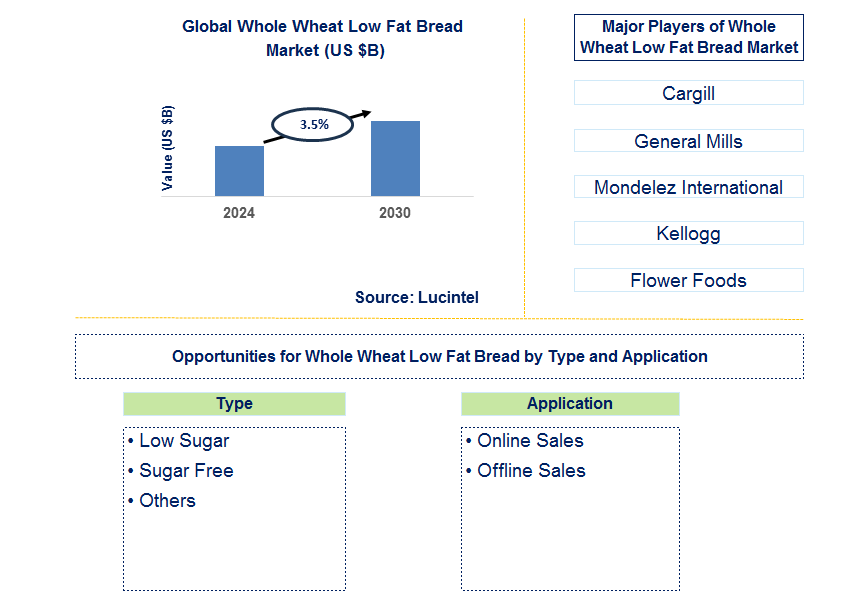
Key data points: The growth forecast = 3.5% annually for the next 6 years. Scroll below to get more insights. This market report covers trends, opportunities, and forecasts in the global whole wheat low fat bread market to 2030 by type (low sugar, sugar free, and others), application (online sales and offline sales), and region (North America, Europe, Asia Pacific, and the Rest of the World)
We'll send your sample report shortly.
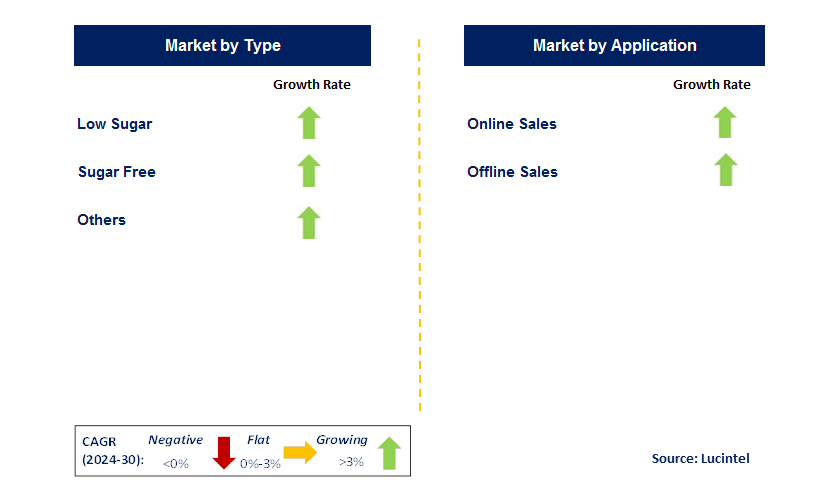
• Lucintel forecasts that, within the type category, sugar free is expected to witness a higher growth over the forecast period.
• Within the application category, offline sale will remain a larger segment.
• In terms of regions, APAC is expected to witness the highest growth over the forecast period. Gain valuable insights for your business decisions with our comprehensive 150+ page report.
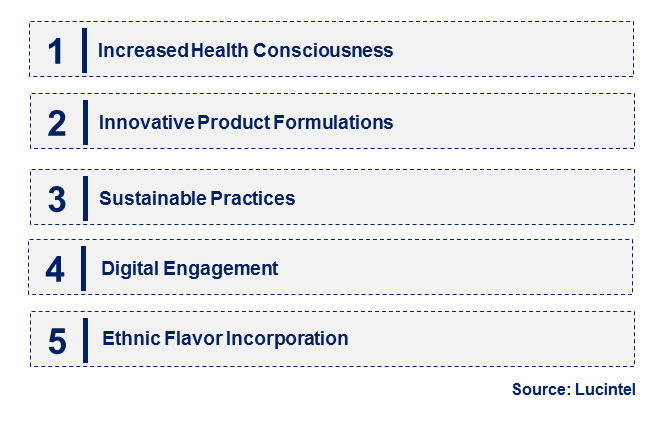
• Increased Health Consciousness: Consumers are more aware of health implications, driving demand for whole wheat low fat bread as part of balanced diets. This trend encourages manufacturers to highlight nutritional benefits and incorporate functional ingredients, fostering healthier lifestyles.
• Innovative Product Formulations: Brands are experimenting with diverse ingredients, such as ancient grains and superfoods, to enhance nutritional profiles and flavor. This innovation attracts health-conscious consumers and creates differentiation in a competitive market.
• Sustainable Practices: Sustainability is becoming a priority, with brands adopting eco-friendly packaging and sourcing ingredients responsibly. This shift resonates with environmentally conscious consumers, building brand loyalty and trust while reducing ecological impact.
• Digital Engagement: The rise of e-commerce and social media is reshaping consumer engagement. Brands leverage digital platforms for marketing and sales, creating personalized experiences and reaching broader audiences, especially younger consumers.
• Ethnic Flavor Incorporation: The introduction of regional flavors and ingredients appeals to diverse consumer palates. This trend not only enhances product offerings but also reflects the growing multicultural landscape of consumers seeking unique culinary experiences. These emerging trends are reshaping the whole wheat low fat bread market, compelling manufacturers to adapt strategies and innovate. As health consciousness rises, brands are responding with functional products and sustainable practices. Digital engagement strategies enable better connection with consumers, while ethnic flavors diversify product lines. Together, these trends create a dynamic marketplace, driving growth and evolution in the whole wheat low fat bread segment.
• Healthier Ingredient Focus: Brands are reformulating products to include whole grains, reduced sugars, and healthy fats. This shift is crucial in attracting health-conscious consumers, aligning products with dietary guidelines, and improving market competitiveness.
• Expansion of Distribution Channels: Increased availability through supermarkets, online retailers, and health food stores is enhancing consumer access to whole wheat low fat bread. This expansion supports brand visibility and encourages trial among diverse consumer segments.
• Product Diversification: Companies are launching an array of options, including gluten-free and fortified varieties, catering to specific dietary needs and preferences. This diversification attracts niche markets, broadening the consumer base and driving sales.
• Sustainability Initiatives: Brands are prioritizing sustainable sourcing and packaging, responding to growing consumer concerns about environmental impact. This focus enhances brand reputation and loyalty among eco-conscious consumers.
• Technological Advancements in Production: Innovations in baking technology and ingredient processing improve product quality and shelf life. These advancements enable brands to optimize production efficiency while maintaining nutritional integrity. These developments are significantly impacting the whole wheat low fat bread market by aligning products with consumer health trends and preferences. Enhanced distribution and product diversification are broadening market reach, while sustainability initiatives resonate with environmentally aware consumers. Technological advancements improve quality and efficiency, enabling brands to meet demand effectively. Collectively, these developments are shaping a competitive and dynamic market landscape.
• Health and Wellness Applications: With rising health consciousness, there’s an opportunity to create functional breads fortified with vitamins, minerals, and probiotics. Brands can leverage these offerings to attract health-focused consumers and promote better nutrition.
• E-commerce and Online Retail: The growth of online shopping presents a significant opportunity for brands to reach a broader audience. Investing in digital marketing strategies and direct-to-consumer models can enhance brand visibility and accessibility.
• Ethnic and Regional Flavor Innovations: Incorporating local flavors and ingredients can attract diverse consumer segments. Brands can differentiate their products by offering unique cultural experiences through innovative bread varieties.
• Sustainable Packaging Solutions: The push for sustainability opens avenues for brands to develop eco-friendly packaging. This not only meets consumer demands but also aligns with corporate social responsibility initiatives.
• Collaborations with Health Professionals: Partnering with nutritionists and fitness experts can bolster brand credibility. Such collaborations can enhance marketing efforts and promote the health benefits of whole wheat low fat bread, increasing consumer trust. These strategic growth opportunities are shaping the whole wheat low fat bread market by encouraging innovation and responsiveness to consumer needs. Health and wellness applications drive product development, while e-commerce expansion enhances accessibility. Ethnic flavor innovations diversify offerings, and sustainable packaging resonates with eco-conscious consumers. Collaborations with health professionals build trust and credibility, positioning brands favorably in a competitive landscape.
• Growing Health Consciousness: Increasing awareness of health and nutrition drives demand for whole wheat low fat bread as consumers seek healthier dietary options. This trend compels brands to innovate and provide functional products that cater to these preferences.
• Rising Demand for Clean Label Products: Consumers are increasingly looking for transparency in food labeling. This demand drives brands to formulate products with simple, recognizable ingredients, enhancing consumer trust and brand loyalty.
• Expansion of Retail Channels: The growth of supermarkets, health food stores, and online retailers improves product accessibility, allowing brands to reach wider audiences. This expansion facilitates consumer trial and increases market penetration.
• Technological Advancements in Baking: Innovations in baking technology enhance product quality, shelf life, and production efficiency. These advancements enable brands to deliver consistent quality while meeting rising consumer demand.
• Focus on Sustainability: Growing consumer concern for the environment is pushing brands to adopt sustainable practices. This focus helps enhance brand reputation and aligns with consumer values, promoting loyalty and preference. Challenges in the whole wheat low fat bread market are:
• Intense Market Competition: The whole wheat low fat bread market is highly competitive, with numerous brands vying for market share. This saturation makes it challenging for new entrants and established brands to differentiate their offerings.
• Price Sensitivity: Economic fluctuations and rising ingredient costs can lead to price sensitivity among consumers. Brands must balance pricing strategies to remain competitive while maintaining product quality and profitability.
• Regulatory Compliance: Navigating food regulations and labeling requirements can be complex. Ensuring compliance while innovating products requires significant resources and expertise, posing challenges for some manufacturers. These drivers and challenges significantly impact the whole wheat low fat bread market by shaping consumer preferences and influencing brand strategies. Growing health consciousness and demand for clean labels drive innovation, while retail expansion enhances market reach. However, intense competition and price sensitivity pose challenges for brands, requiring strategic approaches to maintain market share. Regulatory compliance adds further complexity, emphasizing the need for agility and adaptation in this dynamic market landscape.
• Cargill
• General Mills
• Mondelez International
• Kellogg
• Flower Foods
• Bob's Red Mill
• Fairheaven Organic Flour Mill
• Low Sugar
• Sugar Free
• Others
• Online Sales
• Offline Sales
• North America
• Europe
• Asia Pacific
• The Rest of the World
• United States: The U.S. market has seen a surge in whole wheat low fat bread varieties, emphasizing clean labels and whole grain content. Brands are leveraging health claims, promoting the benefits of fiber and lower fat. Innovations include gluten-free options and added superfoods, catering to health-conscious consumers. The rise of e-commerce also enhances accessibility, allowing niche brands to compete effectively alongside established players.
• China: In China, increasing health awareness is driving demand for whole wheat low fat bread, particularly among urban consumers. Local brands are focusing on fortifying products with nutrients such as protein and vitamins to appeal to health-focused demographics. The expansion of retail channels, including supermarkets and online platforms, is improving availability, while collaborations with fitness influencers are enhancing brand visibility.
• Germany: Germany’s whole wheat low fat bread market is characterized by a strong preference for artisanal and organic options. Health trends emphasize low sugar and high fiber content, prompting brands to innovate with ancient grains and diverse seeds. The country's robust bakery culture supports local producers, while sustainability practices are increasingly important, with many brands focusing on eco-friendly packaging and sourcing.
• India: In India, the whole wheat low fat bread market is gaining traction as consumers shift towards healthier eating habits. Brands are introducing fortified options, incorporating local grains like ragi and bajra to cater to regional tastes. The growth of modern retail formats and online grocery shopping is facilitating broader distribution, enabling greater access to nutritious bread options across the country.
• Japan: Japan’s whole wheat low fat bread market is influenced by the traditional emphasis on health and wellness. Recent trends include the incorporation of unique flavors and textures, such as matcha and azuki beans. Japanese consumers are increasingly seeking low-calorie options, prompting brands to focus on portion control and nutritional labeling. The growth of health-focused cafes and eateries is also boosting demand for innovative bread products.


• Cargill
• General Mills
• Mondelez International
• Kellogg
• Flower Foods
• Bob's Red Mill
• Fairheaven Organic Flour Mill Q5. Which whole wheat low fat bread market segment will be the largest in future? Answer: Lucintel forecasts that sugar free is expected to witness the higher growth over the forecast period. Q6. In whole wheat low fat bread market, which region is expected to be the largest in next 5 years? Answer: APAC is expected to witness highest growth over the forecast period. Q.7 Do we receive customization in this report? Answer: Yes, Lucintel provides 10% customization without any additional cost.


Choose a license that fits your team. Instant PDF delivery.
Prices exclude taxes. Instant delivery. Custom licensing available on request.
Market Report · July 22, 2026
Market Report · July 22, 2026
Market Report · July 22, 2026
Trusted partner for strategic intelligence and business growth


Receive a complimentary market analysis tailored to your industry. Our analysts will identify key growth opportunities and competitive dynamics specific to your business.

Market size, growth rate, and key trend analysis for your specific sector.

Top competitor positioning and market share analysis.

Strategic recommendations backed by data-driven insights.
Get curated market intelligence and competitive moves straight to your inbox.
By subscribing, you agree to receive our monthly insights. Unsubscribe anytime.
Receive a complimentary market analysis tailored to your industry. Our analysts will identify key growth opportunities and competitive dynamics specific to your business.
Market size, growth rate, and key trend analysis for your specific sector.
Top competitor positioning and market share analysis.
Strategic recommendations backed by data-driven insights.
Get curated market intelligence, emerging trends, and competitive moves straight to your inbox each month.
By subscribing, you agree to receive our monthly insights. Unsubscribe anytime.
We'll send your sample report shortly.