
Report Feature
Vacuum Bell Market Trends and Forecast
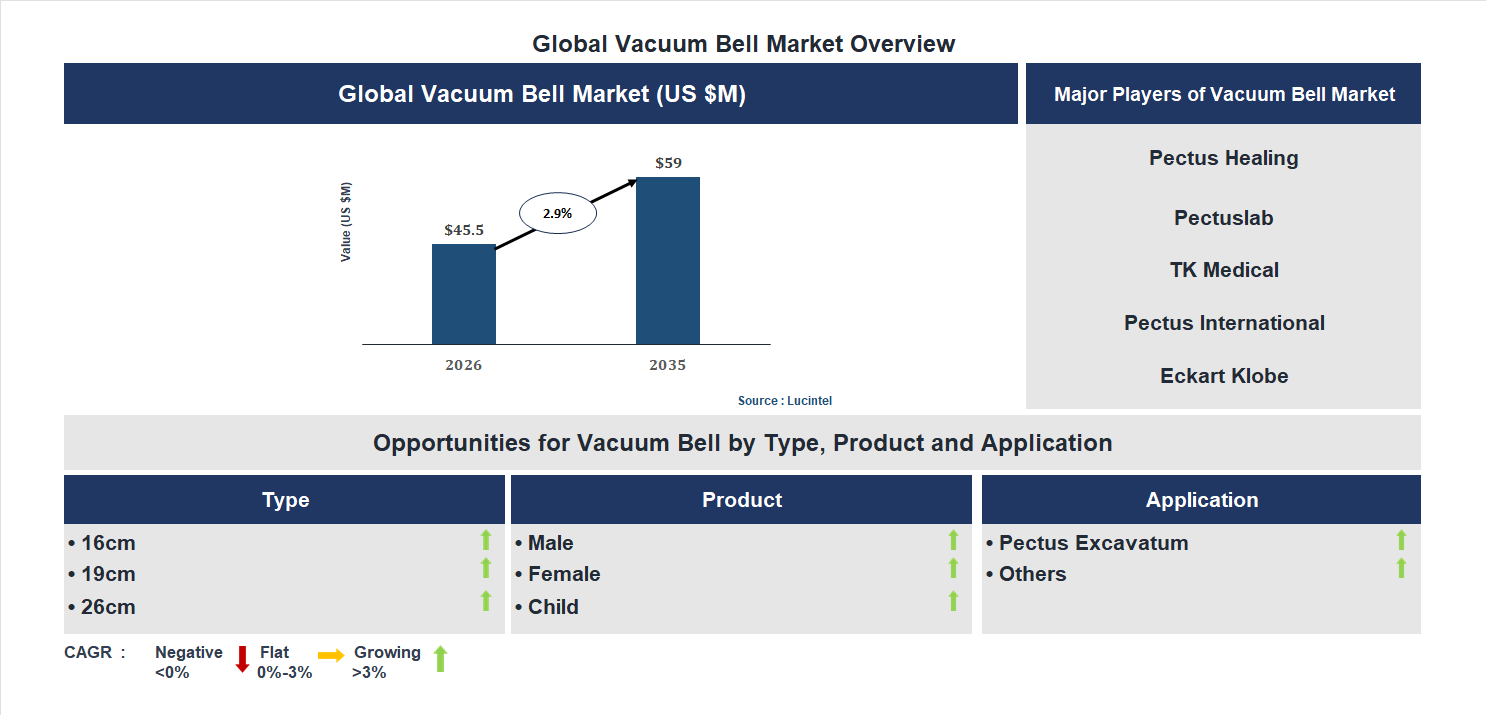
The future of the global vacuum bell market looks promising with opportunities in the pectus excavatum and other markets. The global vacuum bell market is expected to reach an estimated $59 million by 2035 with a CAGR of 2.9% from 2026 to 2035. The major drivers for this market are the increasing demand for non surgical correction, the rising diagnosis of pectus excavatum, and the growing acceptance of vacuum bell devices.• Lucintel forecasts that, within the type category, 26cm is expected to witness the highest growth over the forecast period.
• Within the application category, pectus excavatum will remain the largest segment.
• In terms of region, APAC is expected to witness the highest growth over the forecast period. Gain valuable insights for your business decisions with our comprehensive 150+ page report. Sample figures with some insights are shown below.
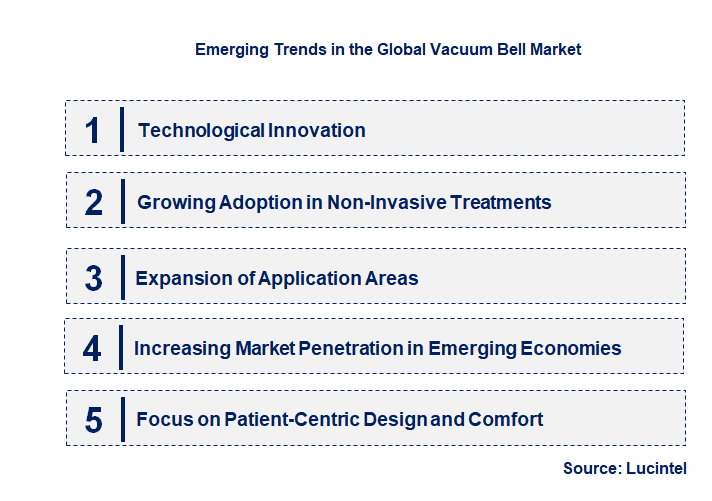
Emerging Trends in the Vacuum Bell Market
The vacuum bell market is experiencing rapid evolution driven by technological advancements, increasing awareness of non-invasive treatments, and a growing demand for innovative solutions in respiratory therapy and chest expansion. As consumers and healthcare providers seek safer, more effective, and user-friendly options, several emerging trends are shaping the future of this market. These developments are not only enhancing product efficacy but also expanding the scope of applications, thereby transforming how respiratory conditions and chest deformities are managed globally. Understanding these key trends is essential for stakeholders aiming to stay competitive and meet evolving customer needs.• Technological Innovation: The market is witnessing the incorporation of smart technology, such as sensors and digital interfaces, into vacuum bell devices. These innovations enable real-time monitoring of treatment progress, personalized therapy adjustments, and improved user experience. Additionally, the use of lightweight, durable materials enhances device comfort and portability. This trend improves treatment efficacy, encourages patient compliance, and opens new avenues for remote healthcare management, making vacuum bell therapy more accessible and effective.
• Growing Adoption in Non-Invasive Treatments: There is a rising preference for non-invasive, drug-free treatment options among patients and healthcare providers. Vacuum bells are increasingly used for chest deformities like pectus excavatum, offering a less risky alternative to surgery. This trend is driven by the desire to reduce recovery times, minimize complications, and lower healthcare costs. As awareness grows, more patients are opting for vacuum bell therapy, which is now recognized as a viable first-line treatment, thereby expanding its market reach.
• Expansion of Application Areas: Originally used primarily for pectus excavatum correction, vacuum bells are now being explored for broader applications such as respiratory therapy, post-surgical recovery, and physical therapy for chest expansion. This diversification is driven by clinical research and positive patient outcomes. The expansion of application areas increases market potential, attracts new customer segments, and encourages manufacturers to develop specialized devices tailored to different therapeutic needs, thus broadening the market landscape.
• Increasing Market Penetration in Emerging Economies: Emerging economies are witnessing increased adoption of vacuum bell therapy due to rising healthcare awareness, improved infrastructure, and growing disposable incomes. Governments and the private sectors are investing in healthcare facilities, making advanced treatments more accessible. This trend is expanding the market beyond developed regions, creating new growth opportunities. As awareness and acceptance grow, local manufacturing and distribution channels are strengthening, further fueling market expansion in these regions.
• Focus on Patient-Centric Design and Comfort: Manufacturers are prioritizing ergonomic, user-friendly designs that improve comfort during therapy sessions. Features such as adjustable straps, lightweight structures, and discreet devices are being developed to increase patient compliance. This focus on patient-centric design reduces treatment dropout rates and enhances overall effectiveness. As comfort and convenience become key differentiators, companies are investing in research and development to create more appealing products, thereby driving market growth through improved user satisfaction. These emerging trends are collectively reshaping the vacuum bell market by making treatments more innovative, accessible, and patient-friendly. Technological advancements, expanding applications, and increased adoption in emerging markets are driving growth and transforming the landscape of non-invasive respiratory and chest deformity therapies.
Recent Development in the Vacuum Bell Market
The vacuum bell market is experiencing rapid growth driven by advancements in medical technology and increasing demand for non-invasive treatments. As awareness of minimally invasive procedures rises, manufacturers are innovating to improve efficacy and accessibility. This evolving landscape presents significant opportunities for healthcare providers and investors alike. The following developments highlight key areas shaping the future of the vacuum bell market, reflecting technological progress, expanding applications, and market expansion strategies.• Technological Innovations in Vacuum Bell Devices: The development of more efficient, user-friendly vacuum bell systems has enhanced treatment outcomes. New materials and design improvements have increased comfort and safety for patients, leading to higher adoption rates. These innovations are also enabling more precise pressure control, reducing side effects, and improving overall efficacy. As a result, manufacturers are gaining competitive advantages, and healthcare providers can offer better non-invasive options for chest deformities, expanding the market’s reach.
• Growing Adoption in Pediatric Pectus Excavatum Treatment: Increasing awareness among healthcare professionals and parents about non-surgical options has boosted the use of vacuum bells for pectus excavatum correction in children. Early intervention with vacuum therapy can prevent the progression of deformities and reduce the need for invasive surgery later. This trend is supported by clinical studies demonstrating safety and effectiveness, leading to wider acceptance and integration into pediatric treatment protocols, thereby expanding the market significantly.
• Expansion of Application Areas Beyond Pectus Excavatum: Researchers are exploring the use of vacuum bell technology for other thoracic and chest wall deformities, including pectus carinatum and post-surgical chest wall reconstruction. This diversification broadens the scope of the market, attracting new patient segments and healthcare providers. The development of specialized devices tailored for different conditions is further fueling growth, making vacuum therapy a versatile tool in thoracic deformity management.
• Increasing Market Penetration in Emerging Economies: As healthcare infrastructure improves globally, emerging markets are witnessing increased adoption of vacuum bell therapy. Cost-effective and minimally invasive, these devices are attractive options in regions with limited access to surgical facilities. Local manufacturers are also entering the market, offering affordable solutions. This expansion is driven by rising healthcare awareness, government initiatives, and the need for accessible treatment options, significantly boosting global market growth.
• Strategic Collaborations and Regulatory Approvals: Partnerships between device manufacturers, research institutions, and healthcare providers are accelerating innovation and market entry. Securing regulatory approvals in key regions has facilitated wider distribution and acceptance. These collaborations are also fostering clinical research to validate efficacy and safety, encouraging adoption. As regulatory landscapes become more favorable, the market is poised for rapid expansion, with increased confidence among practitioners and patients alike. These developments are collectively transforming the vacuum bell market by enhancing device technology, broadening application areas, and expanding geographic reach. The integration of innovative solutions and strategic collaborations is driving growth, making non-invasive thoracic deformity treatments more accessible and effective. Overall, these trends are positioning the vacuum bell market for sustained expansion, benefiting patients, healthcare providers, and investors through improved treatment options and increased market opportunities.
Strategic Growth Opportunities in the Vacuum Bell Market
The vacuum bell market is experiencing significant growth driven by advancements in non-invasive treatments for chest deformities and respiratory conditions. Increasing awareness and technological innovations are expanding application scopes across healthcare sectors. Market players are focusing on product development, strategic collaborations, and expanding regional presence to capitalize on emerging opportunities. As demand for minimally invasive solutions rises, the market is poised for substantial expansion, offering numerous avenues for growth and innovation in medical and cosmetic applications.• Growing Demand For Non-Invasive Chest Deformity Treatments: The increasing prevalence of pectus excavatum and other chest deformities has driven demand for non-invasive correction methods. Vacuum bell therapy offers a safe, effective alternative to surgery, appealing to patients seeking less invasive options. Healthcare providers are adopting vacuum bell devices for early intervention, especially in pediatric cases, boosting market growth. Technological improvements and positive clinical outcomes are further encouraging adoption, expanding the market’s reach across hospitals, clinics, and home care settings.
• Technological Innovations Enhancing Device Efficiency: Continuous advancements in vacuum bell device design and functionality are creating new growth opportunities. Innovations include improved pressure control, ergonomic designs, and user-friendly interfaces, which enhance patient comfort and treatment efficacy. Integration of smart technology, such as remote monitoring and data tracking, allows for personalized treatment plans. These technological enhancements are attracting healthcare providers and patients, increasing device adoption and expanding the market scope into new therapeutic areas.
• Rising Awareness And Adoption In Cosmetic Applications: The vacuum bell market is expanding beyond medical treatments into cosmetic applications, driven by increasing awareness of non-invasive body contouring options. Consumers seek minimally invasive solutions for aesthetic enhancement, prompting cosmetic clinics to incorporate vacuum therapy devices. Marketing campaigns and success stories are fueling interest, especially among younger demographics. This trend is opening new revenue streams for manufacturers and broadening the market’s application base, fostering growth in both medical and aesthetic sectors.
• Strategic Collaborations And Market Expansion Efforts: Companies are forming strategic alliances with healthcare providers, research institutions, and regional distributors to accelerate market penetration. These collaborations facilitate product development, clinical validation, and regional expansion, especially in emerging markets. Market players are also investing in marketing and educational initiatives to increase awareness among practitioners and patients. Such efforts are crucial for establishing a strong market presence, driving sales, and capturing new customer segments globally.
• Increasing Focus On Pediatric And Geriatric Patient Populations: The vacuum bell market is witnessing increased adoption for pediatric patients with chest deformities and geriatric patients with respiratory issues. Tailored devices and treatment protocols are being developed to address the specific needs of these groups. Early intervention in children can prevent surgical procedures, while non-invasive options are preferred for elderly patients. This focus broadens the market’s demographic reach, encouraging product innovation and expanding the overall market size through targeted solutions. These growth opportunities collectively are set to significantly influence the vacuum bell market by expanding its application scope, enhancing technological capabilities, and increasing regional presence. The focus on non-invasive, patient-friendly solutions aligns with evolving healthcare demands, fostering innovation and strategic collaborations. As awareness and acceptance grow across medical and cosmetic sectors, the market is positioned for sustained growth, offering substantial benefits for manufacturers, healthcare providers, and patients worldwide.
Vacuum Bell Market Driver and Challenges
The vacuum bell market is influenced by a variety of technological, economic, and regulatory factors that shape its growth and development. Advances in medical technology and increasing awareness of non-invasive treatment options are driving demand. Economic factors such as healthcare spending and insurance coverage impact accessibility and affordability. Regulatory policies and approvals also play a crucial role in market expansion, ensuring safety and efficacy. Additionally, demographic shifts, including aging populations, contribute to the rising need for non-invasive respiratory and thoracic therapies. These combined drivers and challenges create a dynamic environment that influences market trends, innovation, and adoption rates, ultimately affecting the availability and utilization of vacuum bell devices worldwide. The factors responsible for driving the vacuum bell market include:• Technological Advancements: The development of innovative vacuum bell devices with improved comfort, efficacy, and user-friendliness has significantly propelled market growth. Enhanced materials, ergonomic designs, and smart features such as adjustable pressure settings have increased patient compliance and satisfaction. Continuous R&D efforts are leading to more effective and safer devices, broadening their application scope. These technological improvements make vacuum bell therapy more accessible and appealing to both clinicians and patients, fostering increased adoption across healthcare settings.
• Rising Prevalence of Pectus Excavatum: The increasing incidence of pectus excavatum, a congenital chest wall deformity, is a major driver. As awareness about non-invasive correction options grows, more patients seek alternatives to surgical procedures. Early intervention with vacuum bell therapy can prevent progression and improve quality of life. The growing patient pool, coupled with improved diagnostic techniques, is fueling demand for vacuum bell devices, especially in pediatric and adolescent populations.
• Increasing Healthcare Expenditure: Rising healthcare spending globally enhances access to advanced medical devices, including vacuum bells. Governments and private insurers are investing more in minimally invasive treatments to reduce hospital stays and surgical costs. This economic trend supports the procurement and adoption of vacuum bell therapy as a cost-effective alternative to surgery, encouraging healthcare providers to incorporate these devices into their treatment protocols.
• Regulatory Approvals and Reimbursement Policies: Favorable regulatory approvals and reimbursement frameworks are critical for market expansion. Clear guidelines and insurance coverage facilitate patient access and clinician confidence in vacuum bell therapy. As regulatory bodies recognize the safety and efficacy of these devices, market players benefit from increased sales and wider adoption, especially in regions with supportive reimbursement policies.
• Growing Awareness and Patient Preference for Non-Invasive Treatments: Increased awareness campaigns and patient education about non-invasive options are boosting demand. Patients prefer less invasive, pain-free therapies with minimal recovery time, making vacuum bell therapy attractive. This shift in patient preference is encouraging clinicians to recommend vacuum bell devices, further expanding the market. The challenges in the vacuum bell market are:
• Limited Awareness and Acceptance: Despite growing interest, many patients and healthcare providers remain unaware of vacuum bell therapy or skeptical about its effectiveness. Lack of widespread knowledge hampers early diagnosis and treatment adoption. Overcoming misconceptions and educating stakeholders are essential for broader acceptance, especially in regions with limited healthcare outreach.
• Variability in Treatment Outcomes: The effectiveness of vacuum bell therapy varies among patients, depending on factors like age, severity, and compliance. Inconsistent results can lead to hesitancy among clinicians to recommend the device as a standard treatment. Addressing these variability issues through improved device design and patient selection criteria is necessary to build confidence in the therapy.
• Regulatory and Reimbursement Barriers: In some regions, a lack of clear regulatory pathways and reimbursement policies restricts market growth. Lengthy approval processes and limited insurance coverage deter both providers and patients from adopting vacuum bell devices. Streamlining regulatory procedures and establishing reimbursement frameworks are vital to overcoming these barriers and expanding market reach. The vacuum bell market is shaped by technological innovations, increasing disease prevalence, economic factors, and supportive policies, which collectively drive growth. However, challenges such as awareness gaps, variable outcomes, and regulatory hurdles pose significant obstacles. Addressing these issues through education, research, and policy reforms will be crucial for sustainable market expansion. Overall, the markets future depends on balancing these drivers and challenges to improve patient access and treatment efficacy.
List of Vacuum Bell Companies
Companies in the market compete on the basis of product quality offered. Major players in this market focus on expanding their manufacturing facilities, R&D investments, infrastructural development, and leverage integration opportunities across the value chain. With these strategies vacuum bell companies cater increasing demand, ensure competitive effectiveness, develop innovative products & technologies, reduce production costs, and expand their customer base. Some of the vacuum bell companies profiled in this report include-• Pectus Healing
• Pectuslab
• TK Medical
• Pectus International
• Eckart Klobe
• Pampamed
• VacuumBell.net
Vacuum Bell Market by Segment
The study includes a forecast for the global vacuum bell market by type, product, application, and region.Vacuum Bell Market by Type [Value from 2019 to 2035]:
• 16cm
• 19cm
• 26cm
Vacuum Bell Market by Product [Value from 2019 to 2035]:
• Male
• Female
• Child
Vacuum Bell Market by Application [Value from 2019 to 2035]:
• Pectus Excavatum
• Others
Vacuum Bell Market by Region [Value from 2019 to 2035]:
• North America
• Europe
• Asia Pacific
• The Rest of the World
Country Wise Outlook for the Vacuum Bell Market
The vacuum bell market has experienced significant advancements driven by increasing demand for non-invasive treatments for conditions like pectus excavatum and growing awareness of minimally invasive medical options. Technological innovations, regulatory approvals, and expanding healthcare infrastructure have contributed to market growth across major regions. The United States, China, Germany, India, and Japan are key players, each showing unique developments that influence the global landscape. These countries are adopting new technologies, expanding product offerings, and improving access to vacuum bell therapy, reflecting broader trends in healthcare innovation and patient-centered care.• United States: The U.S. market has seen rapid adoption of advanced vacuum bell devices, supported by FDA approvals and increased clinical research. Leading medical device companies are launching innovative products with enhanced comfort and efficacy. The focus on minimally invasive treatments and growing awareness among healthcare providers and patients have driven market expansion. Telemedicine integration and improved insurance coverage are further facilitating access to vacuum bell therapy across the country.
• China: China’s vacuum bell market is expanding due to rising healthcare infrastructure and government initiatives promoting non-invasive treatments. Local manufacturers are developing cost-effective devices tailored to the Asian population. Increasing awareness among clinicians and patients about non-surgical options for pectus excavatum has boosted demand. The market is also benefiting from collaborations between domestic and international companies, fostering technological transfer and innovation.
• Germany: Germany’s market is characterized by high-quality medical device standards and strong regulatory frameworks. The country has seen a rise in clinical adoption of vacuum bell therapy, supported by research institutions and hospitals. German companies are focusing on product customization and improving patient comfort. The integration of vacuum bell therapy into comprehensive treatment plans for chest deformities is gaining traction, alongside increased reimbursement options.
• India: The Indian vacuum bell market is witnessing rapid growth due to increasing awareness and affordability of non-invasive treatments. Local manufacturers are offering budget-friendly devices, making therapy accessible to a broader population. The expanding healthcare infrastructure and rising prevalence of pectus excavatum cases are driving demand. Additionally, government health initiatives and increasing medical tourism are contributing to market development.
• Japan: Japan’s market is characterized by technological innovation and high adoption rates of minimally invasive therapies. Japanese companies are developing advanced vacuum bell devices with improved ergonomics and efficacy. The country’s aging population and rising awareness of non-surgical options for chest deformities are fueling market growth. Integration with digital health solutions and ongoing clinical research are further strengthening Japan’s position in the vacuum bell market.

Features of the Global Vacuum Bell Market
Market Size Estimates: Vacuum bell market size estimation in terms of value ($M). Trend and Forecast Analysis: Market trends (2019 to 2025) and forecast (2026 to 2035) by various segments and regions. Segmentation Analysis: Vacuum bell market size by type, product, application, and region in terms of value ($M). Regional Analysis: Vacuum bell market breakdown by North America, Europe, Asia Pacific, and Rest of the World. Growth Opportunities: Analysis of growth opportunities in different types, products, applications, and regions for the vacuum bell market. Strategic Analysis: This includes M&A, new product development, and competitive landscape of the vacuum bell market. Analysis of competitive intensity of the industry based on Porter’s Five Forces model.
FAQ
Q1. What is the market size and growth forecast for vacuum bell market? Answer: The global vacuum bell market is expected to reach an estimated $59 million by 2035 and grow with a CAGR of 2.9% from 2026 to 2035. Q2. What are the major drivers influencing the growth of the vacuum bell market? Answer: The major drivers for this market are the increasing demand for non surgical correction, the rising diagnosis of pectus excavatum, and the growing acceptance of vacuum bell devices. Q3. What are the major segments for vacuum bell market? Answer: The future of the vacuum bell market looks promising with opportunities in the pectus excavatum and other markets. Q4. Who are the key vacuum bell market companies? Answer: Some of the key vacuum bell companies are as follows:• Pectus Healing
• Pectuslab
• TK Medical
• Pectus International
• Eckart Klobe
• Pampamed
• VacuumBell.net Q5. Which vacuum bell market segment will be the largest in future? Answer: Lucintel forecasts that, within the type category, 26cm is expected to witness the highest growth over the forecast period. Q6. In vacuum bell market, which region is expected to be the largest in next 5 years? Answer: In terms of region, APAC is expected to witness the highest growth over the forecast period. Q7. Do we receive customization in this report? Answer: Yes, Lucintel provides 10% customization without any additional cost.
Table of Contents
List of Figures
List of Tables
Methodology
- In-depth interviews of the major players in this market
- Detailed secondary research from competitors’ financial statements and published data
- Extensive searches of published works, market, and database information pertaining to industry news, company press releases, and customer intentions
- A compilation of the experiences, judgments, and insights of Lucintel’s professionals, who have analyzed and tracked this market over the years.


Buy Now
Choose a license that fits your team. Instant PDF delivery.
Prices exclude taxes. Instant delivery. Custom licensing available on request.
Key Questions
- • What are some of the most promising, high-growth opportunities for the vacuum bell market by type (16cm, 19cm, and 26cm), product (male, female, and child), application (pectus excavatum and others), and region (North America, Europe, Asia Pacific, and the Rest of the World)?
- • Which segments will grow at a faster pace and why?
- • Which region will grow at a faster pace and why?
- • What are the key factors affecting market dynamics? What are the key challenges and business risks in this market?
- • What are the business risks and competitive threats in this market?
- • What are the emerging trends in this market and the reasons behind them?
- • What are some of the changing demands of customers in the market?
- • What are the new developments in the market? Which companies are leading these developments?
- • Who are the major players in this market? What strategic initiatives are key players pursuing for business growth?
- • What are some of the competing products in this market and how big of a threat do they pose for loss of market share by material or product substitution?
- • What M&A activity has occurred in the last 7 years and what has its impact been on the industry? For any questions related to Vacuum Bell Market, Vacuum Bell Market Size, Vacuum Bell Market Growth, Vacuum Bell Market Analysis, Vacuum Bell Market Report, Vacuum Bell Market Share, Vacuum Bell Market Trends, Vacuum Bell Market Forecast, Vacuum Bell Companies, write Lucintel analyst at email: helpdesk@lucintel.com. We will be glad to get back to you soon.


