Close Lucintel Chat
Didn't Find What You're Looking for?
Call us at +1972 636 5056 or write at helpdesk@Lucintel.com
Ask an Expert Provide Custom Requirements Download Sample Report Search Available Reports
  • helpdesk@Lucintel.com
  • |
  • Call Lucintel +1 972 636 5056
  • |
  • Login
  • |
  • Register
  • |
  • Search
  • |
'
...

The Impact of COVID-19 is included in Typhoid Fever Vaccine Market in Australia. Buy it today to get an advantage.

Request the impact of COVID-19 on your product or industry


Typhoid Fever Vaccine in Australia Trends and Forecast

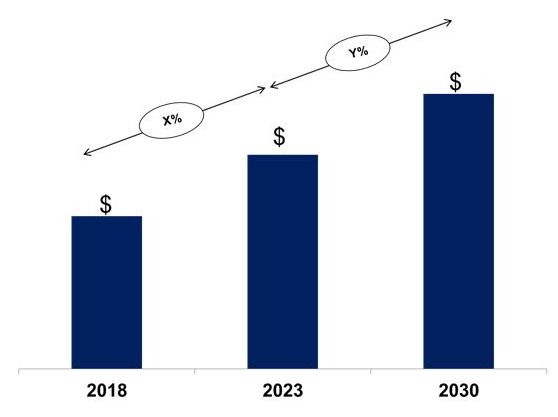
The future of the typhoid fever vaccine market in Australia looks promising with opportunities in the hospital & clinic and specialty center markets. The global typhoid fever vaccine market is expected to reach an estimated $1.0 billion by 2030 with a CAGR of 14.5% from 2024 to 2030. The typhoid fever vaccine market in Australia is also forecasted to witness strong growth over the forecast period. The major drivers for this market are the rise in the prevalence of typhoid and the growing demand for combined vaccines that offer protection against multiple diseases.

• Lucintel forecasts that, within the type category, capsular polysaccharide is expected to witness the highest growth over the forecast period due to its efficiency at preventing infection from bacteria, being safe with limited side effects, and it can be administered orally or by injection, making it easy and convenient to use.
• Within the end use category, hospitals & clinics are expected to witness the highest growth over the forecast period.

Typhoid Fever Vaccine Market in Australia Trends and Forecast

Emerging Trends in the Typhoid Fever Vaccine Market in Australia

The typhoid fever vaccine market in Australia is experiencing significant developments driven by advancements in vaccine technology, increased public awareness, and evolving healthcare policies. These trends are shaping the landscape of typhoid prevention and control, ensuring better health outcomes for the population. Understanding these emerging trends is crucial for stakeholders, including healthcare providers, policymakers, and the public, to effectively navigate and contribute to the evolving market dynamics.

• Adoption of Typhoid Conjugate Vaccines (TCVs): Australia is increasingly incorporating TCVs into its immunization programs due to their improved immunological properties and suitability for use in younger children. The World Health Organization recommends TCVs for routine programmatic use, highlighting their enhanced efficacy and longer duration of protection. This adoption ensures a more robust defense against typhoid fever across various age groups.
• Integration of Typhoid Vaccination in Travel Health Advisory: Given the global incidence of typhoid fever, Australian health authorities emphasize typhoid vaccination for travelers to endemic regions. This proactive approach not only safeguards individual health but also prevents potential outbreaks upon travelersÄX%$%X return, thereby maintaining public health security.
• Government Initiatives and Funding Support: The Australian government is actively investing in vaccination programs, including those targeting typhoid fever. Such initiatives aim to increase vaccine accessibility and coverage, particularly among vulnerable populations, thereby reducing the incidence of typhoid fever nationwide.
• Public-Private Partnerships in Vaccine Development: Collaborations between government agencies and pharmaceutical companies are fostering innovation in vaccine research and development. These partnerships aim to enhance vaccine efficacy, streamline distribution, and ensure affordability, contributing to a more resilient healthcare system.
• Emphasis on Vaccine Education and Awareness Campaigns: There is a growing focus on educating the public about the importance of typhoid vaccination. Through targeted awareness campaigns, Australians are becoming more informed about preventive measures, leading to higher vaccination uptake and a collective effort toward disease prevention.

In conclusion, these emerging trends are reshaping the typhoid fever vaccine market in Australia by enhancing vaccine adoption, strengthening public health policies, and fostering collaborative efforts in vaccine development and education. Collectively, these developments contribute to a more proactive and comprehensive approach to typhoid fever prevention and control in the country.

Recent Developments in the Typhoid Fever Vaccine Market in Australia

Australia has witnessed significant advancements in the typhoid fever vaccine market, driven by innovative collaborations, government initiatives, and technological progress. These developments aim to enhance vaccine accessibility, efficacy, and public awareness, thereby strengthening Australia preparedness against typhoid fever.

• Partnership for Needle-Free Vaccine Delivery: In September 2023, SK Bioscience partnered with Australian biotech company Vaxxas to develop a needle-free, second-generation typhoid vaccine. Supported by a US$3.67 million grant from the Wellcome Trust, this collaboration utilizes VaxxasÄX%$%X high-density microarray patch (HD-MAP) technology, which delivers the vaccine through a patch applied to the skin. This method enhances vaccine stability at higher temperatures, potentially eliminating the need for cold-chain storage and improving accessibility in regions with limited infrastructure.
• Government Support for Global Immunization Efforts: Australia has reinforced its commitment to global health by pledging substantial funds to Gavi, the Vaccine Alliance. In 2020, the Australian government pledged A$300 million to support immunization programs, including those targeting typhoid fever, in low-income countries. This investment underscores Australia role in combating vaccine-preventable diseases globally and reflects its dedication to international health initiatives.
• Market Growth Projections: The Australian vaccines market is projected to grow by 5.65% between 2025 and 2029, reaching a market volume of US$756.20 million by 2029. This growth is attributed to increased public awareness, government initiatives, and advancements in vaccine technology, including those related to typhoid fever.
• Advancements in Oral Typhoid Vaccines: The oral typhoid vaccine market is experiencing significant growth, with projections indicating an increase from US$126.8 million in 2023 to US$285.6 million by 2030, at a compound annual growth rate of 12.3%. This trend reflects a growing preference for needle-free vaccination methods, which offer convenience and improved compliance, potentially influencing vaccine delivery strategies in Australia.
• WHO Recommendations on Typhoid Vaccines: The World Health Organization (WHO) recommends the use of typhoid conjugate vaccines (TCVs) due to their improved immunological properties and suitability for younger children. This endorsement supports the adoption of TCVs in Australia immunization programs, aligning with global best practices and enhancing the country disease prevention strategies.

Collectively, these developments are poised to strengthen Australia typhoid fever vaccine market by enhancing vaccine accessibility, embracing innovative delivery methods, and aligning with global health recommendations. Such progress not only bolsters domestic health security but also reinforces Australia commitment to global health initiatives.

Strategic Growth Opportunities for Typhoid Fever Vaccine Market in Australia

Typhoid fever remains a public health concern in Australia, particularly for travelers visiting endemic regions and high-risk communities. The demand for typhoid fever vaccines is growing due to increased global mobility, awareness, and government initiatives. Key applications, including travel immunization, military vaccination, and outbreak control, present significant growth opportunities. Innovations in vaccine technology and partnerships with healthcare providers further drive market expansion. Understanding these opportunities is crucial for stakeholders looking to enhance vaccine accessibility, improve public health outcomes, and strengthen market presence in Australia.

• Travel Immunization; The increasing number of Australians traveling to typhoid-endemic regions drives demand for typhoid fever vaccines. Travel clinics and healthcare providers play a critical role in administering pre-travel vaccinations. Government advisories and travel health awareness campaigns further promote vaccine uptake. Expanding accessibility through pharmacies and online booking platforms enhances convenience. Developing combination vaccines that protect against multiple travel-related diseases could boost adoption. Strengthening partnerships with airlines and travel agencies for bundled health packages may also improve vaccine reach and market penetration.
• Military and Defense Vaccination; The Australian Defense Force (ADF) deploys personnel to regions where typhoid fever is prevalent, necessitating routine immunization. Ensuring an uninterrupted vaccine supply chain and efficient distribution mechanisms are critical for safeguarding military personnel. Developing advanced vaccine formulations with longer protection duration and fewer doses can improve compliance. Collaborations with defense health agencies to conduct regular immunization programs further strengthen market demand. Additionally, integrating typhoid vaccination within broader military health protocols enhances readiness and operational efficiency.
• Outbreak Control and Public Health Programs; While typhoid fever incidence in Australia is low, localized outbreaks among high-risk communities necessitate rapid response measures. Government health agencies and NGOs play a crucial role in outbreak prevention and control. Expanding stockpiling strategies and rapid deployment mechanisms can mitigate outbreak risks. Strengthening surveillance systems to detect imported cases early helps prevent community transmission. Incorporating typhoid vaccination into broader infectious disease control programs further enhances public health resilience and sustains long-term market demand.
• Pediatric and High-Risk Population Immunization; Children and immunocompromised individuals traveling to endemic regions require targeted vaccination programs. Pediatric formulations with improved safety profiles and long-lasting immunity offer growth potential. Collaborating with pediatric healthcare providers and general practitioners to promote vaccination awareness is essential. Introducing school-based vaccination initiatives for students planning overseas travel can enhance vaccine uptake. Subsidies or reimbursement policies for high-risk populations could further drive market expansion. Addressing parental concerns through educational campaigns improves vaccine acceptance and coverage.
• Innovations in Vaccine Delivery and Distribution; Advancements in vaccine formulations, including single-dose and needle-free administration, enhance patient compliance. Developing thermostable vaccines that require minimal cold-chain logistics reduces distribution challenges. Expanding digital health solutions for vaccine appointment scheduling and reminders improves coverage rates. Leveraging telemedicine services to provide pre-travel consultations and vaccination prescriptions enhances accessibility. Collaborations with biotechnology firms for next-generation vaccine development position Australia as a hub for vaccine innovation, further strengthening the market.

The Australian typhoid fever vaccine market is expanding due to increasing travel, military deployments, outbreak preparedness, and advancements in vaccine technology. Strategic growth opportunities across travel immunization, military vaccination, outbreak control, pediatric immunization, and innovative delivery mechanisms are driving market dynamics. Strengthening partnerships, improving accessibility, and leveraging technological innovations can enhance vaccine coverage and public health outcomes. Stakeholders focusing on these growth areas will play a crucial role in shaping the future of typhoid fever vaccination in Australia.

Typhoid Fever Vaccine Market in Australia Driver and Challenges

The typhoid fever vaccine market in Australia is influenced by various technological, economic, and regulatory factors that impact its growth and accessibility. Advancements in vaccine development, government initiatives, and increasing travel to high-risk regions drive demand. However, regulatory complexities, high development costs, and limited awareness pose significant challenges. As public health concerns rise, stakeholders must navigate these factors to ensure vaccine availability and effectiveness. Understanding these drivers and challenges is essential for market players, policymakers, and healthcare providers to develop strategies that enhance vaccine uptake and address barriers to widespread immunization.

The factors responsible for driving the typhoid fever vaccine market in Australia include:
• Government Initiatives and Immunization Programs: The Australian government supports vaccination programs through public health initiatives and immunization policies. Various programs aim to provide access to vaccines for individuals at risk, particularly travelers and individuals in remote areas. Public health campaigns promote awareness, ensuring more people receive vaccinations before visiting endemic regions. Additionally, government funding and subsidies for vaccines help reduce financial barriers, improving overall immunization rates. These initiatives contribute to market growth by creating a structured framework for vaccine distribution and administration, making typhoid fever prevention more accessible to the population.
• Increasing International Travel and Migration: Rising international travel, particularly to regions where typhoid fever is endemic, is a major driver for vaccine demand in Australia. Tourists, business travelers, and individuals visiting family in high-risk countries require immunization as a preventive measure. Additionally, migration from typhoid-prone regions increases the need for vaccinations to prevent disease transmission. Travel health clinics and healthcare providers actively recommend typhoid vaccination, further supporting market expansion. As global mobility continues to increase, demand for typhoid vaccines will remain strong, driving investments in production and distribution networks to meet the needs of travelers and migrants.
• Advancements in Vaccine Development: Continuous advancements in vaccine research and development contribute to improved efficacy, longer protection, and enhanced safety of typhoid vaccines. The introduction of conjugate vaccines, which provide longer-lasting immunity compared to older polysaccharide vaccines, has increased vaccination adoption. Ongoing research focuses on oral and combination vaccines to improve convenience and coverage. These innovations enhance the market by attracting healthcare providers and consumers who seek improved vaccination options. Additionally, technological progress in vaccine manufacturing reduces production costs and increases supply efficiency, supporting widespread accessibility and distribution.
• Rising Public Health Awareness: Growing awareness of vaccine-preventable diseases has positively impacted typhoid vaccine adoption in Australia. Public health organizations, healthcare providers, and international agencies emphasize the importance of vaccination, particularly for individuals traveling to endemic regions. Educational campaigns, social media engagement, and healthcare provider recommendations have contributed to increased awareness and willingness to get vaccinated. Greater access to health information allows individuals to make informed decisions, reducing the risk of typhoid fever outbreaks. This increasing awareness supports market growth by driving higher demand for vaccines among at-risk populations.
• Expanding Distribution Networks and Healthcare Infrastructure: Australia well-developed healthcare infrastructure and expanding vaccine distribution networks enhance accessibility to typhoid vaccines. Pharmacies, travel clinics, and general practitioners provide vaccinations, ensuring convenience for individuals seeking immunization. Digital health platforms and telemedicine services also play a role in vaccine consultations and appointments. Efficient cold chain logistics and government collaborations with pharmaceutical companies help maintain vaccine availability across urban and rural areas. This strong infrastructure supports market expansion by enabling timely and widespread vaccine distribution, addressing the needs of both domestic populations and international travelers.

Challenges in the typhoid fever vaccine market in Australia include:
• Regulatory Compliance and Approval Processes: Stringent regulatory requirements for vaccine approval and distribution pose challenges for market growth in Australia. Vaccine manufacturers must undergo rigorous testing, clinical trials, and approval processes set by the Therapeutic Goods Administration. While these regulations ensure vaccine safety and efficacy, they also create significant time and financial barriers for new entrants. Lengthy approval timelines can delay the introduction of advanced vaccines, affecting market competition and availability. Companies must navigate these regulatory hurdles carefully to ensure compliance while maintaining an efficient product development and distribution strategy.
• High Vaccine Development and Manufacturing Costs: The costs associated with vaccine research, development, and production present a significant challenge for the typhoid vaccine market. Developing vaccines involves extensive clinical trials, regulatory compliance, and high investment in biotechnology. Additionally, maintaining cold chain logistics for vaccine storage and distribution further increases operational expenses. These high costs often translate into expensive vaccines for consumers, limiting accessibility for individuals without government support or private health coverage. Overcoming these financial barriers requires strategic collaborations, public funding initiatives, and innovative manufacturing solutions to reduce overall costs.
• Limited Public Awareness in Non-Travelers: While awareness of typhoid vaccination is growing among travelers, knowledge about its benefits remains limited among non-traveling populations. Many individuals in Australia perceive typhoid fever as a foreign disease, leading to lower vaccination rates among those who do not frequently travel. This lack of awareness reduces market penetration and limits preventive healthcare initiatives. Public health campaigns need to address this gap by educating broader demographics on the risks of typhoid fever and the importance of vaccination for overall community health and outbreak prevention.

The typhoid fever vaccine market in Australia is shaped by multiple drivers and challenges that impact its growth and accessibility. Government initiatives, international travel, technological advancements, public health awareness, and healthcare infrastructure contribute to market expansion. However, regulatory compliance, high development costs, and limited awareness among non-travelers pose significant challenges. Addressing these issues requires collaborative efforts between government bodies, healthcare providers, and pharmaceutical companies. Strengthening awareness campaigns, streamlining regulatory processes, and reducing production costs will be essential in ensuring continued market growth and improved vaccine accessibility for individuals at risk.

List of Typhoid Fever Vaccine Market in Australia Companies

Companies in the market compete on the basis of product quality offered. Major players in this market focus on expanding their manufacturing facilities, R&D investments, infrastructural development, and leverage integration opportunities across the value chain. With these strategies typhoid fever vaccine companies cater increasing demand, ensure competitive effectiveness, develop innovative products & technologies, reduce production costs, and expand their customer base. Some of the typhoid fever vaccine companies profiled in this report include-
• Company 1
• Company 2
• Company 3
• Company 4
• Company 5
• Company 6
• Company 7
• Company 8
• Company 9
• Company 10

Typhoid Fever Vaccine Market in Australia by Segment

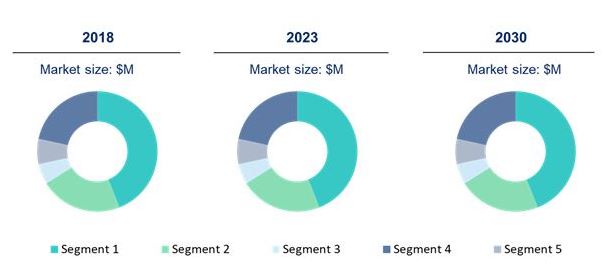
The study includes a forecast for the typhoid fever vaccine market in Australia by type, route of administration, and end use.

Typhoid Fever Vaccine Market in Australia by Type [Analysis by Value from 2018 to 2030]:


• Live Attenuated Vaccine
• Capsular Polysaccharide Vaccine
• Conjugate Vaccine
• Others

Typhoid Fever Vaccine Market in Australia by Route of Administration [Analysis by Value from 2018 to 2030]:


• Oral
• Injection

Typhoid Fever Vaccine Market in Australia by End Use [Analysis by Value from 2018 to 2030]:


• Hospitals & Clinics
• Specialty Centers
• Others

Features of the Typhoid Fever Vaccine Market in Australia

Market Size Estimates: Typhoid fever vaccine in Australia market size estimation in terms of value ($B).
Trend and Forecast Analysis: Market trends and forecasts by various segments.
Segmentation Analysis: Typhoid fever vaccine in Australia market size by type, route of administration, end use in terms of value ($B).
Growth Opportunities: Analysis of growth opportunities in different type, route of administration, end use for the typhoid fever vaccine in Australia.
Strategic Analysis: This includes M&A, new product development, and competitive landscape of the typhoid fever vaccine in Australia.
Analysis of competitive intensity of the industry based on Porter’s Five Forces model.

If you are looking to expand your business in this or adjacent markets, then contact us. We have done hundreds of strategic consulting projects in market entry, opportunity screening, due diligence, supply chain analysis, M & A, and more.

FAQ

Q1. What are the major drivers influencing the growth of the typhoid fever vaccine market in Australia?
Answer: The major drivers for this market are the rise in the prevalence of typhoid and the growing demand for combined vaccines that offer protection against multiple diseases.
Q2. What are the major segments of the typhoid fever vaccine market in Australia?
Answer: The future of the typhoid fever vaccine market in Australia looks promising with opportunities in the hospital & clinic and specialty center markets.
Q3. Which typhoid fever vaccine market segment in Australia will be the largest in the future?
Answer: Lucintel forecasts that capsular polysaccharide is expected to witness the highest growth over the forecast period due to its efficiency at preventing infection from bacteria, being safe with limited side effects, and it can be administered orally or by injection, making it easy and convenient to use.
Q4. Do we receive customization in this report?
Answer: Yes, Lucintel provides 10% customization without any additional cost.

This report answers following 11 key questions:

Q.1. What are some of the most promising, high-growth opportunities for the typhoid fever vaccine market in Australia by type (live attenuated vaccine, capsular polysaccharide vaccine, conjugate vaccine, and others), route of administration (oral and injection), and end use (hospitals & clinics, specialty centers, and others)?
Q.2. Which segments will grow at a faster pace and why?
Q.3. Which region will grow at a faster pace and why?
Q.4. What are the key factors affecting market dynamics? What are the key challenges and business risks in this market?
Q.5. What are the business risks and competitive threats in this market?
Q.6. What are the emerging trends in this market and the reasons behind them?
Q.7. What are some of the changing demands of customers in the market?
Q.8. What are the new developments in the market? Which companies are leading these developments?
Q.9. Who are the major players in this market? What strategic initiatives are key players pursuing for business growth?
Q.10. What are some of the competing products in this market and how big of a threat do they pose for loss of market share by material or product substitution?
Q.11. What M&A activity has occurred in the last 5 years and what has its impact been on the industry?

                                                            Table of Contents

            1. Executive Summary

            2. Typhoid Fever Vaccine Market in Australia: Market Dynamics
                        2.1: Introduction, Background, and Classifications
                        2.2: Supply Chain
                        2.3: Industry Drivers and Challenges

            3. Market Trends and Forecast Analysis from 2019 to 2031
                        3.1. Macroeconomic Trends (2019-2024) and Forecast (2025-2031)
                        3.2. Typhoid Fever Vaccine Market in Australia Trends (2019-2024) and Forecast (2025-2031)
                        3.3: Typhoid Fever Vaccine Market in Australia by Type
                                    3.3.1: Live Attenuated Vaccine
                                    3.3.2: Capsular Polysaccharide Vaccine
                                    3.3.3: Conjugate Vaccine
                                    3.3.4: Others
                        3.4: Typhoid Fever Vaccine Market in Australia by Route of Administration
                                    3.4.1: Oral
                                    3.4.2: Injection
                        3.5: Typhoid Fever Vaccine Market in Australia by End Use
                                    3.5.1: Hospitals & Clinics
                                    3.5.2: Specialty Centers
                                    3.5.3: Others

            4. Competitor Analysis
                        4.1: Product Portfolio Analysis
                        4.2: Operational Integration
                        4.3: Porter’s Five Forces Analysis

            5. Growth Opportunities and Strategic Analysis
                        5.1: Growth Opportunity Analysis
                                    5.1.1: Growth Opportunities for the Typhoid Fever Vaccine Market in Australia by Type
                                    5.1.2: Growth Opportunities for the Typhoid Fever Vaccine Market in Australia by Route of Administration
                                    5.1.3: Growth Opportunities for the Typhoid Fever Vaccine Market in Australia by End Use
                        5.2: Emerging Trends in the Typhoid Fever Vaccine Market
                        5.3: Strategic Analysis
                                    5.3.1: New Product Development
                                    5.3.2: Capacity Expansion of the Typhoid Fever Vaccine Market in Australia
                                    5.3.3: Mergers, Acquisitions, and Joint Ventures in the Typhoid Fever Vaccine Market in Australia
                                    5.3.4: Certification and Licensing

            6. Company Profiles of Leading Players
                        6.1: Company 1
                        6.2: Company 2
                        6.3: Company 3
                        6.4: Company 4
                        6.5: Company 5
                        6.6: Company 6
                        6.7: Company 7
                        6.8: Company 8
                        6.9: Company 9
                        6.10: Company 10
.

Buy full report or by chapter as follows

Limited Time Offer

Price by License Type:
[-] Hide Chapter Details
[Chapter Number] [Chapter Name] [Chapter Number Of Pages] [Chapter Price]
Title/Chapter Name Pages Price
Full Report: Typhoid Fever Vaccine Market in Australia Full Report $ 2,990
150 - page report
Lucintel has been in the business of market research and management consulting since 2000 and has published over 1000 market intelligence reports in various markets / applications and served over 1,000 clients worldwide. This study is a culmination of four months of full-time effort performed by Lucintel's analyst team. The analysts used the following sources for the creation and completion of this valuable report:
  • In-depth interviews of the major players in this market
  • Detailed secondary research from competitors’ financial statements and published data 
  • Extensive searches of published works, market, and database information pertaining to industry news, company press releases, and customer intentions
  • A compilation of the experiences, judgments, and insights of Lucintel’s professionals, who have analyzed and tracked this market over the years.
Extensive research and interviews are conducted across the supply chain of this market to estimate market share, market size, trends, drivers, challenges, and forecasts. Below is a brief summary of the primary interviews that were conducted by job function for this report.
 
Thus, Lucintel compiles vast amounts of data from numerous sources, validates the integrity of that data, and performs a comprehensive analysis. Lucintel then organizes the data, its findings, and insights into a concise report designed to support the strategic decision-making process. The figure below is a graphical representation of Lucintel’s research process. 
 

Please sign in below to get report brochure - Typhoid Fever Vaccine Market in Australia .

At Lucintel, we respect your privacy and maintain the confidentiality of information / data provided by you
(Please enter your corporate email. * These fields are mandatory )

Follow us on