
Report Feature
TENS Unit Market Trends and Forecast
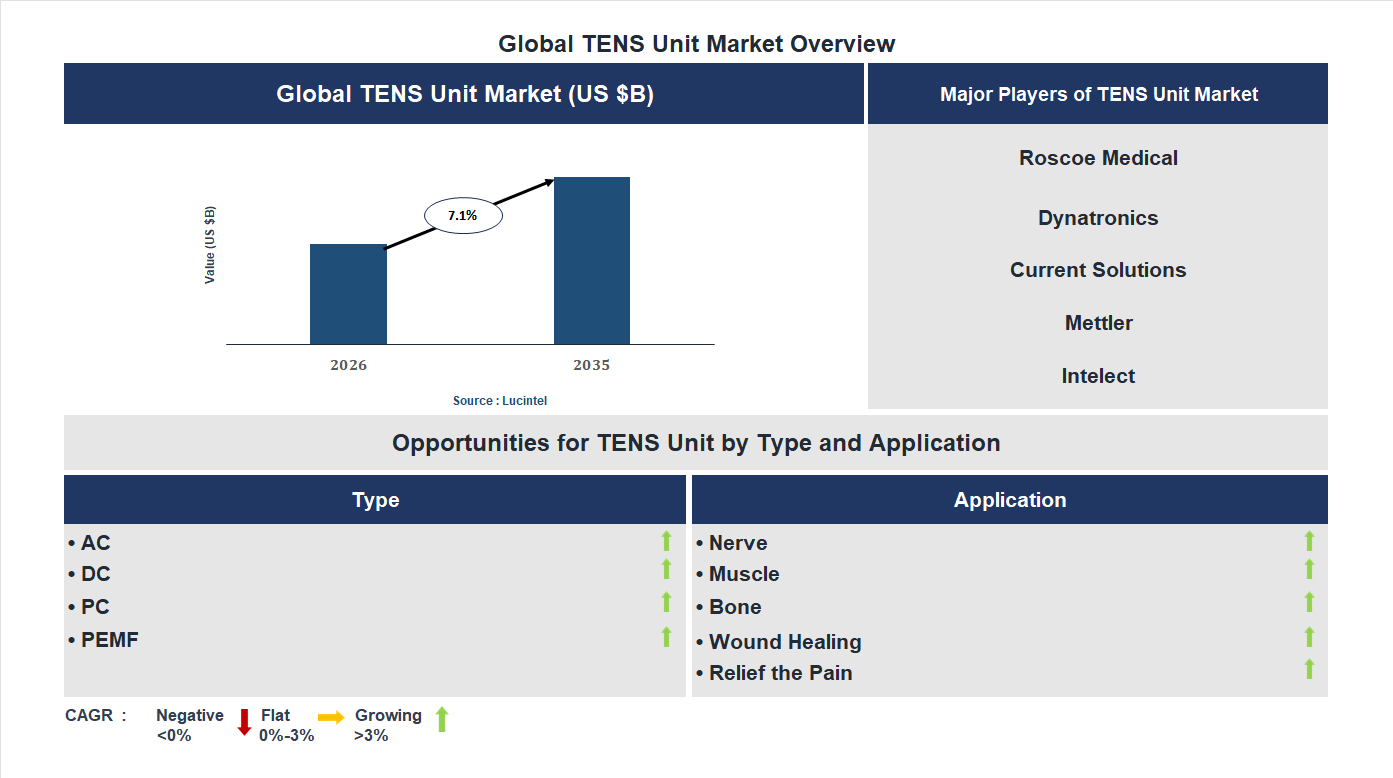
The future of the global TENS unit market looks promising with opportunities in the nerve, muscle, bone, wound healing, and relief the pain markets. The global TENS unit market is expected to reach an estimated $3 billion by 2035 with a CAGR of 7.6% from 2026 to 2035. The major drivers for this market are the increasing demand for non invasive pain management, the rising prevalence of chronic musculoskeletal disorders, and the growing adoption of home healthcare devices.• Lucintel forecasts that, within the type category, PEMF is expected to witness the highest growth over the forecast period.
• Within the application category, relief the pain is expected to witness the highest growth.
• In terms of region, APAC is expected to witness the highest growth over the forecast period. Gain valuable insights for your business decisions with our comprehensive 150+ page report. Sample figures with some insights are shown below.
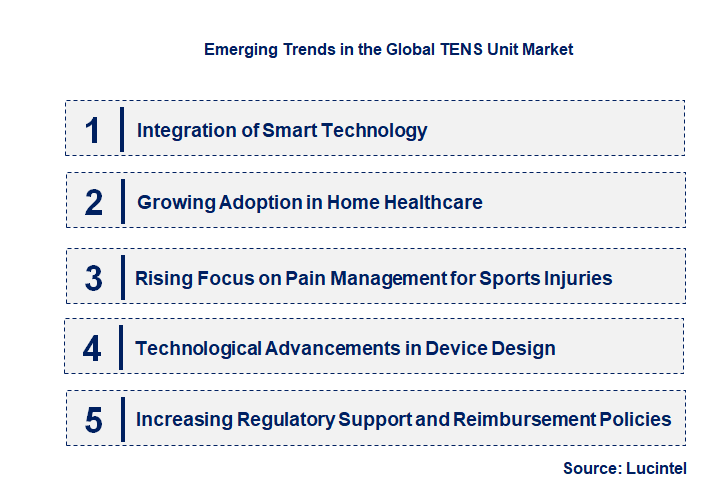
Emerging Trends in the TENS Unit Market
The TENS unit market is experiencing rapid growth driven by technological advancements, increasing awareness of pain management options, and a shift towards non-invasive therapies. As consumers and healthcare providers seek effective, drug-free solutions for pain relief, the market is evolving with innovative products and expanding applications. These developments are not only broadening the scope of TENS units but also making them more accessible and user-friendly. The following key trends highlight the major shifts shaping this market, reflecting its dynamic nature and promising prospects.• Integration of Smart Technology: The incorporation of smart features into TENS units is revolutionizing pain management. Devices now come with Bluetooth connectivity, mobile app integration, and customizable treatment protocols. This allows users to monitor their therapy, adjust settings remotely, and receive real-time feedback. Healthcare providers can also track patient progress more effectively. The integration of IoT (Internet of Things) enhances user engagement and adherence, making pain management more personalized and efficient. This trend is expected to boost market growth by attracting tech-savvy consumers and improving clinical outcomes.
• Growing Adoption in Home Healthcare: The shift towards home-based healthcare solutions is significantly impacting the TENS unit market. Patients prefer non-invasive, easy-to-use devices for managing chronic pain at home, reducing reliance on frequent clinical visits. Manufacturers are designing compact, portable, and user-friendly units to meet this demand. The increasing prevalence of chronic conditions such as arthritis, back pain, and neuropathy further fuels this trend. As insurance coverage expands and awareness grows, more consumers are adopting TENS units for self-care, thereby expanding the market beyond traditional clinical settings.
• Rising Focus on Pain Management for Sports Injuries: Athletes and sports enthusiasts are increasingly turning to TENS units for quick recovery and pain relief from injuries. The market is witnessing a surge in products tailored for sports applications, emphasizing portability, durability, and ease of use during training and recovery. This trend is driven by the rising incidence of sports-related injuries and the demand for non-pharmacological pain relief options. Sports clinics, physiotherapists, and fitness centers are integrating TENS therapy into their treatment protocols, broadening the market scope and encouraging innovation in device design.
• Technological Advancements in Device Design: Continuous innovation is leading to more sophisticated, effective, and user-friendly TENS units. Developments include wireless devices, multi-channel stimulation, adjustable waveforms, and longer battery life. These advancements improve treatment efficacy and user comfort, encouraging wider adoption. Additionally, the miniaturization of components allows for discreet, portable devices suitable for on-the-go use. Enhanced safety features and customizable settings cater to diverse patient needs, making TENS therapy more accessible and appealing. This trend is crucial for maintaining competitive advantage and expanding market reach.
• Increasing Regulatory Support and Reimbursement Policies: Governments and healthcare authorities are recognizing the benefits of TENS therapy, leading to supportive regulations and reimbursement policies. Clear guidelines for device safety, efficacy, and quality standards are fostering market confidence. Reimbursement schemes are making TENS units more affordable for patients, encouraging widespread adoption. This regulatory support is also facilitating market entry for new players and innovations. As policies evolve, they are expected to further legitimize TENS therapy as a standard pain management option, thereby accelerating market growth and acceptance across healthcare systems. These trends are collectively transforming the TENS unit market by enhancing device functionality, expanding application areas, and improving accessibility. The integration of smart technology, focus on home healthcare, sports injury applications, technological innovations, and supportive regulatory frameworks are driving growth and shaping a more dynamic, patient-centric market landscape.
Recent Development in the TENS Unit Market
The TENS unit market is experiencing rapid growth driven by increasing demand for non-invasive pain management solutions, technological advancements, and rising awareness of alternative therapies. As healthcare providers and consumers seek effective, drug-free options, the market is expanding across various regions. Innovations in device design and functionality are further fueling adoption. This dynamic environment presents significant opportunities for manufacturers, healthcare providers, and investors to capitalize on emerging trends and improve patient outcomes through advanced TENS therapy solutions.• Growing Demand for Non-Invasive Pain Relief: The increasing preference for drug-free pain management options is boosting TENS unit adoption. Patients and healthcare providers favor these devices for their safety, ease of use, and effectiveness in treating chronic and acute pain. The shift away from opioids and invasive procedures is a key driver, expanding the market across hospitals, clinics, and home care settings. This trend enhances patient comfort and reduces healthcare costs, making TENS units a preferred choice worldwide.
• Technological Innovations Enhancing Device Efficiency: Advances in electronics, wireless connectivity, and user interface design are transforming TENS units. Modern devices offer customizable settings, improved electrode designs, and real-time monitoring, increasing their effectiveness and user satisfaction. These innovations enable better pain control, facilitate remote healthcare management, and appeal to tech-savvy consumers. As technology evolves, the market benefits from increased adoption, higher sales, and expanded applications in sports medicine and rehabilitation.
• Rising Awareness and Adoption in Emerging Markets: Increased healthcare awareness and infrastructure development are driving TENS unit adoption in emerging economies. Governments and the private sector are investing in pain management solutions to address rising chronic pain cases. Educational campaigns and affordability improvements are further boosting acceptance. This expansion opens new revenue streams for manufacturers and diversifies the market, contributing to global growth and making TENS therapy accessible to a broader population.
• Increasing Use in Sports and Rehabilitation: The sports industry and physiotherapy clinics are increasingly utilizing TENS units for injury recovery and performance enhancement. Athletes and patients benefit from pain relief, muscle stimulation, and faster rehabilitation. The demand from sports medicine professionals and rehabilitation centers is fueling market growth, encouraging product innovation tailored for active lifestyles. This trend broadens the application scope of TENS units, fostering market diversification and higher sales volumes.
• Regulatory Approvals and Reimbursement Policies: Favorable regulatory approvals and reimbursement schemes are facilitating market expansion. Clear guidelines and insurance coverage reduce financial barriers for consumers and healthcare providers. This support accelerates product adoption, especially in developed countries, and encourages manufacturers to innovate. As policies evolve, the market experiences increased trust, wider accessibility, and sustained growth, reinforcing TENS units as a mainstream pain management solution. These developments collectively are significantly impacting the TENS unit market by driving innovation, expanding geographic reach, and increasing consumer acceptance. The focus on non-invasive, technologically advanced, and accessible pain relief options is fostering robust growth. As awareness and infrastructure improve globally, the market is poised for continued expansion, offering lucrative opportunities for stakeholders and improving pain management outcomes across diverse patient populations.
Strategic Growth Opportunities in the TENS Unit Market
The TENS unit market is experiencing significant growth driven by increasing demand for non-invasive pain management solutions, rising prevalence of chronic pain conditions, and technological advancements. The expanding healthcare infrastructure and growing awareness about alternative therapies further contribute to market expansion. Key applications across medical, physiotherapy, and home healthcare sectors present substantial opportunities for manufacturers and service providers to innovate and capture market share. Strategic investments and product development aligned with patient needs are essential for capitalizing on these emerging trends.• Growing Adoption of TENS Units for Chronic Pain Management: The increasing prevalence of chronic pain conditions such as arthritis, back pain, and neuropathy is driving demand for TENS units as a safe, drug-free alternative. Patients and healthcare providers prefer these devices for their non-invasive nature, ease of use, and minimal side effects. The rising awareness about pain management options and the shift towards home-based therapies are further fueling adoption, creating substantial growth opportunities for manufacturers to develop advanced, user-friendly devices.
• Technological Innovations Enhancing Device Effectiveness: Advances in TENS technology, including wireless connectivity, customizable waveforms, and portable designs, are expanding market potential. These innovations improve user experience, treatment precision, and convenience, making devices more appealing for both clinical and home use. Integration with mobile apps and remote monitoring capabilities enables personalized therapy management, attracting a broader customer base. Continuous R&D efforts are expected to lead to more effective, affordable, and versatile TENS units, boosting market growth.
• Rising Demand in Physiotherapy and Rehabilitation Centers: Physiotherapy clinics and rehabilitation centers increasingly incorporate TENS units into treatment protocols for musculoskeletal injuries, post-surgical recovery, and neurological conditions. The growing number of such facilities worldwide, coupled with the need for effective pain relief and muscle stimulation, presents significant opportunities. Providers are investing in advanced devices to improve patient outcomes, which in turn drives market expansion. Training and awareness programs further support adoption in clinical settings.
• Expansion of Home Healthcare Market and Self-Administration: The shift towards home healthcare and self-managed therapies is a key growth driver for TENS units. Patients prefer convenient, cost-effective solutions for ongoing pain management without frequent hospital visits. Portable, easy-to-use devices enable self-administration, increasing market penetration. Manufacturers are focusing on developing intuitive interfaces and safety features to facilitate user confidence. This trend is expected to significantly boost sales, especially in aging populations and chronic pain sufferers seeking autonomy in their treatment.
• Increasing Regulatory Approvals and Reimbursement Policies: Favorable regulatory approvals and reimbursement schemes are facilitating market growth by making TENS units more accessible and affordable. Governments and insurance providers are recognizing the benefits of non-invasive pain management, leading to expanded coverage. This reduces out-of-pocket expenses for patients and encourages healthcare providers to recommend TENS therapy. Clear regulatory pathways also promote innovation and product standardization, fostering a competitive environment that accelerates market development and adoption. These growth opportunities collectively position the TENS unit market for sustained expansion by addressing diverse patient needs, leveraging technological advancements, and integrating into mainstream healthcare practices. As awareness, innovation, and supportive policies increase, the market is poised for robust growth, benefiting manufacturers, healthcare providers, and patients seeking effective, non-invasive pain management solutions.
TENS Unit Market Driver and Challenges
The TENS Unit Market is influenced by a variety of technological, economic, and regulatory factors that shape its growth and development. Advances in medical technology, increasing prevalence of chronic pain conditions, and supportive healthcare policies are key drivers. Conversely, challenges such as regulatory hurdles, high costs, and limited awareness pose significant barriers. Understanding these drivers and challenges is essential for stakeholders aiming to capitalize on market opportunities and address potential risks. The interplay of these factors determines the overall trajectory of the TENS Unit Market, impacting innovation, accessibility, and market expansion. The factors responsible for driving the TENS unit market include:-• Technological Advancements: The continuous development of innovative TENS devices with enhanced features such as wireless connectivity, customizable settings, and portable designs has significantly boosted market growth. These advancements improve user experience, efficacy, and convenience, making TENS units more appealing to both healthcare providers and consumers. As technology evolves, manufacturers can introduce more sophisticated devices, expanding applications and increasing adoption rates across various pain management settings.
• Rising Prevalence of Chronic Pain Conditions: The increasing incidence of chronic pain disorders such as arthritis, back pain, and neuropathy globally is a major driver. As these conditions become more prevalent due to aging populations and sedentary lifestyles, demand for non-invasive, drug-free pain relief options like TENS units rises. This trend encourages healthcare providers to recommend TENS therapy, thereby expanding the market.
• Growing Awareness and Acceptance: Increased awareness about non-pharmacological pain management options and the benefits of TENS therapy among patients and healthcare professionals has contributed to market growth. Educational campaigns, clinical research, and positive patient outcomes have fostered acceptance, leading to higher adoption rates in clinics, hospitals, and home care settings.
• Favorable Regulatory Environment: Supportive regulatory frameworks and approvals from health authorities facilitate market expansion. Clear guidelines and standards ensure product safety and efficacy, encouraging manufacturers to innovate and launch new devices. Additionally, reimbursement policies in certain regions make TENS units more accessible, further driving market growth. The challenges facing the TENS unit market include:-
• Regulatory and Approval Barriers: Stringent regulatory requirements and lengthy approval processes can delay product launches and increase costs for manufacturers. Navigating complex compliance standards across different regions poses a significant challenge, potentially hindering innovation and slowing market penetration.
• High Cost of Devices: The relatively high price of advanced TENS units limits accessibility, especially in developing regions. Cost barriers restrict adoption among lower-income patients and healthcare facilities with limited budgets, thereby constraining market expansion.
• Limited Awareness and Training: Despite growing acceptance, a lack of awareness and insufficient training among healthcare providers and patients remain obstacles. Misconceptions about efficacy, improper usage, and limited knowledge about benefits can reduce adoption rates and hinder market growth. The TENS unit market is driven by technological innovations, increasing chronic pain cases, awareness, and supportive regulations. However, regulatory hurdles, high costs, and limited awareness pose challenges that could impede growth. Overall, these factors collectively influence the market’s evolution, requiring strategic efforts to maximize opportunities and mitigate risks. The market’s future will depend on how effectively stakeholders address these challenges while leveraging technological and demographic drivers.
List of TENS Unit Companies
Companies in the market compete on the basis of product quality offered. Major players in this market focus on expanding their manufacturing facilities, R&D investments, infrastructural development, and leverage integration opportunities across the value chain. With these strategies TENS unit companies cater increasing demand, ensure competitive effectiveness, develop innovative products & technologies, reduce production costs, and expand their customer base. Some of the TENS unit companies profiled in this report include-• Roscoe Medical
• Dynatronics
• Current Solutions
• Mettler
• Intelect
• Drive Medical
• Ultima
• Pepin
• Carex
• Oxiline
TENS Unit Market by Segment
The study includes a forecast for the global TENS unit market by type, application, and region.TENS Unit Market by Type [Value from 2019 to 2035]:
• AC
• DC
• PC
• PEMF
TENS Unit Market by Application [Value from 2019 to 2035]:
• Nerve
• Muscle
• Bone
• Wound Healing
• Relief the Pain
TENS Unit Market by Region [Value from 2019 to 2035]:
• North America
• Europe
• Asia Pacific
• The Rest of the World
Country Wise Outlook for the TENS Unit Market
The TENS unit market has experienced significant growth driven by increasing awareness of pain management, technological advancements, and expanding healthcare applications worldwide. As countries adopt innovative solutions for chronic pain relief and physical therapy, the market dynamics are shifting, with new product launches and regulatory approvals shaping the landscape. The United States, China, Germany, India, and Japan are key players in this evolving market, each contributing unique developments based on their healthcare infrastructure, technological capabilities, and consumer demand. These countries are witnessing notable trends that influence global market growth and innovation.• United States: The US market has seen a surge in demand for advanced TENS units with wireless connectivity and customizable settings. Regulatory approvals for new devices have increased, and there is a growing adoption in physical therapy clinics and home healthcare. The focus on non-invasive pain management solutions continues to drive innovation and market expansion.
• China: China is experiencing rapid growth in the TENS unit market due to rising healthcare awareness and government initiatives promoting pain management therapies. Local manufacturers are introducing affordable, portable devices, expanding access across urban and rural areas. The market is also witnessing increased imports of advanced foreign devices.
• Germany: Germanys market benefits from a well-established healthcare system emphasizing physiotherapy and pain management. Recent developments include the integration of smart TENS devices with digital health platforms, enabling remote monitoring and personalized treatment plans. Regulatory standards remain stringent, ensuring high-quality products.
• India: The Indian market is expanding due to increasing prevalence of chronic pain conditions and a growing geriatric population. Affordable, portable TENS units are gaining popularity, supported by rising healthcare awareness and government health schemes. Local startups are innovating with cost-effective solutions to meet demand.
• Japan: Japan's market is characterized by technological innovation and high consumer awareness. Recent developments include the launch of compact, user-friendly TENS devices with advanced features like app integration and AI-based customization. The focus on elderly care and rehabilitation has further propelled market growth.

Features of the Global TENS Unit Market
Market Size Estimates: TENS unit market size estimation in terms of value ($B). Trend and Forecast Analysis: Market trends (2019 to 2025) and forecast (2026 to 2035) by various segments and regions. Segmentation Analysis: TENS unit market size by type, application, and region in terms of value ($B). Regional Analysis: TENS unit market breakdown by North America, Europe, Asia Pacific, and Rest of the World. Growth Opportunities: Analysis of growth opportunities in different types, applications, and regions for the TENS unit market. Strategic Analysis: This includes M&A, new product development, and competitive landscape of the TENS unit market. Analysis of competitive intensity of the industry based on Porter’s Five Forces model.
FAQ
Q1. What is the market size and growth forecast for TENS unit market? Answer: The global TENS unit market is expected to reach an estimated $3 billion by 2035 and grow with a CAGR of 7.6% from 2026 to 2035. Q2. What are the major drivers influencing the growth of the TENS unit market? Answer: The major drivers for this market are the increasing demand for non invasive pain management, the rising prevalence of chronic musculoskeletal disorders, and the growing adoption of home healthcare devices. Q3. What are the major segments for TENS unit market? Answer: The future of the TENS unit market looks promising with opportunities in the nerve, muscle, bone, wound healing, and relief the pain markets. Q4. Who are the key TENS unit market companies? Answer: Some of the key TENS unit companies are as follows:• Roscoe Medical
• Dynatronics
• Current Solutions
• Mettler
• Intelect
• Drive Medical
• Ultima
• Pepin
• Carex
• Oxiline Q5. Which TENS unit market segment will be the largest in future? Answer: Lucintel forecasts that, within the type category, PEMF is expected to witness the highest growth over the forecast period. Q6. In TENS unit market, which region is expected to be the largest in next 5 years? Answer: In terms of region, APAC is expected to witness the highest growth over the forecast period. Q7. Do we receive customization in this report? Answer: Yes, Lucintel provides 10% customization without any additional cost.
Table of Contents
List of Figures
List of Tables
Methodology
- In-depth interviews of the major players in this market
- Detailed secondary research from competitors’ financial statements and published data
- Extensive searches of published works, market, and database information pertaining to industry news, company press releases, and customer intentions
- A compilation of the experiences, judgments, and insights of Lucintel’s professionals, who have analyzed and tracked this market over the years.


Buy Now
Choose a license that fits your team. Instant PDF delivery.
Prices exclude taxes. Instant delivery. Custom licensing available on request.
Key Questions
- • What are some of the most promising, high-growth opportunities for the TENS unit market by type (AC, DC, PC, and PEMF), application (nerve, muscle, bone, wound healing, and relief the pain), and region (North America, Europe, Asia Pacific, and the Rest of the World)?
- • Which segments will grow at a faster pace and why?
- • Which region will grow at a faster pace and why?
- • What are the key factors affecting market dynamics? What are the key challenges and business risks in this market?
- • What are the business risks and competitive threats in this market?
- • What are the emerging trends in this market and the reasons behind them?
- • What are some of the changing demands of customers in the market?
- • What are the new developments in the market? Which companies are leading these developments?
- • Who are the major players in this market? What strategic initiatives are key players pursuing for business growth?
- • What are some of the competing products in this market and how big of a threat do they pose for loss of market share by material or product substitution?
- • What M&A activity has occurred in the last 7 years and what has its impact been on the industry? For any questions related to TENS Unit Market, TENS Unit Market Size, TENS Unit Market Growth, TENS Unit Market Analysis, TENS Unit Market Report, TENS Unit Market Share, TENS Unit Market Trends, TENS Unit Market Forecast, TENS Unit Companies, write Lucintel analyst at email: helpdesk@lucintel.com. We will be glad to get back to you soon.


