
Market Report · May 18, 2026

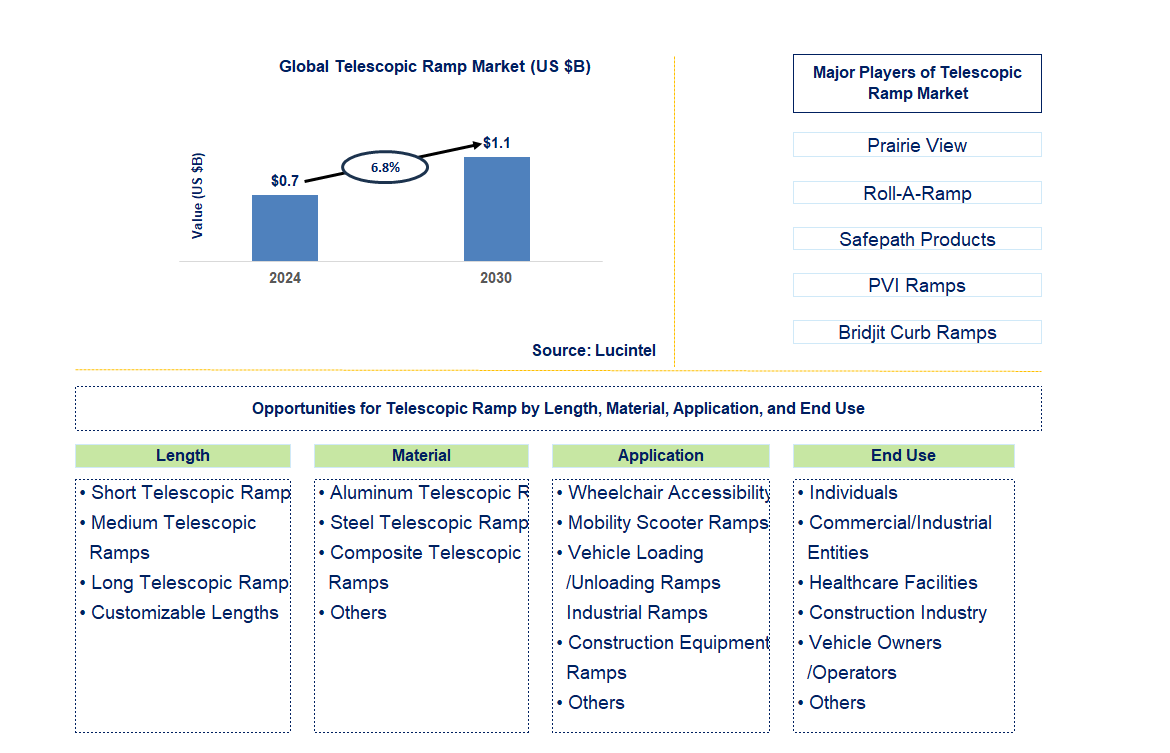
Key data points: The market size in 2030 = $1.1 billion, growth forecast = 6.8% annually for the next 6 years. Scroll below to get more insights. This market report covers trends, opportunities, and forecasts in the global telescopic ramp market to 2030 by length (short telescopic ramps, medium telescopic ramps, long telescopic ramps, and customizable lengths), material (aluminum telescopic ramps, steel telescopic ramps, composite telescopic ramps, and others), application (wheelchair accessibility ramps, mobility scooter ramps, vehicle loading/unloading ramps industrial ramps, construction equipment ramps, and others), end use (individuals, commercial/industrial entities, healthcare facilities, construction industry , vehicle owners/operators, and others), and region (North America, Europe, Asia Pacific, and the Rest of the World)
We'll send your sample report shortly.
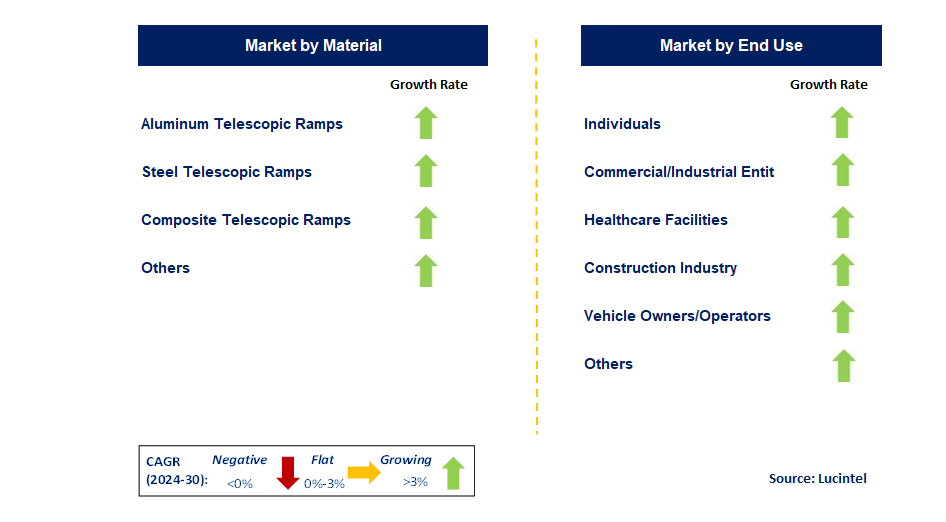
• Lucintel forecasts that, within the material category, aluminum telescopic ramps will remain the largest segment over the forecast period.
• In terms of regions, North America will remain the largest region over the forecast period due to the increased awareness of the necessity of accessibility for individuals with disabilities, rising popularity of RVs, and growing demand for telescopic ramps in commercial vehicles. Gain valuable insight for your business decisions with our comprehensive 150+ page report
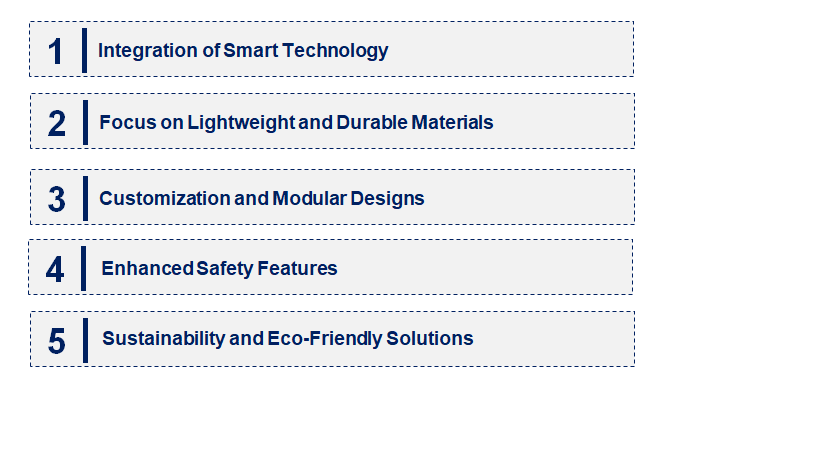
• Integration of Smart Technology: Telescopic ramps are increasingly incorporating smart technology such as IoT sensors and automation systems. These advancements enable real-time monitoring and diagnostics, improving operational efficiency and safety. Smart ramps can provide data on usage patterns, maintenance needs, and potential issues, allowing for proactive management and minimizing downtime. This trend reflects a broader movement toward digitalization and smart solutions in industrial equipment, enhancing the functionality and reliability of telescopic ramps across various applications.
• Focus on Lightweight and Durable Materials: There is a growing emphasis on using lightweight yet durable materials such as aluminum alloys and composite materials in telescopic ramp construction. These materials reduce the overall weight of the ramps, making them easier to handle and install while maintaining strength and durability. The use of advanced materials also contributes to the ramps' resistance to wear and environmental conditions, extending their lifespan and reducing maintenance costs. This trend supports the need for portable and robust solutions in diverse operational environments.
• Customization and Modular Designs: Customizable and modular telescopic ramps are gaining popularity as they offer flexibility to meet specific operational requirements. Modular designs allow for adjustments in length, width, and capacity, accommodating various loading and unloading scenarios. Customization options enable users to tailor ramps to their unique needs, whether for specific types of vehicles or particular environmental conditions. This trend caters to industries requiring adaptable solutions and reflects the market's response to the demand for versatile and user-specific ramp systems.
• Enhanced Safety Features: Safety remains a top priority in the development of telescopic ramps, leading to the integration of advanced safety features. Innovations include automatic locking mechanisms, anti-slip surfaces, and integrated lighting systems to ensure secure operation. These features enhance user safety during loading and unloading processes by preventing accidents and improving visibility. The emphasis on safety aligns with stricter regulatory standards and the growing awareness of workplace safety, driving the adoption of ramps with comprehensive safety enhancements.
• Sustainability and Eco-Friendly Solutions: The trend toward sustainability is influencing the telescopic ramp market, with a focus on eco-friendly materials and manufacturing processes. Manufacturers are increasingly adopting sustainable practices, such as using recycled materials and reducing carbon footprints during production. Additionally, energy-efficient designs and long-lasting products contribute to lower environmental impact. This trend reflects a broader industry movement toward greener solutions and responds to growing concerns about environmental responsibility and sustainability in industrial equipment. The telescopic ramp market is experiencing significant advancements driven by smart technology, lightweight materials, customization, enhanced safety, and sustainability. These trends reflect the industry's adaptation to evolving demands and technological innovations, contributing to more efficient, flexible, and environmentally responsible solutions. As the market continues to grow, these emerging trends will play a crucial role in shaping the future of telescopic ramps, addressing diverse needs across various sectors and applications.
• Adoption of Advanced Materials: The use of advanced materials such as aluminum alloys and high-strength composites has become prevalent in the telescopic ramp market. These materials offer a balance of lightweight construction and high durability, improving portability and ease of use. Enhanced strength-to-weight ratios also contribute to the ramps' resistance to wear and environmental conditions, extending their lifespan. Manufacturers are focusing on incorporating these materials to provide robust, long-lasting ramps that meet rigorous performance standards while remaining easy to handle and install.
• Integration of Smart Technology: Smart technology integration is a significant development in telescopic ramps, with the incorporation of IoT sensors, automation systems, and real-time monitoring capabilities. These features enable remote control and diagnostics, allowing for proactive maintenance and operational efficiency. Smart ramps can track usage patterns, detect potential issues, and provide data for performance optimization. This technological advancement enhances safety, reduces downtime, and supports more efficient management of loading and unloading processes, reflecting a broader trend toward digitalization in industrial equipment.
• Enhanced Safety Features: Recent developments in telescopic ramps have prioritized safety enhancements to meet stricter regulatory standards and improve user protection. Innovations include automatic locking mechanisms that secure ramps during use, anti-slip surfaces to prevent accidents, and integrated lighting systems for better visibility. These features address safety concerns and ensure secure operation during loading and unloading activities. The focus on comprehensive safety improvements reflects a growing commitment to workplace safety and compliance with industry standards.
• Modular and Customizable Designs: Modular and customizable designs are gaining traction in the telescopic ramp market, offering flexibility to meet specific application needs. Modular ramps can be adjusted in length, width, and capacity, allowing for tailored solutions that accommodate various loading and unloading scenarios. Customizable options enable users to configure ramps to their unique requirements, whether for specific types of vehicles or environmental conditions. This trend supports the demand for versatile and adaptable solutions in diverse operational environments.
• Emphasis on Sustainability: Sustainability has become a key focus in the development of telescopic ramps, with manufacturers adopting eco-friendly materials and production processes. The use of recycled materials and energy-efficient manufacturing methods helps reduce the environmental impact of ramp production. Additionally, durable and long-lasting designs contribute to sustainability by minimizing the need for frequent replacements. This trend aligns with broader industry movements toward greener solutions and addresses growing environmental concerns among consumers and businesses alike. Recent developments in the telescopic ramp market demonstrate significant advancements in materials, technology, safety, design, and sustainability. These innovations enhance the functionality, adaptability, and environmental responsibility of telescopic ramps, addressing the evolving needs of various industries and public sectors. As the market continues to evolve, these key developments will shape the future of telescopic ramps, driving improvements in performance, efficiency, and user experience.
• Logistics and Warehousing: In logistics and warehousing, telescopic ramps are crucial for improving efficiency during loading and unloading operations. The demand for faster and safer material handling is driving growth in this sector. Opportunities include the development of heavy-duty ramps with enhanced load capacities and automation features to streamline operations. Innovations in modular and adjustable designs also cater to varying truck sizes and loading requirements, offering flexibility and increased efficiency. This growth area is supported by the expansion of e-commerce and the need for optimized supply chain solutions.
• Construction and Heavy Equipment: The construction industry presents significant growth opportunities for telescopic ramps, particularly in handling heavy equipment and materials. Ramps designed to support substantial weights and withstand rugged conditions are in demand. Innovations in high-strength materials and reinforced structures can cater to the heavy-duty needs of construction sites. Additionally, the incorporation of features such as adjustable heights and custom configurations helps accommodate different types of machinery and equipment, enhancing operational efficiency and safety on construction sites.
• Healthcare and Accessibility: In the healthcare sector, telescopic ramps are increasingly used to improve accessibility for patients and medical equipment. Growth opportunities include developing ramps that meet stringent accessibility standards and are easy to deploy in medical facilities. Customizable designs that integrate seamlessly with hospital environments and support various mobility aids enhance patient care and facility functionality. This trend is driven by the rising focus on accessible healthcare services and regulatory requirements aimed at improving accessibility for individuals with disabilities.
• Retail and Public Spaces: Retailers and public spaces are adopting telescopic ramps to enhance accessibility for customers and staff. Growth opportunities include creating ramps that blend with architectural designs and offer easy deployment for temporary or permanent use. Innovations in aesthetics and user-friendly features can improve customer experiences in shopping malls, stores, and public buildings. Additionally, ramps that comply with accessibility regulations and provide ease of use for all individuals are becoming essential in creating inclusive environments in commercial and public spaces.
• Transportation and Automotive: The transportation and automotive sectors present growth opportunities for telescopic ramps designed for vehicle loading and unloading. Opportunities include developing ramps that are compatible with various vehicle types and sizes, from cars to trucks and trailers. Innovations in lightweight materials and foldable designs offer convenience and ease of use. Additionally, ramps with integrated safety features, such as anti-slip surfaces and automatic locking mechanisms, address safety concerns and enhance functionality for vehicle maintenance and loading operations. The telescopic ramp market is poised for growth across multiple applications, driven by advancements in technology and increasing demands for accessibility and efficiency. Strategic opportunities in logistics, construction, healthcare, retail, and transportation highlight the potential for innovative solutions that cater to specific needs. By addressing these growth areas, companies can capitalize on emerging trends and meet the evolving requirements of diverse industries, driving the expansion and evolution of the telescopic ramp market.
• Technological Advancements: Technological advancements play a pivotal role in driving the growth of the telescopic ramp market. Innovations such as automation, IoT integration, and smart technology enhance ramp functionality and operational efficiency. Features like real-time monitoring, remote control, and automated adjustments improve user experience and safety. The incorporation of these technologies aligns with broader trends in digitalization and automation across industries, making telescopic ramps more efficient, adaptable, and capable of meeting diverse operational needs.
• Increased Demand for Accessibility: A growing emphasis on accessibility and inclusivity across various sectors is a major driver for the telescopic ramp market. Organizations are investing in ramps to comply with accessibility regulations and to provide equal access for individuals with disabilities. This trend is particularly evident in public spaces, healthcare facilities, and retail environments. As societal awareness of accessibility issues rises, there is a greater push for solutions that accommodate diverse needs, driving demand for versatile and compliant telescopic ramps.
• Expansion of E-Commerce and Logistics: The rapid expansion of e-commerce and logistics operations significantly impacts the telescopic ramp market. With increasing volumes of goods and the need for efficient loading and unloading processes, there is a growing demand for robust and flexible ramp solutions. Innovations such as heavy-duty ramps and those with modular designs cater to the needs of modern logistics and warehousing. The rise of online shopping and the need for optimized supply chain management drive the demand for advanced ramp systems in these sectors.
• Focus on Safety and Compliance: Enhanced safety features and regulatory compliance are driving growth in the telescopic ramp market. Manufacturers are incorporating advanced safety mechanisms, such as anti-slip surfaces, automatic locking systems, and improved visibility features, to meet stringent safety standards. Compliance with regulatory requirements ensures that ramps are safe and reliable for users, particularly in environments with high safety standards. This focus on safety not only helps meet legal requirements but also boosts market adoption and consumer confidence.
• Customization and Modular Designs: The trend toward customization and modular design in telescopic ramps addresses specific operational needs and increases market appeal. Modular ramps offer flexibility in length, width, and capacity, allowing for tailored solutions that fit various applications. Customizable options enhance the adaptability of ramps for different environments, such as construction sites, retail spaces, and public areas. This trend meets the demand for versatile and user-specific solutions, driving market growth by catering to a wide range of customer requirements. Challenges in the telescopic ramp market include:
• High Initial Costs: The high initial costs associated with telescopic ramps pose a significant challenge. Advanced materials, technology integration, and customization contribute to the overall expense, which can be a barrier for small businesses and budget-conscious organizations. The high upfront investment required for high-quality and durable ramps may limit market access for some potential users. To overcome this challenge, manufacturers may need to explore cost-effective solutions and offer financing options to make ramps more accessible.
• Regulatory Compliance: Navigating regulatory requirements and ensuring compliance can be challenging for telescopic ramp manufacturers and users. Different regions have varying standards and regulations related to accessibility, safety, and operational specifications. Meeting these diverse regulatory requirements involves extensive testing, documentation, and certification processes, which can increase development time and costs. Staying abreast of evolving regulations and ensuring compliance across different markets is essential but can be resource-intensive and complex.
• Maintenance and Durability Issues: Maintenance and durability issues are key challenges in the telescopic ramp market. While telescopic ramps are designed for durability, their complex mechanisms and moving parts may require regular maintenance to ensure optimal performance and safety. Wear and tear from heavy use, environmental factors, and operational stresses can lead to increased maintenance needs and potential downtime. Addressing these issues requires manufacturers to focus on robust design and provide effective support and service options to minimize maintenance challenges. The telescopic ramp market is influenced by various drivers and challenges that impact its growth and development. Technological advancements, increased demand for accessibility, and the expansion of e-commerce and logistics are key drivers, while high costs, regulatory compliance, and maintenance issues represent significant challenges. By understanding and addressing these factors, stakeholders can navigate the market effectively and capitalize on growth opportunities while mitigating potential obstacles.
• Prairie View
• Roll-A-Ramp
• Safepath Products
• PVI Ramps
• Bridjit Curb Ramps
• Homcom
• Titan Ramps
• Bluff
• National Ramp
• Handicare
• Short Telescopic Ramps
• Medium Telescopic Ramps
• Long Telescopic Ramps
• Customizable Lengths
• Aluminum Telescopic Ramps
• Steel Telescopic Ramps
• Composite Telescopic Ramps
• Others
• Wheelchair Accessibility Ramps
• Mobility Scooter Ramps
• Vehicle Loading/Unloading Ramps Industrial Ramps
• Construction Equipment Ramps
• Others
• Individuals
• Commercial/Industrial Entities
• Healthcare Facilities
• Construction Industry
• Vehicle Owners/Operators
• Others
• North America
• Europe
• Asia Pacific
• The Rest of the World
• United States: In the United States, recent developments in the telescopic ramp market focus on integrating advanced materials and automation technologies. Manufacturers are incorporating lightweight, durable materials such as aluminum and carbon fiber to enhance the ramps' strength and portability. Additionally, automation features like remote controls and sensors are becoming more common, allowing for easier operation and increased safety during loading and unloading processes. There is also a growing emphasis on compliance with the Americans with Disabilities Act (ADA) standards, driving innovations in ramp design to ensure accessibility and usability in various environments.
• China: The telescopic ramp market in China is witnessing rapid growth due to the country's expanding industrial and logistics sectors. Recent developments include the adoption of smart technology and enhanced manufacturing processes. Smart telescopic ramps equipped with IoT sensors and real-time monitoring capabilities are being introduced to improve operational efficiency and safety. Additionally, local manufacturers are focusing on increasing production capacity and improving product quality to meet the growing demand from both domestic and international markets. The emphasis on cost-effective solutions and scalability is driving innovation and market expansion across various industrial applications.
• Germany: In Germany, the telescopic ramp market is experiencing advancements driven by a strong focus on engineering precision and sustainability. Recent developments include the use of advanced materials such as high-strength steel and eco-friendly composites to enhance durability and reduce environmental impact. German manufacturers are also incorporating sophisticated safety features, including automatic locking mechanisms and integrated lighting systems, to ensure secure and efficient ramp operation. Additionally, the market is seeing increased demand for customizable solutions tailored to specific industrial and accessibility needs, reflecting Germany's commitment to high-quality and innovative engineering solutions.
• India: The telescopic ramp market in India is evolving with a focus on affordability and functionality. Recent developments highlight the introduction of cost-effective yet robust telescopic ramps designed for diverse applications, including logistics, warehousing, and public infrastructure. Innovations include the use of locally sourced materials and simplified manufacturing processes to reduce costs while maintaining performance standards. Additionally, there is growing interest in ramps that cater to accessibility needs in compliance with Indian regulations. As infrastructure development accelerates, the demand for versatile and reliable telescopic ramps is increasing, prompting advancements in both design and production techniques.
• Japan: In Japan, recent developments in the telescopic ramp market reflect a blend of advanced technology and attention to detail. Innovations include the integration of automation and robotics to enhance ramp functionality and ease of use. Japanese manufacturers are also focusing on compact, space-saving designs that cater to urban environments with limited space. The use of high-quality, durable materials ensures long-lasting performance even in challenging conditions. Additionally, there is a strong emphasis on safety and compliance with local regulations, driving the development of ramps equipped with advanced safety features and adherence to rigorous industry standards.


• Prairie View
• Roll-A-Ramp
• Safepath Products
• PVI Ramps
• Bridjit Curb Ramps
• Homcom
• Titan Ramps
• Bluff
• National Ramp
• Handicare Q6. Which telescopic ramp market segment will be the largest in future? Answer: Lucintel forecasts that aluminum telescopic ramps will remain the largest segment over the forecast period. Q7. In telescopic ramp market, which region is expected to be the largest in next 5 years? Answer: North America will remain the largest region over the forecast period due to the increased awareness of the necessity of accessibility for individuals with disabilities, rising popularity of RVs, and growing demand for telescopic ramps in commercial vehicles. Q.8 Do we receive customization in this report? Answer: Yes, Lucintel provides 10% customization without any additional cost.


Choose a license that fits your team. Instant PDF delivery.
Prices exclude taxes. Instant delivery. Custom licensing available on request.
Market Report · May 18, 2026
Market Report · May 18, 2026
Market Report · May 18, 2026
Trusted partner for strategic intelligence and business growth


Receive a complimentary market analysis tailored to your industry. Our analysts will identify key growth opportunities and competitive dynamics specific to your business.

Market size, growth rate, and key trend analysis for your specific sector.

Top competitor positioning and market share analysis.

Strategic recommendations backed by data-driven insights.
Get curated market intelligence and competitive moves straight to your inbox.
By subscribing, you agree to receive our monthly insights. Unsubscribe anytime.
Receive a complimentary market analysis tailored to your industry. Our analysts will identify key growth opportunities and competitive dynamics specific to your business.
Market size, growth rate, and key trend analysis for your specific sector.
Top competitor positioning and market share analysis.
Strategic recommendations backed by data-driven insights.
Get curated market intelligence, emerging trends, and competitive moves straight to your inbox each month.
By subscribing, you agree to receive our monthly insights. Unsubscribe anytime.
We'll send your sample report shortly.