
Market Report · July 16, 2026

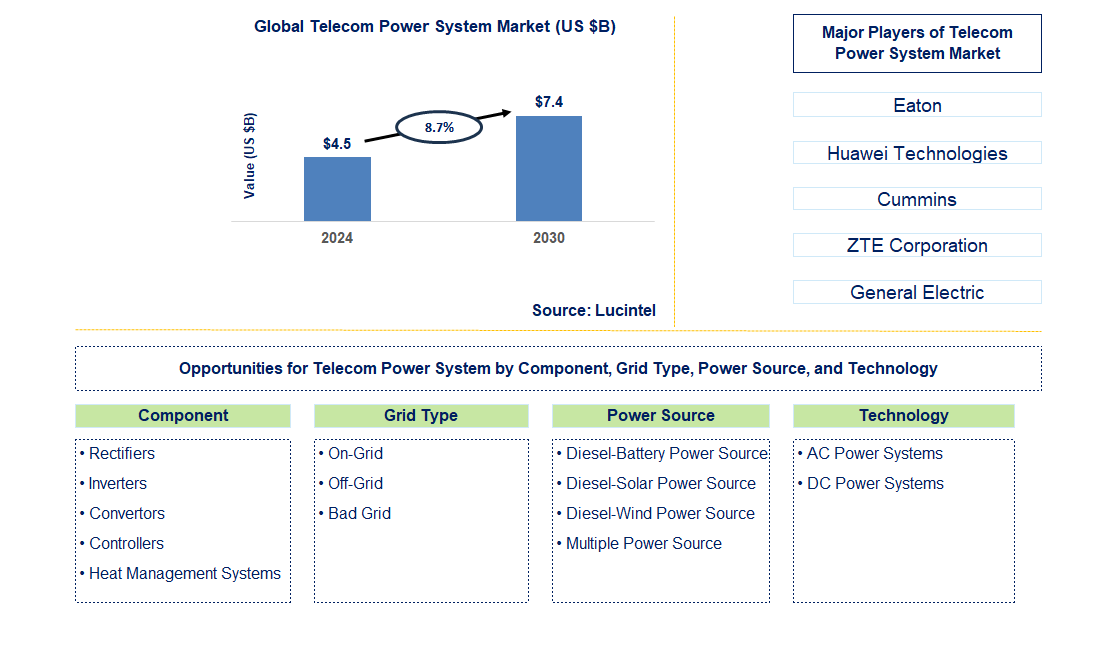
Key data points: The market size in 2030 = $7.4 billion, growth forecast = 8.7% annually next 6 years. Scroll below to get more insights. This market report covers trends, opportunities, and forecast in the global telecom power system market to 2030 by component (rectifiers, inverters, convertors, controllers, heat management systems, and generators), grid type (on-grid, off-grid, and bad grid), power source (diesel-battery power source, diesel-solar power source, diesel-wind power source, and multiple power source), technology (AC power systems and DC power systems), and region (North America, Europe, Asia Pacific, and the Rest of the World)
We'll send your sample report shortly.
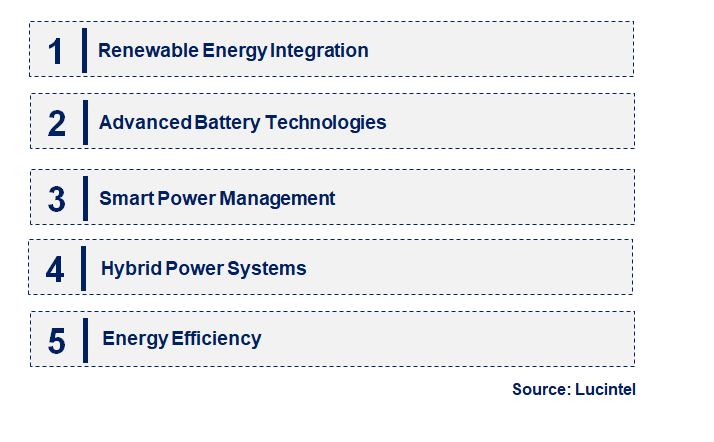
• Renewable Energy Integration: Increasing use of solar, wind, and other renewable energy sources to power telecom infrastructure enhances sustainability.
• Advanced Battery Technologies: Development of high-capacity and long-life batteries improves reliability and reduces maintenance costs.
• Smart Power Management: Integration of smart grid technologies and IoT enables real-time monitoring and optimized power distribution.
• Hybrid Power Systems: Adoption of hybrid systems that combine renewable energy with traditional power sources ensures reliability.
• Energy Efficiency: Focus on energy-saving technologies and power management systems reduces operational costs and carbon footprints.
• Disaster Resilience: Development of robust backup systems and power solutions ensures network reliability during emergencies. Emerging trends in the telecom power system market highlight a move towards renewable energy, advanced battery technologies, and smart power management, driven by the need for sustainability, efficiency, and resilience.
• 5G Infrastructure: Increased investments in power systems support the rollout of 5G networks, focusing on energy efficiency and reliability.
• Renewable Energy Solutions: Expansion of solar and wind power systems reduces reliance on traditional energy sources and lowers operational costs.
• Energy Storage Innovations: Introduction of advanced battery storage solutions and fuel cells enhances backup power capabilities and system resilience.
• Smart Grid Technologies: Integration of smart grid systems and IoT improves power management, monitoring, and efficiency.
• Hybrid Systems: Development of hybrid power solutions combines renewable energy with conventional grids for better performance and reliability.
• Regulatory Compliance: Implementation of power systems meets stringent environmental regulations and sustainability goals. Recent developments in the telecom power system market focus on supporting 5G, adopting renewable energy, and integrating smart technologies, reflecting advancements in energy management and operational efficiency.
• 5G Networks: Growth in 5G infrastructure drives demand for advanced power systems capable of handling increased energy requirements and ensuring reliability.
• Renewable Energy Integration: Opportunities exist in developing hybrid power solutions that combine renewable energy with traditional sources to enhance sustainability.
• Remote and Rural Connectivity: Expansion of power solutions for telecom sites in remote and rural areas leverages solar and hybrid systems for reliable service.
• Energy Storage Solutions: The increasing need for high-capacity battery storage systems supports continuous operation and backup power.
• Smart Grid Implementation: Adoption of smart grid technologies improves power management, efficiency, and real-time monitoring in telecom networks.
• Disaster Recovery: Development of resilient power systems with robust backup solutions ensures network continuity during emergencies. Strategic growth opportunities in the telecom power system market center around 5G networks, renewable energy, and smart technologies, driven by the need for efficiency, sustainability, and resilience.
• 5G Deployment: Increased demand for power systems supports the expansion and operation of 5G networks.
• Renewable Energy: Growing adoption of solar and wind power reduces operational costs and enhances sustainability.
• Energy Efficiency: A focus on energy-efficient technologies and smart power management lowers expenses and carbon footprints.
• Technological Advancements: Innovations in battery storage, smart grids, and hybrid systems drive market growth.
• Regulatory Pressures: Compliance with environmental regulations and sustainability goals promotes the development of advanced power solutions. Challenges in the telecom power system market include:
• High Costs: Significant investment is required for advanced power systems, renewable energy integration, and energy storage solutions.
• Regulatory Complexity: Navigating diverse and stringent regulations across different regions and markets poses challenges.
• Technological Integration: Challenges arise in integrating new technologies with existing telecom infrastructure and systems.
• Supply Chain Issues: Disruptions in the supply chain affect the availability of critical components and materials.
• Economic Fluctuations: Economic downturns impact investment in telecom infrastructure and power systems.
• Maintenance and Reliability: Ensuring consistent performance and reliability of power systems in diverse operational environments is crucial. The telecom power system market is driven by advancements in technology and the need for sustainability but faces challenges related to costs, regulatory complexity, and integration, impacting its growth and development.
• Eaton
• Huawei Technologies
• Cummins
• ZTE Corporation
• General Electric
• Schneider Electric
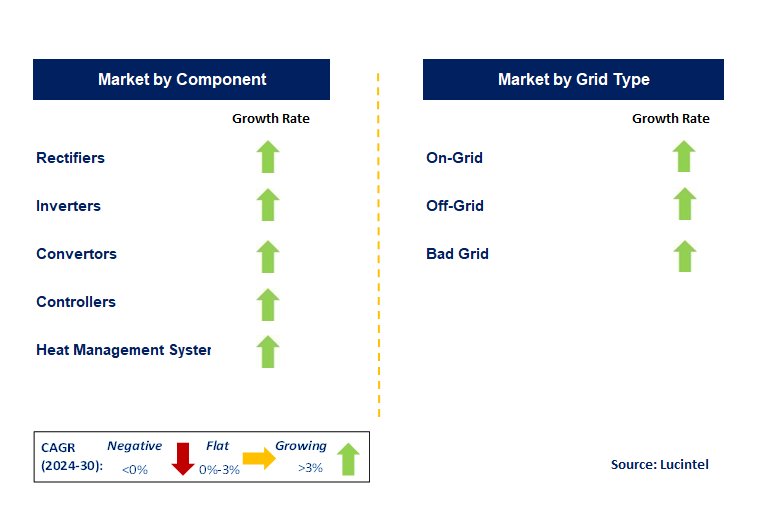
• Rectifiers
• Inverters
• Convertors
• Controllers
• Heat Management Systems
• On-Grid
• Off-Grid
• Bad Grid
• Diesel-Battery Power Source
• Diesel-Solar Power Source
• Diesel-Wind Power Source
• Multiple Power Source
• AC Power Systems
• DC Power Systems
• North America
• Europe
• Asia Pacific
• The Rest of the World
• USA: In the USA, recent developments in the telecom power system market include the rapid adoption of renewable energy sources to power telecom infrastructure. Significant investments are being made in solar and wind energy systems to support network sustainability and reduce operational costs. There is also a growing focus on the integration of advanced battery storage solutions to enhance reliability and energy efficiency. Innovations in power management systems improve energy consumption and reduce downtime. Additionally, the push towards 5G technology drives the need for more robust and efficient power systems to support higher network demands.
• European Union: Europe's telecom power system market is advancing with a strong emphasis on energy efficiency and sustainability. Recent developments include the deployment of advanced power management systems designed to reduce carbon footprints and comply with stringent environmental regulations. European telecom operators increasingly invest in hybrid power systems that combine renewable energy sources with traditional power grids to ensure reliability. The market is also seeing the integration of smart grid technologies that enhance power distribution and monitoring. There is a growing trend towards implementing energy-saving technologies in telecom infrastructure to meet the region’s green energy goals.
• China: In China, the telecom power system market is experiencing rapid growth driven by the country’s large-scale 5G rollout and infrastructure expansion. Recent developments include significant investments in energy-efficient power systems and advanced cooling technologies to manage the increasing energy demands of new telecom networks. China is also focusing on the development of smart power management systems that integrate with IoT and big data analytics for better performance and reliability. The market witnesses advancements in backup power solutions, such as high-capacity batteries and fuel cells, to support uninterrupted telecom operations and enhance system resilience.
• India: India's telecom power system market is evolving with increased emphasis on cost-effective and energy-efficient solutions. Recent developments include the introduction of solar-powered telecom sites to address the challenges of unreliable power supply in remote areas. There is a growing adoption of hybrid power systems that combine renewable energy with traditional power sources to improve reliability and reduce operational costs. The market also sees advancements in battery storage technologies to support telecom infrastructure. Additionally, the Indian government’s push for digitalization and rural connectivity drives demand for robust and scalable power systems in the telecom sector.
• Japan: Japan’s telecom power system market is marked by a focus on technological innovation and disaster resilience. Recent developments include the implementation of advanced power management and backup systems designed to ensure network reliability during natural disasters. Japan invests in cutting-edge energy-efficient technologies and renewable energy sources to support telecom infrastructure. There is also a trend towards integrating smart grid technologies and energy management systems to optimize power consumption. The market sees advancements in high-capacity battery solutions and fuel cells to enhance system performance and support the country’s push towards a more sustainable telecom network.


• Eaton
• Huawei Technologies
• Cummins
• ZTE Corporation
• General Electric
• Schneider Electric Q6. Which telecom power system market segment will be the largest in future? Answer: Lucintel forecasts that diesel-battery power source will remain the largest segment over the forecast period as they are exceptionally dependable and flexible , making them well-suited for remote regions. Q7. In telecom power system market, which region is expected to be the largest in next 5 years? Answer: APAC is expected to witness highest growth over the forecast period due to significant investment in network infrastructures, increasing deployment of 3G and LTE networks, and presence of major telecommunication companies in the region. Q.8 Do we receive customization in this report? Answer: Yes, Lucintel provides 10% customization without any additional cost.


Choose a license that fits your team. Instant PDF delivery.
Prices exclude taxes. Instant delivery. Custom licensing available on request.
Market Report · July 16, 2026
Market Report · May 18, 2026
Market Report · May 18, 2026
Trusted partner for strategic intelligence and business growth


Receive a complimentary market analysis tailored to your industry. Our analysts will identify key growth opportunities and competitive dynamics specific to your business.

Market size, growth rate, and key trend analysis for your specific sector.

Top competitor positioning and market share analysis.

Strategic recommendations backed by data-driven insights.
Get curated market intelligence and competitive moves straight to your inbox.
By subscribing, you agree to receive our monthly insights. Unsubscribe anytime.
Receive a complimentary market analysis tailored to your industry. Our analysts will identify key growth opportunities and competitive dynamics specific to your business.
Market size, growth rate, and key trend analysis for your specific sector.
Top competitor positioning and market share analysis.
Strategic recommendations backed by data-driven insights.
Get curated market intelligence, emerging trends, and competitive moves straight to your inbox each month.
By subscribing, you agree to receive our monthly insights. Unsubscribe anytime.
We'll send your sample report shortly.