
Market Report · July 22, 2026

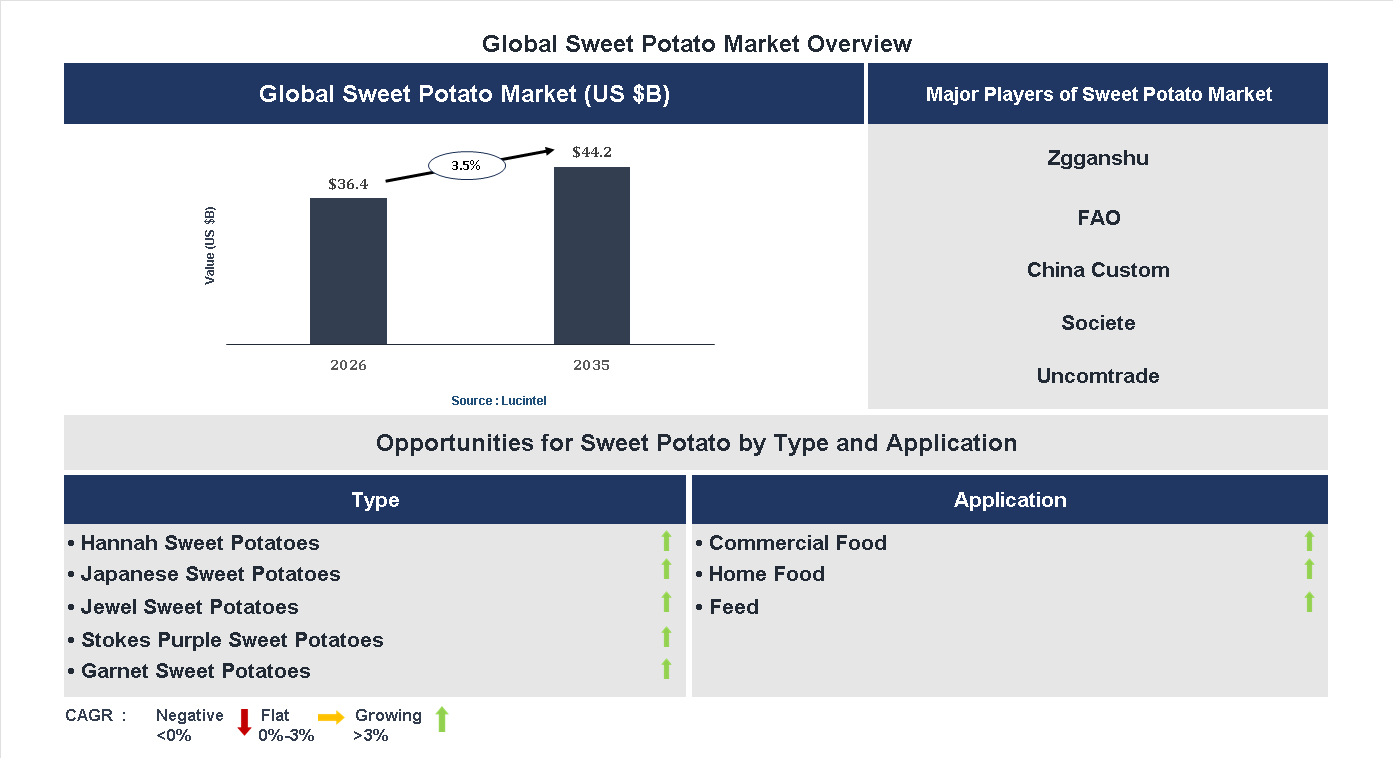
Key data points: The market size in 2035 = $44.2 billion, growth forecast = 3.5% annually for the next 8 years. Scroll below to get more insights. This market report covers trends, opportunities and forecasts in sweet potato market to 2035 by type (hannah sweet potatoes, japanese sweet potatoes, jewel sweet potatoes, stokes purple sweet potatoes, and garnet sweet potatoes), application (commercial food, home food, and feed), and region (North America, Europe, Asia Pacific, and the Rest of the World)
We'll send your sample report shortly.
• Lucintel forecasts that, within the type category, japanese sweet potato is expected to witness the highest growth over the forecast period.
• Within the application category, commercial food is expected to witness the highest growth.
• In terms of region, APAC is expected to witness the highest growth over the forecast period. Gain valuable insights for your business decisions with our comprehensive 150+ page report. Sample figures with some insights are shown below.
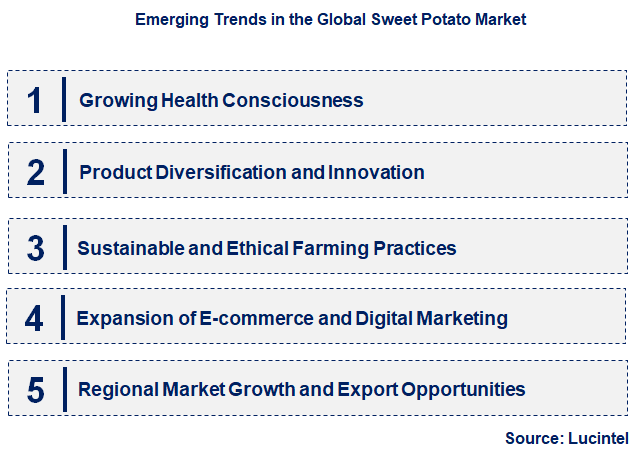
• Growing Health Consciousness: Increasing awareness of health benefits associated with sweet potatoes, such as high fiber, vitamins, and antioxidants, is boosting demand. Consumers are prioritizing nutritious, natural foods, leading to expanded product offerings like organic and non-GMO options. This trend encourages producers to focus on quality, transparency, and health-oriented marketing strategies, ultimately driving market growth and encouraging innovation in product development.
• Product Diversification and Innovation: The market is witnessing a surge in new product formats, including sweet potato chips, flour, snacks, and ready-to-eat meals. This diversification caters to various consumer preferences and lifestyles, expanding the market beyond traditional fresh produce. Innovation in processing techniques and flavor profiles enhances appeal, opening avenues for premium and specialty products that command higher prices and attract niche markets.
• Sustainable and Ethical Farming Practices: Environmental concerns are prompting growers to adopt sustainable practices such as organic farming, water conservation, and reduced pesticide use. Certification schemes and eco-labeling are gaining importance, influencing consumer choices. These practices not only reduce environmental impact but also enhance brand reputation, enabling producers to meet the rising demand for ethically sourced and environmentally friendly products.
• Expansion of E-commerce and Digital Marketing: Online platforms are becoming vital channels for sweet potato sales, especially in urban and remote areas. E-commerce offers convenience, a wider product variety, and direct engagement with consumers. Digital marketing strategies, including social media and influencer collaborations, are increasing brand visibility and consumer loyalty. This trend facilitates market expansion, reduces reliance on traditional retail channels, and enables real-time consumer feedback and customization.
• Regional Market Growth and Export Opportunities: Emerging markets in Asia, Africa, and Latin America are experiencing rapid growth due to increasing urbanization and changing dietary habits. Additionally, export opportunities are expanding as global demand for healthy, plant-based foods rises. Countries are investing in infrastructure and quality standards to meet international requirements, creating new revenue streams and fostering regional economic development. In summary, these trends are collectively reshaping the sweet potato market by enhancing product diversity, emphasizing sustainability, leveraging digital channels, and expanding into new geographic markets. This evolution is fostering a more dynamic, health-focused, and environmentally conscious industry, offering substantial growth opportunities for stakeholders willing to innovate and adapt.
• Growing Consumer Awareness of Health Benefits: The increasing recognition of sweet potatoes nutritional value, including high fiber, vitamins, and antioxidants, is boosting demand. Consumers are seeking healthier alternatives to processed foods, leading to expanded product offerings like snacks, purees, and health supplements. This trend encourages farmers and manufacturers to innovate and promote the health benefits, thereby expanding market reach and consumer base.
• Technological Advancements in Farming: Innovations such as precision agriculture, improved seed varieties, and sustainable farming practices are enhancing yield and quality. These advancements reduce costs and environmental impact, making sweet potatoes more accessible and affordable. Enhanced farming techniques also enable cultivation in diverse climates, broadening geographic availability and supporting market expansion in emerging regions.
• Product Diversification and Innovation: Companies are developing new sweet potato-based products, including snacks, beverages, and functional foods. This diversification caters to evolving consumer preferences for convenience and health. Innovative processing methods preserve nutrients and improve shelf life, increasing product appeal. Such developments are creating new market segments and increasing overall consumption.
• Expansion of Supply Chain Infrastructure: Investments in cold storage, transportation, and processing facilities are improving supply chain efficiency. These enhancements reduce spoilage and ensure product freshness, enabling wider distribution. Improved infrastructure supports export opportunities and market penetration in remote areas, thereby increasing availability and consumer access to sweet potato products globally.
• Rising Demand in Emerging Markets: Growing urbanization and changing dietary habits in developing countries are driving demand for nutritious foods like sweet potatoes. Market players are entering these regions with tailored products and marketing strategies. This expansion offers significant growth potential, diversifies revenue streams, and helps stabilize prices, ultimately strengthening the global sweet potato market. The overall impact of these developments is a robust, expanding market characterized by increased innovation, improved supply chains, and broader consumer acceptance. These factors collectively enhance market competitiveness, stimulate investment, and open new opportunities for growth across regions, ensuring sustained demand and diversification in the sweet potato industry.
• Growing Demand for Healthier Food Options: Increasing consumer focus on health and wellness is boosting demand for nutrient-rich foods like sweet potatoes, known for their high fiber, vitamins, and antioxidants. This trend encourages product innovation, including organic and non-GMO options, and expands applications in functional foods, snacks, and dietary supplements. Market players are investing in marketing campaigns emphasizing health benefits to attract health-conscious consumers and drive sales growth.
• Expansion of Sweet Potato-Based Food and Beverage Products: The versatility of sweet potatoes allows for diverse product development, including chips, fries, purees, and beverages. Rising consumer preference for plant-based and gluten-free products further fuels this opportunity. Manufacturers are innovating with new flavors, formats, and packaging to appeal to different demographics. Strategic collaborations and R&D investments are essential to introduce novel, appealing products that meet evolving taste and convenience demands.
• Increasing Adoption in Functional and Nutraceutical Industries: Sweet potatoes are gaining traction as ingredients in functional foods and nutraceuticals due to their antioxidant properties and nutritional profile. The development of supplements, powders, and fortified foods leveraging sweet potato extracts offers growth potential. This opportunity is driven by the rising trend of preventive healthcare and personalized nutrition, prompting companies to explore new formulations and expand distribution channels in health-focused markets.
• Technological Advancements in Cultivation and Processing: Innovations in agricultural practices, such as precision farming and sustainable cultivation, improve yield quality and reduce environmental impact. Advanced processing technologies enable longer shelf life, better preservation of nutrients, and new product formats. These advancements lower costs, enhance product quality, and open avenues for export expansion. Investment in R&D and technology adoption is crucial for market players to stay competitive and meet increasing demand efficiently.
• Growing Market Penetration in Emerging Economies: Rising disposable incomes, urbanization, and changing dietary habits in developing countries present substantial growth opportunities. Market expansion through local partnerships, distribution networks, and tailored products can capture new customer bases. Addressing supply chain challenges and adapting to regional preferences are vital strategies. This expansion not only increases sales volume but also enhances brand presence and market share in the global sweet potato industry. The overall market outlook is positively influenced by these strategic growth opportunities, fostering innovation, expanding the consumer base, and enhancing sustainability. Stakeholders who capitalize on these trends can achieve competitive advantages, drive revenue growth, and contribute to the sustainable development of the sweet potato industry worldwide.
• Technological Innovations: The adoption of advanced farming techniques, including precision agriculture and improved seed varieties, enhances yield and quality. These innovations reduce costs and increase efficiency, making sweet potatoes more accessible and appealing to consumers. Additionally, innovations in storage and transportation technology help extend shelf life and reduce wastage, facilitating wider distribution. As technology continues to evolve, producers can meet rising demand more effectively, supporting market expansion.
• Growing Health Consciousness: Increasing awareness of the health benefits associated with sweet potatoes, such as high fiber content, antioxidants, and vitamins, is driving consumer demand. This trend is particularly prominent among health-conscious demographics seeking nutritious alternatives to processed foods. The rising popularity of plant-based diets further boosts demand, encouraging producers to expand cultivation and product offerings. This health-driven shift is expected to sustain long-term growth in the market.
• Urbanization and Changing Lifestyles: Rapid urbanization leads to increased demand for convenient, ready-to-eat, and processed sweet potato products. Urban consumers prefer quick, healthy snack options, prompting manufacturers to innovate with new product formats like chips, fries, and instant mixes. The expansion of retail outlets and e-commerce platforms also facilitates easier access to sweet potato products, broadening market reach and consumer base.
• Export Opportunities and Global Trade: The increasing global demand for sweet potatoes presents significant export opportunities for producing countries. Countries with favorable climatic conditions and competitive pricing can tap into international markets, boosting revenue and market size. Trade agreements and tariffs influence export dynamics, and strategic marketing can enhance global competitiveness. This international trade potential is a major driver for market growth.
• Government Support and Agricultural Policies: Supportive policies, subsidies, and initiatives aimed at promoting sustainable agriculture and crop diversification encourage farmers to cultivate sweet potatoes. Government programs focused on improving infrastructure, research, and development further facilitate market growth. Such policies help stabilize supply, reduce production costs, and promote exports, thereby strengthening the overall market landscape. The challenges facing the sweet potato market include:-
• Supply Chain Disruptions: The sweet potato market faces significant supply chain challenges, including logistical issues, transportation delays, and storage problems. These disruptions can lead to spoilage, increased costs, and inconsistent product availability, negatively impacting both producers and consumers. The fragility of supply chains, especially in developing regions, hampers market growth and limits access to international markets.
• Climate Change and Environmental Factors: Climate variability, droughts, and extreme weather events threaten sweet potato cultivation by affecting crop yields and quality. Changes in temperature and rainfall patterns can reduce productivity and increase vulnerability to pests and diseases. These environmental challenges necessitate adaptive farming practices and resilient crop varieties, which may require additional investment and research.
• Regulatory and Trade Barriers: Stringent regulations, food safety standards, and trade restrictions can hinder market expansion. Variations in regulatory frameworks across countries complicate export processes and increase compliance costs. Additionally, phytosanitary measures and tariffs may restrict market access, especially for emerging producers seeking to enter international markets, thereby limiting growth opportunities. In summary, the sweet potato market is shaped by technological advancements, health trends, urbanization, export potential, and supportive policies, which collectively drive growth. However, supply chain issues, climate change impacts, and regulatory barriers pose significant challenges that could hinder progress. The overall market outlook depends on how effectively stakeholders address these challenges while leveraging growth drivers. Strategic innovation, policy support, and sustainable practices will be crucial for sustained expansion and resilience in the evolving sweet potato industry.
• Zgganshu
• FAO
• China Custom
• Societe
• Uncomtrade
• Zauba
• CBP
• NBS
• Tradingeconomics
• Croptrust
• Hannah Sweet Potatoes
• Japanese Sweet Potatoes
• Jewel Sweet Potatoes
• Stokes Purple Sweet Potatoes
• Garnet Sweet Potatoes
• Commercial Food
• Home Food
• Feed
• North America
• Europe
• Asia Pacific
• The Rest of the World
• United States: The U.S. sweet potato market has seen increased demand for organic and non-GMO varieties, driven by health-conscious consumers. Farmers are adopting sustainable farming practices, and new processing technologies are enhancing product shelf life. Retailers are expanding product lines, including sweet potato snacks and frozen products, to cater to diverse consumer preferences. Government programs supporting organic farming and research initiatives are further boosting market growth. Additionally, the rise of e-commerce platforms has facilitated wider distribution and consumer access, contributing to a robust market expansion.
• China: China remains the largest producer and consumer of sweet potatoes, with recent developments focusing on modernization and quality improvement. The government promotes sustainable cultivation techniques and invests in research to enhance yield and disease resistance. There is a growing domestic demand for processed sweet potato products, such as chips and flour, driven by urbanization and changing dietary habits. Local companies are innovating with new product formulations, and export opportunities are expanding due to increasing global interest. The market is also benefiting from initiatives to reduce agricultural waste and promote eco-friendly farming practices.
• Germany: In Germany, the sweet potato market is gaining popularity as a superfood, with consumers seeking healthier alternatives to traditional staples. Retailers are increasing shelf space for sweet potato products, including organic and locally sourced options. The focus on sustainable and ethical sourcing is prominent, with certifications playing a vital role. Foodservice providers are incorporating sweet potatoes into menus, emphasizing their nutritional benefits. Market growth is supported by rising awareness of plant-based diets and gluten-free products. Innovations in packaging and product convenience are further driving consumer interest and market expansion.
• India: The Indian sweet potato market is witnessing rapid growth due to increasing awareness of its nutritional benefits and government initiatives promoting diversification of crops. Smallholder farmers are adopting improved cultivation techniques, leading to higher yields. The demand for processed products like chips, powders, and flour is rising, especially in urban areas. Market players are focusing on value-added products and organic options to cater to health-conscious consumers. Additionally, export opportunities are emerging as global markets seek organic and sustainably farmed sweet potatoes. The sector benefits from government schemes supporting rural development and agricultural innovation.
• Japan: Japans sweet potato market is characterized by a strong cultural affinity for traditional varieties and innovative product applications. Recent developments include the introduction of premium, locally grown sweet potatoes and organic options. The market is driven by health trends, with consumers favoring low-calorie, nutrient-rich foods. Food manufacturers are developing new products such as sweet potato desserts, beverages, and snacks. The government promotes sustainable farming practices, and research institutions are exploring new cultivation methods. The markets growth is also supported by increasing exports to neighboring Asian countries, leveraging Japans reputation for quality produce.


• Zgganshu
• FAO
• China Custom
• Societe
• Uncomtrade
• Zauba
• CBP
• NBS
• Tradingeconomics
• Croptrust Q6. Which sweet potato market segment will be the largest in future? Answer: Lucintel forecasts that, within the type category, japanese sweet potato is expected to witness the highest growth over the forecast period. Q7. In sweet potato market, which region is expected to be the largest in next 5 years? Answer: In terms of region, APAC is expected to witness the highest growth over the forecast period. Q8. Do we receive customization in this report? Answer: Yes, Lucintel provides 10% customization without any additional cost.


Choose a license that fits your team. Instant PDF delivery.
Prices exclude taxes. Instant delivery. Custom licensing available on request.
Market Report · July 22, 2026
Market Report · July 22, 2026
Market Report · July 22, 2026
Trusted partner for strategic intelligence and business growth


Receive a complimentary market analysis tailored to your industry. Our analysts will identify key growth opportunities and competitive dynamics specific to your business.

Market size, growth rate, and key trend analysis for your specific sector.

Top competitor positioning and market share analysis.

Strategic recommendations backed by data-driven insights.
Get curated market intelligence and competitive moves straight to your inbox.
By subscribing, you agree to receive our monthly insights. Unsubscribe anytime.
Receive a complimentary market analysis tailored to your industry. Our analysts will identify key growth opportunities and competitive dynamics specific to your business.
Market size, growth rate, and key trend analysis for your specific sector.
Top competitor positioning and market share analysis.
Strategic recommendations backed by data-driven insights.
Get curated market intelligence, emerging trends, and competitive moves straight to your inbox each month.
By subscribing, you agree to receive our monthly insights. Unsubscribe anytime.
We'll send your sample report shortly.