
Market Report · July 22, 2026

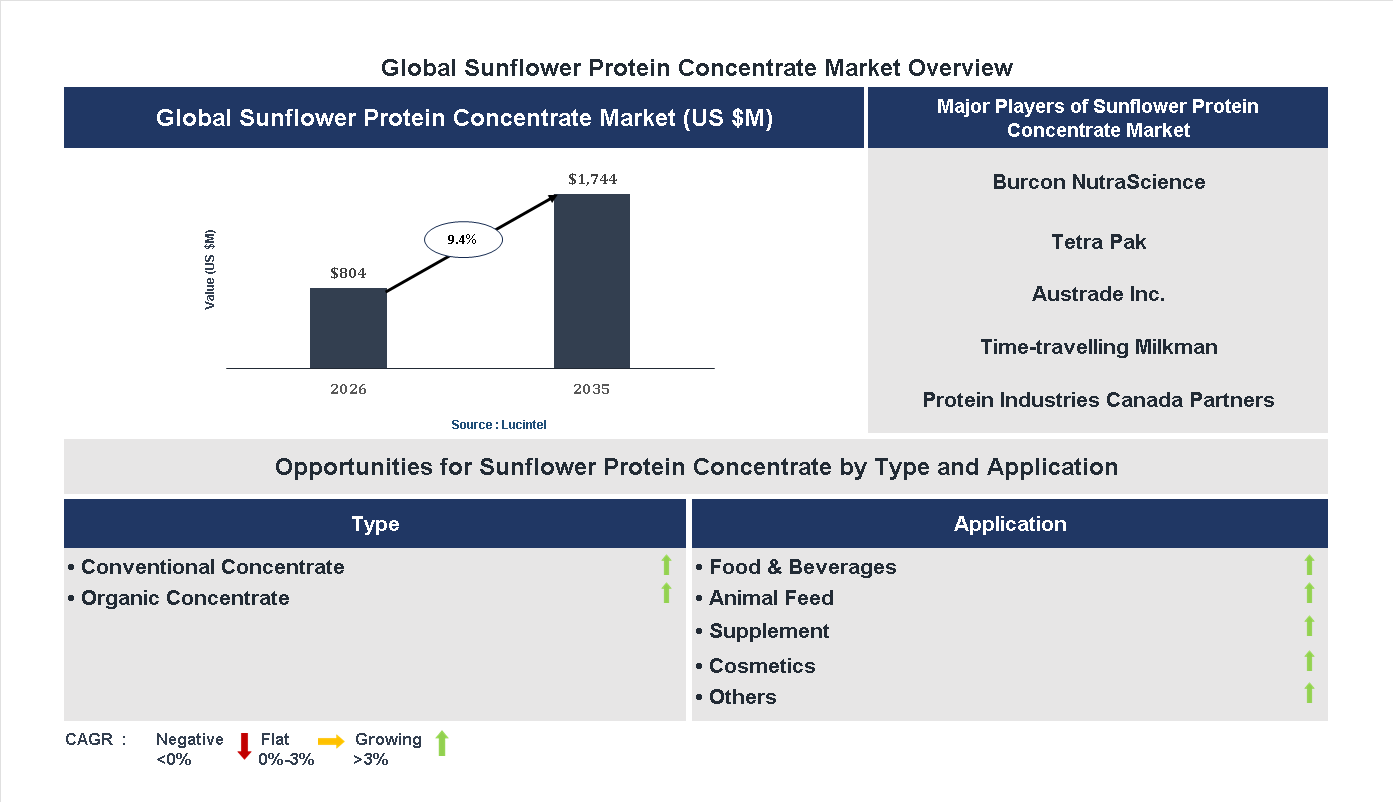
Key data points: The market size in 2035 = $1,744 million, growth forecast = 9.4% annually for the next 8 years. Scroll below to get more insights. This market report covers trends, opportunities and forecasts in sunflower protein concentrate market to 2035 by type (conventional concentrate and organic concentrate), application (food & beverages, animal feed, supplement, cosmetics, and others), and region (North America, Europe, Asia Pacific, and the Rest of the World)
We'll send your sample report shortly.
• Lucintel forecasts that, within the type category, organic concentrate is expected to witness higher growth over the forecast period.
• Within the application category, food & beverage is expected to witness the highest growth.
• In terms of region, APAC is expected to witness the highest growth over the forecast period. Gain valuable insights for your business decisions with our comprehensive 150+ page report. Sample figures with some insights are shown below.
• Growing Demand for Plant-Based Proteins: Consumers are increasingly seeking plant-based protein sources due to health benefits, ethical considerations, and environmental sustainability. Sunflower protein concentrate offers a hypoallergenic, non-GMO, and sustainable alternative to traditional animal proteins and other plant proteins like soy and pea. This trend is driving product innovation and expanding market reach, especially among vegetarians, vegans, and flexitarians. As awareness grows, manufacturers are investing in R&D to improve the taste, texture, and nutritional profile of sunflower protein products, making them more appealing and accessible to a broader consumer base.
• Sustainability and Eco-Friendly Production Methods: Sustainability is a key driver in the sunflower protein market. Producers are adopting eco-friendly extraction and processing techniques that reduce water and energy consumption, minimize waste, and lower carbon footprints. The emphasis on sustainable sourcing of sunflower seeds and transparent supply chains is gaining importance among consumers and regulators. These practices not only enhance brand reputation but also meet the increasing demand for environmentally responsible products. As sustainability becomes a core criterion, companies are innovating to develop greener, more efficient production methods that align with global environmental goals.
• Technological Innovations in Extraction and Processing: Advances in extraction technologies, such as membrane filtration, enzyme-assisted extraction, and cold-pressing, are improving the yield, purity, and functional properties of sunflower protein concentrates. These innovations enable the production of high-quality proteins with better solubility, emulsification, and gelling properties, expanding their application in various food products. Enhanced processing techniques also reduce costs and improve scalability, making sunflower protein more competitive. Continuous R&D efforts are expected to further optimize these technologies, leading to more versatile and cost-effective sunflower protein ingredients for the food industry.
• Expansion of Application Sectors: The versatility of sunflower protein concentrate is opening new application avenues beyond traditional food products. It is increasingly used in sports nutrition, functional foods, bakery items, dairy alternatives, and meat substitutes. The rising demand for clean-label, allergen-free, and high-protein products is fueling this expansion. Additionally, the cosmetic and animal feed sectors are exploring sunflower protein for its beneficial properties. This diversification is broadening the market scope, encouraging innovation, and creating new revenue streams for manufacturers, thereby strengthening the overall market growth.
• Increasing Consumer Awareness and Regulatory Support: Consumer awareness about the health benefits and environmental impact of plant-based proteins is boosting demand. Educational campaigns, social media influence, and product labeling are informing consumers about sunflower protein's advantages. Simultaneously, regulatory bodies are establishing standards and guidelines for plant-based ingredients, ensuring safety and quality. Supportive policies and certifications are fostering consumer confidence and market acceptance. This combination of awareness and regulation is accelerating market penetration, encouraging product development, and facilitating global expansion of sunflower protein concentrate products. These trends are collectively transforming the sunflower protein concentrate market by promoting sustainability, innovation, and consumer-centric product development. They are driving increased adoption across diverse sectors, fostering competitive advantages, and shaping a more sustainable and versatile industry landscape.

• Growing Demand for Plant-Based Proteins: The rising consumer preference for plant-based diets is significantly boosting sunflower protein concentrate adoption. This shift is driven by health concerns, environmental sustainability, and ethical considerations. As a result, food manufacturers are incorporating sunflower protein into a variety of products, including snacks, beverages, and meat alternatives. This trend is expanding market reach and encouraging innovation, ultimately leading to increased production capacity and diversification of product offerings.
• Technological Advancements in Extraction Processes: Innovations in extraction and processing technologies are enhancing the yield, purity, and functionality of sunflower protein concentrates. These advancements reduce production costs and improve product quality, making sunflower protein more competitive with other plant proteins like soy and pea. Improved extraction methods also enable the development of specialized products tailored for specific applications, thereby expanding market opportunities and encouraging new product development.
• Expansion into Food and Beverage Applications: Sunflower protein concentrates are increasingly being integrated into diverse food and beverage products, including dairy alternatives, energy bars, and sports drinks. This expansion is driven by consumer demand for clean-label, allergen-free, and sustainable ingredients. The versatility of sunflower protein allows for functional benefits such as emulsification and foaming, which enhances product texture and stability. This broad application scope is opening new revenue streams and strengthening market presence.
• Rising Use in Animal Feed Industry: The animal feed sector is adopting sunflower protein concentrates as a sustainable and cost-effective protein source. It offers nutritional benefits and aligns with the shift towards plant-based ingredients in livestock diets. The increasing use in poultry, swine, and aquaculture feeds is driven by the need for high-protein, eco-friendly feed options. This trend is expanding the market beyond human consumption, contributing to overall growth and diversification.
• Increasing Focus on Sustainability and Regulatory Compliance: Market players are prioritizing sustainable sourcing and environmentally friendly processing methods to meet regulatory standards and consumer expectations. Certification schemes and eco-labels are gaining importance, influencing product development and marketing strategies. This focus on sustainability not only enhances brand reputation but also opens access to new markets with strict environmental regulations, thereby fostering long-term growth and stability in the sunflower protein concentrate market. These recent developments are significantly impacting the sunflower protein concentrate market by driving innovation, expanding application areas, and emphasizing sustainability. The integration of advanced technologies and growing consumer demand for healthy, eco-friendly products are creating new opportunities for manufacturers. As a result, the market is becoming more competitive, diversified, and aligned with global sustainability goals, ensuring sustained growth and increased market share for key players.
• Growing Demand for Plant-Based Proteins in Food and Beverage Industry: The shift towards vegetarian and vegan diets, along with health-conscious consumers, is boosting demand for plant-based proteins. Sunflower protein concentrate offers a sustainable, allergen-free alternative to traditional animal proteins and soy, making it attractive for various food applications such as snacks, bakery, and dairy substitutes. Increased product innovation and consumer acceptance are expected to drive market growth, with manufacturers expanding their product portfolios to meet evolving dietary preferences.
• Advancements in Extraction Technologies Enhance Yield and Purity: Innovations in extraction and processing methods are improving the efficiency and quality of sunflower protein concentrates. Techniques such as aqueous extraction and membrane filtration enable higher yields with minimal environmental impact. These technological advancements reduce production costs and improve product functionality, making sunflower protein more competitive. As research continues, the development of scalable, eco-friendly extraction processes will further expand market accessibility and application scope.
• Rising Consumer Preference for Sustainable and Allergen-Free Products: Consumers are increasingly seeking sustainable, non-GMO, and allergen-free food options. Sunflower protein concentrate aligns with these preferences due to its plant-based origin, low allergenicity, and environmentally friendly cultivation. This trend encourages food manufacturers to incorporate sunflower protein into their offerings, especially in gluten-free, vegan, and clean-label products. The growing demand for transparency and sustainability in food choices is expected to significantly boost market growth.
• Expansion of Application Areas in Nutritional and Functional Products: Sunflower protein concentrates are gaining popularity in functional foods, sports nutrition, and dietary supplements due to their high protein content and bioavailability. They are used in protein powders, energy bars, and meal replacements. The functional benefits, such as improved digestion and muscle recovery, are attracting health-conscious consumers. As product formulations become more sophisticated, the application scope of sunflower protein is expected to broaden, supporting market expansion across multiple sectors.
• Strategic Collaborations and Investments Drive Market Development: Partnerships between ingredient suppliers, food manufacturers, and research institutions are fostering innovation and expanding distribution channels. Investments in R&D are leading to new product launches and improved processing techniques. Market players are also focusing on geographic expansion to tap into emerging markets. These strategic initiatives will enhance product availability, diversify application options, and accelerate overall market growth, positioning sunflower protein concentrate as a key ingredient in the plant-based protein industry. These growth opportunities collectively are poised to significantly influence the sunflower protein concentrate market by expanding its application base, improving product quality, and aligning with consumer preferences for sustainability and health. Strategic technological advancements, collaborations, and market expansion efforts will likely propel the industry forward, making sunflower protein a vital component in the global plant-based protein landscape. The market’s future appears promising, driven by innovation and increasing demand for clean-label, allergen-free, and sustainable protein sources.
• Technological Advancements: The development of innovative extraction and processing techniques has significantly improved the yield, quality, and functionality of sunflower protein concentrates. These advancements enable manufacturers to produce high-quality, allergen-free, and cost-effective products, meeting consumer demand for plant-based proteins. Enhanced processing methods also allow for better preservation of nutritional content and functional properties, making sunflower protein more competitive with other plant proteins like soy and pea. As technology continues to evolve, the market is expected to see increased product diversification and improved scalability, further fueling growth.
• Rising Consumer Demand for Plant-Based Proteins: Increasing awareness of health benefits associated with plant-based diets, coupled with a shift towards sustainable and environmentally friendly food sources, is driving demand for sunflower protein concentrates. Consumers are seeking clean-label, non-GMO, and allergen-free options, which sunflower protein can provide. The growing popularity of vegan and vegetarian lifestyles, along with flexitarian trends, has expanded the customer base beyond niche markets. This surge in demand encourages manufacturers to innovate and expand product offerings, thereby boosting market growth.
• Economic Growth and Urbanization: Rapid economic development and urbanization in emerging markets have led to increased disposable incomes and changing dietary preferences. Consumers in these regions are more inclined to adopt health-conscious and sustainable food choices, including plant-based proteins. The expansion of retail and foodservice sectors in these areas facilitates wider distribution and availability of sunflower protein products. Economic incentives for sustainable agriculture also promote sunflower cultivation, ensuring a steady supply of raw materials, which supports market stability and growth.
• Regulatory Support and Food Industry Trends: Governments and regulatory bodies are increasingly promoting plant-based diets through policies and initiatives aimed at reducing carbon footprints and promoting health. Food industry trends favor clean-label, natural, and functional ingredients, aligning well with sunflower protein concentrates. Regulatory approvals and standards for plant-based ingredients facilitate market entry and consumer trust. Additionally, certifications related to organic and non-GMO products enhance market appeal, encouraging manufacturers to invest in sunflower protein development. The challenges facing this Market include:
• Supply Chain Constraints: The availability of high-quality sunflower seeds and efficient processing infrastructure remains a challenge. Fluctuations in sunflower crop yields due to weather conditions, pests, and climate change can disrupt raw material supply. Additionally, limited processing capacity and logistical issues in sourcing raw materials can lead to supply shortages, affecting production continuity and pricing stability. These constraints hinder the ability of manufacturers to meet rising demand and may slow market expansion.
• Competition from Other Plant Proteins: The sunflower protein market faces stiff competition from well-established plant protein sources such as soy, pea, and rice. These alternatives often benefit from larger-scale production, lower costs, and extensive consumer familiarity. The dominance of soy in particular, due to its high protein content and versatility, poses a significant challenge for sunflower protein to gain market share. Overcoming consumer preferences and establishing sunflower protein as a preferred choice requires strategic marketing and product innovation.
• Regulatory and Labeling Challenges: Navigating complex regulatory environments across different regions can be difficult. Variations in food safety standards, labeling requirements, and approval processes for plant-based ingredients can delay product launches and increase compliance costs. Moreover, misinformation or lack of awareness about sunflower protein’s benefits may hinder consumer acceptance. Ensuring transparency, obtaining necessary certifications, and educating consumers are critical but resource-intensive efforts that pose ongoing challenges for market players. The sunflower protein concentrate market is driven by technological innovations, rising consumer health and sustainability awareness, economic growth, and supportive regulatory trends. However, supply chain issues, intense competition, and regulatory complexities present notable hurdles. These factors collectively influence the market’s growth potential, requiring stakeholders to adopt strategic approaches to capitalize on emerging opportunities while mitigating risks. Overall, the market is poised for growth, provided that challenges are effectively managed through innovation, supply chain optimization, and regulatory compliance.
• Burcon NutraScience
• Tetra Pak
• Austrade Inc.
• Time-travelling Milkman
• Protein Industries Canada Partners
• ETChem
• Cambridge Commodities Ltd.
• Kramerbräu Saaten und Öle GmbH
• TradIn Organic Agriculture B.V.
• Sunbloom Proteins GmbH
• Conventional Concentrate
• Organic Concentrate
• Food & Beverages
• Animal Feed
• Supplement
• Cosmetics
• Others
• North America
• Europe
• Asia Pacific
• The Rest of the World
• United States: The U.S. market has seen a surge in sunflower protein concentrate adoption, driven by the plant-based food movement and clean-label trends. Major food companies are incorporating sunflower protein into snacks, beverages, and meat alternatives. Innovations in extraction methods have improved product quality and cost efficiency. Regulatory support for plant-based ingredients has further boosted market growth, alongside increased consumer awareness of sustainable protein sources.
• China: China is rapidly expanding its sunflower protein market, fueled by a growing vegetarian population and rising health consciousness. Local manufacturers are investing in advanced processing technologies to improve yield and protein content. The government’s focus on sustainable agriculture and food security has encouraged the development of plant-based proteins, including sunflower concentrates. Market players are also exploring new applications in traditional and innovative food products to meet domestic demand.
• Germany: Germany’s market is characterized by a strong emphasis on organic and clean-label sunflower protein concentrates. The country’s focus on sustainability and food safety has led to increased demand for high-quality, natural ingredients. German companies are investing in research to enhance protein functionality and taste. The adoption of sunflower protein in bakery, dairy, and snack products is rising, supported by consumer preferences for plant-based and allergen-free options.
• India: India’s sunflower protein concentrate market is emerging, with a focus on addressing protein deficiency and promoting vegetarian diets. Local producers are adopting cost-effective extraction techniques to make sunflower protein more accessible. The government’s initiatives to boost sustainable agriculture and plant-based nutrition are encouraging market growth. Additionally, the increasing popularity of plant-based protein in urban areas is driving demand for sunflower concentrates in various food applications.
• Japan: Japan’s market is witnessing steady growth, driven by health-conscious consumers and a preference for natural ingredients. Companies are developing innovative sunflower protein products with improved taste and functionality for use in functional foods and dietary supplements. The focus on reducing reliance on imported soy protein has spurred interest in sunflower protein concentrates. Regulatory support for plant-based ingredients and a strong trend towards clean-label products are further propelling market expansion.


• Burcon NutraScience
• Tetra Pak
• Austrade Inc.
• Time-travelling Milkman
• Protein Industries Canada Partners
• ETChem
• Cambridge Commodities Ltd.
• Kramerbräu Saaten und Öle GmbH
• TradIn Organic Agriculture B.V.
• Sunbloom Proteins GmbH Q6. Which sunflower protein concentrate market segment will be the largest in future? Answer: Lucintel forecasts that, within the type category, organic concentrate is expected to witness higher growth over the forecast period. Q7. In sunflower protein concentrate market, which region is expected to be the largest in next 5 years? Answer: In terms of region, APAC is expected to witness the highest growth over the forecast period. Q8. Do we receive customization in this report? Answer: Yes, Lucintel provides 10% customization without any additional cost.


Choose a license that fits your team. Instant PDF delivery.
Prices exclude taxes. Instant delivery. Custom licensing available on request.
Market Report · July 22, 2026
Market Report · July 22, 2026
Market Report · July 22, 2026
Trusted partner for strategic intelligence and business growth


Receive a complimentary market analysis tailored to your industry. Our analysts will identify key growth opportunities and competitive dynamics specific to your business.

Market size, growth rate, and key trend analysis for your specific sector.

Top competitor positioning and market share analysis.

Strategic recommendations backed by data-driven insights.
Get curated market intelligence and competitive moves straight to your inbox.
By subscribing, you agree to receive our monthly insights. Unsubscribe anytime.
Receive a complimentary market analysis tailored to your industry. Our analysts will identify key growth opportunities and competitive dynamics specific to your business.
Market size, growth rate, and key trend analysis for your specific sector.
Top competitor positioning and market share analysis.
Strategic recommendations backed by data-driven insights.
Get curated market intelligence, emerging trends, and competitive moves straight to your inbox each month.
By subscribing, you agree to receive our monthly insights. Unsubscribe anytime.
We'll send your sample report shortly.