
Market Report · July 22, 2026

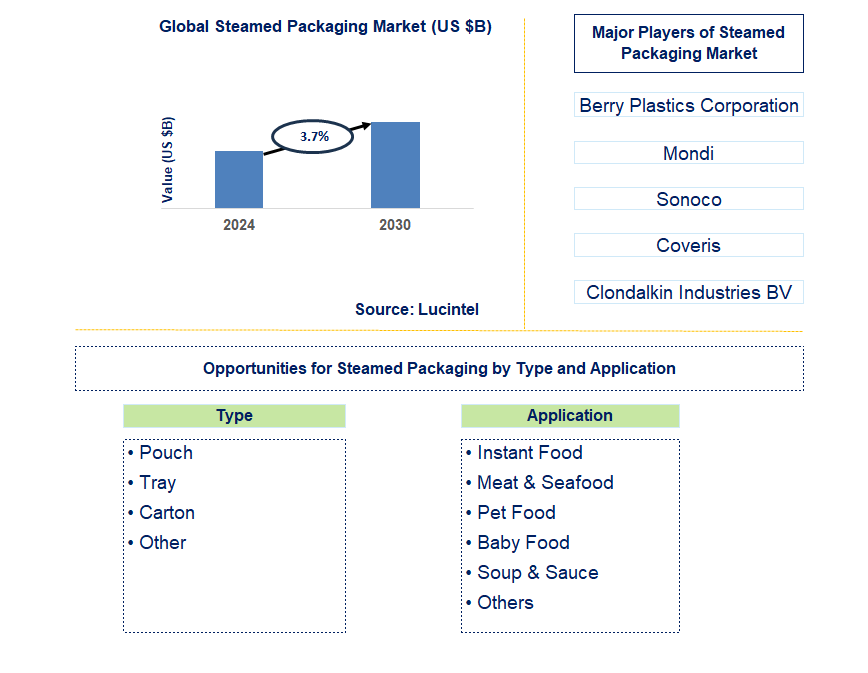
Key data points: The growth forecast = 3.7% annually for the next 6 years. Scroll below to get more insights. This market report covers trends, opportunities, and forecasts in the global steamed packaging market to 2030 by type (pouch, tray, carton, and other), application (instant food, meat & seafood, pet food, baby food, soup & sauce, and others), and region (North America, Europe, Asia Pacific, and the Rest of the World)
We'll send your sample report shortly.
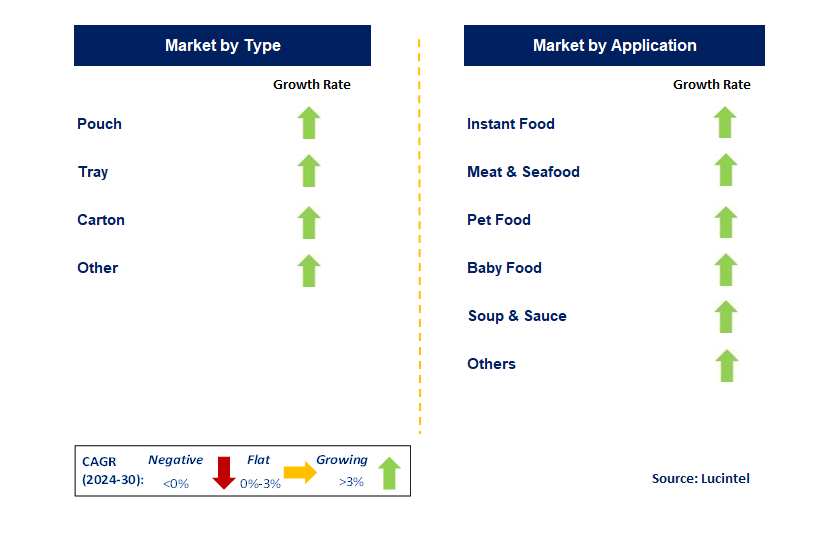
• Lucintel forecasts that, within the type category, pouch is expected to witness the highest growth over the forecast period.
• Within the application category, instant food is expected to witness the highest growth.
• In terms of regions, APAC is expected to witness the highest growth over the forecast period. A more than 150-page report is developed to help in your business decisions.
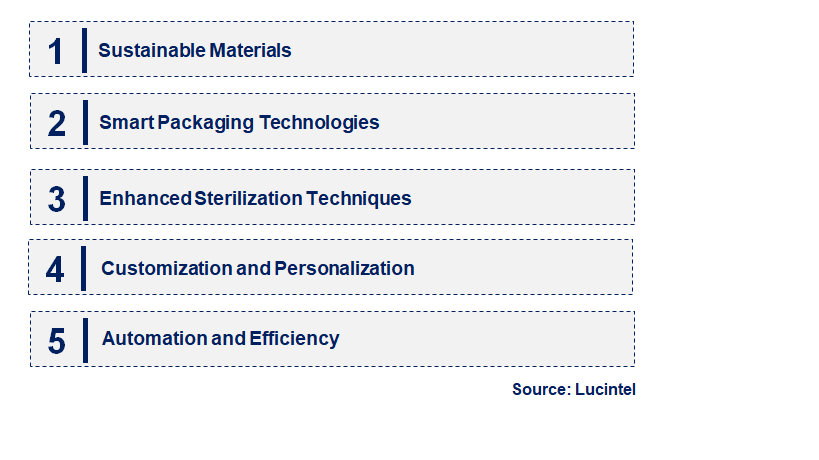
• Sustainable Materials: There is a growing emphasis on using biodegradable and recyclable materials in steamed packaging. Manufacturers are exploring alternatives such as plant-based plastics and compostable films to reduce environmental impact. These materials not only meet regulatory requirements but also cater to the increasing consumer demand for eco-friendly products. The adoption of sustainable materials helps companies align with global environmental goals and enhances brand image.
• Smart Packaging Technologies: The integration of smart technologies, including sensors and QR codes, is transforming steamed packaging. These innovations provide real-time information about product freshness, origin, and safety, enhancing consumer trust and convenience. Smart packaging also allows for better inventory management and traceability, which is particularly valuable in ensuring food safety and reducing waste.
• Enhanced Sterilization Techniques: Advances in sterilization technologies are improving the efficiency and effectiveness of steamed packaging. Techniques such as high-pressure steam and advanced filtration systems are being adopted to ensure higher standards of food safety and longer shelf life. These improvements help maintain food quality and meet stringent regulatory standards.
• Customization and Personalization: There is a trend toward customization and personalization in steamed packaging. Companies are offering tailored packaging solutions that cater to specific consumer preferences and dietary needs. This trend is driven by the desire for unique and convenient food experiences, allowing brands to differentiate themselves in a competitive market.
• Automation and Efficiency: The adoption of automation in packaging processes is enhancing efficiency and consistency. Automated systems for sealing, labeling, and quality control are reducing production costs and improving product uniformity. This trend supports scalability and helps manufacturers meet increasing demand while maintaining high standards of quality. These emerging trends are reshaping the steamed packaging market by driving sustainability, technological innovation, and consumer-centric solutions. Companies that embrace these trends are likely to gain a competitive edge, align with regulatory requirements, and meet evolving consumer expectations. The ongoing advancements are setting new standards for packaging practices and influencing the future direction of the market.
• Introduction of Biodegradable Steam Pouches: The development of biodegradable steam pouches marks a significant advancement in eco-friendly packaging. These pouches are made from materials that break down naturally, reducing environmental impact. By adopting biodegradable pouches, companies are addressing consumer concerns about plastic waste and aligning with sustainability goals. This development reflects a broader industry shift toward more environmentally responsible packaging solutions.
• Integration of Smart Packaging Solutions: Smart packaging solutions, such as those incorporating sensors and digital technology, are becoming more prevalent in the steamed packaging market. These innovations offer benefits like real-time tracking of product freshness and enhanced safety features. They also provide consumers with valuable information about the product, improving transparency and trust. The integration of smart technologies is setting new standards for packaging efficiency and consumer engagement.
• Advancements in Steam Sterilization Technology: Recent advancements in steam sterilization technology are improving the effectiveness and efficiency of food packaging. Techniques such as high-pressure steam and advanced filtration systems are enhancing food safety and extending shelf life. These technological improvements are crucial for meeting stringent food safety regulations and ensuring high-quality products. The advancements are also helping manufacturers optimize production processes and reduce costs.
• Growth of Ready-to-Eat Meal Solutions: The increasing demand for ready-to-eat meal solutions is driving growth in the steamed packaging market. Consumers’ busy lifestyles and preference for convenience are fueling the development of innovative packaging solutions that preserve food quality and extend shelf life. This trend is encouraging companies to invest in packaging technologies that support the delivery of fresh and nutritious meals with minimal preparation.
• Expansion of Regulatory Standards: The expansion of regulatory standards for food safety and packaging is influencing market developments. Governments are implementing stricter regulations to ensure the safety and sustainability of food packaging materials. Companies are adapting to these changes by enhancing their packaging technologies and materials to comply with new standards. This development is promoting higher safety and quality standards across the industry. These recent developments are significantly impacting the steamed packaging market by driving technological innovation, sustainability, and regulatory compliance. The industry is evolving to meet the demands for convenience, quality, and environmental responsibility. Companies that adapt to these changes are likely to succeed in a competitive market and contribute to the advancement of packaging practices.
• Ready-to-Eat Meals: The surge in demand for convenient, ready-to-eat meals presents a substantial growth opportunity for steamed packaging. Consumers' busy lifestyles are driving the need for packaging that ensures food safety and extends shelf life while offering convenience. Innovations in steam packaging technology can help preserve the freshness and nutritional value of these meals, making them more appealing to health-conscious and time-strapped consumers. By focusing on this application, companies can capture a significant share of the growing convenience food market.
• Fresh Produce Preservation: Steamed packaging solutions for fresh produce can significantly extend shelf life and maintain product quality. As consumers increasingly prioritize fresh and organic produce, packaging that uses steam to prevent spoilage and preserve freshness becomes essential. This growth opportunity allows companies to differentiate their products and reduce food waste. Investing in advanced steam packaging technologies can enhance freshness and appeal, meeting the rising consumer demand for high-quality, long-lasting fresh produce.
• Healthcare and Pharmaceuticals: In the healthcare and pharmaceutical sectors, steamed packaging is gaining traction for its ability to maintain sterility and extend the shelf life of medical and pharmaceutical products. Packaging that uses steam to ensure contamination-free environments is critical for product safety and efficacy. This opportunity supports growth by catering to the increasing demand for reliable and high-quality packaging solutions in these sensitive applications, offering companies a chance to expand their portfolio into a high-demand, specialized market.
• Frozen Foods: The frozen foods segment is another key growth area for steamed packaging. As the popularity of frozen meals and snacks grows, there is a demand for packaging solutions that maintain food quality during freezing and reheating. Steam packaging can enhance the preservation of texture and flavor, making it an attractive option for manufacturers. By focusing on this application, companies can capitalize on the expanding frozen foods market and provide innovative solutions that improve consumer satisfaction and product performance.
• Eco-Friendly Packaging: The increasing emphasis on sustainability presents a growth opportunity for eco-friendly steamed packaging solutions. Consumers and regulators are pushing for packaging that reduces environmental impact. Biodegradable and recyclable materials used in steam packaging align with these sustainability goals, offering a competitive edge. Companies that invest in eco-friendly packaging can appeal to environmentally conscious consumers and comply with stricter regulations, driving market growth and enhancing their corporate social responsibility profile. These strategic growth opportunities highlight key areas where steamed packaging can drive market expansion. By focusing on applications such as ready-to-eat meals, fresh produce preservation, healthcare, frozen foods, and eco-friendly packaging, companies can capitalize on emerging trends and consumer demands. Embracing these opportunities allows stakeholders to enhance their market position, innovate their product offerings, and meet evolving consumer needs in a competitive and rapidly changing industry.
• Growing Demand for Convenience Foods: The increasing consumer preference for convenient, ready-to-eat meals is a major driver for the steamed packaging market. Consumers' busy lifestyles create a strong demand for packaging that maintains food quality while offering convenience. Steamed packaging provides a solution by ensuring freshness, extending shelf life, and making food preparation easier. This trend supports market growth by driving innovation in packaging solutions that cater to the convenience food sector.
• Advancements in Packaging Technology: Technological advancements in steam sterilization and packaging materials are driving market growth. Innovations such as high-pressure steam systems and advanced barrier films improve the effectiveness and efficiency of steamed packaging. These technologies enhance food safety, extend shelf life, and reduce production costs. Companies that adopt cutting-edge technologies can stay competitive and meet the evolving demands of consumers and regulatory standards.
• Rising Awareness of Food Safety: Increasing awareness of food safety and quality is fueling the demand for advanced packaging solutions. Steamed packaging offers enhanced protection against contamination and spoilage, aligning with consumers and regulators' emphasis on food safety. This driver encourages companies to invest in packaging solutions that meet stringent safety standards, thus boosting market growth and ensuring consumer trust.
• Environmental Sustainability Initiatives: The push for environmental sustainability is driving the development of eco-friendly steamed packaging solutions. Consumers and regulatory bodies are demanding packaging that reduces environmental impact. Innovations in biodegradable and recyclable materials are meeting these demands, making sustainable packaging a key growth driver. Companies that prioritize sustainability can enhance their market appeal and comply with increasing environmental regulations.
• Expansion of Emerging Markets: The growth of emerging markets, particularly in Asia-Pacific regions, is creating new opportunities for steamed packaging. Rising disposable incomes, urbanization, and changing lifestyles in these regions are increasing the demand for convenient and high-quality food products. Companies that expand their presence in these markets can leverage the growing consumer base and capitalize on new growth opportunities. Challenges in the steamed packaging market are:
• High Cost of Advanced Technologies: The high cost associated with advanced steam sterilization and packaging technologies can be a barrier for some companies. Investing in state-of-the-art equipment and materials requires significant capital, which may be challenging for smaller firms. This challenge impacts profitability and can limit market entry for new players. Companies must balance technological investments with cost considerations to remain competitive.
• Regulatory Compliance: Stricter regulatory standards for food safety and packaging materials can pose challenges for companies. Adhering to varying regulations across different regions requires significant resources and can complicate market entry and product development. Companies must navigate complex regulatory landscapes and invest in compliance efforts to avoid legal issues and maintain market access.
• Consumer Resistance to Change: Consumer resistance to new packaging technologies or changes can impact market adoption. Some consumers may prefer traditional packaging methods or be skeptical of new technologies. Overcoming this resistance requires effective communication and education about the benefits of new packaging solutions. Companies need to address consumer concerns and demonstrate the value of innovations to drive acceptance and growth. The major drivers and challenges impacting the steamed packaging market shape its dynamics and growth potential. Factors such as the demand for convenience foods, technological advancements, food safety awareness, sustainability initiatives, and emerging markets are driving market expansion. However, challenges like high technology costs, regulatory compliance, and consumer resistance must be managed effectively. Understanding these factors allows stakeholders to develop strategies that capitalize on opportunities while addressing potential obstacles, ensuring successful market navigation and growth.
• Berry Plastics Corporation
• Mondi
• Sonoco
• Coveris
• Clondalkin Industries BV
• Sealed Sir Corporation
• ProAmpac
• Pouch
• Tray
• Carton
• Other
• Instant Food
• Meat & Seafood
• Pet Food
• Baby Food
• Soup & Sauce
• Others
• North America
• Europe
• Asia Pacific
• The Rest of the World
• United States: The U.S. market for steamed packaging has seen a surge in demand for eco-friendly and sustainable packaging options. Advances in biodegradable materials and improved steam sterilization technologies are leading the way. Major food brands are increasingly adopting these solutions to meet consumer demand for convenience and environmental responsibility. Innovations such as compostable steam pouches and enhanced barrier properties to preserve food quality are driving growth. Additionally, regulatory bodies are pushing for stricter standards to ensure safety and sustainability in packaging practices.
• China: In China, the steamed packaging market is expanding rapidly due to urbanization and a rising middle class that demands convenient food options. There is a growing interest in smart packaging technologies, including sensors and QR codes that provide information about freshness and origin. The government is also implementing stricter regulations on food safety, which is driving advancements in sterilization processes and material quality. Local manufacturers are increasingly focusing on developing cost-effective and efficient steamed packaging solutions to cater to the large and diverse consumer base.
• Germany: Germany is at the forefront of incorporating sustainable practices in the steamed packaging market. Innovations such as recyclable and reusable steam bags are becoming popular, driven by the country’s strong emphasis on environmental conservation. German companies are investing in research and development to enhance the efficiency of steam sterilization techniques and reduce the carbon footprint of packaging materials. There is also a growing trend towards using organic and non-toxic materials, aligning with Germany’s broader sustainability goals and consumer preferences for greener products.
• India: In India, the steamed packaging market is evolving with a focus on affordability and scalability. The demand for ready-to-eat and easy-to-cook meals is increasing, spurring growth in this sector. Local manufacturers are developing cost-effective steam packaging solutions to cater to the price-sensitive market. Additionally, there is an emphasis on improving packaging durability and shelf life, given the diverse climatic conditions across the country. Government initiatives to enhance food safety standards are also driving advancements in packaging technology and quality.
• Japan: The Japan steamed packaging market is characterized by high-tech innovations and a focus on precision. The adoption of advanced steam sterilization techniques and smart packaging is prevalent. Japanese companies are integrating technologies such as temperature-controlled steam and automated sealing systems to ensure optimal food preservation. The market also reflects a strong consumer preference for premium, high-quality packaging solutions that enhance the eating experience. There is a significant emphasis on both functionality and aesthetics in packaging design, driven by Japan’s high standards and consumer expectations.


• Berry Plastics Corporation
• Mondi
• Sonoco
• Coveris
• Clondalkin Industries BV
• Sealed Sir Corporation
• ProAmpac Q5. Which steamed packaging market segment will be the largest in future? Answer: Lucintel forecasts that pouch is expected to witness the highest growth over the forecast period. Q6. In steamed packaging market, which region is expected to be the largest in next 5 years? Answer: APAC is expected to witness highest growth over the forecast period. Q.7 Do we receive customization in this report? Answer: Yes, Lucintel provides 10% customization without any additional cost.


Choose a license that fits your team. Instant PDF delivery.
Prices exclude taxes. Instant delivery. Custom licensing available on request.
Market Report · July 22, 2026
Market Report · July 16, 2026
Market Report · May 18, 2026
Trusted partner for strategic intelligence and business growth


Receive a complimentary market analysis tailored to your industry. Our analysts will identify key growth opportunities and competitive dynamics specific to your business.

Market size, growth rate, and key trend analysis for your specific sector.

Top competitor positioning and market share analysis.

Strategic recommendations backed by data-driven insights.
Get curated market intelligence and competitive moves straight to your inbox.
By subscribing, you agree to receive our monthly insights. Unsubscribe anytime.
Receive a complimentary market analysis tailored to your industry. Our analysts will identify key growth opportunities and competitive dynamics specific to your business.
Market size, growth rate, and key trend analysis for your specific sector.
Top competitor positioning and market share analysis.
Strategic recommendations backed by data-driven insights.
Get curated market intelligence, emerging trends, and competitive moves straight to your inbox each month.
By subscribing, you agree to receive our monthly insights. Unsubscribe anytime.
We'll send your sample report shortly.