
Market Report · July 22, 2026

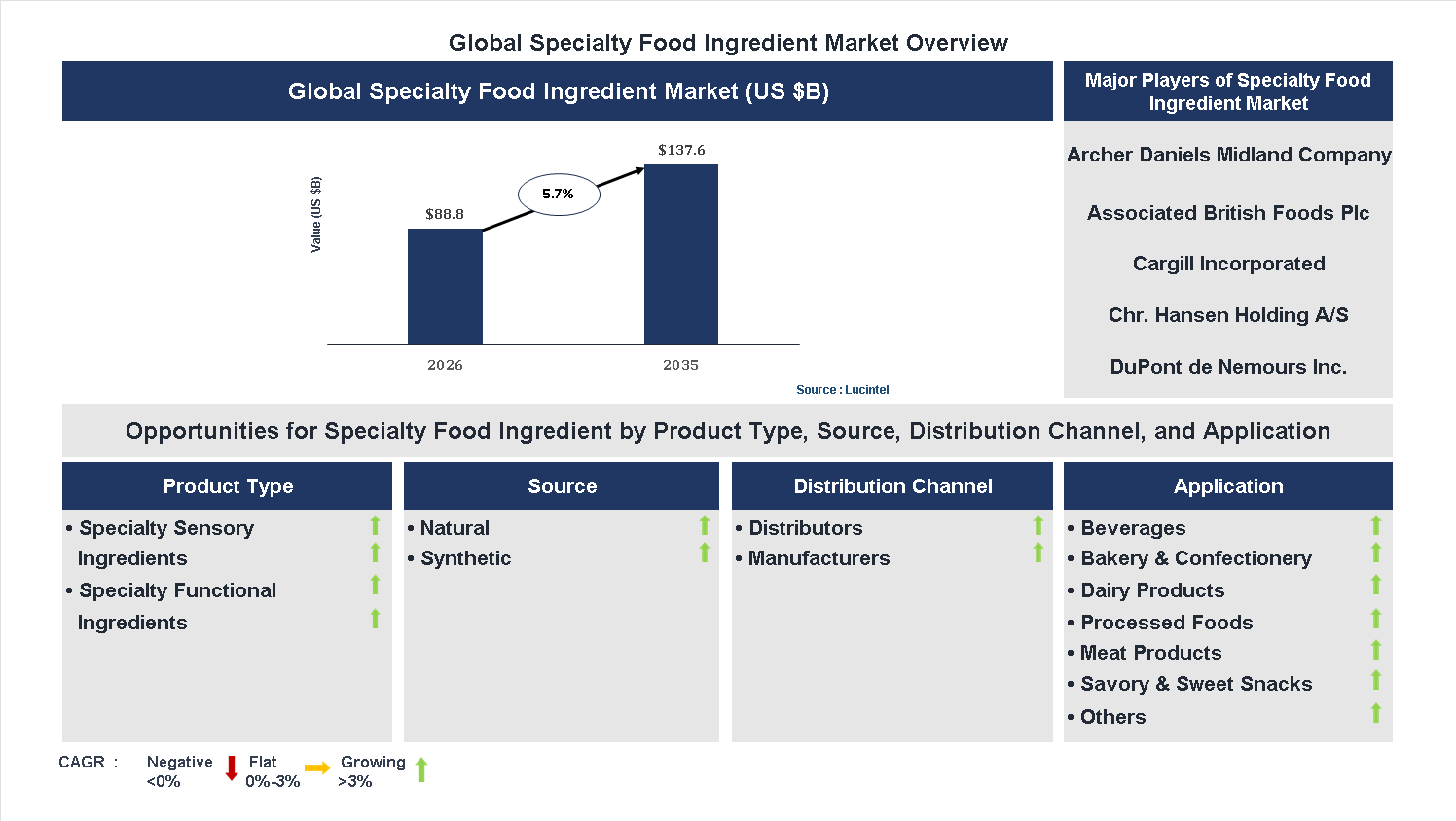
Key data points: The market size in 2035 = $137 billion, growth forecast = 5.7% annually for the next 8 years. Scroll below to get more insights. This market report covers trends, opportunities and forecasts in specialty food ingredient market to 2035 by product type (specialty sensory ingredients and specialty functional ingredients), source (natural and synthetic), distribution channel (distributors and manufacturers), application (beverages, bakery & confectionery, dairy products, processed foods, meat products, savory & sweet snacks, and others), and region (North America, Europe, Asia Pacific, and the Rest of the World)
We'll send your sample report shortly.
• Lucintel forecasts that, within the product type category, specialty sensory ingredient is expected to witness higher growth over the forecast period.
• Within the application category, beverage is expected to witness the highest growth.
• In terms of region, APAC is expected to witness the highest growth over the forecast period. Gain valuable insights for your business decisions with our comprehensive 150+ page report. Sample figures with some insights are shown below.
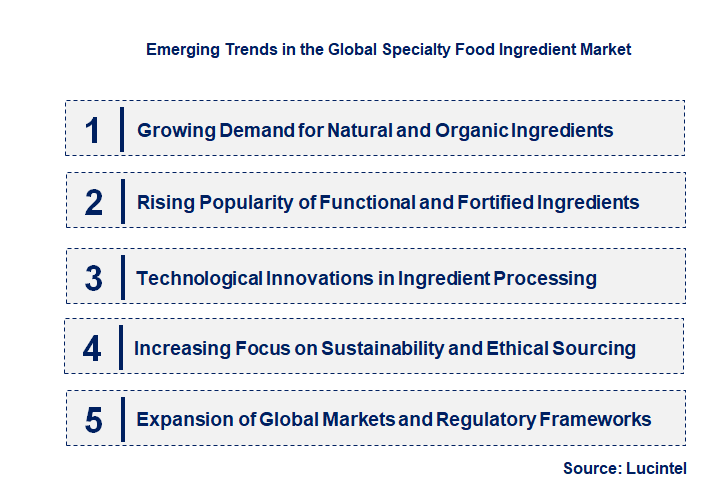
• Growing Demand for Natural and Organic Ingredients: Consumers are increasingly seeking natural, organic, and minimally processed ingredients. This trend is driven by health consciousness, environmental concerns, and a desire for transparency. As a result, companies are investing in sourcing sustainable ingredients and developing clean-label products that meet these consumer expectations. This shift is encouraging innovation in natural flavorings, preservatives, and functional ingredients, ultimately leading to a more health-oriented product portfolio and boosting market growth.
• Rising Popularity of Functional and Fortified Ingredients: There is a significant increase in demand for ingredients that offer health benefits beyond basic nutrition, such as probiotics, antioxidants, and plant-based proteins. These functional ingredients cater to consumers seeking products that support immunity, digestion, and overall wellness. Manufacturers are focusing on developing innovative formulations that incorporate these ingredients, which enhances product differentiation and allows brands to target health-conscious markets. This trend is expanding the scope of specialty ingredients and driving premium product development.
• Technological Innovations in Ingredient Processing: Advances in extraction, encapsulation, and stabilization technologies are transforming the specialty food ingredient landscape. These innovations improve ingredient efficacy, shelf life, and sensory attributes, enabling the development of more sophisticated products. For example, nano-encapsulation enhances bioavailability, while new extraction methods increase yield and purity. These technological developments are reducing costs and environmental impact, making high-quality ingredients more accessible. They also facilitate the creation of novel textures and flavors, broadening product applications and market potential.
• Increasing Focus on Sustainability and Ethical Sourcing: Sustainability is becoming a key factor influencing ingredient sourcing and product development. Consumers prefer brands that demonstrate environmental responsibility and ethical practices. Companies are adopting sustainable farming, fair trade, and eco-friendly processing methods to meet these expectations. This trend is leading to the development of plant-based, biodegradable, and recyclable packaging, as well as transparent supply chains. Emphasizing sustainability not only enhances brand reputation but also aligns with regulatory pressures and consumer values, shaping a more responsible and resilient market.
• Expansion of Global Markets and Regulatory Frameworks: The globalization of the specialty food ingredient market is opening new opportunities in emerging economies. However, it also requires navigating diverse regulatory landscapes. Countries are implementing stricter standards for ingredient safety, labeling, and health claims, which influence product formulation and marketing strategies. Companies are investing in compliance and local partnerships to access these markets. This trend promotes innovation tailored to regional preferences and regulatory requirements, fostering market diversification and growth. It also encourages cross-border collaborations and knowledge sharing, further accelerating industry development. These emerging trends are collectively reshaping the specialty food ingredient market by fostering innovation, emphasizing health and sustainability, and expanding global reach. They are driving product differentiation, enhancing consumer engagement, and creating new growth opportunities. As these trends continue to evolve, stakeholders must adapt strategies to stay competitive and meet the dynamic demands of modern consumers.
• Growing Demand for Natural and Organic Ingredients: The shift towards clean-label and organic products is fueling the demand for natural, minimally processed ingredients. Consumers are increasingly seeking transparency and health benefits, prompting manufacturers to source and develop organic options. This trend enhances product credibility, boosts sales, and encourages innovation in natural ingredient sourcing, ultimately expanding market share for companies that adapt quickly to consumer preferences.
• Technological Innovations in Ingredient Processing: Advances in extraction, encapsulation, and preservation technologies are improving ingredient functionality and shelf life. These innovations enable the development of more effective, stable, and versatile ingredients suitable for various food applications. As a result, manufacturers can offer enhanced product performance, meet diverse consumer needs, and reduce costs, thereby strengthening their competitive edge and expanding market opportunities.
• Rising Focus on Functional and Nutraceutical Ingredients: Consumers are increasingly interested in foods that offer health benefits beyond basic nutrition. This has led to a surge in demand for functional ingredients like probiotics, antioxidants, and plant extracts. The market benefits from innovation in bioactive compounds, which support wellness trends and personalized nutrition. This focus drives product differentiation, opens new revenue streams, and encourages R&D investments in functional food ingredients.
• Impact of Regulatory Changes and Food Safety Standards: Evolving regulations around ingredient safety, labeling, and sustainability are influencing market dynamics. Companies must adapt to stricter standards, which can increase compliance costs but also create opportunities for premium, certified ingredients. Regulatory shifts promote transparency and quality assurance, fostering consumer trust and encouraging industry-wide improvements in sourcing and processing practices.
• Sustainability and Ethical Sourcing Initiatives: Growing environmental concerns are pushing companies to adopt sustainable sourcing and eco-friendly processing methods. This shift enhances brand reputation, meets consumer expectations, and reduces environmental impact. Sustainable practices also open access to new markets and certifications, fostering innovation in biodegradable packaging and plant-based ingredients, ultimately shaping a more responsible and resilient specialty food ingredient industry. The overall impact of these developments is a more innovative, transparent, and consumer-centric market. Companies are better positioned to meet evolving demands for health, sustainability, and quality, leading to increased competition, diversification, and growth opportunities across the specialty food ingredient sector.
• Growing Demand for Natural and Organic Ingredients: The shift towards natural and organic products is significantly impacting the specialty food ingredient market. Consumers are increasingly seeking clean-label, minimally processed ingredients free from artificial additives. This trend encourages manufacturers to develop plant-based, non-GMO, and organic-certified ingredients, which command premium pricing. The demand for natural flavors, colors, and preservatives is rising, creating opportunities for suppliers to innovate and expand their product portfolios to meet consumer expectations for healthier, sustainable options.
• Expansion of Plant-Based and Vegan Food Products: The rising popularity of plant-based diets and vegan lifestyles is fueling demand for specialty ingredients that enhance flavor, texture, and nutritional content. Ingredients such as plant proteins, alternative fats, and natural thickeners are in high demand for developing meat substitutes, dairy alternatives, and snack foods. Companies investing in plant-based ingredient innovation can capitalize on this trend by offering functional, allergen-free, and sustainable options, thereby gaining a competitive edge in the growing vegan food market.
• Innovation in Functional Food Ingredients for Health Benefits: Consumers are increasingly seeking foods with added health benefits, prompting innovation in functional ingredients. These include probiotics, prebiotics, fiber, antioxidants, and adaptogens that support immunity, digestion, and overall wellness. Food manufacturers are integrating these ingredients into everyday products like beverages, cereals, and snacks. Developing scientifically backed, stable, and palatable functional ingredients provides opportunities for brands to differentiate themselves and meet the rising demand for health-oriented foods.
• Rising Use of Specialty Ingredients in Gourmet and Premium Foods: The demand for gourmet and premium food products is expanding, driven by consumers desire for unique flavors and high-quality ingredients. Specialty ingredients such as exotic spices, rare herbs, and artisanal flavorings are increasingly incorporated into premium offerings. This trend allows manufacturers to target niche markets and command higher price points. Investing in sourcing, authenticity, and storytelling around these ingredients enhances brand value and appeals to discerning consumers seeking exclusive culinary experiences.
• Increasing Adoption of Clean Label and Sustainable Ingredients: Sustainability and transparency are key drivers in the specialty food ingredient market. Consumers prefer ingredients that are ethically sourced, environmentally friendly, and minimally processed. This creates opportunities for companies to develop eco-friendly packaging, biodegradable ingredients, and traceable supply chains. Emphasizing clean label credentials and sustainable practices can strengthen brand loyalty, meet regulatory standards, and attract environmentally conscious consumers, ultimately supporting market growth and innovation in sustainable specialty ingredients. The overall market outlook indicates that these growth opportunities will significantly influence innovation, product development, and consumer engagement strategies. Companies that effectively leverage these trends can enhance their market positioning, expand their customer base, and achieve sustainable growth in the competitive specialty food ingredient landscape.
• Technological Advancements: The development of innovative processing techniques and ingredient formulations has enabled manufacturers to create novel, functional, and health-oriented food ingredients. These advancements improve product quality, shelf life, and nutritional profiles, meeting consumer demand for healthier options. Continuous R&D investments foster innovation, allowing companies to introduce unique ingredients that differentiate their products in a competitive market. Moreover, automation and digital technologies streamline production processes, reducing costs and increasing efficiency, which further propels market growth.
• Rising Consumer Health Awareness: Increasing awareness about health and wellness has led consumers to seek functional foods with added health benefits. Ingredients such as probiotics, antioxidants, and plant-based proteins are in high demand. This shift is driven by a growing prevalence of lifestyle-related diseases and a desire for preventive healthcare. As consumers become more informed, they prefer products with natural, clean-label ingredients, prompting manufacturers to incorporate specialty ingredients that cater to these preferences, thereby expanding the market.
• Growing Demand for Natural and Organic Ingredients: Consumers are increasingly favoring natural, organic, and non-GMO ingredients due to concerns over synthetic additives and preservatives. This trend boosts demand for specialty ingredients derived from natural sources such as herbs, botanicals, and superfoods. Food manufacturers are responding by sourcing and developing organic-certified ingredients, which often command premium prices. The shift towards clean-label products enhances market opportunities for suppliers of natural specialty ingredients, aligning with regulatory standards and consumer expectations.
• Expansion of the Food & Beverage Industry: The global food and beverage sectors growth, driven by urbanization, changing lifestyles, and increasing disposable incomes, fuels demand for innovative ingredients. The rise in demand for convenience foods, functional beverages, and plant-based products creates opportunities for specialty ingredients to enhance flavor, texture, and nutritional value. This expansion encourages collaborations between ingredient suppliers and food manufacturers, fostering innovation and broadening the market scope across various product categories. The challenges facing the specialty food ingredient market include:-
• Regulatory Complexities: The market faces stringent and often varying regulations across different regions concerning ingredient safety, labeling, and health claims. Navigating these regulatory frameworks requires significant compliance efforts and costs, which can delay product launches and increase operational expenses. Additionally, evolving standards demand continuous monitoring and adaptation, posing challenges for small and medium-sized enterprises. Non-compliance risks include legal penalties and damage to brand reputation, making regulatory adherence a critical yet complex aspect of market operations.
• Supply Chain Disruptions: The sourcing of raw materials for specialty ingredients often involves complex supply chains susceptible to disruptions caused by geopolitical tensions, climate change, and pandemics. These disruptions can lead to shortages, increased costs, and delays in product development and delivery. Ensuring a stable supply of high-quality raw materials is vital for maintaining product consistency and meeting market demand, but supply chain vulnerabilities pose significant risks to market stability and growth.
• High R&D and Certification Costs: Developing new specialty ingredients requires substantial investment in research and development, testing, and obtaining necessary certifications such as organic or non-GMO labels. These costs can be prohibitive, especially for smaller companies, limiting innovation and market entry. Additionally, lengthy approval processes and certification procedures can delay product launches, impacting competitiveness. The high costs associated with R&D and compliance can restrict market expansion and innovation pace. The specialty food ingredient market is shaped by technological innovations, consumer health trends, and expanding food industries, which collectively drive growth. However, regulatory hurdles, supply chain issues, and high R&D costs present significant challenges. These factors influence market dynamics, requiring stakeholders to adapt strategically. While opportunities for innovation and market expansion are substantial, addressing regulatory and supply chain risks is crucial for sustainable growth. Overall, the markets future depends on balancing these drivers and challenges to meet evolving consumer demands and regulatory standards effectively.
• Archer Daniels Midland Company
• Associated British Foods Plc
• Cargill Incorporated
• Chr. Hansen Holding A/S
• DuPont de Nemours Inc.
• Givaudan
• Ingredion Incorporated
• Kerry Group plc
• Koninklijke DSM N.V.
• Sensient Technologies Corporation
• Specialty Sensory Ingredients
• Specialty Functional Ingredients
• Natural
• Synthetic
• Distributors
• Manufacturers
• Beverages
• Bakery & Confectionery
• Dairy Products
• Processed Foods
• Meat Products
• Savory & Sweet Snacks
• Others
• North America
• Europe
• Asia Pacific
• The Rest of the World
• United States: The US market has seen a surge in plant-based and clean-label ingredients, driven by health trends and consumer preferences for transparency. Innovation in functional foods, such as probiotics and antioxidants, is prominent, with major players investing in R&D. Regulatory agencies are emphasizing safety and labeling standards, influencing product development. The demand for organic and non-GMO ingredients continues to grow, alongside a focus on sustainability and ethical sourcing. E-commerce channels are expanding access to specialty ingredients, boosting market reach and consumer engagement.
• China: China’s specialty food ingredient market is rapidly expanding, fueled by rising disposable incomes and a growing middle class seeking premium and health-oriented products. Traditional ingredients are being reformulated with modern functional benefits, such as immunity-boosting and digestive health. Local manufacturers are investing in R&D to develop innovative, culturally relevant ingredients. Regulatory reforms aim to improve safety standards and quality control, fostering consumer confidence. The market also benefits from increased exports and collaborations with international companies, enhancing technological capabilities and product diversity.
• Germany: Germany’s market emphasizes natural, organic, and sustainable ingredients, aligning with European Union regulations and consumer preferences. There is a strong focus on clean-label and allergen-free products, driven by health awareness and food safety concerns. Innovation in plant-based and gluten-free ingredients is prominent, supported by research institutions and industry collaborations. The country’s strict regulatory environment ensures high-quality standards, fostering trust among consumers. Additionally, Germany is a hub for R&D in functional ingredients, including bioactive compounds and specialty extracts, contributing to the global market.
• India: India’s specialty food ingredient market is experiencing rapid growth due to increasing urbanization, changing lifestyles, and a rising middle class demanding healthier options. Traditional ingredients are being integrated with modern functional benefits, such as immunity and wellness. Local companies are investing in R&D to develop indigenous, cost-effective ingredients tailored to regional tastes. Government initiatives promoting food safety and exports are supporting industry growth. The market is also witnessing a shift towards organic and natural ingredients, with a focus on sustainable sourcing and traditional processing methods to meet global standards.
• Japan: Japan’s market is characterized by a focus on functional and health-promoting ingredients, driven by an aging population seeking wellness solutions. Innovations include probiotics, collagen, and other anti-aging ingredients. The country emphasizes high-quality, scientifically validated ingredients, with strict regulatory oversight ensuring safety and efficacy. There is a strong trend toward natural and minimally processed ingredients, alongside a growing interest in plant-based and allergen-free options. Collaboration between academia and industry accelerates R&D, positioning Japan as a leader in bioactive and specialty extracts for global markets.


• Archer Daniels Midland Company
• Associated British Foods Plc
• Cargill Incorporated
• Chr. Hansen Holding A/S
• DuPont de Nemours Inc.
• Givaudan
• Ingredion Incorporated
• Kerry Group plc
• Koninklijke DSM N.V.
• Sensient Technologies Corporation Q6. Which specialty food ingredient market segment will be the largest in future? Answer: Lucintel forecasts that, within the product type category, specialty sensory ingredient is expected to witness higher growth over the forecast period. Q7. In specialty food ingredient market, which region is expected to be the largest in next 5 years? Answer: In terms of region, APAC is expected to witness the highest growth over the forecast period. Q8. Do we receive customization in this report? Answer: Yes, Lucintel provides 10% customization without any additional cost.


Choose a license that fits your team. Instant PDF delivery.
Prices exclude taxes. Instant delivery. Custom licensing available on request.
Market Report · July 22, 2026
Market Report · July 22, 2026
Market Report · July 22, 2026
Trusted partner for strategic intelligence and business growth


Receive a complimentary market analysis tailored to your industry. Our analysts will identify key growth opportunities and competitive dynamics specific to your business.

Market size, growth rate, and key trend analysis for your specific sector.

Top competitor positioning and market share analysis.

Strategic recommendations backed by data-driven insights.
Get curated market intelligence and competitive moves straight to your inbox.
By subscribing, you agree to receive our monthly insights. Unsubscribe anytime.
Receive a complimentary market analysis tailored to your industry. Our analysts will identify key growth opportunities and competitive dynamics specific to your business.
Market size, growth rate, and key trend analysis for your specific sector.
Top competitor positioning and market share analysis.
Strategic recommendations backed by data-driven insights.
Get curated market intelligence, emerging trends, and competitive moves straight to your inbox each month.
By subscribing, you agree to receive our monthly insights. Unsubscribe anytime.
We'll send your sample report shortly.