
Market Report · July 22, 2026

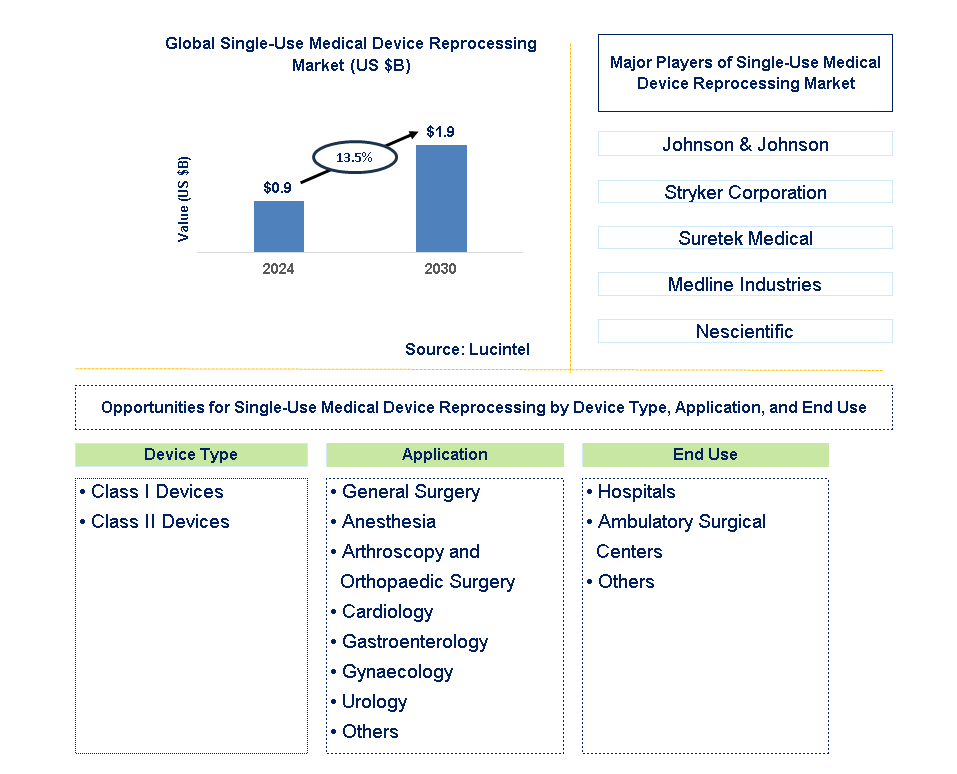
Key data points: The market size in 2030 = $1.9 billion, growth forecasts = 13.5% annually for the next 6 years. Scroll below to get more insights. This market report covers trends, opportunities, and forecasts in the global single-use medical device reprocessing market to 2030 by device type (class I devices and class II devices), application (general surgery, anesthesia, arthroscopy and orthopaedic surgery, cardiology, gastroenterology, gynaecology, urology, and others), end use (hospitals, ambulatory surgical centers, and others), and region (North America, Europe, Asia Pacific, and the Rest of the World)
We'll send your sample report shortly.
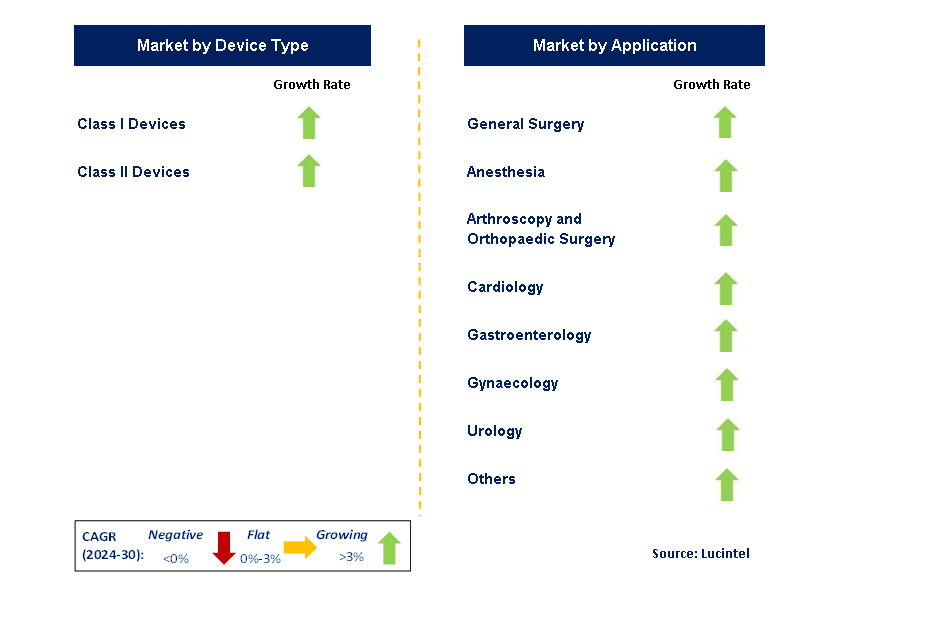
• Lucintel forecast that, within the device type category, class II devices will remain a larger market over the forecast period due to the growing number of cardiac and other intervention procedures and the consequent economic load demand for assessing single-use device reuse owing to the rising cost of instruments.
• Within the application category, general surgery will remain the largest segment due to its increasing adoption in procedures, such as endoscopic tools, laparoscopic instruments, and trocars, which are often costly that drive up healthcare expenditures.
• In terms of regions, North America will remain the largest region over the forecast period due to the rising cost of reusable medical devices and the increasing prevalence of cardiovascular diseases in the region. Gain Valuable insights for your business decisions with our comprehensive 150+ page report.
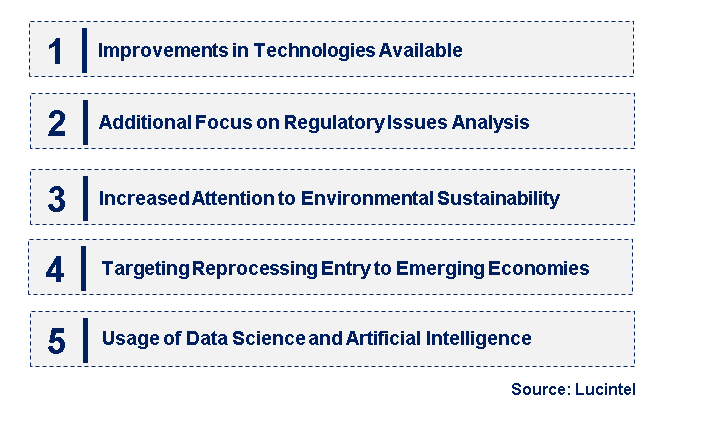
• Improvements in Technologies Available for Reprocessing: Enhancements in the technology used in processing aim to make the process more efficient and effective. For example, innovations have led to the development of more potent sterilization techniques and the installation of automated systems that take over the entire process, ensuring high safety levels. Such technologies help prevent infections and improve efficacy by reducing risks to the devices from the general population, thus maximizing the benefits of reprocessing.
• Additional Focus on Regulatory Issues: National regulatory authorities are becoming increasingly explicit about patient safety by outlining how their devices are to be reprocessed or reused. It is now common to observe that prudent regulations are integrated into the capitalist economy, where companies are made judicious in the use of resources spent on primary research and the provision of quality services. One such change is the additional focus on improving the safety and performance of healthcare products.
• Increased Attention to Environmental Sustainability: The healthcare industry is becoming more concerned about sustainability, driven by the recognition that reprocessing is a contributory component. There is a decrease in medical waste and an increase in green business practices due to the need for reprocessing. This trend supports the pursuit of global sustainability goals and helps hospitals reduce their environmental impact.
• Targeting Reprocessing Entry in Emerging Economies: As efficiency joins the torrential growth of health services in emerging economies, the uptake of reprocessing in these countries is also expected to increase. To establish a foothold in these markets, companies are expanding their presence, setting up local factories, and localizing their products.
• Usage of Data Science and Artificial Intelligence: Enhancing the efficiency and accuracy of reprocessing techniques through the application of data analytics and artificial intelligence is probable. Tools are being developed to monitor and regulate reprocessing cycles, ensuring safety. This trend assists in streamlining processes and minimizing errors caused by human factors. The extensive factors outlined are the new patterns shaping the single-use medical device reprocessing industry. There is a third wave of forces, namely modern technologies, new policies and regulations, as well as environmental concerns that inject new dynamics into the sector. Those altering their habits with respect to these mentioned trends will be the winners in the changing corridors of competition between firms.
• Adoption of Advanced Sterilization Technologies: Innovative technologies for sterilization, such as low-temperature plasma sterilization and enhanced chemical sterilization, are improving the reprocessing of single-use devices. These procedures guarantee greater safety and efficacy, minimizing the chances of contamination and ensuring that reprocessed devices meet required quality standards.
• Expansion of Reprocessing Facilities: There is growing investment by firms in more reprocessing facilities in response to increased demand. New facilities are equipped with modern equipment for processing a higher volume of devices, enhancing reprocessing efficiencies. This growth assists industries in providing more affordable options.
• Implementation of Rigorous Regulatory Frameworks: An increase in restrictions on reprocessed medical devices is being observed from governments and regulatory organizations. These regulations aim to improve safety, ensure compliance, and create confidence in reprocessed devices. Companies are adapting their practices to comply with the increasing requirements and stay competitive in the market.
• Creating Greener Reprocessing Alternatives: There has been an increased effort towards developing greener reprocessing options to align with environmental sustainability policies. Innovations include improved recycling methods and the selection of organic and environmentally friendly materials. Such alternatives contribute to a decrease in medical waste and enhance the sustainability of the healthcare sector.
• Collaboration Between Healthcare Providers and Reprocessors: Collaboration between healthcare providers and reprocessing organizations is a trend gaining traction. The aim of these partnerships is to improve the reprocessing workflow, enhance safety measures, and maximize cost-saving opportunities. Such collaborations are crucial in promoting the uptake of reprocessing in healthcare settings. These developments are driving significant changes in the single-use medical device reprocessing market. Changes have been brought about by technology, improved legislative practices, and a focus on environmental sustainability, which have affected the industry in various ways, creating numerous opportunities for development and innovation.
• Hospitals and Surgical Centers: Reprocessing programs are being adopted at an increasing rate by hospitals and surgical centers to save money and reduce waste. These facilities are often receptive to the use of reprocessed devices due to their emphasis on safety and cost. Reprocessing firms are focusing on these institutions and providing specific solutions that adhere to local regulations and operational requirements.
• Ambulatory Surgical Centers (ASCs): Single-use devices are reprocessed by ASCs, which appreciate the cost savings associated with their tools and the environmental benefits. The rise of ASCs creates a need for reprocessing companies to provide services designed to meet the specific functionalities of these centers. This segment is growing, as more ASCs emerge.
• Diagnostic Imaging Centers: Reprocessing opportunities for single-use devices used in imaging procedures by diagnostic imaging centers are being explored. Such reprocessing would assist these centers in minimizing expenses and enhancing compliance with environmental mandates. There is also a chance to develop specialized reprocessing systems tailored to the needs of imaging equipment.
• Dental Clinics: The reprocessing of single-use devices has gained the attention of more dental clinics due to cost considerations and environmental concerns. This market is also being targeted by reprocessing companies that provide efficient systems for dental instruments and materials, reflecting a broader concern over managing costs in dental care provision.
• Veterinary Clinics: Veterinary clinics are also keen on reprocessing to reduce waste while maintaining profitability. The market for these reprocessed devices in veterinary care is growing as more sustainable economic models emerge. Reprocessing companies are identifying this niche and crafting solutions for use in veterinary practices. Further down the line, the scope within the single-use medical device reprocessing market offers vast growth opportunities. Reprocessing companies are well-positioned to capitalize on these prospects as they adapt to emerging trends and develop solutions that fit within regulatory frameworks.
• Cost Reduction and Economic Efficiency: Healthcare facilities save money through the reprocessing of single-use medical equipment, which extends its shelf life and reduces purchase costs. This economic efficiency is particularly attractive in light of increasing healthcare costs and budget cuts. Many facilities are now embracing reprocessing programs to cut costs and enhance the provision of quality care.
• Technological Advancements in Reprocessing: New reprocessing technologies, such as more efficient sterilization and automation, improve the efficacy and safety of reprocessed devices. Thanks to these improvements in reprocessing techniques, such services are becoming available to more hospitals, driving market growth.
• Environmental Considerations in Healthcare: Single-use devices are being reprocessed to mitigate medical waste, reflecting a growing emphasis on sustainability in the health sector. Reprocessing is a step towards meeting environmental targets for waste reduction and increased recycling. This trend is also becoming common among healthcare providers.
• Institutional Backing and Policies: The adoption of these practices is facilitated by encouraging reprocessing policies and frameworks. Regulatory authorities, including the FDA, have established criteria to ensure that reprocessed devices remain safe and effective. Such regulations inspire confidence and facilitate market development.
• Growing Acceptance in Developing Countries: The adoption of reprocessing is gaining traction in emerging markets due to increased medical expenditures and the need for social responsibility. There is a rising demand for affordable reprocessing options as these countries develop their healthcare systems, presenting new opportunities for market players. Challenges in the single-use medical device reprocessing market include:
• Legal Protection and Risk Management: This presents a significant challenge, as companies that process medical devices must operate within the law. Safety concerns regarding reprocessed devices can hinder market expansion. Companies must develop proper safety and quality control procedures to comply with regulations.
• High Initial Investment Costs: The initial costs of setting up a reprocessing plant and integrating advanced technology can be steep. Such capital investment may pose challenges for smaller healthcare facilities or those in developing countries. These financial challenges need to be addressed for successful strategy implementation and market development.
• Stringency and Variability in Reprocessing Standards: Differences in reprocessing policies across regions and countries can create challenges for multinational companies. Variations in standards and procedures may lead to inadequacies in meeting health and safety regulations. It is critical to develop policies that support global competitiveness across different regulatory environments. Cost-effectiveness, technological innovation, and environmental conservation are some of the factors influencing the single-use medical device reprocessing market and its growth. At the same time, there is a need to address regulatory review and approval processes, initial investment costs, and standards compliance, which can impede progress. It is important to consider these concerns alongside market drivers to successfully enter and profit in the long term.
• Johnson & Johnson
• Stryker Corporation
• Suretek Medical
• Medline Industries
• Nescientific
• Steripro
• Innovative Health
• Renu Medical
• Vanguard
• Class I Devices
• Class II Devices
• General Surgery
• Anesthesia
• Arthroscopy and Orthopaedic Surgery
• Cardiology
• Gastroenterology
• Gynaecology
• Urology
• Others
• Hospitals
• Ambulatory Surgical Centers
• Others
• North America
• Europe
• Asia Pacific
• The Rest of the World
• United States: The technological advancements and political support for SUD reprocessing technologies are evident in the US. The FDA has been continuously revising its guidelines to ensure the safety and effectiveness of reprocessed medical equipment. Cost-effectiveness and environmental considerations have contributed to the increased adoption of reprocessing programs by healthcare facilities. Companies like SterilMed and ReNu Medical, for instance, have diversified their scope of services.
• China: As part of its broader strategy to enhance healthcare efficiency and control costs, China is expanding its reprocessing capacity. New policies have been introduced concerning this development, including laws aimed at improving the safety and quality of reprocessed devices. Increased state funding for technologies that enhance device reprocessing indicates growing awareness of a "green" healthcare system in the country.
• Germany: Germany is at the forefront of green growth practices in the healthcare sector. The country has implemented stringent requirements for the safety of reprocessed devices. Recently, there has been an uptick in the adoption of new sterilization procedures and increased collaboration between healthcare institutions and reprocessing firms. German companies are also directing their efforts toward enhancing the efficiency of their reprocessing systems.
• India: The reprocessing of single-use devices has been growing rapidly in India, driven by rising healthcare costs and a focus on sustainability. Recent advancements include the establishment of new reprocessing centers and the implementation of technologies leading to improved reprocessing outcomes. The Indian government is also discussing regulatory frameworks that make regulations concerning reprocessed medical devices more patient-oriented and standardized.
• Japan: Japan has made strides in the reprocessing market through advancements in technology and regulatory improvements. Recent developments include sophisticated reprocessing and safety strategies for the devices in use. Japanese firms are also at the forefront of introducing new reprocessing methods to satisfy both domestic and international markets.


• Johnson & Johnson
• Stryker Corporation
• SureTek Medical
• Medline Industries
• NEScientific
• SteriPro
• Innovative Health
• ReNu Medical
• Vanguard Q6. Which single-use medical device reprocessing market segment will be the largest in future? Answer: Lucintel forecast that class II devices will remain the larger market over the forecast period due to the growing number of cardiac and other intervention procedures and the consequent economic load demand for assessing single-use device reuse owing to the rising cost of instruments. Q7. In single-use medical device reprocessing market, which region is expected to be the largest in next 5 years? Answer: North America is expected to witness highest growth over the forecast period due to the increasing cost of reusable medical devices and the rising prevalence of cardiovascular diseases in the region. Q.8 Do we receive customization in this report? Answer: Yes, Lucintel provides 10% customization without any additional cost.


Choose a license that fits your team. Instant PDF delivery.
Prices exclude taxes. Instant delivery. Custom licensing available on request.
Market Report · July 22, 2026
Market Report · July 22, 2026
Market Report · July 22, 2026
Trusted partner for strategic intelligence and business growth


Receive a complimentary market analysis tailored to your industry. Our analysts will identify key growth opportunities and competitive dynamics specific to your business.

Market size, growth rate, and key trend analysis for your specific sector.

Top competitor positioning and market share analysis.

Strategic recommendations backed by data-driven insights.
Get curated market intelligence and competitive moves straight to your inbox.
By subscribing, you agree to receive our monthly insights. Unsubscribe anytime.
Receive a complimentary market analysis tailored to your industry. Our analysts will identify key growth opportunities and competitive dynamics specific to your business.
Market size, growth rate, and key trend analysis for your specific sector.
Top competitor positioning and market share analysis.
Strategic recommendations backed by data-driven insights.
Get curated market intelligence, emerging trends, and competitive moves straight to your inbox each month.
By subscribing, you agree to receive our monthly insights. Unsubscribe anytime.
We'll send your sample report shortly.