
Market Report · July 22, 2026

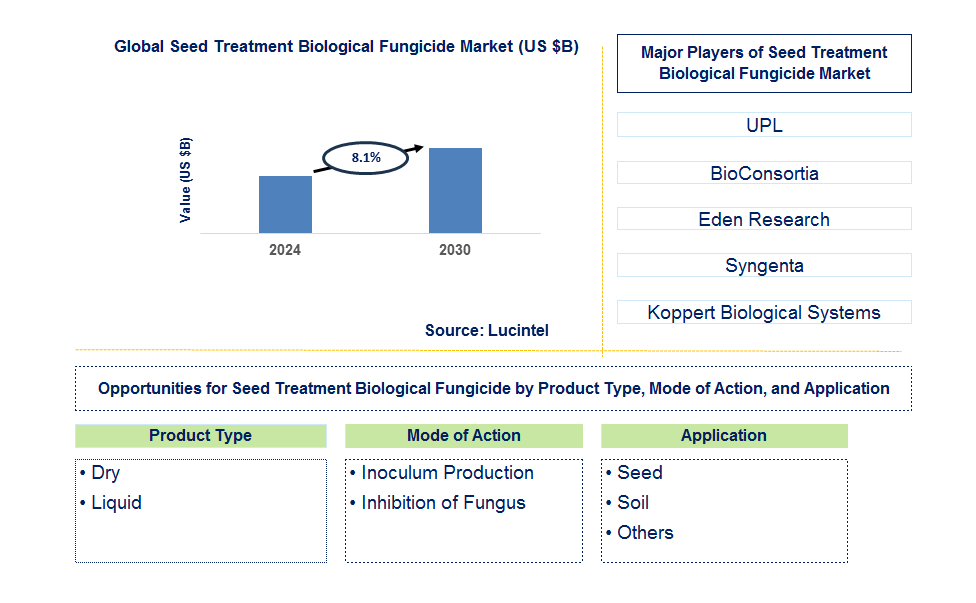
Key data points: The growth forecast = 8.1% annually for the next 6 years. Scroll below to get more insights. This market report covers trends, opportunities, and forecasts in the global seed treatment biological fungicide market to 2030 by product type (dry and liquid), mode of action (inoculum production and inhibition of fungus), application (seed, soil, and others), and region (North America, Europe, Asia Pacific, and the Rest of the World)
We'll send your sample report shortly.
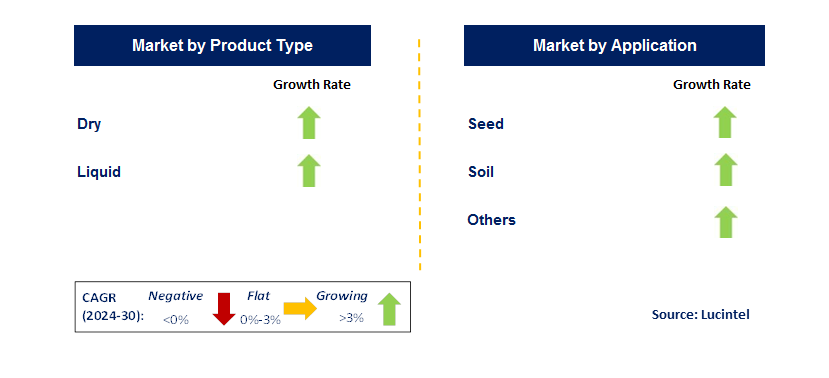
• Lucintel forecasts that, within the type category, dry is expected to witness a higher growth over the forecast period.
• Within the application category, seed is expected to witness a higher growth.
• In terms of regions, APAC is expected to witness the highest growth over the forecast period. A more than 150-page report is developed to help in your business decisions.
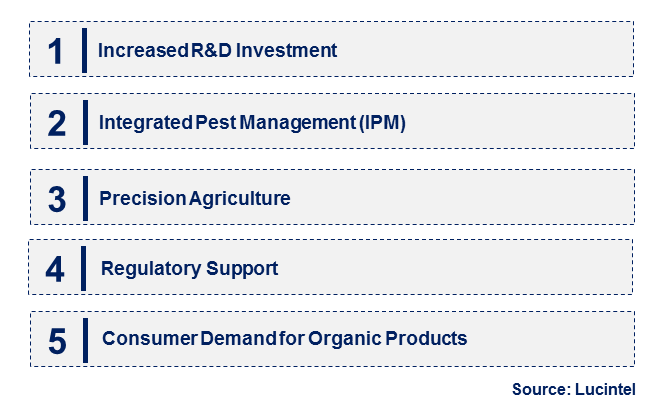
• Increased R&D investment: Growing investment in research and development to create innovative biological formulations that enhance efficacy.
• Integrated Pest Management (IPM): Adoption of biological fungicides as part of broader IPM strategies to improve crop protection.
• Precision agriculture: Integration of precision farming technologies to optimize the application and effectiveness of biological treatments.
• Regulatory support: Favorable government regulations encouraging the use of biological products over synthetic chemicals.
• Consumer demand for organic products: Rising consumer preference for organic produce driving the need for biological fungicides.
• Collaboration and partnerships: Increased collaboration between agricultural companies and research institutions to foster innovation.
• Education and awareness: Growing awareness among farmers regarding the benefits of biological fungicides for sustainable agriculture. These emerging trends are reshaping the seed treatment biological fungicide market, driving innovation and adoption while addressing the needs of modern agriculture.
• Novel formulations: Introduction of innovative biological formulations that enhance crop resilience against diseases.
• Advanced microbial technologies: Development of new microbial strains that improve the effectiveness of biological fungicides.
• Increased efficacy: Research focused on enhancing the efficacy of existing biological products through better formulation techniques.
• Market growth: Significant growth in demand for biological fungicides among organic and conventional farmers alike.
• Regulatory approvals: Streamlined processes for obtaining regulatory approvals for biological products, encouraging market entry.
• Awareness campaigns: Initiatives aimed at educating farmers about the benefits and applications of biological fungicides.
• Sustainability initiatives: Greater emphasis on sustainable practices in agriculture leading to increased adoption of biological products. These recent developments highlight the seed treatment biological fungicide market's adaptability to changing agricultural practices, emphasizing sustainability and innovation.
• Crop protection: Growing need for effective disease management solutions in high-value crops such as fruits and vegetables.
• Organic farming: Increased adoption of organic farming practices driving demand for certified biological fungicides.
• Global food security: Rising global food demand necessitating sustainable crop protection solutions to enhance yield.
• Emerging markets: Expansion opportunities in developing regions where sustainable practices are gaining traction.
• Customized solutions: Demand for tailored biological fungicides that address specific local pathogen challenges.
• Research collaborations: Opportunities for partnerships between agricultural firms and research institutions to drive innovation.
• Sustainable practices: Aligning product development with sustainability goals to meet consumer expectations and regulatory standards. By leveraging these strategic growth opportunities, companies can enhance their market presence and meet the evolving needs of the agricultural sector within the seed treatment biological fungicide market.
• Sustainability trends: Growing consumer preference for sustainable agricultural practices driving demand for biological products.
• Regulatory support: Favorable regulations encouraging the adoption of biological fungicides over synthetic alternatives.
• Increased awareness: Rising awareness among farmers about the benefits of biological treatments for crop health.
• Technological advancements: Innovations in formulation and delivery methods enhancing the effectiveness of biological fungicides. Challenges in the seed treatment biological fungicide market are:
• Market competition: Intense competition from synthetic fungicides can hinder market penetration of biological products.
• Efficacy concerns: Some farmers remain skeptical about the effectiveness of biological solutions compared to traditional chemicals.
• Cost constraints: Higher production costs for biological fungicides may deter widespread adoption among price-sensitive farmers.
• Limited shelf life: Biological products often have shorter shelf lives, posing challenges for storage and distribution. While the seed treatment biological fungicide market faces several challenges, the underlying drivers present significant opportunities for growth and innovation, paving the way for sustainable agricultural practices.
• UPL
• BioConsortia
• Eden Research
• Syngenta
• Koppert Biological Systems
• BASF
• Bioworks
• Bayer
• North American Bioscience
• OMS Bios
• Dry
• Liquid
• Inoculum Production
• Inhibition of Fungus
• Seed
• Soil
• Others
• North America
• Europe
• Asia Pacific
• The Rest of the World
• USA: The USA has seen significant growth in the seed treatment biological fungicide market, driven by an increasing demand for sustainable agricultural practices. Recent developments include the introduction of innovative biological formulations that enhance crop resilience against diseases while promoting soil health. Major agricultural companies are investing in R&D to develop advanced microbial-based products that target specific pathogens. The adoption of precision agriculture technologies is also facilitating the effective application of these fungicides, ensuring optimal results. Moreover, regulatory support for biological products is on the rise, further encouraging farmers to adopt environmentally friendly solutions.
• China: China's seed treatment biological fungicide market is rapidly growing due to increasing agricultural output demands and environmental concerns. Recent developments include the commercialization of biological fungicides that are tailored for specific crops and local conditions, improving disease management efficacy. The Chinese government is supporting the development of sustainable agricultural practices, encouraging farmers to shift from chemical to biological treatments. There is also a rising trend of collaboration between academic institutions and agricultural companies to foster innovation in biological products. Additionally, awareness campaigns are educating farmers on the benefits of using biological fungicides for sustainable crop production.
• India: In India, the seed treatment biological fungicide market is gaining momentum as farmers seek eco-friendly solutions to combat crop diseases. Recent developments include the introduction of affordable and effective biological formulations that target major pathogens affecting staple crops. The government is promoting research and development in this sector, encouraging collaborations between startups and established agricultural firms. Furthermore, the market is benefiting from increased awareness about the adverse effects of chemical fungicides, leading to a higher adoption rate of biological alternatives. The growing demand for organic farming is also propelling the development of biological fungicides tailored for organic crops.
• Japan: Japan's seed treatment biological fungicide market is characterized by innovation and advanced agricultural practices. Recent developments include the introduction of high-performance biological fungicides that utilize advanced microbial strains to enhance crop health and yield. Japanese manufacturers are focusing on the integration of biological solutions with conventional practices, promoting a more sustainable approach to crop management. Research institutions are actively developing new formulations that improve the shelf life and efficacy of these products. Additionally, the Japanese government is advocating for sustainable agricultural practices, which is driving the adoption of biological fungicides among farmers.


• UPL
• BioConsortia
• Eden Research
• Syngenta
• Koppert Biological Systems
• BASF
• Bioworks
• Bayer
• North American Bioscience
• OMS Bios Q5. Which seed treatment biological fungicide market segment will be the largest in future? Answer: Lucintel forecasts that dry is expected to witness a higher growth over the forecast period. Q6. In seed treatment biological fungicide market, which region is expected to be the largest in next 5 years? Answer: APAC is expected to witness the highest growth over the forecast period. Q.7 Do we receive customization in this report? Answer: Yes, Lucintel provides 10% customization without any additional cost.


Choose a license that fits your team. Instant PDF delivery.
Prices exclude taxes. Instant delivery. Custom licensing available on request.
Market Report · July 22, 2026
Market Report · July 20, 2026
Market Report · July 20, 2026
Trusted partner for strategic intelligence and business growth


Receive a complimentary market analysis tailored to your industry. Our analysts will identify key growth opportunities and competitive dynamics specific to your business.

Market size, growth rate, and key trend analysis for your specific sector.

Top competitor positioning and market share analysis.

Strategic recommendations backed by data-driven insights.
Get curated market intelligence and competitive moves straight to your inbox.
By subscribing, you agree to receive our monthly insights. Unsubscribe anytime.
Receive a complimentary market analysis tailored to your industry. Our analysts will identify key growth opportunities and competitive dynamics specific to your business.
Market size, growth rate, and key trend analysis for your specific sector.
Top competitor positioning and market share analysis.
Strategic recommendations backed by data-driven insights.
Get curated market intelligence, emerging trends, and competitive moves straight to your inbox each month.
By subscribing, you agree to receive our monthly insights. Unsubscribe anytime.
We'll send your sample report shortly.