
Market Report · July 31, 2026

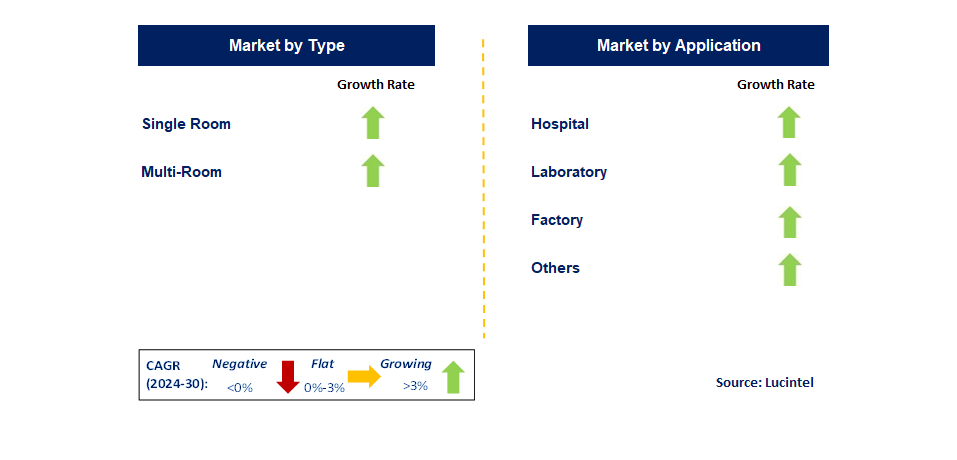
Key data points: The growth forecasts = 13.9% annually for the next 6 years. Scroll below to get more insights. This market report covers trends, opportunities, and forecasts in the global room status monitors market to 2030 by type (single room and multi-room), application (hospital, laboratory, factory, and others), and region (North America, Europe, Asia Pacific, and the Rest of the World)
We'll send your sample report shortly.

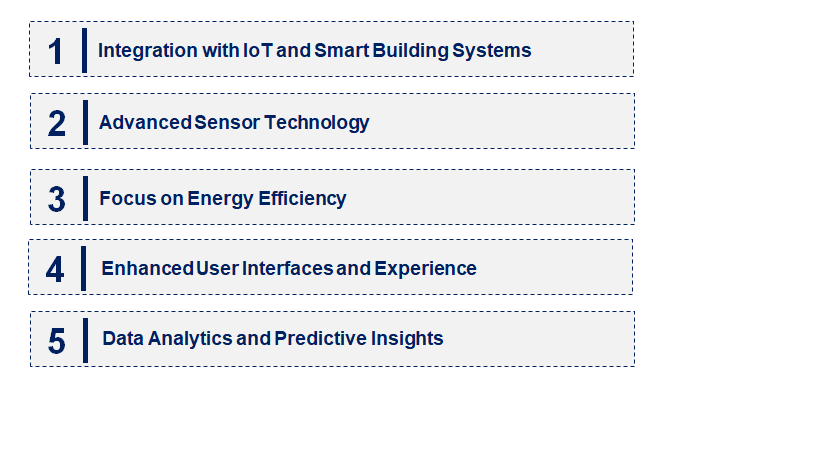
• Integration with IoT and Smart Building Systems: Room status monitors are increasingly being integrated with IoT platforms and smart building management systems. This integration allows for real-time data collection and analysis, enabling automated control of lighting, HVAC, and other building systems based on occupancy and environmental conditions. IoT-enabled monitors enhance the efficiency of building operations by providing detailed insights into space utilization and energy consumption. This trend supports the development of more intelligent and responsive building environments, leading to improved operational efficiency and reduced energy costs.
• Advanced Sensor Technology: The adoption of advanced sensor technology is a key trend in the room status monitors market. Modern monitors now include sensors for monitoring not only occupancy but also environmental parameters such as temperature, humidity, and air quality. These multifunctional sensors provide comprehensive data that can be used to optimize indoor conditions and enhance occupant comfort. Advanced sensors also contribute to more accurate and reliable monitoring, which is crucial for applications in sensitive environments such as healthcare facilities and data centers.
• Focus on Energy Efficiency: Energy efficiency is a major driving factor in the development of room status monitors. There is a growing emphasis on designing monitors that help optimize energy use by providing real-time feedback on occupancy and environmental conditions. For example, monitors can trigger lighting and HVAC adjustments based on the presence of occupants, reducing energy wastage. This trend aligns with broader sustainability goals and regulatory requirements for energy efficiency in buildings, making room status monitors a valuable tool for managing and reducing energy consumption.
• Enhanced User Interfaces and Experience: Recent developments in room status monitors include the creation of more user-friendly interfaces and enhanced user experiences. Modern monitors often feature touchscreens, mobile app integration, and voice control capabilities, making them easier to interact with and manage. Improved user interfaces enable better accessibility and control over room conditions, providing users with real-time data and alerts. This trend reflects the growing demand for intuitive and seamless interactions with building management systems, contributing to overall user satisfaction and operational efficiency.
• Data Analytics and Predictive Insights: The use of data analytics and predictive insights is becoming increasingly prominent in the room status monitors market. Advanced analytics tools are being integrated with room monitors to analyze collected data and generate actionable insights. These insights can forecast occupancy trends, predict maintenance needs, and optimize space utilization. By leveraging data analytics, organizations can make more informed decisions about building management and operational strategies. This trend supports proactive maintenance and strategic planning, leading to enhanced efficiency and cost savings. Emerging trends in the room status monitors market reflect advancements in technology and a growing focus on efficiency and user experience. Integration with IoT and smart building systems, advanced sensor technology, and energy efficiency are key drivers shaping the market. Enhanced user interfaces and the application of data analytics further enhance the functionality and value of room status monitors. As these trends continue to evolve, they will drive innovations in building management, offering smarter, more responsive, and more efficient solutions for various applications.
• Integration with Smart Building Systems: Room status monitors are increasingly being integrated into broader smart building systems. This integration allows monitors to connect with various building management technologies, such as lighting, HVAC, and security systems. By sharing data with these systems, room status monitors enable real-time adjustments based on occupancy and environmental conditions. This interconnected approach enhances operational efficiency, improves energy management, and supports automated control of building systems, making it easier to maintain optimal
• Advanced Sensor Capabilities: Recent developments have introduced advanced sensor technologies into room status monitors. These sensors now measure a wide range of parameters, including temperature, humidity, air quality, and light levels, in addition to basic occupancy detection. This multifunctionality provides a comprehensive view of room conditions, allowing for better management of indoor environments. Enhanced sensors contribute to improved comfort, health, and energy efficiency by providing more detailed and accurate data that can be used to make informed decisions and optimize building operations.
• Energy Efficiency Enhancements: The focus on energy efficiency has led to significant advancements in room status monitors. Modern devices are designed to reduce energy consumption by providing data-driven insights that help optimize the use of lighting, heating, and cooling systems. For example, monitors can detect unoccupied rooms and automatically adjust or turn off lights and HVAC systems, resulting in substantial energy savings. These enhancements align with sustainability goals and regulatory requirements, making room status monitors a crucial component of energy-efficient building management strategies.
• User-Friendly Interfaces: The development of more intuitive and user-friendly interfaces is a notable trend in the room status monitors market. Recent models feature touchscreens, mobile app integration, and voice control options, making it easier for users to interact with the monitors and access data. Enhanced interfaces provide real-time updates and alerts, improving the overall user experience. This development reflects a growing emphasis on accessibility and ease of use, allowing users to manage room conditions more effectively and efficiently.
• Data Analytics and Predictive Insights: Advanced data analytics capabilities have become a significant development in the room status monitors market. By leveraging data collected from sensors, room status monitors can now offer predictive insights and analytics. These tools analyze patterns and trends to forecast occupancy levels, identify potential maintenance issues, and optimize space utilization. Predictive analytics enable proactive decision-making, helping organizations plan and manage their resources more effectively. This capability supports strategic planning and operational efficiency, enhancing the overall effectiveness of room management systems. Recent developments in the room status monitors market highlight significant advancements in technology and functionality. Integration with smart building systems, advanced sensor capabilities, and a focus on energy efficiency are driving innovations in this field. Enhanced user interfaces and the incorporation of data analytics further contribute to improved management and operational efficiency. As these developments continue to evolve, room status monitors will play an increasingly critical role in optimizing indoor environments and supporting smart building initiatives.
• Commercial Real Estate: In commercial real estate, room status monitors offer substantial growth opportunities by optimizing space utilization and reducing operational costs. By integrating these monitors into building management systems, property managers can gain real-time insights into occupancy patterns and adjust lighting, HVAC, and other systems accordingly. This leads to enhanced energy efficiency and cost savings. Additionally, data collected from these monitors can help in designing more flexible office spaces and improving tenant satisfaction. As the demand for smart, efficient buildings grows, room status monitors will become increasingly valuable for managing large commercial properties.
• Healthcare Facilities: In healthcare settings, room status monitors provide significant opportunities to improve patient care and operational efficiency. These monitors can track room occupancy, adjust environmental conditions to suit patient needs, and ensure compliance with health and safety regulations. For example, monitors can control temperature and air quality in patient rooms, which is crucial for infection control and patient comfort. Additionally, real-time occupancy data can assist in optimizing the use of medical facilities and resources, leading to more effective healthcare delivery and enhanced patient outcomes.
• Educational Institutions: Educational institutions represent a growing market for room status monitors, offering opportunities to enhance classroom and facility management. These monitors can track occupancy and environmental conditions in classrooms, auditoriums, and other learning spaces, helping to ensure a comfortable and productive learning environment. Integrating room status monitors with school management systems allows for better scheduling, space allocation, and energy management. By optimizing the use of facilities and improving the learning environment, educational institutions can achieve cost savings and enhance the overall educational experience.
• Hospitality Industry: The hospitality industry offers significant growth potential for room status monitors, particularly in hotels and resorts. Monitors can be used to manage guest room conditions, optimize energy use, and enhance guest experiences. For example, room status monitors can adjust lighting, temperature, and other environmental factors based on guest preferences, leading to higher satisfaction. Additionally, data from these monitors can help hotel operators manage room occupancy and maintenance more effectively, improving operational efficiency and reducing costs. As the hospitality industry continues to focus on personalized guest experiences, room status monitors will play a key role.
• Residential Buildings: In residential buildings, room status monitors offer growth opportunities by enhancing home automation and energy management. These monitors can be integrated into smart home systems to control lighting, heating, and cooling based on occupancy and environmental conditions. This not only improves energy efficiency but also enhances comfort for residents. Additionally, room status monitors can provide valuable data for homeowners to manage their energy usage and optimize home environments. As smart home technology becomes more prevalent, room status monitors will increasingly be adopted in residential settings to support energy-efficient and connected living solutions Strategic growth opportunities in the room status monitors market are abundant across various applications, including commercial real estate, healthcare, education, hospitality, and residential buildings. Each sector benefits from the advanced capabilities of room status monitors, such as enhanced space utilization, energy efficiency, and improved user experience. As technology continues to advance and market needs evolve, room status monitors will play an increasingly critical role in optimizing building management and supporting smart, efficient environments.
• Advancements in IoT and Smart Building Technologies: The integration of room status monitors with IoT and smart building systems is a significant driver of market growth. IoT connectivity allows these devices to provide real-time data on occupancy and environmental conditions, enabling automated control of lighting, HVAC, and security systems. This integration enhances building efficiency, reduces operational costs, and supports smart building initiatives. The growing adoption of smart technologies across various sectors fuels demand for advanced room status monitors, driving market expansion and innovation.
• Increased Focus on Energy Efficiency: Rising energy costs and sustainability concerns are driving the demand for energy-efficient building management solutions. Room status monitors contribute to this goal by providing data that helps optimize the use of lighting, heating, and cooling systems based on occupancy and environmental conditions. This capability not only reduces energy consumption but also aligns with regulatory requirements and corporate sustainability goals. As energy efficiency becomes a priority for organizations and governments, the market for room status monitors is expected to grow.
• Advancements in Sensor Technology: Technological improvements in sensor technology are enhancing the capabilities of room status monitors. Modern devices now include advanced sensors that measure various parameters such as temperature, humidity, air quality, and light levels, in addition to basic occupancy detection. These multifunctional sensors provide comprehensive data that supports better management of indoor environments and improved occupant comfort. The development of more accurate and reliable sensors drives the adoption of room status monitors and expands their applications across different sectors.
• Growing Adoption of Smart Home Technologies: The increasing adoption of smart home technologies is fueling demand for room status monitors in residential settings. Homeowners are seeking solutions that integrate with smart home systems to manage lighting, heating, and cooling more efficiently. Room status monitors that provide real-time data and can be controlled through mobile apps or voice commands enhance the convenience and energy efficiency of smart homes. As smart home technology continues to gain popularity, the market for residential room status monitors is expected to grow.
• Enhanced Data Analytics Capabilities: The integration of advanced data analytics with room status monitors is a key driver of market growth. Analytics tools provide valuable insights into occupancy patterns, space utilization, and environmental conditions, enabling more informed decision-making. Predictive analytics and reporting features help organizations optimize building operations, plan maintenance, and improve overall efficiency. The ability to leverage data for strategic planning and operational improvements drives the adoption of room status monitors across various industries. Challenges in the room status monitors market are:
• High Initial Costs: One of the main challenges in the room status monitors market is the high initial cost of implementing advanced monitoring systems. The investment required for purchasing and installing sophisticated room status monitors, along with the associated infrastructure and integration with existing systems, can be significant. For many organizations, particularly small and medium-sized enterprises, these costs can be a barrier to adoption. Balancing the upfront investment with long-term benefits is crucial for market growth and widespread adoption.
• Integration Complexities: Integrating room status monitors with existing building management systems and other technologies can be complex and challenging. Compatibility issues, data integration hurdles, and the need for customized solutions can complicate the deployment process. Effective integration is essential for realizing the full benefits of room status monitors, such as automated control and data-driven decision-making. Addressing these integration challenges requires careful planning and technical expertise, which can impact the adoption rate and implementation success.
• Evolving Regulatory Standards: The room status monitors market must navigate evolving regulatory standards related to energy efficiency, data privacy, and building safety. Compliance with these regulations can be challenging, as standards vary by region and are subject to change. Keeping up with regulatory requirements and ensuring that room status monitors meet the necessary criteria can increase development and operational costs. Organizations must stay informed about regulatory developments and adapt their solutions accordingly to avoid potential legal and compliance issues. The room status monitors market is driven by advancements in IoT and smart building technologies, increased focus on energy efficiency, and improvements in sensor technology. However, it faces challenges such as high initial costs, integration complexities, and evolving regulatory standards. Addressing these drivers and overcoming the challenges will be crucial for stakeholders seeking to capitalize on market opportunities and drive the growth of room status monitoring solutions. As technology and market dynamics continue to evolve, staying informed and adaptable will be key to success in this growing sector.
• Setra Systems
• TSI
• Price Industries
• OMEGA
• Johnson Controls
• Accutrol Controls
• Siemens
• Avtech Software
• Saiforetech
• Ace Instruments
• Single Room
• Multi-Room
• Hospital
• Laboratory
• Factory
• Others
• North America
• Europe
• Asia Pacific
• The Rest of the World
• United States: In the United States, recent developments in the room status monitors market focus on integrating these devices with smart building management systems. Advanced room status monitors are increasingly equipped with IoT connectivity, allowing for real-time data collection and analytics. This integration supports enhanced space utilization, energy efficiency, and predictive maintenance in commercial buildings and offices. The adoption of AI and machine learning algorithms is also on the rise, providing more accurate occupancy forecasting and automated control of lighting and HVAC systems. Additionally, there is a growing trend towards incorporating touchless interfaces and voice control to improve user experience and hygiene.
• China: China room status monitors market is experiencing rapid growth driven by the country’s expanding urban infrastructure and smart city initiatives. Recent developments include the deployment of advanced sensors and IoT technologies in both commercial and residential settings. Chinese companies are focusing on integrating room status monitors with building management systems to optimize energy usage and enhance security. Innovations such as multi-functional sensors that monitor air quality, temperature, and occupancy are becoming more common. The market is also seeing increased adoption of these devices in the burgeoning hospitality sector to improve guest experience and operational efficiency.
• Germany: Germany room status monitors market is marked by a strong emphasis on energy efficiency and sustainability. Recent developments include the integration of room status monitors with smart grid systems and energy management solutions to optimize energy consumption in commercial buildings and industrial facilities. German companies are also pioneering the use of advanced data analytics to provide detailed insights into space utilization and environmental conditions. Additionally, there is a focus on developing user-friendly interfaces and enhancing interoperability with other building automation systems. The integration of room status monitors with renewable energy sources is another key trend, reflecting Germany commitment to sustainability.
• India: In India, the room status monitors market is evolving rapidly, driven by the country’s growing urbanization and infrastructure development. Recent advancements include the adoption of cost-effective room status monitoring solutions that cater to both commercial and residential applications. Indian companies are focusing on developing smart room status monitors that integrate with building management systems to improve space utilization and operational efficiency. Additionally, there is a growing emphasis on enhancing the user experience through mobile app integration and remote monitoring capabilities. The market is also seeing increased interest in energy-efficient solutions to support India sustainability goals.
• Japan: Japan room status monitors market is characterized by a strong focus on technological innovation and precision. Recent developments include the integration of advanced sensors and data analytics to provide real-time monitoring of room conditions, including occupancy, temperature, and humidity. Japanese companies are leading the way in developing highly accurate and reliable room status monitors for use in both commercial and residential environments. There is also a growing trend towards incorporating these devices into smart home systems and advanced building automation solutions. The emphasis on precision and user experience reflects Japan commitment to technological excellence and high standards in building management.


• Setra Systems
• TSI
• Price Industries
• OMEGA
• Johnson Controls
• Accutrol Controls
• Siemens
• Avtech Software
• Saiforetech
• Ace Instruments Q6. Which room status monitors market segment will be the largest in future? Answer: Lucintel forecasts that single room is expected to witness higher growth over the forecast period due to easier to install and maintain and affordable. Q7. In room status monitors market, which region is expected to be the largest in next 5 years? Answer: APAC is expected to witness highest growth over the forecast period due to growing number of hospitals. Q.8 Do we receive customization in this report? Answer: Yes, Lucintel provides 10% customization without any additional cost.


Choose a license that fits your team. Instant PDF delivery.
Prices exclude taxes. Instant delivery. Custom licensing available on request.
Market Report · July 31, 2026
Market Report · July 31, 2026
Market Report · July 31, 2026
Trusted partner for strategic intelligence and business growth


Receive a complimentary market analysis tailored to your industry. Our analysts will identify key growth opportunities and competitive dynamics specific to your business.

Market size, growth rate, and key trend analysis for your specific sector.

Top competitor positioning and market share analysis.

Strategic recommendations backed by data-driven insights.
Get curated market intelligence and competitive moves straight to your inbox.
By subscribing, you agree to receive our monthly insights. Unsubscribe anytime.
Receive a complimentary market analysis tailored to your industry. Our analysts will identify key growth opportunities and competitive dynamics specific to your business.
Market size, growth rate, and key trend analysis for your specific sector.
Top competitor positioning and market share analysis.
Strategic recommendations backed by data-driven insights.
Get curated market intelligence, emerging trends, and competitive moves straight to your inbox each month.
By subscribing, you agree to receive our monthly insights. Unsubscribe anytime.
We'll send your sample report shortly.