
Market Report · July 22, 2026

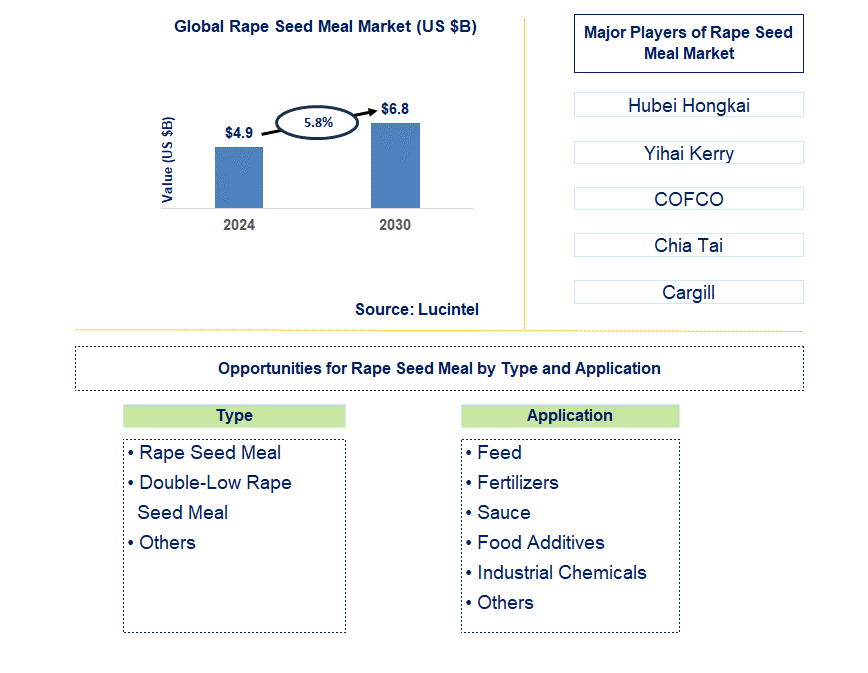
Key data points: The market size in 2030 = $6.8 billion, growth forecast = 5.8% annually for the next 6 years. Scroll below to get more insights. This market report covers trends, opportunities, and forecasts in the global rape seed meal market to 2030 by type (rape seed meal, double-low rape seed meal, and others), application (feed, fertilizers, sauce, food additives, industrial chemicals, and others), and region (North America, Europe, Asia Pacific, and the Rest of the World)
We'll send your sample report shortly.
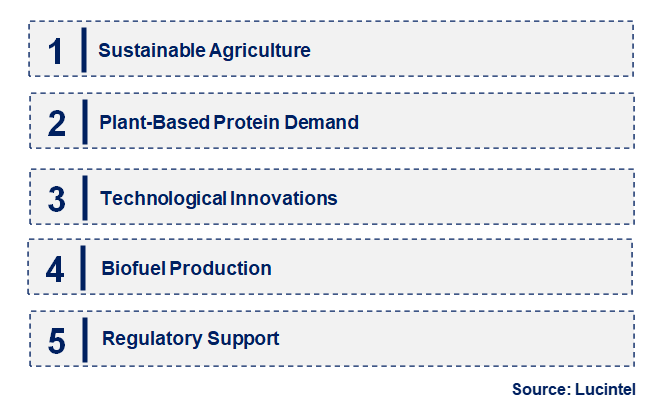
• Sustainable Agriculture: The global trend of promoting environmentally friendly farming practices is increasing the use of rape seed meal. This trend emphasizes low chemical consumption and enhanced biodiversity, thus boosting the demand for rape seed meal in the market.
• Plant-Based Protein Demand: A shift toward plant-based diets is expanding the market for rape seed meal protein. It is gaining momentum not only in livestock feed but also in food for human consumption, targeting health-conscious consumers.
• Technological Innovations: Advances in processing technologies are enhancing the nutritional value of rape seed meal. Improved extraction and refining processes increase protein content and digestibility, making the meal more valuable for cattle raisers.
• Biofuel Production: The expanding biofuel market has increased demand for rape seed meal by-products after oil extraction. This dual-use model boosts economic returns from rape seed cultivation and integrates farming systems with renewable resources.
• Regulatory Support: Increased regulatory support for sustainable farming methods and the biofuels market is positively impacting the rape seed meal industry. Policies that promote local feed ingredients provide incentives for farmers to cultivate rape seed and develop local supply bases. These trends are transforming the rape seed meal market, encouraging innovation and growth while aligning with global sustainability principles in modern agriculture.
• Technological Advancements: Advances in rape seed meal processing have improved the nutritional quality of the product, making it more suitable for livestock feed. Enhanced extraction methods increase protein levels and reduce anti-nutritional factors, making the product more marketable.
• Growing Demand Beyond Animal Feed: The trend toward healthier dietary patterns has increased the demand for rape seed meal not only as animal feed but also as a food ingredient. This expansion is opening up new areas of application and increasing the market value.
• Sustainable Practices: Sustainable agriculture practices encourage the cultivation of rape seed meal as a green resource. These practices support emissions reduction strategies, making rape seed meals more marketable.
• Regulatory Changes: Improvements in the regulatory environment are leading to increased rape seed cultivation and more diverse uses for rape seed meal. Policies restricting sourcing to local suppliers are expected to boost domestic markets for rape seed meal.
• Market Expansion in Emerging Economies: Rapeseed meal is penetrating markets in countries like India and China, driven by increased production and consumption. This is creating new markets for protein sources and supporting self-reliance and market expansion. These developments are collectively reshaping the rape seed meal market, creating new opportunities and challenges for industry participants as they adapt to changing consumer and regulatory landscapes.
• Animal Feed Industry: Rapeseed meal holds significant potential in the animal feed industry due to the rising demand for sustainable animal feed sources. It is particularly valuable for poultry and swine feed because of its high protein content and amino acid composition.
• Human Food Applications: Growing consumer interest in plant-based foods is creating market opportunities for rape seed meals in human food products. Technological advances in food processing enable the incorporation of rape seed meal into protein snacks and nutritional supplements.
• Aquaculture: The aquaculture industry is seeking sustainable raw materials for fish feed, and rape seed meal can provide a valuable protein source for this sector, promoting more sustainable fish farming practices.
• Biofuels: The biofuel industry is exploring rape seed meal as a by-product of oil extraction for use in biodiesel production. This not only creates a new revenue stream but also supports renewable energy goals.
• Nutraceuticals: The presence of omega-3 fatty acids in rape seed meal is driving the development of nutraceutical applications. This segment is expected to grow as health-conscious consumers seek functional ingredients for their food. These growth opportunities have the potential to significantly impact the rape seed meal market, fostering innovation across industries while meeting consumer demands for sustainability and health.
• Sustainability Trends: Increasing demand for sustainable farming practices is boosting the appeal of rape seed meal, which is seen as an environmentally friendly alternative to conventional feed sources.
• Protein Demand Growth: The rising global population and shift toward plant-based diets are driving increased production of rape seed meal, valued for its high protein content in both animal feed and human food.
• Technological Advancements: New processing and extraction methods are improving the quality of rape seed meal, enhancing its marketability and broadening its applications.
• Supportive Policies: Government policies promoting local feed sources and improved farming practices are supporting the growth of rape seed cultivation and the rape seed meal market. Key Challenges:
• Price Volatility: Fluctuations in raw material prices affect the profitability of rape seed meal production, requiring risk mitigation strategies for both producers and consumers.
• Competition from Other Protein Sources: Rapeseed meal faces strong competition from soybean and other oilseed meals, with market share influenced by pricing and nutritional value.
• Regulatory Hurdles: Constant changes in regulatory requirements pose challenges for producers, with potential financial implications related to compliance. Stakeholders in the rape seed meal industry must address these drivers, challenges, and growth opportunities to navigate the evolving market landscape and achieve long-term success.
• Hubei Hongkai
• Yihai Kerry
• COFCO
• Chia Tai
• Cargill
• Longda
• Jiusan
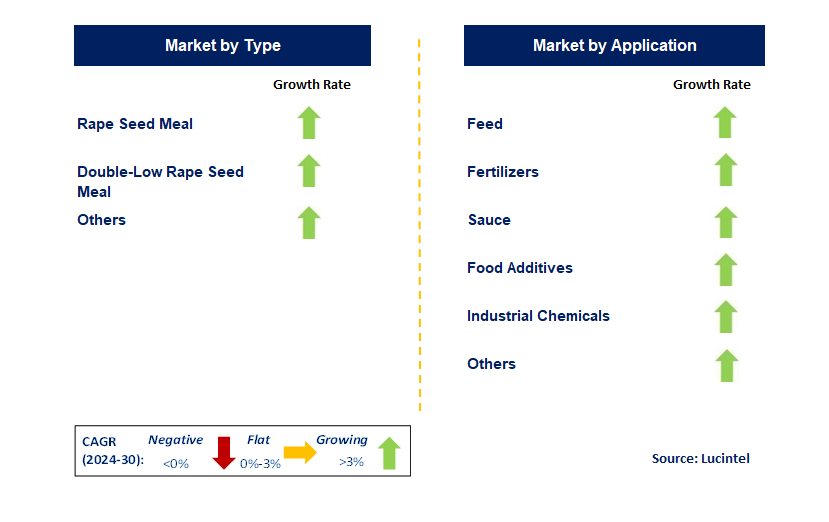
• Rape Seed Meal
• Double-Low Rape Seed Meal
• Others
• Feed
• Fertilizers
• Sauce
• Food Additives
• Industrial Chemicals
• Others
• North America
• Europe
• Asia Pacific
• The Rest of the World
• United States: Demand for rape seed meal is growing in the US, driven by the need for sustainable animal feed and biofuel production. Advances in extraction techniques have improved meal quality, and the trend toward organic farming is promoting the use of non-GMO rape seed.
• China: The rape seed meal market in China is expanding rapidly due to increasing demand for animal feed and a growing livestock industry. Government support for rape seed cultivation is helping reduce reliance on soybean meal, though competition remains.
• Germany: In Germany, the focus is on organic and sustainable rape seed production. The use of rape seed meal in organic animal feed is growing, supported by new processing methods that enhance its nutritional content.
• India: India’s rape seed meal market is evolving with government support for increased oilseed production to reduce dependence on imported edible oils. Growing consumer awareness of plant-based proteins is also driving demand for rape seed meal in human and animal food markets.
• Japan: Japan faces limitations in arable land, but there is growing demand for high-quality rape seed meal for livestock and aquaculture. Advances in breeding and processing technologies are expected to improve meal quality and broaden its applications.


• Hubei Hongkai
• Yihai Kerry
• COFCO
• Chia Tai
• Cargill
• Longda
• Jiusan Q6. Which rape seed meal market segment will be the largest in the future? Answer: Lucintel forecasts that rape seed meal is expected to witness higher growth over the forecast period. Q7. In the rape seed meal market, which region is expected to be the largest in the next 5 years? Answer: APAC is expected to witness the highest growth over the forecast period. Q.8 Do we receive customization in this report? Answer: Yes, Lucintel provides 10% customization without any additional cost.


Choose a license that fits your team. Instant PDF delivery.
Prices exclude taxes. Instant delivery. Custom licensing available on request.
Market Report · July 22, 2026
Market Report · July 20, 2026
Market Report · July 20, 2026
Trusted partner for strategic intelligence and business growth


Receive a complimentary market analysis tailored to your industry. Our analysts will identify key growth opportunities and competitive dynamics specific to your business.

Market size, growth rate, and key trend analysis for your specific sector.

Top competitor positioning and market share analysis.

Strategic recommendations backed by data-driven insights.
Get curated market intelligence and competitive moves straight to your inbox.
By subscribing, you agree to receive our monthly insights. Unsubscribe anytime.
Receive a complimentary market analysis tailored to your industry. Our analysts will identify key growth opportunities and competitive dynamics specific to your business.
Market size, growth rate, and key trend analysis for your specific sector.
Top competitor positioning and market share analysis.
Strategic recommendations backed by data-driven insights.
Get curated market intelligence, emerging trends, and competitive moves straight to your inbox each month.
By subscribing, you agree to receive our monthly insights. Unsubscribe anytime.
We'll send your sample report shortly.