
Market Report · May 18, 2026

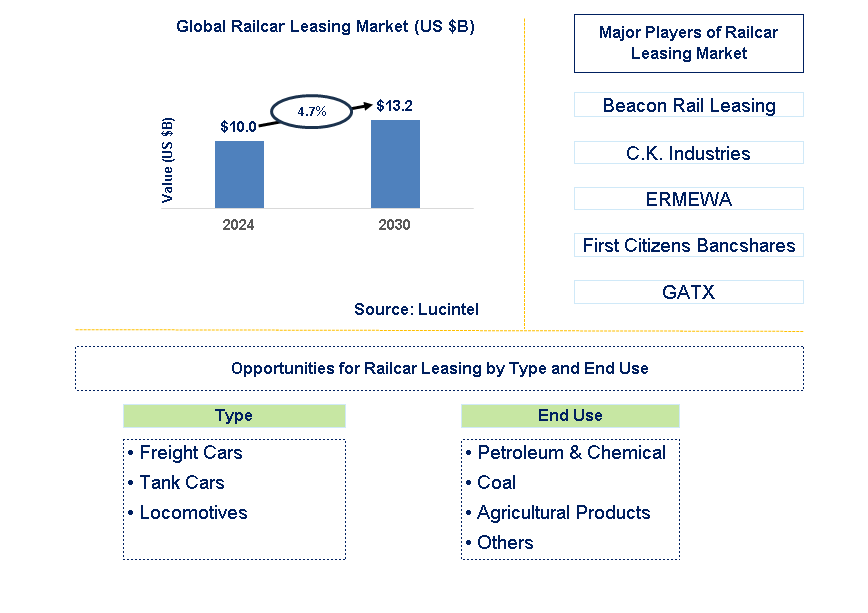
Key data points: The market size in 2030 = $13.2 billion, growth forecast = 4.7% annually for the next 6 years. Scroll below to get more insights. This market report covers trends, opportunities, and forecasts in the global railcar leasing market to 2030 by type (freight cars, tank cars, and locomotives), end use (petroleum & chemical, coal, agricultural products, and others), and region (North America, Europe, Asia Pacific, and the Rest of the World)
We'll send your sample report shortly.
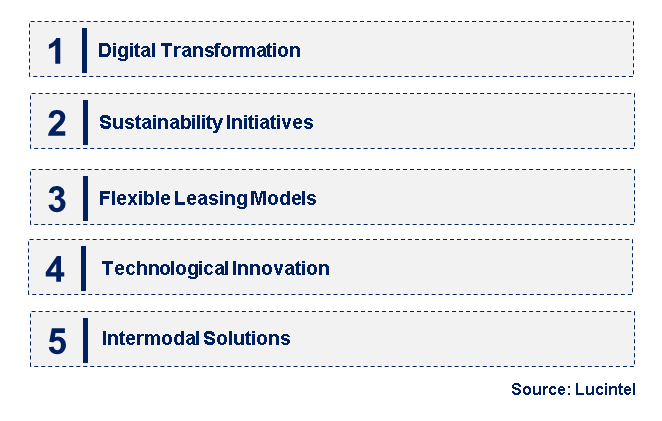
• Digital Transformation: Digital technologies are changing the entire dynamics of railcar leasing operations. Companies are implementing advanced software in fleet management, allowing for better control, detailed tracking of assets, and improved predictive maintenance capabilities. Efficiency improves, downtime decreases, and customer service benefits, enhancing competitiveness in the market.
• Sustainability Initiatives: Sustainability is increasingly being prioritized, with leasing companies purchasing environmentally friendly railcars. This aligns with the need to reduce carbon footprints globally and comply with strict emission regulations. Eco-friendly railcars not only meet compliance requirements but also attract customers who are sensitive to environmental issues.
• Flexible Leasing Models: New trends in leasing models include demands for flexibility, enabling operators to change their fleets according to market fluctuations. Short-term leasing and pay-per-use models are gaining acceptance, offering companies the agility required within a dynamic economic landscape.
• Technological Innovation: Advances in emerging technologies, such as the Internet of Things (IoT) and Artificial Intelligence (AI), are increasing operational efficiency and fleet management. Innovations enable real-time monitoring, predictive maintenance, and analytics to ensure optimal use of available resources, resulting in cost reductions for leasing companies.
• Intermodal Solutions: The integration of rail transport with other logistics modes is fast becoming the norm. Railcar leasing companies are partnering with logistics providers to offer intermodal solutions that enhance supply chain efficiency. These trends enable smoother cargo movement and improved service delivery. These trends are reshaping the railcar leasing market by encouraging innovations, promoting sustainability, and enhancing operational efficiency. As companies adapt to these changes, the market is expected to grow with even more flexible and technologically advanced solutions.
• Adoption of Digital Platforms by Companies: Railcar leasing companies are embracing digital platforms in their fleet management. These platforms interact with railcar performance data and facilitate real-time maintenance, promoting proactive decisions that generally lower operational expenses.
• Investment in Eco-Friendly Railcars: This aspect holds high potential for the development and leasing of eco-friendly railcars. Companies are investing in alternative fuel technologies, including electric and hybrid systems, to comply with environmental regulations and decrease emissions.
• Increasing Private Leasing: Private companies are entering the railcar leasing business, with sharp increases in these developments within the last few years, particularly in countries like India. This is heightening competition and leading to the development of more innovative models, resulting in better services for customers.
• Strategic Partnerships: Railcar leasing companies are aligning their business strategies through partnership deals with logistics and technology players. These partnerships create integrated solutions to enhance service offerings and optimize fleet utilization.
• Focus on Safety Improvements: The railcar leasing industry prioritizes safety. Advanced safety features and monitoring systems are incorporated as part of companies' investments to ensure compliance with regulatory requirements and protect cargo during transport. These efforts positively influence the railcar leasing market, driving innovation, enhancing service quality, and addressing environmental issues. Moving forward, these factors will be essential in defining the railcar leasing market.
• Emerging Growth Markets: Newly emerging markets, particularly in Asia and Africa, present major growth opportunities for key players in the railcar leasing market. As countries invest in infrastructure development, leasing companies will be able to cater to the growing transport infrastructure needs.
• Smart Railcar Leasing: Smart railcars provide leasing companies the opportunity to offer technologically advanced products. Railcars connected with IoT devices can send data in real time, thereby increasing operational efficiency.
• Specialized Railcars: Leasing companies can tap into the niche of specialized railcars for agricultural, chemical, and automobile industries. Such offerings will attract more customers and increase revenues.
• Collaborative Logistics Models: Partnerships between leasing firms and logistics providers add value to services by contributing to holistic supply chain solutions. This trend will enhance the market presence of leasing firms and improve customer satisfaction.
• Sustainability Initiatives: As businesses prioritize sustainability, green initiatives that cater to the market can be added to the portfolios of railcar leasing companies. Investment in green technologies becomes a differentiating factor when marketed to environmentally conscious clients. These strategic growth opportunities will transform the railcar leasing market, fostering innovation and expanding service offerings. Leveraging these opportunities will help companies improve their competitive advantage and sustain growth.
• Leasing for Freight Logistics: The demand for freight logistics is increasing as many rely on rail transport, which is inexpensive and environmentally friendly.
• Technological Advancements: Technological progress enhances railcar performance and fleet management through IoT, AI, predictive maintenance, and real-time operations monitoring.
• Government Investments in Infrastructure: Increased government investments in rail infrastructure have elevated rental demand in various countries. Modernized rail networks imply more efficient operations; hence, companies are more likely to lease rather than purchase railcars. Challenges in the Railcar Leasing Market:
• Market Competition: The railcar leasing market is becoming highly competitive with many players. Key challenges include differentiating services and maintaining customer loyalty.
• Economic Volatility: Economic disturbances can affect transport demand and leasing activity. During recessions, freight volumes may decline, indirectly impacting the overall leasing market.
• Maintenance Costs: High maintenance costs for railcar fleets can negatively impact profit margins. Leasing firms must manage costs effectively to capitalize on the benefits of service provision. While the railcar leasing market is driven by increasing needs and advancing technology, it faces challenges from radical competition and economic volatility. Stakeholders must possess a keen understanding of these dynamics to succeed in this market.
• Beacon Rail Leasing
• C.K. Industries
• ERMEWA INTERSERVICES
• First Citizens Bancshares
• GATX
• ITE Management
• Mitsui
• Procor
• RAILPOOL
• Sasser Family
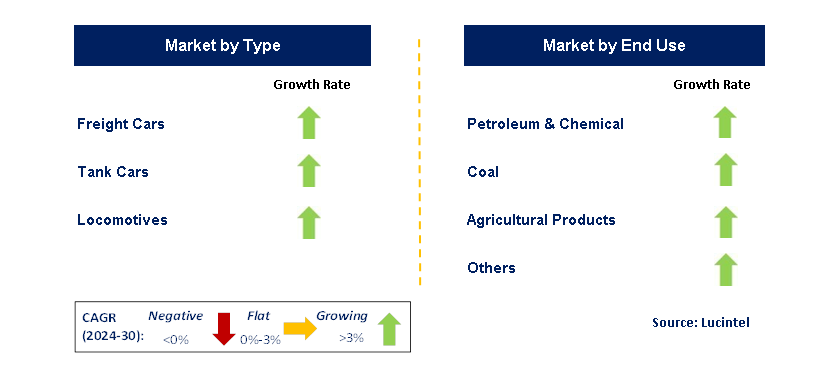
• Freight Cars
• Tank Cars
• Locomotives
• Petroleum & Chemical
• Coal
• Agricultural Products
• Others
• North America
• Europe
• Asia Pacific
• The Rest of the World
• United States: The railcar leasing market is becoming automated and digitized. Companies are adopting technology to improve asset management and enhance service delivery. Strong growth in freight shipments, driven by the rise of e-commerce, is prompting leasing companies to expand their fleets, particularly tank and flatcars. Regulatory changes regarding emissions and safety are also compelling operators to order newer railcars that meet these requirements.
• China: Railcar leasing in China is booming as the government strives for robust logistics capabilities. Growth is primarily driven by the Belt and Road Initiative, which necessitates significant investment in rail infrastructure. Companies are focusing on specialized rail solutions for sectors like coal and steel. Additionally, digital solutions are being integrated to optimize fleets and reduce operational costs, positioning China as a leader in railcar leasing.
• Germany: The German railcar leasing market is advancing with the EU's enforcement of stricter emission policies. Companies are acquiring more environmentally friendly railcars combined with advanced digital tracking systems. The growth of intermodal transport has increased the demand for flexible leasing options, prompting collaborations between leasing firms and logistics providers. These partnerships enhance service offerings, promote innovations, and improve overall rail transport efficiency.
• India: India's railcar leasing market is expanding as the government invests in rail infrastructure and improves freight services. The pace of privatization is accelerating, opening opportunities for private companies to lease in the sector. Innovations in leasing models are being developed to meet the needs of specific industries, such as agriculture and manufacturing. Increased technology use for fleet tracking and monitoring further enhances operational efficiency.
• Japan: The hallmark of the railcar leasing market in Japan is its technological advancement and emphasis on safety. Companies are acquiring high-tech systems that provide real-time tracking and maintenance services for railcars. The growing sensitivity to environmental issues is driving the leasing of electric and hybrid railcars. Strategic collaborations between leasing and technology companies promote innovations, increase reliability, and enhance operational efficiency.


• Beacon Rail Leasing
• C.K. Industries
• ERMEWA INTERSERVICES
• First Citizens Bancshares
• GATX
• ITE Management
• Mitsui
• Procor
• RAILPOOL
• Sasser Family Q6. Which railcar leasing market segment will be the largest in future? Answer: Lucintel forecasts that freight car will remain the largest segment over the forecast period due to its substantial usage for transportation of goods, such as coal products, forest products, metals and minerals, construction raw materials, and agricultural products. Q7. In railcar leasing market, which region is expected to be the largest in next 5 years? Answer: APAC is expected to witness highest growth over the forecast period. Q.8 Do we receive customization in this report? Answer: Yes, Lucintel provides 10% customization without any additional cost.


Choose a license that fits your team. Instant PDF delivery.
Prices exclude taxes. Instant delivery. Custom licensing available on request.
Market Report · May 18, 2026
Market Report · May 18, 2026
Market Report · May 18, 2026
Trusted partner for strategic intelligence and business growth


Receive a complimentary market analysis tailored to your industry. Our analysts will identify key growth opportunities and competitive dynamics specific to your business.

Market size, growth rate, and key trend analysis for your specific sector.

Top competitor positioning and market share analysis.

Strategic recommendations backed by data-driven insights.
Get curated market intelligence and competitive moves straight to your inbox.
By subscribing, you agree to receive our monthly insights. Unsubscribe anytime.
Receive a complimentary market analysis tailored to your industry. Our analysts will identify key growth opportunities and competitive dynamics specific to your business.
Market size, growth rate, and key trend analysis for your specific sector.
Top competitor positioning and market share analysis.
Strategic recommendations backed by data-driven insights.
Get curated market intelligence, emerging trends, and competitive moves straight to your inbox each month.
By subscribing, you agree to receive our monthly insights. Unsubscribe anytime.
We'll send your sample report shortly.