
Market Report · July 22, 2026

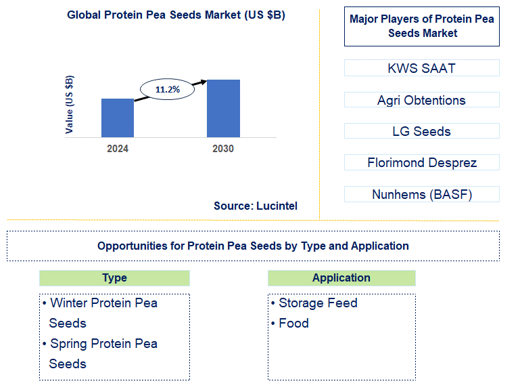
Key data points: The growth forecast = 11.2% annually next 6 years. Scroll below to get more insights. This market report covers trends, opportunities, and forecast in the global protein pea seeds market to 2030 by type (winter protein pea seeds and spring protein pea seeds), application (storage feed and food), and region (North America, Europe, Asia Pacific, and the Rest of the World)
We'll send your sample report shortly.
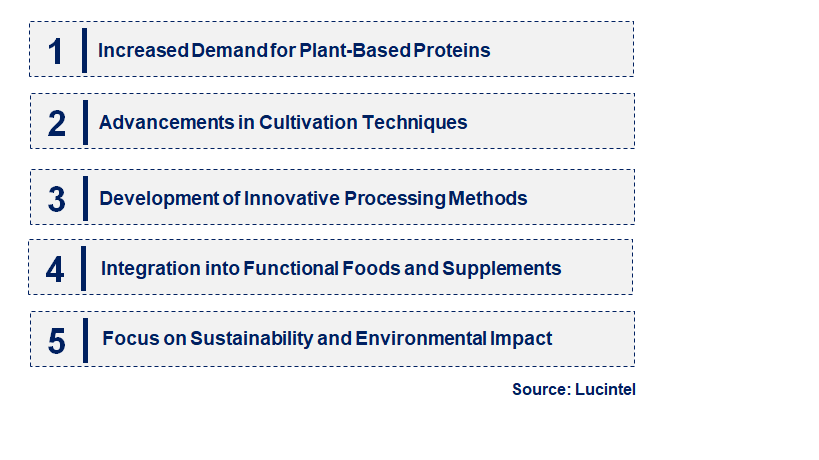
• Increased Demand for Plant-Based Proteins: The rising consumer preference for plant-based diets is a major trend driving the protein pea seeds market. As people seek alternatives to animal proteins for health, environmental, and ethical reasons, protein-rich pea seeds are gaining popularity. Peas are valued for their high protein content and versatility in various food products, from meat substitutes to protein powders. This shift towards plant-based eating is expanding the market for protein pea seeds and encouraging innovation in product development.
• Advancements in Cultivation Techniques: Advances in agricultural practices and technology are enhancing the efficiency and yield of pea seed cultivation. Precision farming techniques, improved seed varieties, and sustainable farming practices are increasing the productivity of pea crops. These advancements help address challenges such as soil health and climate variability, making pea cultivation more resilient and cost-effective. Enhanced cultivation techniques are crucial for meeting the growing demand for protein pea seeds and ensuring a steady supply for the market.
• Development of Innovative Processing Methods: Innovations in processing methods are expanding the applications of protein pea seeds. New techniques in extraction and processing are improving the quality and functionality of pea protein products. For instance, advanced processing methods can enhance the protein concentration and reduce anti-nutritional factors, making pea protein more effective and appealing for food manufacturers. These developments are driving the creation of new product formulations and applications, further fueling the growth of the protein pea seeds market.
• Integration into Functional Foods and Supplements: Protein pea seeds are increasingly being integrated into functional foods and dietary supplements. Their high protein content and nutritional profile make them ideal for enhancing the health benefits of various products. Protein pea seeds are being used in protein bars, shakes, and meal replacements, as well as in supplements targeting muscle recovery and overall health. This trend reflects the growing consumer interest in health and wellness products, positioning pea protein as a valuable ingredient in the functional foods sector.
• Focus on Sustainability and Environmental Impact: There is a growing focus on sustainability and reducing the environmental impact of food production, which benefits the protein pea seeds market. Pea cultivation is associated with lower greenhouse gas emissions and reduced reliance on synthetic fertilizers compared to animal-based protein sources. Additionally, peas can fix nitrogen in the soil, improving soil health and reducing the need for synthetic inputs. As sustainability becomes a key consideration for consumers and manufacturers, the environmentally friendly nature of pea protein is increasingly valued. Emerging trends in the protein pea seeds market highlight the growing importance of plant-based proteins, innovations in cultivation and processing, and the integration of pea protein into functional foods and supplements. The focus on sustainability further supports the market’s expansion, aligning with broader consumer and industry shifts towards more sustainable food systems. These trends underscore the potential for protein pea seeds to play a pivotal role in meeting the rising demand for nutritious, eco-friendly, and versatile protein sources.
• Advancement in Breeding Techniques: Recent advancements in breeding techniques have led to the development of high-yield, disease-resistant pea varieties. These new varieties offer improved protein content and better adaptability to diverse growing conditions. Enhanced breeding techniques are increasing productivity and reducing costs for farmers, contributing to the overall growth of the pea protein market.
• Expansion of Processing Facilities: The expansion of processing facilities dedicated to pea protein extraction is a notable development. Increased capacity and advanced processing technologies are improving the efficiency and scalability of pea protein production. This expansion is enabling companies to meet rising demand and explore new market opportunities, particularly in the plant-based food sector.
• Government Incentives and Support: Governments in key markets are offering incentives and support for pea cultivation and protein production. Initiatives include subsidies, research grants, and training programs for farmers. These measures are designed to promote sustainable agriculture, enhance crop yields, and boost the domestic production of pea protein, thereby supporting market growth.
• Partnerships and Collaborations : Strategic partnerships and collaborations between agricultural firms, food manufacturers, and research institutions are accelerating advancements in pea protein technology. These partnerships are facilitating knowledge exchange, improving processing methods, and expanding market reach. Collaborative efforts are also driving innovation and enhancing the overall competitiveness of the pea protein market.
• Increased Market Penetration: There is a growing trend of pea protein products entering mainstream markets and retail channels. Increased market penetration is driven by the rising consumer demand for plant-based proteins and the efforts of food manufacturers to diversify their product offerings. This development is making pea protein more accessible to a wider audience and reinforcing its presence in the global market. These developments are significantly impacting the protein pea seeds market by enhancing production efficiency, expanding market opportunities, and responding to consumer demand for sustainable and nutritious food options. The continued growth of the market is expected to be driven by ongoing advancements and supportive policies, positioning pea protein as a key component of the future food landscape.
• Plant-Based Food Products: The surge in plant-based diets is a significant growth opportunity for protein pea seeds in food products. With the rising consumer demand for vegan and vegetarian options, pea protein is increasingly used in meat substitutes, dairy alternatives, and protein-enriched snacks. Companies can capitalize on this trend by developing new products and expanding their plant-based product lines, catering to health-conscious consumers and those with dietary restrictions.
• Nutritional Supplements: Protein pea seeds are gaining traction in the nutritional supplements market, including protein powders, bars, and capsules. Pea protein's high digestibility and allergen-free profile make it a preferred choice for fitness enthusiasts and individuals seeking dietary supplements. Investing in this application allows companies to tap into the growing health and wellness sector, offering a versatile ingredient that aligns with current health trends.
• Animal Feed: Utilizing protein pea seeds in animal feed represents a promising growth opportunity. As the demand for sustainable and plant-based animal feed increases, pea protein provides an eco-friendly alternative to traditional feed sources. Its high protein content supports animal growth and health, making it an attractive option for livestock and poultry producers. Companies can expand their market presence by developing and supplying specialized animal feed products.
• Pet Food: The pet food industry is increasingly incorporating plant-based proteins, including pea protein, to meet the growing demand for healthy and sustainable pet food options. Pea protein is a nutritious alternative for pet food formulations, offering benefits such as high protein content and digestibility. By focusing on this application, companies can address the evolving preferences of pet owners who seek high-quality, environmentally friendly pet food products.
• Functional Foods and Beverages: There is a growing market for functional foods and beverages that offer health benefits beyond basic nutrition. Pea protein can be used in various functional products, such as protein-enriched drinks, fortified cereals, and health bars. This application presents an opportunity to innovate and create new products that cater to consumers looking for enhanced nutritional value and health benefits, driving growth in this segment. These strategic growth opportunities highlight the diverse applications of protein pea seeds, each offering unique avenues for expansion and market development. By focusing on these applications, companies can leverage current trends and consumer preferences to drive growth, innovate product offerings, and enhance their market position.
• KWS SAAT
• Agri Obtentions
• LG Seeds
• Florimond Desprez
• Nunhems (BASF)
• Senova
• Agri-Semences
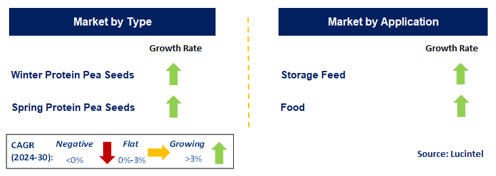
• Winter Protein Pea Seeds
• Spring Protein Pea Seeds
• Storage Feed
• Food
• North America
• Europe
• Asia Pacific
• The Rest of the World
• United States: In the United States, the protein pea seeds market has seen a surge in popularity due to the increasing consumer shift towards plant-based diets. Major food companies are incorporating pea protein into their products, responding to the demand for alternatives to animal-based proteins. The U.S. has also seen innovations in processing technologies that enhance the efficiency and cost-effectiveness of pea protein extraction. Additionally, government support for sustainable agriculture has bolstered the growth of pea protein production.
• China: China protein pea seeds market is rapidly expanding as part of the country’s broader initiative to increase domestic protein sources and reduce reliance on imports. Chinese agricultural policies are favoring the cultivation of legumes like peas, and there is a growing interest in pea protein among health-conscious consumers. Investments in research and development are enhancing yield and quality, while collaborations with international firms are improving processing techniques and market reach.
• Germany: Germany has become a key player in the protein pea seeds market due to its strong emphasis on sustainability and organic farming. The country is witnessing an increase in the cultivation of peas as part of a broader strategy to promote plant-based diets and reduce carbon footprints. Innovations in breeding and crop management are leading to higher yields and better protein content. German companies are also exporting pea protein to meet growing demand across Europe.
• India: In India, the protein pea seeds market is emerging as a significant segment of the agricultural sector, driven by the rising demand for plant-based proteins and the need for sustainable farming practices. Indian farmers are increasingly adopting pea cultivation due to its benefits for soil health and crop rotation. The government is also providing incentives for research and development in pea protein production, which is expected to bolster the domestic market and open new export opportunities.
• Japan: Japan protein pea seeds market is evolving with a focus on integrating pea protein into traditional and modern food products. Japanese consumers are becoming more health-conscious, leading to increased demand for plant-based proteins. The country is also investing in advanced agricultural technologies to improve pea yields and quality. Japanese food manufacturers are incorporating pea protein into a variety of products, from snacks to health supplements, reflecting the growing trend of protein diversification.


• KWS SAAT
• Agri Obtentions
• LG Seeds
• Florimond Desprez
• Nunhems (BASF)
• Senova
• Agri-Semences Q5. Which protein pea seeds market segment will be the largest in future? Answer: Lucintel forecasts that winter protein pea seeds is expected to witness higher growth over the forecast period. Q6. In protein pea seeds market, which region is expected to be the largest in next 5 years? Answer: APAC is expected to witness the highest growth over the forecast period. Q.7 Do we receive customization in this report? Answer: Yes, Lucintel provides 10% customization without any additional cost.


Choose a license that fits your team. Instant PDF delivery.
Prices exclude taxes. Instant delivery. Custom licensing available on request.
Market Report · July 22, 2026
Market Report · July 20, 2026
Market Report · July 20, 2026
Trusted partner for strategic intelligence and business growth


Receive a complimentary market analysis tailored to your industry. Our analysts will identify key growth opportunities and competitive dynamics specific to your business.

Market size, growth rate, and key trend analysis for your specific sector.

Top competitor positioning and market share analysis.

Strategic recommendations backed by data-driven insights.
Get curated market intelligence and competitive moves straight to your inbox.
By subscribing, you agree to receive our monthly insights. Unsubscribe anytime.
Receive a complimentary market analysis tailored to your industry. Our analysts will identify key growth opportunities and competitive dynamics specific to your business.
Market size, growth rate, and key trend analysis for your specific sector.
Top competitor positioning and market share analysis.
Strategic recommendations backed by data-driven insights.
Get curated market intelligence, emerging trends, and competitive moves straight to your inbox each month.
By subscribing, you agree to receive our monthly insights. Unsubscribe anytime.
We'll send your sample report shortly.