
Market Report · May 18, 2026

This market report covers trends, opportunities, and forecasts in the global polymer ptc thermistor market to 2031 by technology (conductive polymer ptc thermistors, polymer-encapsulated ptc thermistors, solid polymer ptc thermistors, composite polymer ptc thermistors, and others), end use industry (automotive, telecommunications, consumer electronics, industrial, and others), and region (North America, Europe, Asia Pacific, and the Rest of the World)
We'll send your sample report shortly.
• Miniaturization of Thermistor Components: The demand for miniaturization in consumer electronics and automotive applications has led to a trend toward smaller, more compact PTC thermistors. This has allowed designers to create more efficient, space-saving products without sacrificing performance.
• Integration with Smart Technologies: The integration of polymer PTC thermistors with IoT and smart systems is increasing. These components are increasingly used in smart sensors and devices to monitor and regulate temperatures in real time, enhancing the functionality of consumer electronics and industrial systems.
• Advancements in Materials: Advanced conductive polymers and composite materials are increasingly being used in the market. This results in higher thermal stability, increased current-carrying capacity, and longer lifespan, which are critical for automotive and telecommunication applications.
• Moving Towards Environmentally Friendly Solutions: The rising importance of sustainability in manufacturing is driving an increase in environmentally friendly and lead-free polymer PTC thermistors. This is driven by growing environmental regulations and consumer demand for green products.
• Customization for Industry-Specific Applications: There is an increasing trend toward tailoring PTC thermistors for the specific requirements of different industries, including automotive, telecommunications, and consumer electronics. This ensures maximum performance and reliability in application-specific uses. These trends are transforming the polymer PTC thermistor market by upgrading product performance and meeting industry needs, as new demands continue to emerge and advance entire electronic systems.
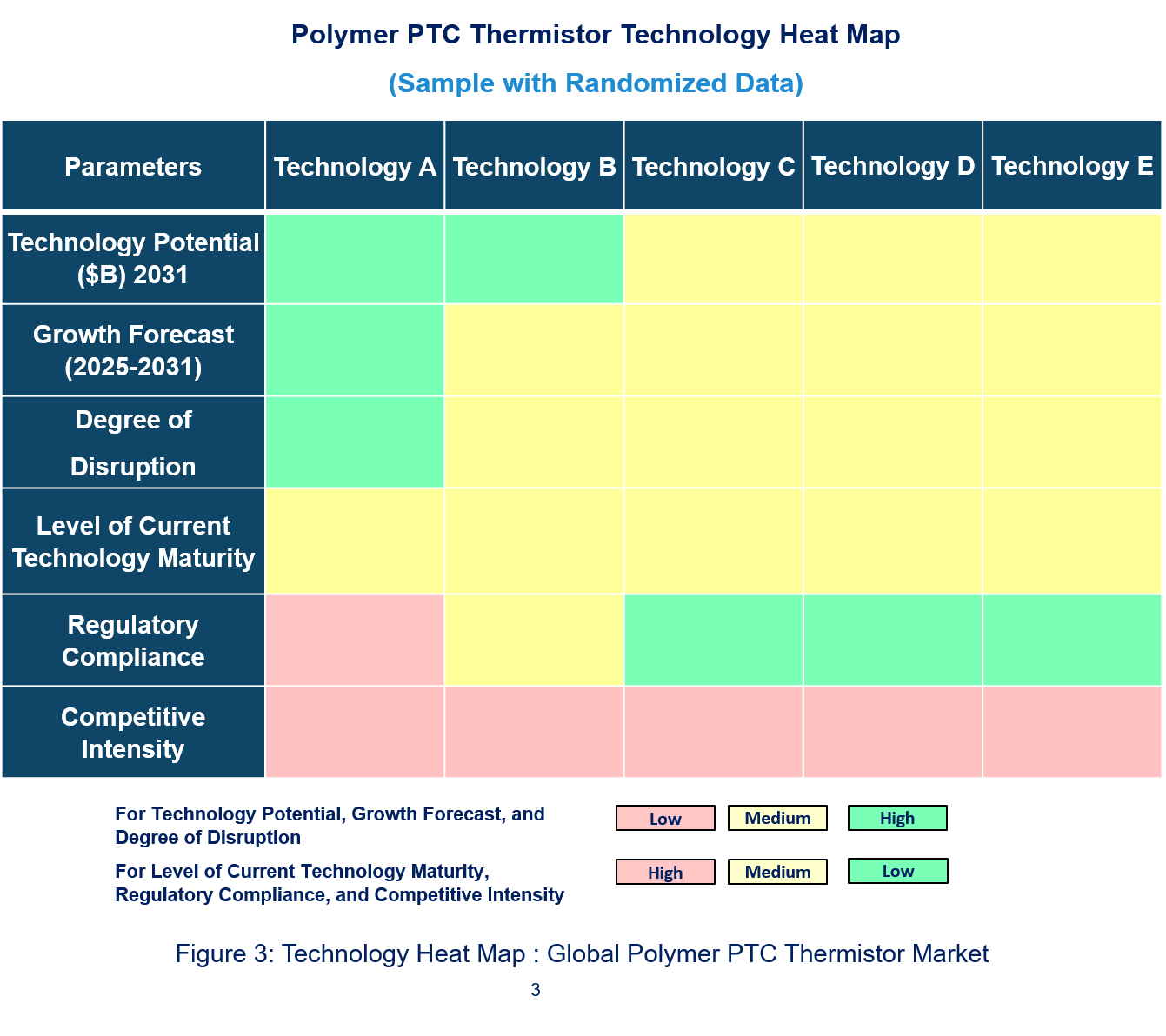
• Potential in Technology: There is great promise in applying polymer PTC thermistor technology to many uses, such as overcurrent protection, temperature sensing, and self-regulating heating systems. Therefore, its application can fit into many industries, from automobiles to consumer electronics.
• Degree of Disruption: The degree of disruption is moderate. While it does not drastically transform an industry, polymer PTC thermistors still offer step improvements in energy efficiency, miniaturization, and cost reduction. In specific applications, they are gradually replacing traditional fuses and thermal sensors.
• Current Technology Maturity Level: Polymer PTC thermistor technology is mature in many applications, with established manufacturing processes and widespread use in low-power electronics and circuit protection. Innovations in material science and integration with IoT and smart devices are expanding its capabilities.
• Regulatory Compliance: Regulatory frameworks governing the polymer PTC thermistor market are relatively well-defined, particularly regarding safety standards in electronics and automotive sectors. Compliance with international standards, such as RoHS and UL certifications, is essential for market acceptance. The polymer PTC thermistor market demonstrates strong growth potential, with its technology maturing steadily while meeting necessary regulatory standards.
• Littelfuse: Littelfuse continues to innovate in the area of polymer PTC thermistors, offering new products with enhanced overcurrent protection and thermal stability. Their thermistors are increasingly used in automotive electronics and consumer devices, where reliability and performance are critical.
• Murata Manufacturing: Murata is heavily investing in the development of high-performance polymer PTC thermistors, especially in smart electronics and automotive applications. Their advanced thermistors are designed to offer better thermal regulation and efficiency, satisfying the demands of modern electrical systems.
• TE Connectivity: TE Connectivity has focused on providing reliable polymer PTC thermistors for industrial applications. They have recently launched new product lines with faster response times and high energy efficiency, serving emerging markets like renewable energy.
• Bourns: Bourns has expanded its range of polymer PTC thermistors with innovative designs to enhance energy efficiency in consumer electronics and automotive markets. The company's new thermistors are designed for high-temperature applications and offer improved protection in critical systems.
• EPCOS AG (TDK Corporation): EPCOS AG has launched new polymer PTC thermistors with improved performance characteristics, such as higher voltage ratings and surge current capabilities. These developments are likely to significantly impact automotive and industrial applications where high reliability is essential.
• Vishay Intertechnology: Vishay focuses on polymer PTC thermistors that improve energy efficiency and offer quicker responses. The company is expanding its product offerings for both consumer and industrial markets by providing temperature regulation and protection where necessary.
• Amphenol Advanced Sensors: Amphenol has developed advanced polymer PTC thermistors for use in harsh environments. These thermistors provide reliable overcurrent protection with long-term ruggedness and performance in demanding industrial and automotive applications.
• Polytronics Technology Corporation: Polytronics has been focusing on enhancing the thermal conductivity and reliability of its polymer PTC thermistors. Their products are especially suited for consumer electronics and telecom markets, where fast technology advancements demand the best solutions.
• KOA Speer Electronics, Inc.: KOA Speer has introduced new polymer PTC thermistors with improved stability at high temperatures and faster recovery times. These innovations support the company's expansion into automotive and communications industries, where thermal management is more critical.
• Fuzetec Technology: Fuzetec recently launched polymer PTC thermistors with improved overcurrent protection capabilities, specifically designed for automotive applications. These thermistors improve efficiency in preventing short circuits and electrical faults, which are critical in automotive systems. The advancement of polymer PTC thermistors is driving growth in various end-use industries by improving performance, reliability, and energy efficiency.
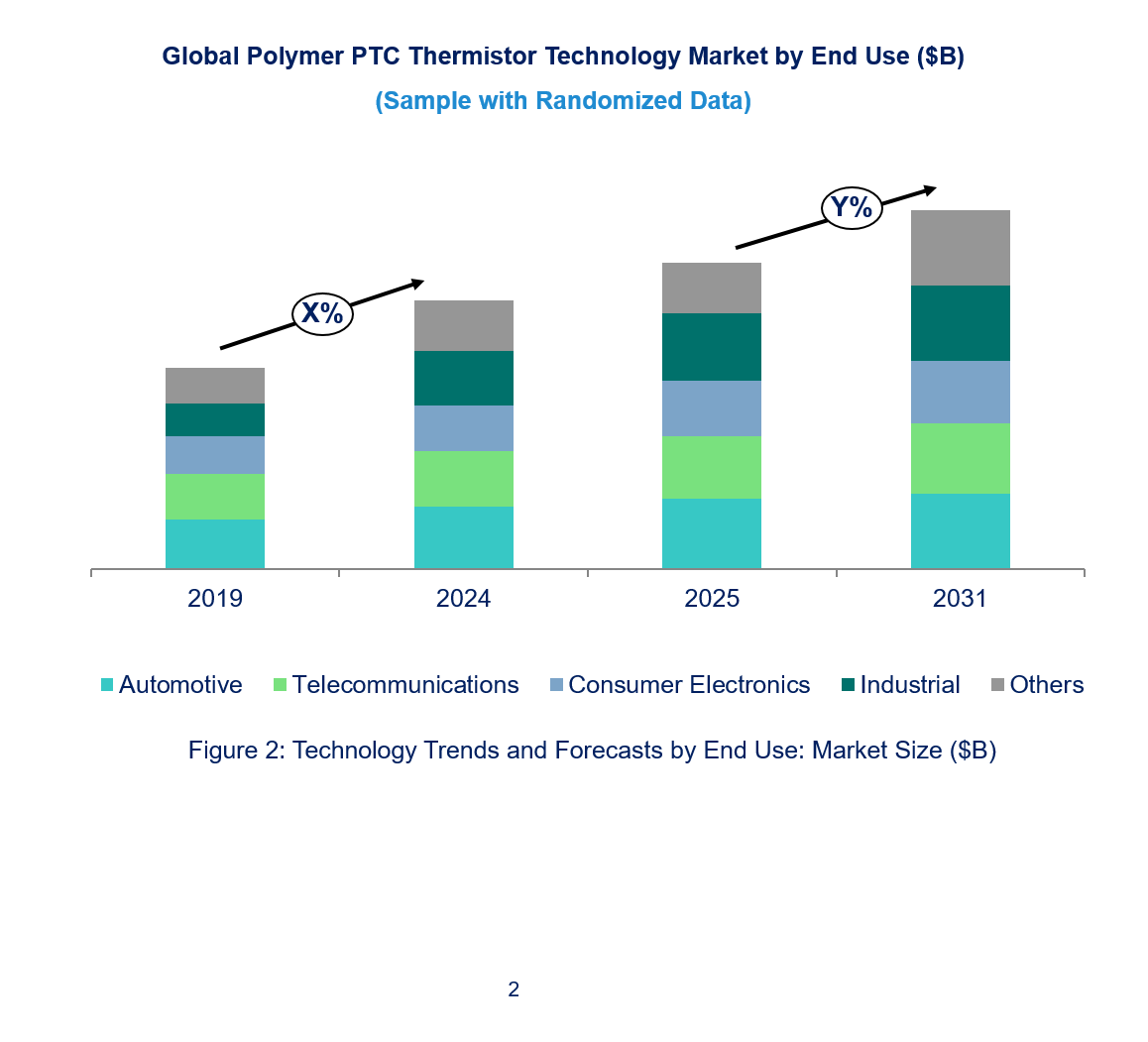
• Increasing Demand for Miniaturized Components: The demand for smaller, more efficient thermistors in consumer electronics and automotive systems is driving innovation. As devices become more compact, the need for miniaturized PTC thermistors that maintain high performance is growing rapidly.
• Rising Adoption of Electric Vehicles (EVs): The boom in electric vehicle production is boosting the demand for polymer PTC thermistors. These thermistors play a crucial role in regulating and protecting temperature in EV batteries and electrical components, driving growth in the automotive sector.
• Growth in the Renewable Energy Sector: The increased implementation of renewable energy systems, such as solar and wind power, is creating a rising need for reliable and efficient temperature protection solutions. Polymer PTC thermistors play a critical role in ensuring the safety and longevity of components within these systems.
• High Safety Standards in Electronics: The growing concerns for gadget safety and the need to provide overcurrent protection through polymer PTC thermistors are fueling market growth. Their widespread use of electronic devices is due to their ability to prevent overheating and reduce the risk of fire hazards. Challenges in the polymer PTC thermistor market include:
• Advanced Material Production Is Costly: The cost of developing and manufacturing advanced composite materials for PTC thermistors remains a challenge. Although these materials offer better performance, their higher production costs may limit their widespread acceptance, particularly in cost-sensitive markets.
• Competition from Alternative Technologies: The growing popularity of alternative temperature regulation technologies, such as NTC thermistors and solid-state protection devices, poses a threat to the polymer PTC thermistor market. These alternatives may offer cost-effective solutions in some applications, limiting the market share of polymer PTC thermistors.
• Regulatory Compliance and Environmental Concerns: Manufacturers must invest in basic and applied research and development to ensure polymer PTC thermistors continue to meet increasingly stringent environmental requirements. Such investments are crucial for making products more environmentally friendly while maintaining performance. The polymer PTC thermistor market is significantly influenced by emerging technologies, evolving customer needs, and regulatory pressures. Advances in miniaturization, materials science, and smart technologies are transforming the market landscape. However, to fully capitalize on growth opportunities, companies must overcome challenges such as high production costs and competition from alternative technologies. Overall, the market is likely to continue developing with the support of technological advancements and increasing energy efficiency and reliability requirements from various industries.
• Littelfuse, Inc.
• Murata Manufacturing Co., Ltd.
• TE Connectivity Ltd.
• Bourns, Inc.
• Epcos AG (A TDK Group Company)
• Vishay Intertechnology, Inc.
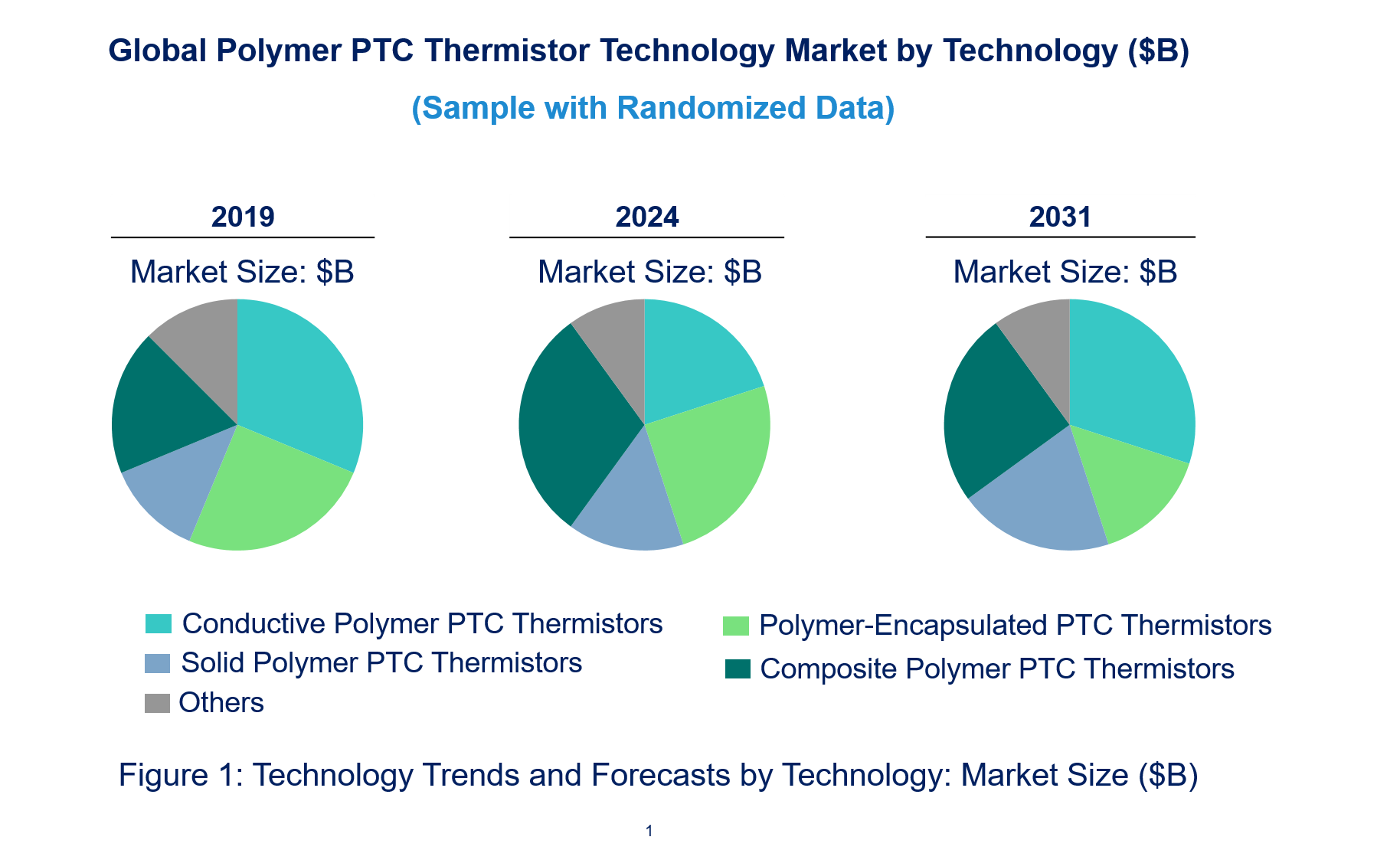
• Technology Readiness by Technology Type: Conductive polymer PTC thermistors are highly mature and widely used in consumer electronics. Polymer-encapsulated PTC thermistors are well-established, offering high performance in automotive and industrial applications. Solid polymer PTC thermistors are advanced but are being replaced by newer materials. Composite polymer PTC thermistors are emerging with high strength for specific applications. Other technologies, such as hybrid systems, are in the early stages. Competitive intensity is high in mature markets, and new technologies are focused on proving performance. Regulatory compliance remains critical, especially for high-temperature and industrial applications.
• Competing Intensity and Regulatory Compliance: The competitive intensity is high, with numerous technologies vying for market share. Conductive polymer PTC thermistors are the most preferred due to their versatility and low cost. Polymer-encapsulated PTC thermistors are favored for their environmental resistance. Solid polymer PTC thermistors are effective in high-performance sectors but face competition from newer materials. Composite polymer PTC thermistors are emerging in energy-efficient applications. Regulatory compliance is critical, especially in automotive and industrial applications, where strict RoHS and UL certifications ensure safety. Evolving regulations will drive further innovation across all technologies.
• Disruption Potential by Technology Type: Various polymer PTC thermistor technologies have significant disruption potential. Conductive polymer PTC thermistors are cost-efficient with excellent temperature stability, making them suitable for consumer electronics. Polymer-encapsulated PTC thermistors, with durability and resistance, are in demand for challenging environments. Solid polymer PTC thermistors find applications in high-performance sectors, especially in automotive and industrial applications. Composite polymer PTC thermistors, with improved conductivity and mechanical strength, are poised to disrupt energy-efficient solutions. Other emerging technologies, such as hybrid PTC thermistors, promise better performance and are driving innovation across industries, offering higher reliability and lower costs.
• Conductive Polymer PTC Thermistors
• Polymer-Encapsulated PTC Thermistors
• Solid Polymer PTC Thermistors
• Composite Polymer PTC Thermistors
• Others
• Automotive
• Telecommunications
• Consumer Electronics
• Industrial
• Others
• North America
• Europe
• Asia Pacific
• The Rest of the World
• Latest Developments and Innovations in the Polymer PTC Thermistor Technologies
• Companies / Ecosystems
• Strategic Opportunities by Technology Type




Choose a license that fits your team. Instant PDF delivery.
Prices exclude taxes. Instant delivery. Custom licensing available on request.
Market Report · May 18, 2026
Market Report · May 18, 2026
Market Report · May 18, 2026
Trusted partner for strategic intelligence and business growth


Receive a complimentary market analysis tailored to your industry. Our analysts will identify key growth opportunities and competitive dynamics specific to your business.

Market size, growth rate, and key trend analysis for your specific sector.

Top competitor positioning and market share analysis.

Strategic recommendations backed by data-driven insights.
Get curated market intelligence and competitive moves straight to your inbox.
By subscribing, you agree to receive our monthly insights. Unsubscribe anytime.
Receive a complimentary market analysis tailored to your industry. Our analysts will identify key growth opportunities and competitive dynamics specific to your business.
Market size, growth rate, and key trend analysis for your specific sector.
Top competitor positioning and market share analysis.
Strategic recommendations backed by data-driven insights.
Get curated market intelligence, emerging trends, and competitive moves straight to your inbox each month.
By subscribing, you agree to receive our monthly insights. Unsubscribe anytime.
We'll send your sample report shortly.