
Market Report · July 22, 2026

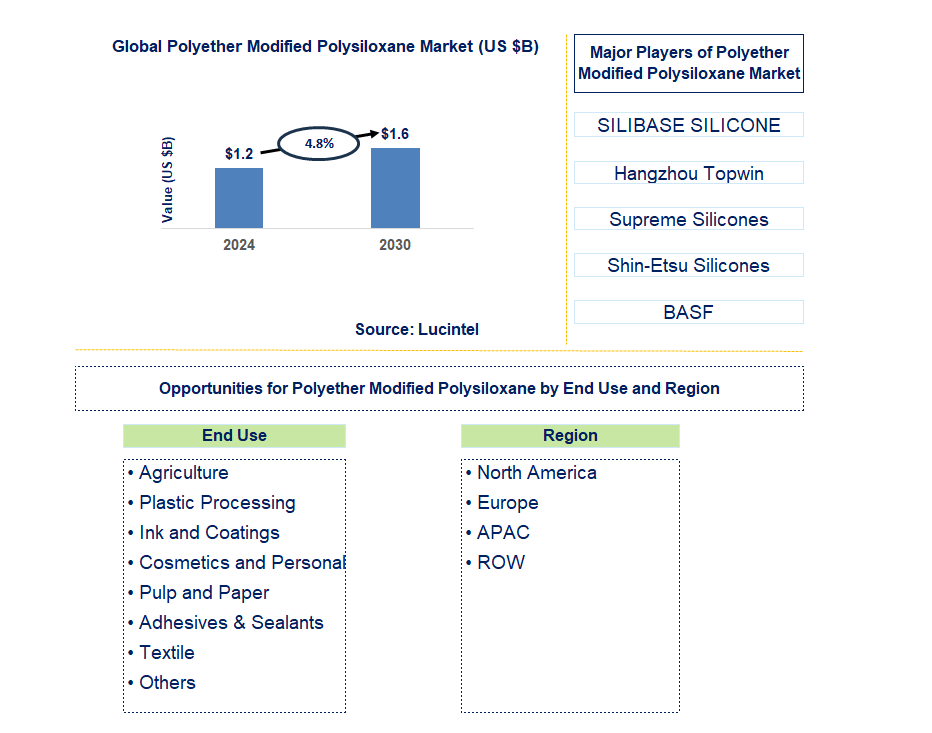
Key data points: The market size in 2030 = $1.6 billion, growth forecast = 4.8% annually for the next 6 years. Scroll below to get more insights. This market report covers trends, opportunities, and forecasts in the global polyether modified polysiloxane market to 2030 by end use (agriculture, plastic processing, ink and coatings, cosmetics and personal care, pulp and paper, adhesives & sealants, textile, and others) and region (North America, Europe, Asia Pacific, and the Rest of the World)
We'll send your sample report shortly.
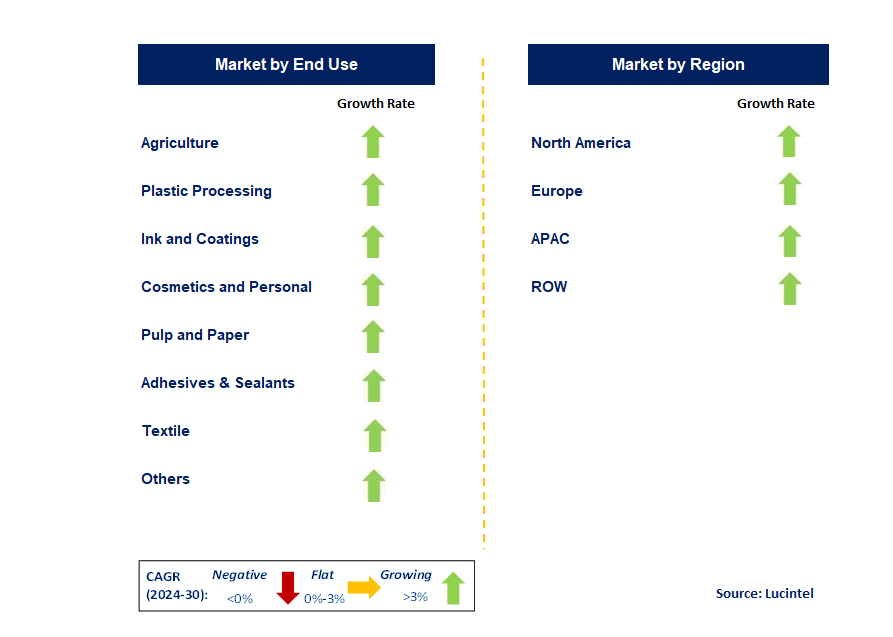
• Lucintel forecasts that, within the end-use category market, agriculture will remain the largest segment due to growing application of polyether modified polysiloxane in agricultural settings for fertilizer adjuvants, seed treatment, and crop protection.
• In terms of regions, APAC is expected to witness the highest growth over the forecast period. Gain valuable insights for your business decisions with our 150+ page report.
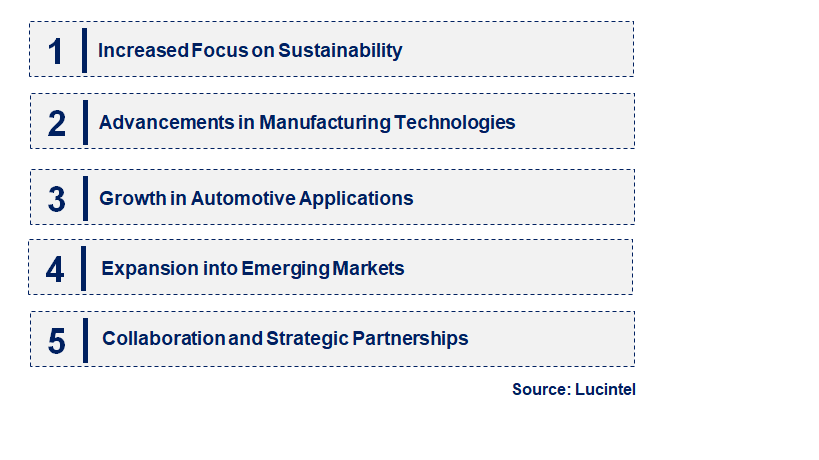
• Increased Focus on Sustainability: The push towards sustainability is driving innovation in PMP formulations to reduce environmental impact. Manufacturers are developing eco-friendly alternatives with lower volatile organic compound emissions and improved recyclability. This trend aligns with global regulatory pressures and consumer demand for greener products, impacting market growth by encouraging the adoption of sustainable practices across various industries.
• Advancements in Manufacturing Technologies: New manufacturing technologies are enhancing the production efficiency and quality of PMP materials. Innovations such as advanced synthesis techniques and automation are reducing production costs and improving product consistency. This trend is expanding the application scope of PMPs and allowing for more customized solutions to meet specific industry needs.
• Growth in Automotive Applications: The automotive industry is increasingly adopting PMP materials for their superior performance characteristics, such as enhanced durability and temperature resistance. Innovations in PMP technology are enabling the development of advanced coatings, sealants, and gaskets that improve vehicle performance and longevity. This trend is driving significant growth in the PMP market, particularly in regions with strong automotive sectors.
• Expansion into Emerging Markets: Emerging markets, such as India and Southeast Asia, are experiencing rapid industrialization and infrastructure development, creating new opportunities for PMP applications. The growing demand for high-performance materials in construction, electronics, and automotive sectors is fueling market expansion. Companies are exploring these regions to tap into new customer bases and leverage favorable economic conditions.
• Collaboration and Strategic Partnerships: Collaboration between PMP manufacturers, research institutions, and end-users is driving innovation and market growth. Strategic partnerships are facilitating the development of advanced PMP solutions and expanding market reach. These collaborations enable the sharing of expertise and resources, leading to the creation of cutting-edge products and the exploration of new application areas. These trends are reshaping the PMP market by driving innovation, improving sustainability, and expanding application areas. The focus on eco-friendly products and advanced manufacturing technologies is enhancing product performance and reducing environmental impact. Growth in automotive and emerging markets presents new opportunities for market expansion, while collaborations and partnerships are accelerating technological advancements. Collectively, these trends are positioning the PMP market for continued growth and transformation.
• Innovations in Eco-Friendly Formulations: Developers are increasingly focusing on creating eco-friendly PMP formulations that meet stringent environmental regulations. These innovations include reducing volatile organic compound emissions and enhancing recyclability. The shift towards greener products is driven by both regulatory requirements and growing consumer demand for sustainable solutions, impacting market dynamics by promoting environmentally responsible practices.
• Enhanced Performance in Automotive Applications: Recent advancements have led to the development of high-performance PMP materials specifically designed for automotive applications. These materials offer improved durability, temperature resistance, and overall performance, contributing to the growth of the PMP market in the automotive sector. The increased use of PMPs in automotive coatings and sealants is enhancing vehicle longevity and reliability.
• Expansion of Production Capacities: To meet rising demand, manufacturers are investing in expanding their production capacities. This includes upgrading existing facilities and developing new production lines. The increase in production capabilities is aimed at improving supply chain efficiency and meeting the growing needs of diverse industries, including construction, electronics, and automotive.
• Strategic Mergers and Acquisitions: The PMP market is seeing a rise in strategic mergers and acquisitions as companies seek to enhance their market position and expand their product portfolios. These strategic moves are designed to leverage synergies, access new technologies, and enter new markets. Mergers and acquisitions are reshaping the competitive landscape and driving consolidation in the industry.
• Focus on Customization and Specialized Applications: There is a growing trend towards developing customized PMP solutions tailored to specific industry needs. Manufacturers are investing in research and development to create specialized products that address unique application requirements. This focus on customization is enabling companies to cater to niche markets and differentiate themselves from competitors. These recent developments are significantly impacting the PMP market by driving technological advancements, expanding production capabilities, and reshaping the competitive landscape. Innovations in eco-friendly formulations and enhanced performance in automotive applications are setting new industry standards. The expansion of production capacities and strategic mergers are positioning companies for growth, while a focus on customization is meeting diverse market needs. Overall, these developments are contributing to a more dynamic and competitive PMP market.
• Construction Industry: The construction sector represents a significant growth opportunity for PMPs due to their use in high-performance sealants, coatings, and adhesives. PMPs offer superior durability and weather resistance, making them ideal for construction applications. Ongoing infrastructure development and urbanization projects globally are driving demand for advanced construction materials, creating a lucrative market for PMP products.
• Automotive Sector: The automotive industry is a major growth area for PMPs, with applications in coatings, sealants, and gaskets. PMPs provide essential properties such as high-temperature resistance, flexibility, and durability. As automotive manufacturers seek to enhance vehicle performance and longevity, the demand for advanced PMP materials is expected to rise. Innovations in automotive technology and increasing vehicle production further drive this opportunity.
• Electronics Industry: The electronics sector is another promising area for PMP growth, particularly in applications such as encapsulants, coatings, and adhesives. PMPs offer excellent electrical insulation properties and resistance to environmental factors, making them suitable for electronic components and devices. With the expanding consumer electronics market and advancements in electronic technology, there is growing demand for high-quality PMP materials.
• Healthcare and Medical Devices: PMPs are finding increasing use in the healthcare industry, especially in medical devices and diagnostics. Their biocompatibility, flexibility, and durability make them ideal for applications such as medical implants, seals, and coatings. The growing emphasis on healthcare innovation and the development of advanced medical technologies present substantial opportunities for PMP suppliers in this sector.
• Aerospace Industry: The aerospace sector offers significant growth potential for PMPs due to their application in high-performance coatings, sealants, and adhesives. PMPs provide the necessary properties for aerospace components, including temperature stability and resistance to harsh conditions. As the aerospace industry continues to advance with new technologies and materials, the demand for specialized PMP products is expected to increase. These strategic growth opportunities are shaping the PMP market by driving demand across various applications. The construction, automotive, electronics, healthcare, and aerospace sectors present significant potential for market expansion and innovation. Companies that effectively leverage these opportunities can gain a competitive edge and capitalize on emerging trends, contributing to overall market growth and diversification.
• Technological Advancements: Technological innovation is a key driver in the PMP market, leading to the development of high-performance materials with enhanced properties. Advances in manufacturing techniques and formulation technologies are improving product quality and expanding application areas. These innovations are enabling companies to meet evolving market demands and maintain a competitive edge.
• Growing Demand in Automotive and Construction Sectors: The increasing demand for high-performance materials in the automotive and construction sectors is driving PMP market growth. PMPs offer superior properties such as durability, flexibility, and weather resistance, making them ideal for applications in these industries. The expansion of infrastructure projects and the growth of the automotive sector are significant contributors to market demand.
• Focus on Sustainability: There is a growing emphasis on sustainability within the PMP market, with manufacturers developing eco-friendly formulations and processes. This shift is driven by regulatory pressures and consumer demand for greener products. The adoption of sustainable practices is enhancing the market appeal and aligning with global environmental goals.
• Expansion of Production Capacities: To meet rising demand, companies are investing in expanding production capacities and upgrading facilities. Increased production capabilities are improving supply chain efficiency and enabling manufacturers to serve a broader range of applications. This expansion supports market growth by addressing supply constraints and enhancing product availability.
• Strategic Collaborations and Partnerships: Strategic collaborations between PMP manufacturers, research institutions, and industry partners are driving innovation and market expansion. These partnerships facilitate the development of advanced PMP solutions and enable companies to leverage expertise and resources. Collaborative efforts are accelerating technological advancements and enhancing market competitiveness. Challenges in the polyether modified polysiloxane market include:
• Regulatory Compliance: The PMP market faces challenges related to regulatory compliance, particularly regarding environmental and safety standards. Stringent regulations on volatile organic compound emissions and material safety require manufacturers to invest in compliance measures and adapt product formulations. Navigating regulatory requirements can be complex and resource-intensive for companies.
• Market Competition: Intense competition within the PMP market poses a challenge for manufacturers seeking to differentiate themselves and maintain market share. The presence of numerous players and the constant drive for innovation create a competitive landscape where companies must continually innovate and optimize their offerings.
• Raw Material Costs: Fluctuations in raw material costs can impact the PMP market by affecting production costs and pricing strategies. Changes in the prices of key raw materials, such as silicone and polyether, can influence profitability and market dynamics. Managing raw material costs is crucial for maintaining competitive pricing and profitability. The drivers and challenges impacting the PMP market highlight the complex dynamics influencing market growth and development. Technological advancements, growing demand in key sectors, and a focus on sustainability are driving market expansion, while regulatory compliance, market competition, and raw material costs present significant challenges. Understanding these factors is essential for companies to navigate the market effectively and capitalize on opportunities.
• SILIBASE SILICONE
• Hangzhou Topwin Technology Development
• Supreme Silicones
• Shin-Etsu Silicones
• BASF
• Evonik Industries
• Anhui Sinograce Chemical
• Elkem Silicones
• Gelest
• ASTRACHEM
• Agriculture
• Plastic Processing
• Ink and Coatings
• Cosmetics and Personal Care
• Pulp and Paper
• Adhesives & Sealants
• Textile
• Others
• North America
• Europe
• Asia Pacific
• The Rest of the World
• United States: Recent developments in the U.S. PMP market are characterized by increased research and development investments aimed at improving product performance and sustainability. Companies are focusing on developing eco-friendly formulations to meet stringent environmental regulations and consumer preferences. Innovations in PMP technology are driving advancements in sectors such as automotive and construction, where improved performance and durability are highly valued. The market is seeing a rise in collaborations between manufacturers and research institutions to accelerate product innovation and market reach.
• China: In China, the PMP market is witnessing rapid growth driven by expanding industrial sectors and rising demand for high-performance materials. The country's focus on enhancing manufacturing capabilities and adopting advanced technologies is fueling market expansion. Chinese companies are investing in new production techniques and materials to boost efficiency and reduce costs. Additionally, the Chinese government support for high-tech industries is encouraging the development of innovative PMP solutions, which are increasingly used in electronics, automotive, and construction applications.
• Germany: Germany’s PMP market is evolving with a strong emphasis on sustainability and environmental impact. German manufacturers are investing in green technologies and processes to align with Europe’s strict environmental regulations. The market is characterized by a high level of innovation, with German companies leading in the development of advanced PMP formulations for specialized applications in automotive, aerospace, and consumer goods. Collaborative efforts between industry players and research institutions are driving technological advancements and market growth.
• India: India’s PMP market is experiencing significant growth due to increased industrialization and infrastructure development. The demand for polyether modified polysiloxanes is rising in construction, automotive, and electronics sectors, driven by the need for high-performance and cost-effective materials. Indian manufacturers are focusing on enhancing production capabilities and exploring new applications for PMP. Additionally, government initiatives aimed at boosting manufacturing and technology sectors are contributing to the growth of the PMP market in India.
• Japan: Japan’s PMP market is characterized by technological innovation and a strong emphasis on product quality and performance. Japanese companies are investing in advanced research and development to create high-performance PMP materials for various applications, including electronics, automotive, and healthcare. The market is seeing increased collaboration between Japanese firms and international partners to leverage global expertise and expand market presence. Japan’s commitment to precision and excellence continues to drive advancements and growth in the PMP sector.


• SILIBASE SILICONE
• Hangzhou Topwin Technology Development
• Supreme Silicones
• Shin-Etsu Silicones
• BASF
• Evonik Industries
• Anhui Sinograce Chemical
• Elkem Silicones
• Gelest
• ASTRACHEM Q6. In polyether modified polysiloxane market, which region is expected to be the largest in next 5 years? Answer: APAC is expected to witness the highest growth over the forecast period. Q.7. Do we receive customization in this report? Answer: Yes, Lucintel provides 10% customization without any additional cost. Q.8 Do we receive customization in this report? Answer: Yes, Lucintel provides 10% customization without any additional cost.


Choose a license that fits your team. Instant PDF delivery.
Prices exclude taxes. Instant delivery. Custom licensing available on request.
Market Report · July 22, 2026
Market Report · July 22, 2026
Market Report · July 22, 2026
Trusted partner for strategic intelligence and business growth


Receive a complimentary market analysis tailored to your industry. Our analysts will identify key growth opportunities and competitive dynamics specific to your business.

Market size, growth rate, and key trend analysis for your specific sector.

Top competitor positioning and market share analysis.

Strategic recommendations backed by data-driven insights.
Get curated market intelligence and competitive moves straight to your inbox.
By subscribing, you agree to receive our monthly insights. Unsubscribe anytime.
Receive a complimentary market analysis tailored to your industry. Our analysts will identify key growth opportunities and competitive dynamics specific to your business.
Market size, growth rate, and key trend analysis for your specific sector.
Top competitor positioning and market share analysis.
Strategic recommendations backed by data-driven insights.
Get curated market intelligence, emerging trends, and competitive moves straight to your inbox each month.
By subscribing, you agree to receive our monthly insights. Unsubscribe anytime.
We'll send your sample report shortly.