
Market Report · July 22, 2026

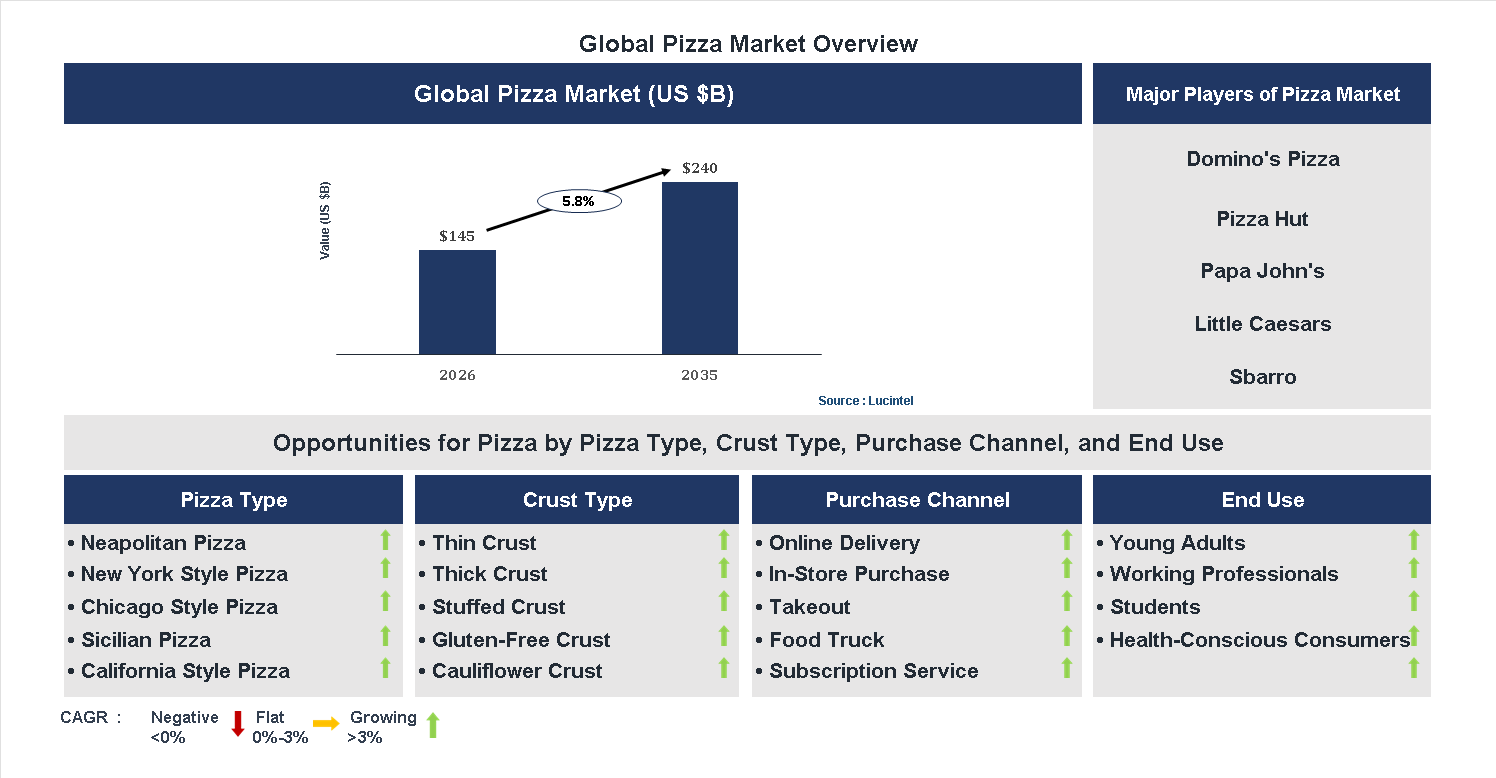
Key data points: The market size in 2035 = $240 billion, growth forecast = 5.8% annually for the next 8 years. Scroll below to get more insights. This market report covers trends, opportunities and forecasts in pizza market to 2035 by pizza type (neapolitan pizza, new york style pizza, chicago style pizza, sicilian pizza, and california style pizza), crust type (thin crust, thick crust, stuffed crust, gluten-free crust, and cauliflower crust), purchase channel (online delivery, in-store purchase, takeout, food truck, and subscription service), end use (young adults, working professionals, students, and health-conscious consumers), and region (North America, Europe, Asia Pacific, and the Rest of the World)
We'll send your sample report shortly.
• Lucintel forecasts that, within the pizza type category, neapolitan pizza is expected to witness the highest growth over the forecast period.
• Within the end use category, young adult is expected to witness the highest growth.
• In terms of region, North America is expected to witness the highest growth over the forecast period. Gain valuable insights for your business decisions with our comprehensive 150+ page report. Sample figures with some insights are shown below.
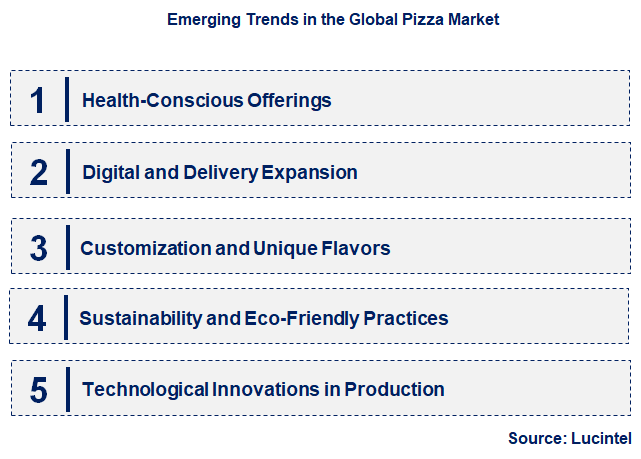
• Health-Conscious Offerings: Growing demand for healthier pizzas has led to the introduction of gluten-free, vegan, and low-calorie options. Consumers are increasingly prioritizing nutrition, prompting pizzerias to incorporate organic ingredients, plant-based toppings, and whole-grain crusts. This trend broadens market reach to health-focused demographics and enhances brand reputation by aligning with wellness values. As a result, businesses are innovating their menus to cater to diverse dietary needs, which boosts sales and customer loyalty in a competitive environment.
• Digital and Delivery Expansion: The rise of online ordering platforms and food delivery apps has transformed the purchasing process. Consumers now prefer the convenience of ordering from their smartphones, leading to increased sales channels for pizza brands. This trend encourages the development of user-friendly apps, contactless payments, and real-time tracking. It also enables businesses to reach a wider audience beyond traditional dine-in customers. The digital shift enhances operational efficiency and provides valuable data insights, allowing for targeted marketing and personalized customer experiences.
• Customization and Unique Flavors: Consumers are seeking personalized pizza options with unique toppings and flavor combinations. This trend drives pizzerias to offer build-your-own pizza models and experiment with international cuisines, such as Thai or Mediterranean-inspired toppings. Customization enhances customer engagement and satisfaction, fostering brand loyalty. It also allows businesses to differentiate themselves in a crowded market by providing innovative and memorable dining experiences. The focus on unique flavors caters to adventurous eaters and foodies, expanding market appeal.
• Sustainability and Eco-Friendly Practices: Environmental concerns are influencing the pizza industry to adopt sustainable sourcing, reduce waste, and implement eco-friendly packaging. Businesses are sourcing ingredients locally to lower carbon footprints and using biodegradable or recyclable packaging materials. These practices appeal to environmentally conscious consumers and enhance corporate social responsibility profiles. Sustainability initiatives can also lead to cost savings and operational efficiencies. As consumers increasingly prioritize brands with strong environmental values, this trend is shaping the industry’s future direction and competitive landscape.
• Technological Innovations in Production: Automation and advanced kitchen technologies are improving efficiency and consistency in pizza production. Robotic pizza makers, AI-driven inventory management, and smart ovens are becoming more prevalent. These innovations reduce labor costs, minimize errors, and ensure uniform quality. They also enable faster service, which is crucial in high-volume settings. The integration of technology enhances operational scalability and allows businesses to adapt quickly to changing demand patterns. Embracing these innovations positions companies at the forefront of industry modernization, ultimately driving growth and customer satisfaction. In summary, these trends are reshaping the pizza market by emphasizing health, convenience, personalization, sustainability, and technological advancement. They are enabling businesses to meet evolving consumer expectations, improve operational efficiency, and differentiate themselves in a competitive landscape. As these developments continue to evolve, they will define the future trajectory of the industry, fostering innovation and growth opportunities.
• Expansion of Health-Conscious Pizza Options: The rise in health awareness has prompted pizzerias to introduce gluten-free, vegan, and low-calorie pizzas. This shift caters to a broader consumer base seeking nutritious alternatives, increasing sales and market share. Brands investing in healthier ingredients and transparent labeling are gaining a competitive edge, fostering customer loyalty and expanding their reach in health-focused demographics.
• Adoption of Digital and Contactless Ordering: The integration of mobile apps, online platforms, and contactless payment systems has revolutionized ordering processes. This convenience enhances customer experience, reduces wait times, and boosts sales volume. Businesses leveraging technology can gather valuable data for targeted marketing, optimize delivery logistics, and adapt quickly to consumer preferences, thereby strengthening their market position amid increasing digital adoption.
• Focus on Sustainability and Eco-Friendly Practices: Consumers are increasingly prioritizing environmentally responsible brands. Pizzerias adopting sustainable sourcing, eco-friendly packaging, and waste reduction initiatives appeal to eco-conscious customers. These practices not only enhance brand reputation but also reduce operational costs. Companies leading in sustainability are likely to attract a loyal customer base, differentiate themselves, and comply with evolving regulations, thus securing long-term growth.
• Innovation in Flavors and Customization: The demand for unique flavors and personalized pizzas is driving innovation in the market. Offering diverse toppings, regional flavors, and customizable options attracts adventurous consumers and enhances customer satisfaction. This trend encourages brand differentiation and allows businesses to tap into niche markets, fostering customer engagement and increasing sales through creative product offerings.
• Expansion into Emerging Markets: Emerging economies present untapped potential due to rising disposable incomes and urbanization. Entering these markets with tailored products and localized marketing strategies can significantly boost revenue streams. Establishing a presence early allows brands to build brand loyalty and capture market share, positioning themselves for sustained growth as these regions develop their foodservice sectors. These developments are transforming the pizza market by fostering innovation, enhancing customer experience, and emphasizing sustainability. The integration of health-conscious options, digital platforms, and eco-friendly practices is driving growth and competitiveness. Expanding into emerging markets offers additional opportunities for revenue diversification. Overall, these trends are creating a more dynamic, customer-centric, and sustainable industry, positioning businesses to thrive in an evolving landscape and meet future consumer demands effectively.
• Expansion into Health-Conscious and Plant-Based Offerings: The rising demand for healthier and plant-based foods presents a significant growth opportunity for the pizza market. Brands can develop vegan, gluten-free, and low-calorie options to attract health-conscious consumers. Incorporating superfoods and organic ingredients can further differentiate products. This shift caters to evolving dietary preferences, broadens the customer base, and increases sales. Emphasizing transparency and nutritional benefits will be key to capturing this segment’s loyalty and expanding market share.
• Adoption of Advanced Technology for Enhanced Customer Experience: Leveraging technology such as AI, mobile apps, and contactless ordering can streamline the customer journey. Personalized recommendations, real-time order tracking, and seamless payment options improve convenience and satisfaction. Automation in kitchen operations and delivery logistics can reduce costs and increase efficiency. Investing in digital platforms enables brands to gather valuable consumer data, tailor marketing strategies, and foster loyalty, ultimately driving growth and competitive advantage in a crowded marketplace.
• Expansion into Emerging Markets with Growing Middle-Class Populations: Emerging economies with expanding middle classes offer vast growth potential for pizza brands. Urbanization, increased disposable income, and changing lifestyles are fueling demand for convenient dining options. Localizing menus to suit regional tastes and preferences can enhance acceptance. Strategic partnerships, franchising, and targeted marketing campaigns will facilitate market entry and expansion. Tapping into these markets can significantly boost revenue streams and establish a global footprint for pizza companies.
• Innovation in Delivery and Takeout Services: The rise of on-demand delivery platforms has revolutionized how consumers access pizza. Investing in efficient logistics, contactless delivery, and innovative packaging can improve service quality. Collaborations with third-party apps and the development of proprietary delivery networks expand reach. Emphasizing speed, reliability, and safety will attract more customers. This focus on convenience aligns with modern lifestyles, enabling brands to increase sales volume, penetrate new customer segments, and stay competitive in a fast-evolving market.
• Development of Unique and Gourmet Pizza Offerings: Consumers are increasingly seeking premium, artisanal, and gourmet pizza options. Incorporating exotic ingredients, creative toppings, and innovative cooking techniques can differentiate brands. Limited-edition flavors and customizable options appeal to adventurous eaters. Collaborations with renowned chefs or local artisans can enhance brand prestige. Offering unique dining experiences through specialty pizzas can command higher price points, attract food enthusiasts, and foster brand loyalty, fueling overall market growth through premium product lines. These strategic growth opportunities are poised to significantly influence the pizza market by expanding consumer bases, enhancing operational efficiencies, and fostering innovation. Embracing health trends, technological advancements, and global expansion will enable brands to adapt to evolving preferences and competitive pressures. As companies capitalize on these opportunities, the market will experience sustained growth, diversification, and increased consumer engagement, shaping a vibrant and resilient industry landscape.
• Technological Advancements: The integration of digital ordering systems, mobile apps, and AI-driven delivery logistics has significantly enhanced customer convenience and operational efficiency. These innovations enable real-time order tracking, personalized marketing, and streamlined supply chain management, leading to increased sales and customer satisfaction. As technology continues to evolve, pizza brands can better analyze consumer preferences and optimize their offerings, fostering loyalty and expanding market reach.
• Changing Consumer Preferences: There is a growing demand for diverse, customizable, and healthier pizza options. Consumers are increasingly seeking organic ingredients, gluten-free crusts, and plant-based toppings, reflecting a shift towards wellness and sustainability. This trend encourages vendors to innovate and diversify their menus, catering to niche markets and expanding their customer base. Meeting these preferences is vital for maintaining competitiveness and capturing new segments.
• Economic Factors: Fluctuations in disposable income and economic stability directly influence consumer spending on dining and takeout. During economic downturns, consumers tend to cut back on dining out, impacting sales. Conversely, economic growth boosts discretionary spending, benefiting the pizza market. Additionally, rising ingredient costs and labor expenses can affect profit margins, prompting companies to optimize operations and pricing strategies to sustain growth.
• Market Expansion and Franchising: The proliferation of pizza chains and franchising models has facilitated rapid market expansion across regions and countries. This growth is driven by brand recognition, standardized quality, and scalable business models, enabling companies to reach wider audiences. International expansion also introduces new cultural flavors and preferences, fostering innovation and increasing overall market size.
• Innovation in Product Offerings: Continuous innovation in flavors, crust types, and packaging has kept the market vibrant. Limited-time offers, regional specialties, and fusion cuisines attract consumers seeking novelty. Additionally, eco-friendly packaging solutions appeal to environmentally conscious customers. These innovations help brands differentiate themselves, boost sales, and adapt to evolving market trends. The challenges facing the pizza market include:
• Regulatory Compliance: Stringent food safety standards, labeling requirements, and environmental regulations pose operational challenges. Companies must invest in compliance measures, which can increase costs and complexity. Non-compliance risks legal penalties and damage to brand reputation, making regulatory adherence a critical aspect of market sustainability.
• Supply Chain Disruptions: The pizza industry relies heavily on a steady supply of fresh ingredients and packaging materials. Disruptions caused by geopolitical issues, pandemics, or climate change can lead to shortages, increased costs, and delays. Managing resilient supply chains is essential to maintain product quality and customer satisfaction amid these uncertainties.
• Intense Competition: The market is highly competitive, with numerous local pizzerias, international chains, and new entrants vying for market share. Price wars, promotional battles, and innovation races can erode profit margins. Differentiating offerings and maintaining brand loyalty are ongoing challenges for companies seeking sustainable growth. In summary, the Pizza Market is shaped by technological innovations, shifting consumer preferences, economic conditions, and expansion strategies, which collectively drive growth. However, regulatory compliance, supply chain issues, and fierce competition present significant hurdles. Navigating these drivers and challenges requires strategic agility and continuous innovation. Overall, the markets future depends on how effectively companies adapt to evolving trends and mitigate risks, ensuring sustained growth and customer engagement in a competitive landscape.
• Dominos Pizza
• Pizza Hut
• Papa Johns
• Little Caesars
• Sbarro
• California Pizza Kitchen
• Round Table Pizza
• Neapolitan Pizza
• New York Style Pizza
• Chicago Style Pizza
• Sicilian Pizza
• California Style Pizza
• Thin Crust
• Thick Crust
• Stuffed Crust
• Gluten-Free Crust
• Cauliflower Crust
• Online Delivery
• In-Store Purchase
• Takeout
• Food Truck
• Subscription Service
• Young Adults
• Working Professionals
• Students
• Health-Conscious Consumers
• North America
• Europe
• Asia Pacific
• The Rest of the World
• United States: The US pizza market is experiencing a boom in delivery and takeout services, with a notable increase in demand for plant-based and gluten-free options. Major chains are investing in digital ordering platforms and contactless payments, enhancing customer convenience. There is also a rising trend of gourmet and artisanal pizzas, emphasizing unique toppings and high-quality ingredients. Consumer preferences are shifting towards healthier options, prompting innovations in crust and sauce formulations. Additionally, regional and ethnic pizza styles are gaining popularity, reflecting diverse culinary influences across the country.
• China: The Chinese pizza market is rapidly expanding, driven by urbanization and increasing disposable incomes. Premium and gourmet pizza segments are growing, with consumers seeking unique flavors and high-quality ingredients. Digital ordering platforms like Maiduan and Ele.me are facilitating widespread access and convenience. International brands are localizing their menus to suit Chinese tastes, incorporating ingredients like Peking duck and spicy Sichuan flavors. The market also sees a rise in home delivery and online marketing strategies, making pizza more accessible to a broader demographic. This growth is supported by a young, tech-savvy population eager for new culinary experiences.
• Germany: The German pizza market is characterized by a focus on organic, locally sourced ingredients and sustainability. Consumers are increasingly interested in eco-friendly packaging and ethical sourcing practices. The market is witnessing a rise in artisanal and thin-crust pizzas, often made with organic flour and fresh toppings. Delivery and takeaway services are expanding, with many local pizzerias adopting online ordering systems. There is also a growing demand for vegetarian and vegan options, reflecting broader dietary trends. The market is evolving with innovative flavors and a focus on quality, catering to health-conscious and environmentally aware consumers.
• India: The Indian pizza market is experiencing rapid growth, driven by the popularity of international pizza chains and local adaptations. Consumers are seeking innovative flavors that incorporate regional spices and ingredients, such as paneer, tandoori chicken, and masala toppings. The delivery infrastructure is improving, making pizza more accessible across urban and semi-urban areas. There is a rising trend of fusion pizzas that blend Western and Indian culinary elements. Local brands are expanding their presence, offering affordable options to a broad demographic. The market is also witnessing increased adoption of online ordering and digital marketing strategies to attract younger consumers.
• Japan: The Japanese pizza market is embracing artisanal and fusion concepts, emphasizing high-quality ingredients and creative toppings. There is a strong focus on presentation and unique flavor combinations, often incorporating local ingredients like seafood and seasonal vegetables. Consumers show a preference for gourmet and boutique pizzerias, which emphasize craftsmanship and authenticity. Delivery services are widely used, with many outlets offering innovative menu options tailored to Japanese tastes. The market also sees a trend toward health-conscious choices, including low-calorie and gluten-free options. Overall, Japan’s pizza scene is characterized by a blend of tradition and innovation, appealing to diverse consumer preferences.


• Dominos Pizza
• Pizza Hut
• Papa Johns
• Little Caesars
• Sbarro
• California Pizza Kitchen
• Round Table Pizza Q6. Which pizza market segment will be the largest in future? Answer: Lucintel forecasts that, within the pizza type category, neapolitan pizza is expected to witness the highest growth over the forecast period. Q7. In pizza market, which region is expected to be the largest in next 5 years? Answer: In terms of region, North America is expected to witness the highest growth over the forecast period. Q8. Do we receive customization in this report? Answer: Yes, Lucintel provides 10% customization without any additional cost.


Choose a license that fits your team. Instant PDF delivery.
Prices exclude taxes. Instant delivery. Custom licensing available on request.
Market Report · July 22, 2026
Market Report · July 22, 2026
Market Report · July 22, 2026
Trusted partner for strategic intelligence and business growth


Receive a complimentary market analysis tailored to your industry. Our analysts will identify key growth opportunities and competitive dynamics specific to your business.

Market size, growth rate, and key trend analysis for your specific sector.

Top competitor positioning and market share analysis.

Strategic recommendations backed by data-driven insights.
Get curated market intelligence and competitive moves straight to your inbox.
By subscribing, you agree to receive our monthly insights. Unsubscribe anytime.
Receive a complimentary market analysis tailored to your industry. Our analysts will identify key growth opportunities and competitive dynamics specific to your business.
Market size, growth rate, and key trend analysis for your specific sector.
Top competitor positioning and market share analysis.
Strategic recommendations backed by data-driven insights.
Get curated market intelligence, emerging trends, and competitive moves straight to your inbox each month.
By subscribing, you agree to receive our monthly insights. Unsubscribe anytime.
We'll send your sample report shortly.