
Report Feature
Pet Diagnosis Market Trends and Forecast
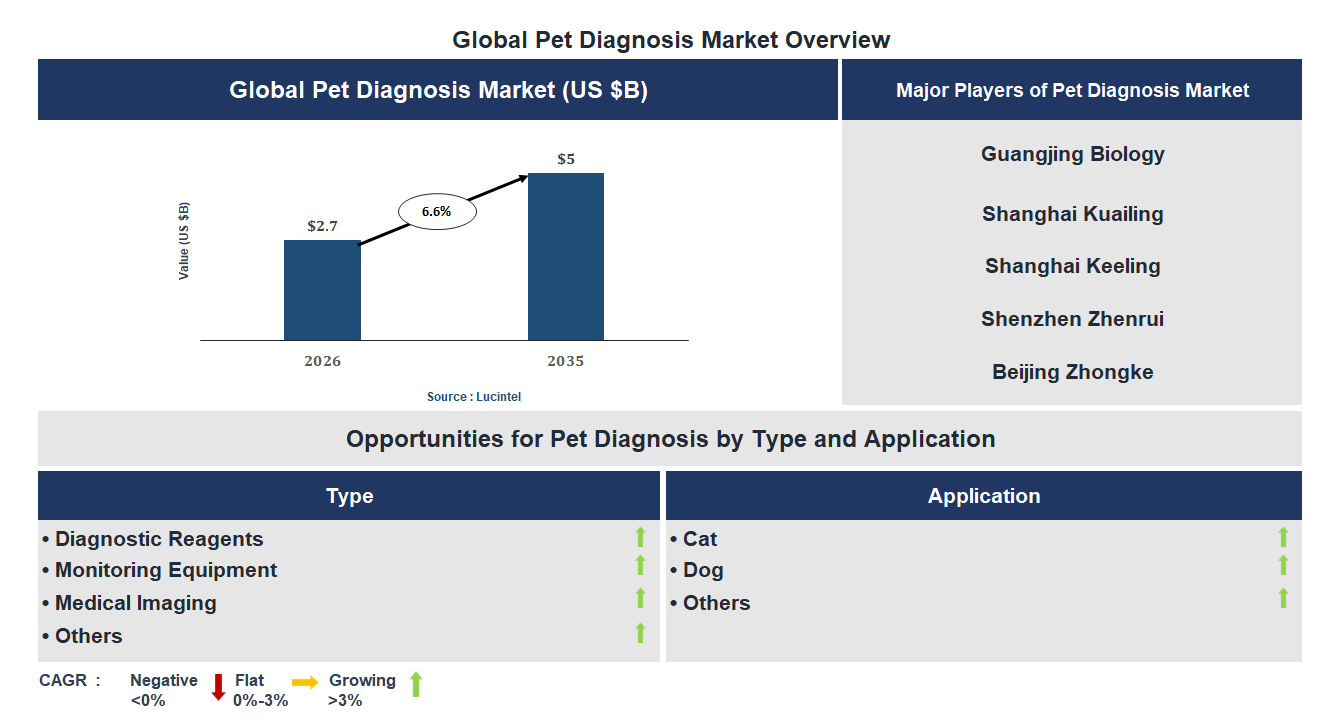
The future of the global pet diagnosis market looks promising with opportunities in the diagnostic reagent, monitoring equipment, and medical imaging markets. The global pet diagnosis market is expected to reach an estimated $5 billion by 2035 with a CAGR of 6.6% from 2026 to 2035. The major drivers for this market are the increasing adoption of companion animals, the rising demand for early disease detection, and the growing spending on veterinary healthcare.• Lucintel forecasts that, within the application category, dog is expected to witness higher growth over the forecast period.
• Within the type category, diagnostic reagent is expected to witness the highest growth.
• In terms of region, APAC is expected to witness the highest growth over the forecast period. Gain valuable insights for your business decisions with our comprehensive 150+ page report. Sample figures with some insights are shown below.
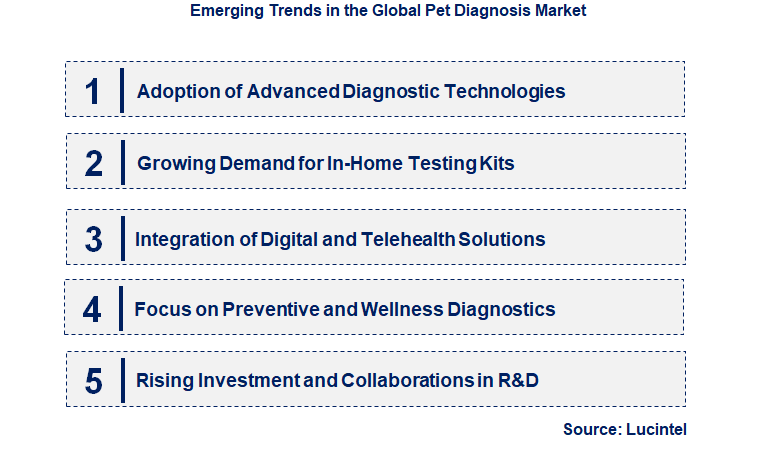
Emerging Trends in the Pet Diagnosis Market
The pet diagnosis market is experiencing rapid growth driven by technological advancements, increasing pet ownership, and a rising focus on pet health and wellness. As pet owners become more proactive about their pets health, the market is evolving with innovative diagnostic tools and services. These developments are not only improving the accuracy and speed of diagnoses but also expanding access to veterinary care. The integration of digital health solutions and personalized medicine is further transforming the landscape. These trends are collectively shaping a more efficient, accessible, and comprehensive pet healthcare ecosystem, ultimately enhancing the quality of life for pets and peace of mind for owners.• Adoption of Advanced Diagnostic Technologies: The market is witnessing a surge in the use of cutting-edge diagnostic tools such as molecular diagnostics, point-of-care testing, and imaging technologies. These innovations enable quicker, more accurate detection of diseases, facilitating early intervention and better treatment outcomes. The integration of AI and machine learning further enhances diagnostic precision. This trend improves veterinary efficiency, reduces diagnostic errors, and allows for more personalized treatment plans, ultimately leading to better health management for pets.
• Growing Demand for In-Home Testing Kits: There is an increasing preference among pet owners for at-home diagnostic kits that allow for convenient, rapid testing without visiting a veterinary clinic. These kits are user-friendly and provide quick results for common health issues like infections, allergies, or nutritional deficiencies. The convenience factor, coupled with the rise of telemedicine, is making pet health monitoring more accessible and less stressful for pets and owners alike. This trend is expanding market reach and fostering proactive health management.
• Integration of Digital and Telehealth Solutions: Telemedicine platforms and digital health records are transforming pet diagnosis by enabling remote consultations and continuous health monitoring. These solutions facilitate real-time data sharing between pet owners and veterinarians, improving diagnostic accuracy and treatment planning. The convenience of virtual visits reduces the need for physical visits, saving time and costs. This trend enhances access to specialized care, especially in remote areas, and promotes ongoing health management, making pet healthcare more efficient and comprehensive.
• Focus on Preventive and Wellness Diagnostics: The market is shifting towards preventive care, with diagnostics aimed at early detection of health issues before symptoms appear. Wellness screening panels, genetic testing, and biomarker analysis are becoming standard practices. This proactive approach helps in managing chronic conditions, improving longevity, and reducing long-term healthcare costs. The emphasis on prevention is driving innovation in diagnostic products and services, fostering a shift from reactive to proactive pet healthcare.
• Rising Investment and Collaborations in R&D: Increased funding from private investors, veterinary companies, and research institutions is fueling innovation in pet diagnostics. Collaborations between tech firms and veterinary providers are leading to the development of novel diagnostic platforms and personalized medicine approaches. This investment accelerates product development, regulatory approvals, and market expansion. The focus on research and development ensures continuous improvement in diagnostic accuracy, affordability, and accessibility, ultimately driving market growth and improving pet health outcomes. In summary, these emerging trends are collectively reshaping the pet diagnosis market by making diagnostics more advanced, accessible, and personalized. They are fostering a shift towards preventive care, leveraging digital technology, and encouraging innovation through increased investments. As a result, the market is becoming more efficient, inclusive, and aligned with the evolving needs of pet owners and veterinary professionals, ultimately enhancing the overall standard of pet healthcare.
Recent Development in the Pet Diagnosis Market
The pet diagnosis market is experiencing rapid growth driven by technological advancements, increasing pet ownership, and a rising focus on pet health and wellness. Innovations in diagnostic tools and expanding veterinary services are creating new opportunities for market players. As pet owners become more proactive about health management, demand for accurate, quick, and affordable diagnostic solutions is surging. This evolving landscape presents significant potential for growth, investment, and technological integration, shaping the future of pet healthcare worldwide.• Growing Adoption of Pets: Increasing pet ownership worldwide is fueling demand for advanced diagnostic solutions. As more households consider pets as family members, the need for early and accurate health diagnosis rises. This trend is particularly prominent in urban areas, where busy lifestyles demand efficient veterinary services. The rise in pet adoption during the pandemic further accelerated this growth, prompting veterinary clinics to invest in better diagnostic tools. Consequently, companies are expanding their product portfolios to meet the rising demand, boosting market revenue and innovation.
• Technological Innovations in Diagnostics: The integration of AI, machine learning, and portable diagnostic devices is transforming pet healthcare. These innovations enable faster, more accurate diagnoses, reducing the time and cost associated with traditional testing methods. Portable devices allow for on-site testing, improving convenience for pet owners and veterinarians. AI-driven analysis enhances diagnostic precision, leading to better treatment outcomes. As technology advances, the market is witnessing increased adoption of these tools, which are expected to improve overall pet health management and expand market reach.
• Rising Awareness and Preventive Care: Pet owners are increasingly aware of the importance of preventive health measures, driving demand for early diagnosis. Educational campaigns and digital platforms are raising awareness about pet health issues, encouraging regular check-ups and screenings. Preventive diagnostics help detect diseases at an early stage, reducing treatment costs and improving quality of life. This shift towards proactive care is prompting veterinary clinics to adopt comprehensive diagnostic solutions, thereby expanding the market and fostering innovation in early detection technologies.
• Expansion of Veterinary Healthcare Infrastructure: The growth of veterinary clinics and hospitals, especially in emerging markets, is creating new opportunities for pet diagnosis services. Investments in veterinary infrastructure are enabling wider access to diagnostic testing, including advanced imaging and laboratory services. Governments and private players are collaborating to improve veterinary healthcare facilities, which enhances service quality and coverage. This expansion supports increased diagnostic testing volume, stimulates market growth, and encourages the development of new diagnostic products tailored to diverse regional needs.
• Increasing Investment and Strategic Collaborations: The market is witnessing heightened investment from venture capitalists, pharmaceutical companies, and tech firms aiming to develop innovative diagnostic solutions. Strategic collaborations between veterinary diagnostic companies and tech firms are fostering product development and market expansion. Funding supports R&D activities, leading to novel diagnostic platforms and tools. These investments are crucial for accelerating technological advancements, improving product efficacy, and expanding market reach, ultimately driving growth and competitiveness in the pet diagnosis industry. These developments are significantly transforming the pet diagnosis market by enhancing diagnostic accuracy, expanding access, and fostering innovation. The integration of advanced technologies and increased awareness are driving growth, while infrastructure expansion and strategic investments are broadening market reach. Collectively, these trends are creating a more efficient, accessible, and comprehensive pet healthcare ecosystem, promising sustained growth and improved health outcomes for pets worldwide.
Strategic Growth Opportunities in the Pet Diagnosis Market
The pet diagnosis market is experiencing rapid expansion driven by increasing pet ownership, advancements in diagnostic technologies, and a growing focus on pet health and wellness. Rising awareness among pet owners about early disease detection and the availability of innovative testing methods are fueling market growth. Additionally, the integration of digital health solutions and expanding veterinary services is creating new opportunities for market players to enhance service delivery and improve pet health outcomes globally.• Growing Adoption of Advanced Diagnostic Technologies: The adoption of cutting-edge diagnostic tools such as molecular testing, imaging, and point-of-care devices is expanding rapidly. These technologies enable faster, more accurate detection of pet diseases, leading to improved treatment outcomes. As veterinary clinics and pet owners seek reliable diagnostics, companies investing in innovative solutions are poised to capture significant market share, driving overall growth in pet health management.
• Increasing Demand for Preventive Pet Healthcare Services: Preventive diagnostics, including wellness screening and early disease detection, are gaining popularity among pet owners. This shift towards proactive health management reduces long-term treatment costs and enhances pet longevity. Veterinary clinics are increasingly offering comprehensive screening packages, creating opportunities for diagnostic companies to develop targeted products and expand their market presence in preventive care.
• Rising Pet Ownership and Humanization of Pets: The growing trend of pet humanization has led owners to prioritize their pets health, resulting in increased demand for diagnostic services. As pet owners seek high-quality healthcare comparable to human medicine, veterinary practices are expanding diagnostic offerings. This trend encourages market players to develop specialized tests and services, fostering market growth through increased utilization of diagnostic solutions.
• Expansion of Veterinary Telemedicine and Digital Health Platforms: The integration of telemedicine and digital health platforms is transforming pet healthcare delivery. These platforms facilitate remote diagnostics, consultations, and monitoring, making pet health management more accessible and efficient. Diagnostic companies partnering with telehealth providers can reach a broader customer base, streamline services, and enhance data-driven decision-making, thereby accelerating market growth.
• Increasing Focus on Rare and Chronic Pet Diseases: The rising prevalence of chronic and rare pet diseases necessitates specialized diagnostic solutions. Early detection and management of such conditions improve quality of life and reduce treatment costs. Market opportunities exist for developing targeted tests and personalized diagnostics, enabling veterinary practitioners to provide precise treatments and expanding the scope of pet healthcare services. In conclusion, these growth opportunities are collectively transforming the pet diagnosis market by fostering innovation, expanding service offerings, and meeting the evolving needs of pet owners and veterinary professionals. This dynamic environment is expected to drive sustained market expansion, improve pet health outcomes, and create new revenue streams for industry stakeholders.
Pet Diagnosis Market Driver and Challenges
The pet diagnosis market is influenced by a variety of technological, economic, and regulatory factors that shape its growth and development. Advances in veterinary diagnostic technologies, increasing pet ownership, and rising awareness about pet health are key drivers. Economic factors such as rising disposable incomes and willingness to spend on pet healthcare further propel the market. Regulatory frameworks ensuring safety and quality standards also impact market dynamics. However, challenges such as high costs of diagnostic tools, regulatory hurdles, and limited access in certain regions pose significant barriers. Understanding these drivers and challenges is essential for stakeholders aiming to capitalize on market opportunities and address potential risks effectively. The factors responsible for driving the pet diagnosis market include:• Technological Advancements: The development of innovative diagnostic tools such as molecular testing, imaging techniques, and portable devices has revolutionized pet healthcare. These advancements enable early detection of diseases, improving treatment outcomes and reducing long-term costs. As technology continues to evolve, veterinary clinics can offer more accurate and faster diagnoses, increasing client satisfaction and loyalty. Moreover, integration of AI and data analytics enhances diagnostic precision, fostering market growth. The adoption of these cutting-edge tools is driven by the need for efficient, reliable, and non-invasive diagnostic options, making pet diagnosis more accessible and effective.
• Rising Pet Ownership and Spending: The global increase in pet ownership, especially in urban areas, has significantly expanded the market. Pet owners are increasingly viewing their animals as family members, leading to higher expenditure on health and wellness. This trend is supported by rising disposable incomes and a growing awareness of preventive healthcare. As a result, veterinary clinics and diagnostic labs experience increased demand for comprehensive testing services. The willingness of pet owners to invest in advanced diagnostics ensures sustained market growth, encouraging companies to innovate and expand their service offerings to meet this rising demand.
• Increasing Awareness of Pet Health: Growing awareness about the importance of early diagnosis and preventive care is a major driver. Educational campaigns, social media influence, and veterinary outreach programs inform pet owners about the benefits of regular health check-ups and diagnostic testing. This heightened awareness leads to increased demand for diagnostic services, especially for chronic and age-related conditions. Veterinarians are also more proactive in recommending diagnostic tests, which further fuels market expansion. As pet owners become more health-conscious, the market is expected to see continued growth driven by demand for accurate, timely, and comprehensive diagnostic solutions.
• Regulatory and Safety Standards: Stringent regulatory frameworks governing veterinary diagnostics ensure product safety, efficacy, and quality. Compliance with these standards fosters trust among consumers and veterinary professionals, encouraging adoption of advanced diagnostic tools. Regulatory bodies also promote innovation by setting guidelines that stimulate research and development. Additionally, approval processes for new diagnostic products can open up new market segments. However, navigating complex regulatory landscapes can be challenging for manufacturers, requiring significant investment and expertise. Overall, robust regulatory standards support market integrity and growth by ensuring high-quality diagnostic solutions.
• Growing Adoption of Point-of-Care Testing: The increasing preference for point-of-care (POC) testing in veterinary clinics is a key driver. POC tests provide rapid results, enabling immediate decision-making and treatment initiation. This convenience improves clinical outcomes and enhances client satisfaction. The portability and ease of use of POC devices make them suitable for various settings, including rural and remote areas with limited access to centralized laboratories. As veterinary practices seek to streamline workflows and improve diagnostic efficiency, the adoption of POC testing is expected to accelerate, further expanding the market and improving pet healthcare delivery. The challenges in the pet diagnosis market are:
• High Cost of Diagnostic Equipment and Tests: The advanced diagnostic tools and tests required for a comprehensive pet health assessment are often expensive. This high cost can limit access for smaller veterinary clinics and pet owners with budget constraints, restricting market penetration in developing regions. Additionally, ongoing expenses for maintenance, calibration, and consumables add to the financial burden. As a result, affordability remains a significant barrier, potentially slowing market growth and limiting the availability of cutting-edge diagnostics to a broader population. Addressing cost issues is crucial for expanding market reach and ensuring equitable access to pet healthcare.
• Regulatory Hurdles and Approval Processes: Navigating complex regulatory environments can delay the introduction of new diagnostic products. Lengthy approval timelines, stringent compliance requirements, and varying regulations across regions pose challenges for manufacturers. These hurdles increase development costs and can hinder innovation, especially for smaller companies with limited resources. Moreover, regulatory uncertainties may discourage investment in new diagnostic technologies. Overcoming these barriers requires strategic planning and collaboration with regulatory authorities to streamline approval processes, which is essential for fostering innovation and market growth.
• Limited Access in Rural and Developing Regions: Despite technological advancements, many rural and developing areas lack adequate veterinary diagnostic infrastructure. Limited availability of diagnostic laboratories, trained personnel, and affordable testing options restricts access to essential pet health services. This disparity hampers early disease detection and treatment, impacting overall pet health outcomes. Additionally, logistical challenges and a lack of awareness further exacerbate the issue. Expanding access in underserved regions requires targeted investments, infrastructure development, and education initiatives. Addressing these barriers is vital for achieving inclusive market growth and improving pet health worldwide. In summary, the pet diagnosis market is driven by technological innovations, increasing pet ownership, and heightened awareness of pet health, all supported by regulatory standards and the adoption of point-of-care testing. However, high costs, regulatory complexities, and limited access in certain regions pose significant challenges. These factors collectively influence market dynamics, with technological progress and rising demand fostering growth, while economic and infrastructural barriers may hinder it. Overcoming these challenges through strategic investments and policy support will be essential for sustainable expansion, ultimately improving pet healthcare outcomes globally.
List of Pet Diagnosis Companies
Companies in the market compete on the basis of product quality offered. Major players in this market focus on expanding their manufacturing facilities, R&D investments, infrastructural development, and leverage integration opportunities across the value chain. With these strategies pet diagnosis companies cater increasing demand, ensure competitive effectiveness, develop innovative products & technologies, reduce production costs, and expand their customer base. Some of the pet diagnosis companies profiled in this report include-• Guangjing Biology
• Shanghai Kuailing
• Shanghai Keeling
• Shenzhen Zhenrui
• Beijing Zhongke
• IDEXX
• Heska
• ABAXIS
• ANTECH
• Idvet
Pet Diagnosis Market by Segment
The study includes a forecast for the global pet diagnosis market by type, application, and region.Pet Diagnosis Market by Type [Value from 2019 to 2035]:
• Diagnostic Reagents
• Monitoring Equipment
• Medical Imaging
• Others
Pet Diagnosis Market by Application [Value from 2019 to 2035]:
• Cat
• Dog
• Others
Pet Diagnosis Market by Region [Value from 2019 to 2035]:
• North America
• Europe
• Asia Pacific
• The Rest of the World
Country Wise Outlook for the Pet Diagnosis Market
The pet diagnosis market has experienced significant growth driven by increasing pet ownership, technological advancements, and a focus on early disease detection. As countries adopt innovative diagnostic tools, the market landscape is evolving rapidly, reflecting diverse regional needs and healthcare standards. The United States, China, Germany, India, and Japan are key players, each contributing unique developments that shape the global market trajectory. These countries are investing in research, expanding veterinary services, and integrating advanced diagnostics to improve pet health outcomes. Understanding these regional trends provides insight into the future direction of the pet diagnosis industry worldwide.• United States: The US market has seen rapid adoption of advanced diagnostic technologies such as molecular testing and digital imaging, driven by high pet ownership rates and a focus on preventive care. Veterinary clinics increasingly incorporate point-of-care testing, and there is a growing trend toward telemedicine for pet health consultations. Investments in research and development are fostering innovative diagnostic solutions, with major companies expanding their product portfolios to include more comprehensive testing options. The regulatory environment supports innovation, and partnerships between tech firms and veterinary providers are on the rise.
• China: China’s pet diagnosis market is expanding quickly due to rising pet ownership and urbanization. The country is witnessing increased demand for affordable and rapid diagnostic tests, especially for infectious diseases like parvovirus and feline leukemia. Local companies are investing in R&D to develop cost-effective solutions, while international firms are entering the market through collaborations. The government’s focus on animal health and welfare is encouraging industry growth, with a rising number of veterinary clinics adopting advanced diagnostic tools. Digital health platforms are also gaining popularity, facilitating remote diagnostics and consultations.
• Germany: Germany’s market is characterized by high standards of veterinary care and stringent regulations. The country emphasizes quality and accuracy in pet diagnostics, with a strong presence of European diagnostic companies. Innovations include the integration of AI and machine learning in diagnostic processes, improving disease detection and management. There is a focus on zoonotic disease testing and allergy diagnostics, reflecting the country’s comprehensive approach to pet health. The adoption of sustainable and eco-friendly diagnostic products is also increasing, aligning with Germany’s environmental policies.
• India: The Indian pet diagnosis market is rapidly growing, driven by increasing disposable income and a rising middle class. There is a significant demand for affordable diagnostic tests for common pet ailments, with a focus on infectious diseases and nutritional deficiencies. Local startups and international companies are expanding their presence, offering portable and easy-to-use testing kits. The government’s initiatives to improve veterinary infrastructure and awareness campaigns are further supporting market growth. Telemedicine and mobile diagnostic services are gaining traction, making pet healthcare more accessible in rural and semi-urban areas.
• Japan: Japan’s market is marked by technological innovation and a high level of pet healthcare awareness. The country is investing in advanced diagnostics such as genetic testing and biomarker analysis to detect diseases early. There is a strong emphasis on aging pet care, with diagnostics tailored to age-related conditions. Japan’s veterinary industry is adopting digital health records and telehealth services, enhancing diagnostic accuracy and convenience. The market also focuses on allergy testing and chronic disease management, reflecting the country’s aging pet population and high standards of veterinary care.

Features of the Global Pet Diagnosis Market
Market Size Estimates: Pet diagnosis market size estimation in terms of value ($B). Trend and Forecast Analysis: Market trends (2019 to 2025) and forecast (2026 to 2035) by various segments and regions. Segmentation Analysis: Pet diagnosis market size by type, application, and region in terms of value ($B). Regional Analysis: Pet diagnosis market breakdown by North America, Europe, Asia Pacific, and Rest of the World. Growth Opportunities: Analysis of growth opportunities in different types, applications, and regions for the pet diagnosis market. Strategic Analysis: This includes M&A, new product development, and competitive landscape of the pet diagnosis market. Analysis of competitive intensity of the industry based on Porter’s Five Forces model.
FAQ
Q1. What is the market size and growth forecast for pet diagnosis market? Answer: The global pet diagnosis market is expected to reach an estimated $5 billion by 2035 and grow with a CAGR of 6.6% from 2026 to 2035. Q2. What are the major drivers influencing the growth of the pet diagnosis market? Answer: The major drivers for this market are the increasing adoption of companion animals, the rising demand for early disease detection, and the growing spending on veterinary healthcare. Q3. What are the major segments for pet diagnosis market? Answer: The future of the pet diagnosis market looks promising with opportunities in the diagnostic reagent, monitoring equipment, and medical imaging markets. Q4. Who are the key pet diagnosis market companies? Answer: Some of the key pet diagnosis companies are as follows:• Guangjing Biology
• Shanghai Kuailing
• Shanghai Keeling
• Shenzhen Zhenrui
• Beijing Zhongke
• IDEXX
• Heska
• ABAXIS
• ANTECH
• Idvet Q5. Which pet diagnosis market segment will be the largest in future? Answer: Lucintel forecasts that, within the application category, dog is expected to witness higher growth over the forecast period. Q6. In pet diagnosis market, which region is expected to be the largest in next 5 years? Answer: In terms of region, APAC is expected to witness the highest growth over the forecast period. Q7. Do we receive customization in this report? Answer: Yes, Lucintel provides 10% customization without any additional cost.
Table of Contents
List of Figures
List of Tables
Methodology
- In-depth interviews of the major players in this market
- Detailed secondary research from competitors’ financial statements and published data
- Extensive searches of published works, market, and database information pertaining to industry news, company press releases, and customer intentions
- A compilation of the experiences, judgments, and insights of Lucintel’s professionals, who have analyzed and tracked this market over the years.


Buy Now
Choose a license that fits your team. Instant PDF delivery.
Prices exclude taxes. Instant delivery. Custom licensing available on request.
Key Questions
- • What are some of the most promising, high-growth opportunities for the pet diagnosis market by type (diagnostic reagents, monitoring equipment, medical imaging, and others), application (cat, dog, and others), and region (North America, Europe, Asia Pacific, and the Rest of the World)?
- • Which segments will grow at a faster pace and why?
- • Which region will grow at a faster pace and why?
- • What are the key factors affecting market dynamics? What are the key challenges and business risks in this market?
- • What are the business risks and competitive threats in this market?
- • What are the emerging trends in this market and the reasons behind them?
- • What are some of the changing demands of customers in the market?
- • What are the new developments in the market? Which companies are leading these developments?
- • Who are the major players in this market? What strategic initiatives are key players pursuing for business growth?
- • What are some of the competing products in this market and how big of a threat do they pose for loss of market share by material or product substitution?
- • What M&A activity has occurred in the last 7 years and what has its impact been on the industry? For any questions related to Pet Diagnosis Market, Pet Diagnosis Market Size, Pet Diagnosis Market Growth, Pet Diagnosis Market Analysis, Pet Diagnosis Market Report, Pet Diagnosis Market Share, Pet Diagnosis Market Trends, Pet Diagnosis Market Forecast, Pet Diagnosis Companies, write Lucintel analyst at email: helpdesk@lucintel.com. We will be glad to get back to you soon.


