
Market Report · July 22, 2026

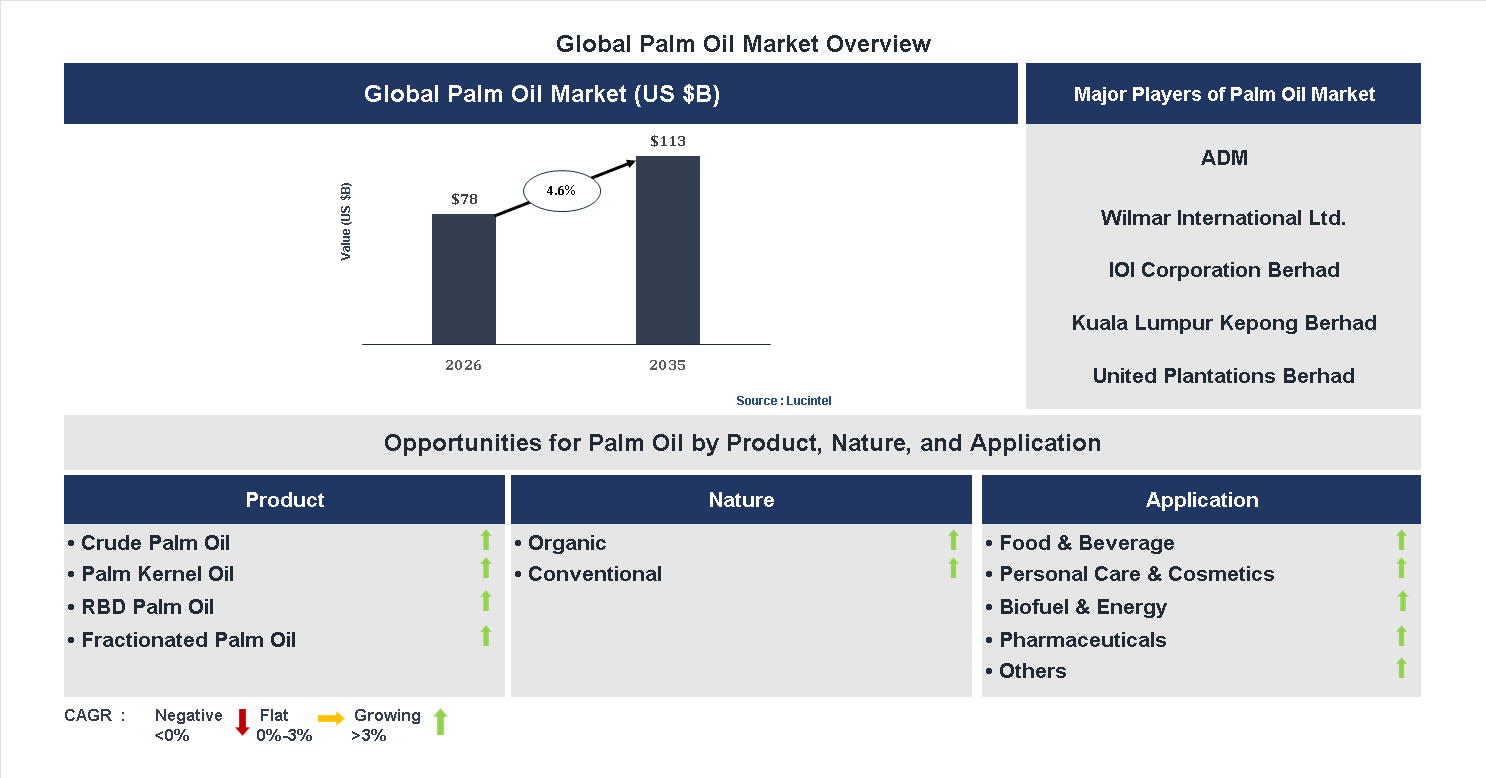
Key data points: The market size in 2035 = $113 billion, growth forecast = 4.6% annually for the next 8 years. Scroll below to get more insights. This market report covers trends, opportunities and forecasts in palm oil market to 2035 by product (crude palm oil, palm kernel oil, RBD palm oil, and fractionated palm oil), nature (organic and conventional), application (food & beverage, personal care & cosmetics, biofuel & energy, pharmaceuticals, and others), and region (North America, Europe, Asia Pacific, and the Rest of the World)
We'll send your sample report shortly.
• Lucintel forecasts that, within the product category, crude palm oil is expected to witness higher growth over the forecast period.
• Within the application category, food & beverage is expected to witness the highest growth.
• In terms of region, APAC is expected to witness the highest growth over the forecast period. Gain valuable insights for your business decisions with our comprehensive 150+ page report. Sample figures with some insights are shown below.
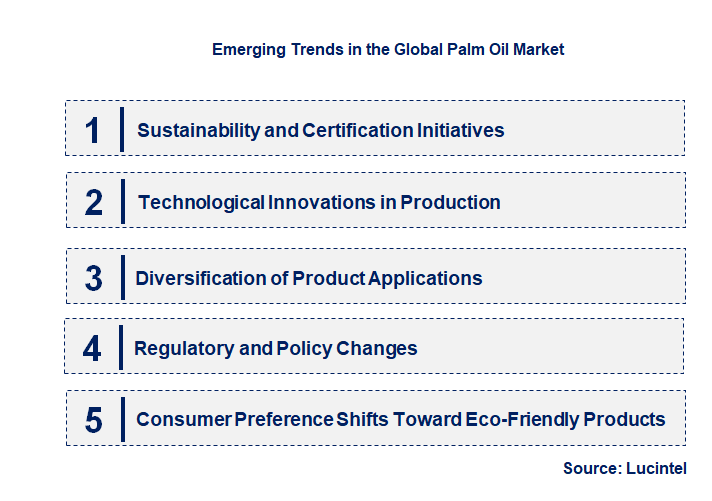
• Sustainability and Certification Initiatives: Growing consumer awareness and regulatory pressures are pushing the industry toward sustainable practices. Certification schemes like RSPO (Roundtable on Sustainable Palm Oil) are gaining prominence, encouraging producers to adopt environmentally friendly and socially responsible methods. This trend enhances brand reputation, meets regulatory compliance, and appeals to eco-conscious consumers. Companies investing in sustainable sourcing are likely to gain a competitive advantage, reduce risks associated with deforestation, and contribute to global environmental goals.
• Technological Innovations in Production: Advances in agricultural technology, such as precision farming, remote sensing, and biotechnology, are improving yield efficiency and reducing environmental impact. These innovations enable better land management, pest control, and resource utilization, leading to higher productivity with lower ecological footprints. Enhanced processing technologies also improve oil extraction efficiency and quality, reducing waste and energy consumption. This trend helps meet rising demand while promoting sustainable growth and operational cost savings.
• Diversification of Product Applications: The market is witnessing increased diversification beyond traditional food uses. Palm oil is now extensively used in cosmetics, personal care products, and biofuels. This expansion is driven by the demand for natural and plant-based ingredients, as well as renewable energy sources. Such diversification reduces dependency on a single sector, stabilizes revenue streams, and opens new market opportunities. It also encourages innovation in product formulations and marketing strategies tailored to different consumer segments.
• Regulatory and Policy Changes: Governments and international bodies are implementing stricter regulations to address environmental and social issues associated with palm oil production. These include bans on deforestation, restrictions on land conversion, and transparency requirements. Such policies influence supply chains, increase compliance costs, and incentivize sustainable practices. Companies are adapting by enhancing traceability, investing in sustainable plantations, and engaging in corporate social responsibility initiatives to meet evolving legal standards and consumer expectations.
• Consumer Preference Shifts Toward Eco-Friendly Products: Consumers are increasingly prioritizing products that are environmentally sustainable and ethically produced. This shift influences brand loyalty and purchasing decisions, prompting companies to highlight sustainability credentials and transparent sourcing. Marketing efforts now emphasize eco-friendly attributes, and product labeling often features sustainability certifications. This trend drives market differentiation, encourages sustainable innovation, and fosters a more responsible industry that aligns with global environmental and social values. These emerging trends are fundamentally reshaping the palm oil market by promoting sustainability, technological advancement, diversification, regulatory compliance, and consumer engagement. Together, they are fostering a more responsible, innovative, and resilient industry capable of meeting global demand while addressing critical environmental and social challenges.
• Sustainable Production Practices: Emphasis on eco-friendly methods and certification standards is transforming the industry. Companies adopting sustainable practices reduce environmental impact, meet regulatory requirements, and appeal to eco-conscious consumers. This shift encourages responsible sourcing, minimizes deforestation, and promotes biodiversity. As a result, sustainable palm oil is gaining market share, fostering long-term industry resilience, and enhancing brand reputation. These practices are expected to drive market growth while addressing environmental concerns.
• Technological Innovations in Processing: Advanced processing technologies improve yield efficiency and product quality. Innovations such as enzyme-assisted extraction and automation streamline operations, reduce waste, and lower costs. These technological improvements enable producers to meet rising demand more effectively and ensure product consistency. Enhanced processing also opens avenues for new product development, including specialty oils and derivatives. Overall, technological advancements are boosting competitiveness and sustainability within the palm oil industry.
• Growing Demand for Plant-Based Products: Consumer preference for plant-based and vegan products is fueling palm oil demand in food, cosmetics, and biofuel sectors. Palm oil’s versatility and cost-effectiveness make it a preferred ingredient. This trend encourages producers to expand cultivation and diversify product offerings. However, it also raises sustainability concerns, prompting industry players to adopt responsible sourcing. The increased demand is expected to sustain market growth, while emphasizing the importance of sustainable practices to meet consumer expectations.
• Regulatory and Policy Changes: Governments worldwide are implementing stricter regulations on deforestation, land use, and environmental impact. These policies influence supply chains, requiring compliance with sustainability standards. Companies investing in traceability and certification gain a competitive advantage. Regulatory changes also promote transparency and accountability, encouraging sustainable practices. While compliance may increase costs initially, long-term benefits include market access, consumer trust, and reduced legal risks, ultimately shaping a more responsible industry landscape.
• Expansion in Emerging Markets: Rapid economic growth in Asia, Africa, and Latin America is expanding palm oil consumption. Urbanization and rising disposable incomes boost demand for processed foods, cosmetics, and biofuels. Local producers are increasing cultivation to meet domestic needs, creating new market opportunities. This expansion also encourages infrastructure development and investment in sustainable farming practices. As emerging markets grow, they will significantly influence global supply and demand dynamics, making them critical to the industry’s future trajectory. These developments are collectively transforming the palm oil market by promoting sustainability, technological progress, and expanding consumer bases. They foster industry resilience, enhance product quality, and open new growth avenues. While challenges remain, especially regarding environmental concerns, these trends are driving a more responsible and innovative industry. Overall, they are poised to shape a sustainable, competitive, and dynamic palm oil market in the coming years.
• Expanding Use in Food and Beverage Industry: The rising global population and changing dietary preferences are boosting demand for palm oil in processed foods, snacks, and cooking oils. Its cost-effectiveness and versatile properties make it a preferred ingredient. Manufacturers are innovating with healthier formulations, which increases consumption. Additionally, the growth of fast-food chains and packaged foods in emerging markets further propels demand. This expansion offers significant opportunities for producers to increase market share and develop new product lines tailored to regional tastes and health trends.
• Adoption of Sustainable and Certified Palm Oil: Growing environmental concerns and consumer awareness are driving demand for sustainably sourced palm oil. Certification schemes like RSPO (Roundtable on Sustainable Palm Oil) are gaining prominence, encouraging producers to adopt eco-friendly practices. Companies investing in sustainable cultivation reduce deforestation and social issues, enhancing brand reputation. The shift toward certified palm oil also aligns with regulatory pressures and corporate social responsibility goals. This opportunity enables market players to differentiate their products and access premium markets, fostering long-term growth and environmental stewardship.
• Technological Innovations in Processing and Extraction: Advances in processing technologies, such as enzymatic extraction and fractionation, improve yield efficiency and product quality. These innovations reduce waste and energy consumption, lowering production costs. Enhanced refining techniques enable the production of specialty oils with specific functional properties, catering to niche markets like cosmetics and biofuels. Investment in R&D for innovative extraction methods also opens avenues for developing new derivatives. This technological progress supports sustainable growth and helps companies meet diverse customer needs more effectively.
• Growing Demand for Biofuels and Renewable Energy: Palm oil is a key feedstock for biodiesel production, driven by global efforts to reduce greenhouse gas emissions and dependence on fossil fuels. Governments in various countries are implementing mandates and incentives for biofuel use, boosting demand. The industry benefits from the ability to produce high-yield, cost-effective biofuels, especially in tropical regions. This opportunity aligns with sustainability goals and energy security, encouraging investments in biofuel infrastructure and technology, thereby expanding the market and supporting renewable energy initiatives.
• Geographic Expansion into Emerging Markets: Rapid economic growth and urbanization in regions like Africa, Southeast Asia, and Latin America are creating new demand centers for palm oil. These markets offer untapped potential due to increasing disposable incomes and changing consumption patterns. Establishing local supply chains and production facilities can reduce costs and improve market responsiveness. Strategic partnerships and joint ventures facilitate market entry and compliance with regional regulations. Geographic expansion enables companies to diversify risk, increase sales volume, and establish a strong presence in high-growth areas, ensuring long-term market sustainability. These strategic growth opportunities collectively shape a robust future for the palm oil market. Emphasizing sustainability, technological innovation, and geographic expansion will enable industry players to meet evolving consumer demands and regulatory standards. By capitalizing on these opportunities, the market can achieve sustainable growth, enhance competitiveness, and address environmental and social challenges. Overall, these strategies will foster a resilient, innovative, and responsible palm oil industry poised for continued expansion.
• Increasing Global Demand: The rising consumption of palm oil in food, cosmetics, and biofuel sectors fuels market growth. As the worlds population grows and urbanizes, demand for affordable, versatile vegetable oils increases, especially in emerging economies. This sustained demand encourages producers to expand cultivation and processing capacities, fostering industry growth.
• Technological Innovations: Advances in agricultural practices, such as precision farming and disease-resistant crop varieties, have improved yield efficiency and reduced costs. Innovations in processing technologies also enhance oil extraction and quality, making palm oil more competitive. These technological improvements support sustainable production and help meet rising demand while minimizing environmental impact.
• Sustainability Initiatives and Certification: Growing awareness of environmental and social issues has led to the adoption of sustainability standards like RSPO (Roundtable on Sustainable Palm Oil). Certification ensures responsible sourcing, attracting environmentally conscious consumers and companies. This drives market growth by aligning industry practices with global sustainability goals, although it also introduces compliance costs.
• Economic Growth in Emerging Markets: Rapid economic development in countries like Indonesia and Malaysia, the largest producers, boosts domestic consumption and export opportunities. Increased income levels lead to higher demand for palm oil-based products, supporting industry expansion. Additionally, favorable trade policies and investments in infrastructure facilitate market growth in these regions.
• Investment in Infrastructure and Expansion: Investments in plantation development, processing facilities, and logistics infrastructure improve supply chain efficiency. These investments reduce costs, increase production capacity, and enable producers to meet global demand more effectively. Enhanced infrastructure also supports export growth and market competitiveness. The challenges facing the palm oil market include:
• Environmental Concerns and Deforestation: Palm oil cultivation has been linked to deforestation, habitat destruction, and loss of biodiversity. These environmental issues attract regulatory scrutiny and consumer backlash, leading to restrictions and calls for sustainable practices. Managing environmental impact while maintaining profitability remains a significant challenge for producers.
• Regulatory and Trade Barriers: Stringent regulations related to sustainability, land use, and trade policies can hinder market growth. Import restrictions, certification requirements, and compliance costs pose barriers, especially for smallholders and new entrants. Navigating diverse regulatory landscapes across countries complicates international trade and investment.
• Fluctuating Prices and Market Volatility: Palm oil prices are highly volatile due to factors like weather conditions, global demand fluctuations, and geopolitical tensions. Price instability affects producers profitability and investment planning, creating uncertainty in the market. Managing supply-demand balance and price risks remains a persistent challenge. The palm oil market is shaped by robust demand, technological progress, and sustainability efforts, which drive growth and innovation. However, environmental concerns, regulatory complexities, and market volatility pose significant hurdles. Balancing economic benefits with environmental and social responsibilities is crucial for sustainable industry development. The interplay of these drivers and challenges will determine the future trajectory of the palm oil industry, requiring strategic adaptation and responsible practices to ensure long-term viability.
• ADM
• Wilmar International Ltd.
• IOI Corporation Berhad
• Kuala Lumpur Kepong Berhad
• United Plantations Berhad
• Kulim (Malaysia) Berhad
• PT Sampoerna Agro, Tbk
• Univanich Palm Oil Public Company Ltd.
• PT. Bakrie Sumatera Plantations tbk
• Asian A
• Crude Palm Oil
• Palm Kernel Oil
• RBD Palm Oil
• Fractionated Palm Oil
• Organic
• Conventional
• Food & Beverage
• Personal Care & Cosmetics
• Biofuel & Energy
• Pharmaceuticals
• Others
• North America
• Europe
• Asia Pacific
• The Rest of the World
• United States: The US market is increasingly focused on sustainable palm oil, with major companies committing to deforestation-free sourcing. There is a rising demand for plant-based products, boosting imports of certified palm oil. Regulatory efforts aim to improve transparency and reduce environmental impact, while consumer awareness about health and sustainability influences purchasing decisions. Innovations in alternative oils are also emerging, potentially reducing reliance on palm oil in certain sectors.
• China: China remains the largest importer of palm oil, driven by its vast food processing and cosmetic industries. Recent developments include stricter import regulations to ensure sustainability standards are met, alongside investments in domestic cultivation projects. The government promotes sustainable practices and encourages the use of certified palm oil to address environmental concerns. Market growth is supported by rising consumer awareness and demand for affordable, versatile cooking oils.
• Germany: Germany emphasizes sustainability and ethical sourcing in its palm oil imports, with strict adherence to EU regulations. The market sees increased demand for certified sustainable palm oil, driven by consumer activism and corporate commitments. Innovations in eco-friendly processing and traceability technologies are gaining traction. Germany also promotes awareness campaigns about the environmental impacts of palm oil, encouraging responsible consumption and supporting global sustainability initiatives.
• India: India is a major importer and consumer of palm oil, with recent developments focusing on balancing affordability with sustainability. The government has introduced policies to promote sustainable sourcing and reduce deforestation linked to palm oil cultivation. Domestic production efforts are limited, so reliance on imports remains high. Market trends show a shift towards more sustainable brands, driven by increasing consumer awareness and international pressure for responsible sourcing.
• Japan: Japans palm oil market is characterized by a focus on sustainability and health. Recent developments include stricter import standards and increased use of certified sustainable palm oil in food and cosmetic products. Japanese companies are investing in traceability and eco-friendly processing technologies. Consumer preferences are shifting towards products with transparent supply chains, and government initiatives support sustainable practices to meet international environmental commitments.


• ADM
• Wilmar International Ltd.
• IOI Corporation Berhad
• Kuala Lumpur Kepong Berhad
• United Plantations Berhad
• Kulim (Malaysia) Berhad
• PT Sampoerna Agro, Tbk
• Univanich Palm Oil Public Company Ltd.
• PT. Bakrie Sumatera Plantations tbk
• Asian Agri. Q6. Which palm oil market segment will be the largest in future? Answer: Lucintel forecasts that, within the product category, crude palm oil is expected to witness higher growth over the forecast period. Q7. In palm oil market, which region is expected to be the largest in next 5 years? Answer: In terms of region, APAC is expected to witness the highest growth over the forecast period. Q8. Do we receive customization in this report? Answer: Yes, Lucintel provides 10% customization without any additional cost.


Choose a license that fits your team. Instant PDF delivery.
Prices exclude taxes. Instant delivery. Custom licensing available on request.
Market Report · July 22, 2026
Market Report · July 22, 2026
Market Report · July 22, 2026
Trusted partner for strategic intelligence and business growth


Receive a complimentary market analysis tailored to your industry. Our analysts will identify key growth opportunities and competitive dynamics specific to your business.

Market size, growth rate, and key trend analysis for your specific sector.

Top competitor positioning and market share analysis.

Strategic recommendations backed by data-driven insights.
Get curated market intelligence and competitive moves straight to your inbox.
By subscribing, you agree to receive our monthly insights. Unsubscribe anytime.
Receive a complimentary market analysis tailored to your industry. Our analysts will identify key growth opportunities and competitive dynamics specific to your business.
Market size, growth rate, and key trend analysis for your specific sector.
Top competitor positioning and market share analysis.
Strategic recommendations backed by data-driven insights.
Get curated market intelligence, emerging trends, and competitive moves straight to your inbox each month.
By subscribing, you agree to receive our monthly insights. Unsubscribe anytime.
We'll send your sample report shortly.