
Market Report · July 22, 2026

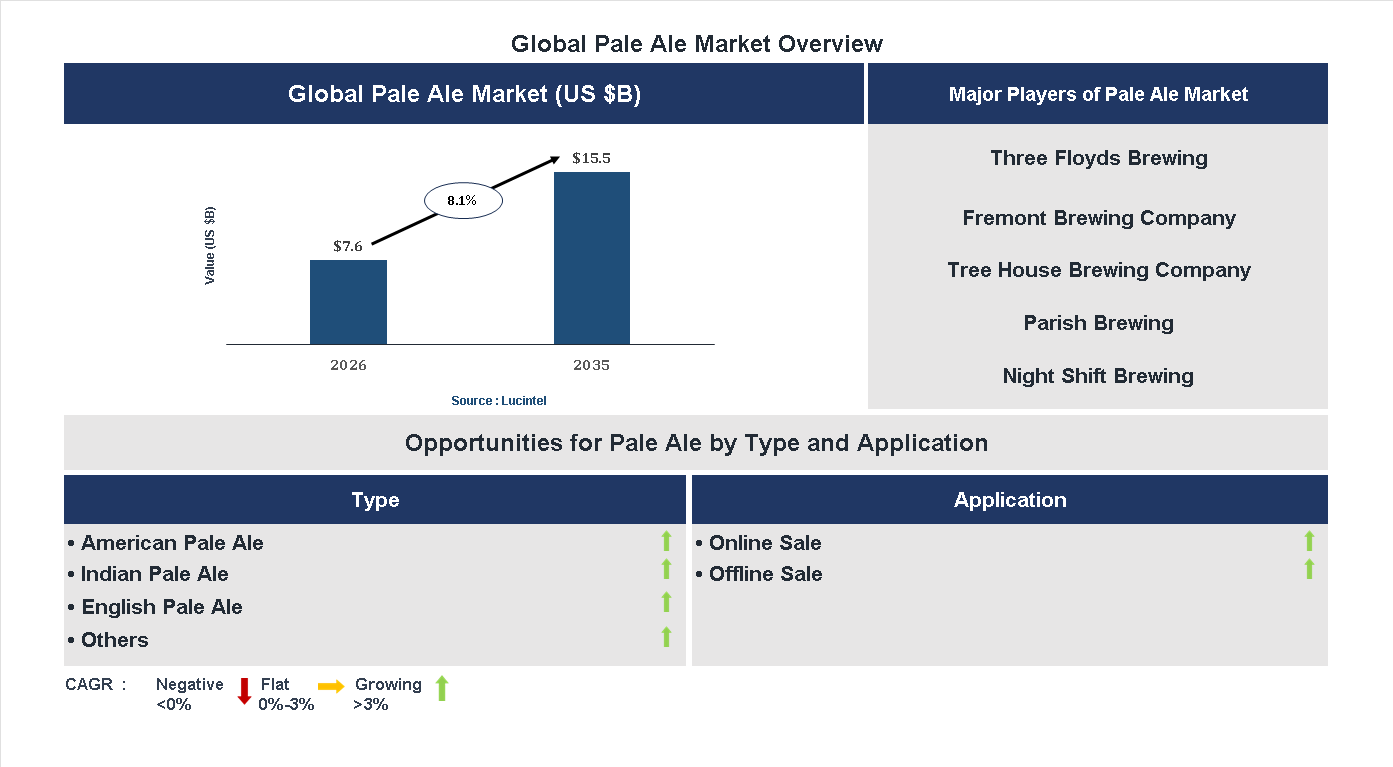
Key data points: The market size in 2035 = $15.5 billion, growth forecast = 8.1% annually for the next 8 years. Scroll below to get more insights. This market report covers trends, opportunities and forecasts in pale ale market to 2035 by type (American pale ale, Indian pale ale, English pale ale, and others), application (online sale and offline sale), and region (North America, Europe, Asia Pacific, and the Rest of the World)
We'll send your sample report shortly.
• Lucintel forecasts that, within the type category, Indian pale ale is expected to witness the highest growth over the forecast period.
• Within the application category, online sale is expected to witness higher growth.
• In terms of region, APAC is expected to witness the highest growth over the forecast period. Gain valuable insights for your business decisions with our comprehensive 150+ page report. Sample figures with some insights are shown below.
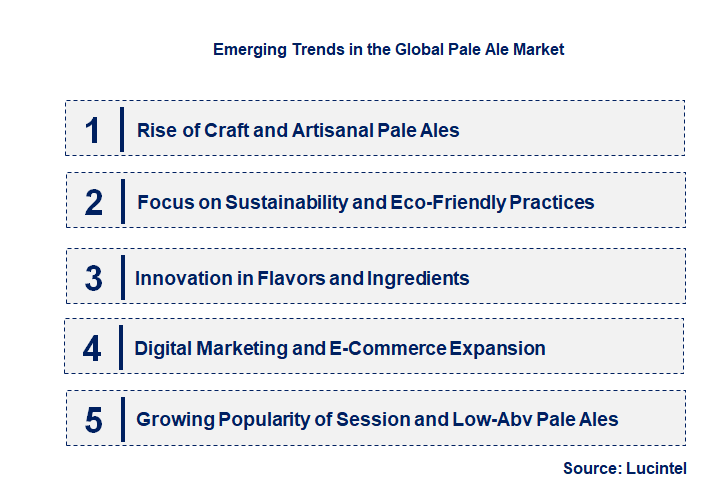
• Rise of Craft and Artisanal Pale Ales: Consumers increasingly seek unique, locally crafted beers with distinctive flavors. This trend emphasizes small-scale breweries focusing on quality, innovation, and traditional brewing methods. As a result, there is a surge in diverse Pale Ale varieties, catering to niche tastes and preferences. The emphasis on craftsmanship enhances brand loyalty and allows breweries to differentiate themselves in a competitive market. This shift also encourages experimentation with ingredients and brewing techniques, fostering innovation and expanding the overall market size.
• Focus on Sustainability and Eco-Friendly Practices: Environmental concerns are influencing consumer choices, prompting breweries to adopt sustainable practices. This includes sourcing ingredients responsibly, reducing water and energy consumption, and using eco-friendly packaging. Such initiatives appeal to environmentally conscious consumers and enhance brand reputation. The adoption of green practices not only reduces operational costs but also aligns with global sustainability goals, creating a competitive advantage. As sustainability becomes a key purchasing criterion, breweries investing in eco-friendly practices are likely to see increased market share and customer loyalty.
• Innovation in Flavors and Ingredients: The market is witnessing a surge in experimental flavors, including exotic fruits, spices, and hop varieties. Breweries are pushing creative boundaries to develop unique Pale Ales that stand out. This trend caters to adventurous consumers seeking novel taste experiences and helps breweries differentiate their products. Incorporating non-traditional ingredients also allows for seasonal and limited-edition releases, boosting sales and consumer engagement. Continuous innovation in flavors and ingredients is vital for maintaining relevance and capturing the interest of evolving consumer demographics.
• Digital Marketing and E-Commerce Expansion: The rise of digital platforms is transforming how breweries connect with consumers. Social media, online advertising, and e-commerce channels enable direct-to-consumer sales and brand storytelling. This trend enhances market reach, especially among younger, tech-savvy audiences. E-commerce platforms facilitate easier purchasing, subscription models, and virtual tastings, increasing sales opportunities. Digital marketing also allows for targeted campaigns and real-time feedback, fostering stronger customer relationships. As online presence becomes crucial, breweries investing in digital strategies are better positioned to grow their market share and adapt to changing consumer behaviors.
• Growing Popularity of Session and Low-ABV Pale Ales: Consumers are increasingly favoring lighter, sessionable beers with lower alcohol content for everyday drinking. This trend reflects a shift towards health-conscious choices and moderation. Breweries are developing Pale Ales with balanced flavors and lower alcohol levels to meet this demand. The popularity of session beers broadens the consumer base and encourages repeat purchases. This trend also aligns with the global wellness movement, emphasizing mindful drinking. As demand for low-ABV options grows, market players who innovate in this segment can capitalize on new growth opportunities and expand their customer reach. These trends are collectively reshaping the pale ale market by emphasizing innovation, sustainability, digital engagement, and consumer health preferences. They are driving product diversification, enhancing brand differentiation, and expanding market reach, ultimately fostering a more dynamic and competitive industry landscape.
• Growing Craft Beer Popularity: The rising consumer interest in craft beers has propelled the demand for pale ales, known for their distinct flavors and artisanal appeal. This trend encourages breweries to innovate with ingredients and brewing methods, expanding product offerings. As consumers seek unique experiences, the market benefits from increased sales and brand loyalty. The growth also attracts new entrants, fostering competition and diversity within the industry. Overall, this trend boosts market size and encourages innovation.
• Innovation in Brewing Techniques: Advances in brewing technology, such as improved fermentation processes and ingredient sourcing, have enhanced pale ale quality and flavor profiles. Breweries are experimenting with hop varieties and brewing methods to create distinctive products. These innovations lead to better consistency, longer shelf life, and new flavor combinations, appealing to a broader audience. The impact includes increased consumer satisfaction, higher product differentiation, and expanded market reach, driving overall industry growth.
• Sustainability and Eco-Friendly Practices: The adoption of sustainable brewing practices, including waste reduction, water conservation, and eco-friendly packaging, is gaining momentum. Companies emphasizing environmental responsibility appeal to eco-conscious consumers, strengthening brand reputation. These initiatives also reduce operational costs and align with global sustainability goals. The market benefits from increased consumer trust and loyalty, encouraging more breweries to adopt green practices. This shift supports long-term industry resilience and growth.
• Expansion into Emerging Markets: The pale ale market is increasingly penetrating emerging markets, driven by rising disposable incomes and changing lifestyles. Local breweries are adopting international brewing styles, including pale ales, to cater to evolving tastes. This expansion opens new revenue streams and diversifies market risks. It also fosters cultural exchange and innovation within the industry. The overall impact is a broader global footprint for pale ales, increased sales volumes, and a more competitive landscape.
• Digital Marketing and E-Commerce Growth: The rise of digital platforms and e-commerce has transformed how breweries reach consumers. Online marketing, social media campaigns, and direct-to-consumer sales channels boost brand visibility and accessibility. This trend allows smaller breweries to compete with larger brands and rapidly respond to consumer preferences. The impact includes increased sales, expanded customer engagement, and data-driven product development. Overall, digital growth is accelerating market penetration and fostering industry innovation. These developments are significantly transforming the pale ale market by fostering innovation, expanding global reach, and emphasizing sustainability. The integration of advanced brewing techniques, digital marketing, and emerging market penetration is creating a dynamic industry landscape. As consumer preferences continue to evolve, these opportunities will drive further growth, competition, and diversification, ensuring the market remains vibrant and resilient in the face of changing global trends.
• Premium and Craft Pale Ale Offerings Drive Market Growth: The rising consumer preference for high-quality, artisanal beers is fueling demand for premium pale ales. Breweries are focusing on unique flavor profiles, organic ingredients, and innovative brewing techniques to attract discerning customers. This trend encourages product differentiation and allows brands to command higher prices, expanding market share in the craft beer segment. The emphasis on authenticity and craftsmanship is strengthening consumer loyalty and opening new avenues for growth.
• Expansion into Emerging Markets Presents Growth Opportunities: Developing regions with increasing disposable incomes and changing lifestyles are becoming attractive markets for pale ales. Companies are investing in local distribution channels, marketing campaigns, and collaborations with local breweries to penetrate these markets. The rising popularity of Western-style beers and the influence of global beer trends are accelerating growth. Tailoring products to local tastes and preferences is crucial for successful market entry and long-term expansion.
• Innovation in Flavors and Brewing Techniques Enhances Consumer Engagement: Breweries are continuously experimenting with new ingredients, such as exotic fruits, spices, and hops, to create distinctive pale ale variants. Advanced brewing technologies enable the development of low-alcohol, gluten-free, and organic options, catering to health-conscious consumers. These innovations not only diversify product portfolios but also foster consumer engagement and loyalty. Staying ahead of flavor trends and technological advancements is vital for brands to maintain a competitive advantage.
• E-commerce and Digital Marketing Accelerate Market Penetration: The rise of online retail platforms and social media marketing has transformed how consumers discover and purchase pale ales. Breweries are leveraging digital channels to reach broader audiences, offer direct-to-consumer sales, and build brand communities. E-commerce provides convenience and access to niche products, while targeted digital campaigns enhance brand visibility. This digital shift enables rapid market penetration, customer engagement, and data-driven insights for strategic growth.
• Sustainability and Eco-Friendly Practices Influence Consumer Choices: Increasing awareness of environmental issues is prompting breweries to adopt sustainable practices, such as eco-friendly packaging, water conservation, and renewable energy use. These initiatives resonate with environmentally conscious consumers and enhance brand reputation. Incorporating sustainability into product development and marketing strategies can differentiate brands and foster loyalty. As consumers prioritize ethical consumption, sustainable practices are becoming a key driver of growth in the pale ale market. These growth opportunities collectively shape a dynamic and expanding market landscape. By focusing on premium offerings, market expansion, innovation, digital engagement, and sustainability, companies can capitalize on emerging trends and consumer preferences. Embracing these strategies will enable brands to strengthen their market position, foster innovation, and achieve sustainable growth in the competitive pale ale industry.
• Innovation in Brewing Technologies: The adoption of advanced brewing techniques and equipment has improved efficiency, consistency, and flavor profiles of pale ales. Craft brewers are experimenting with new hop varieties, fermentation methods, and packaging innovations, which enhance product appeal and meet evolving consumer tastes. This technological progress allows for scalable production while maintaining quality, enabling market players to expand their offerings and reach wider audiences. As consumers seek unique and high-quality craft beers, innovation remains a key driver fueling market growth and differentiation.
• Rising Consumer Preference for Craft Beers: Increasing demand for artisanal and locally brewed beers has significantly contributed to the growth of the pale ale market. Consumers are increasingly seeking unique flavors, branding, and authentic experiences, which pale ales readily provide. The shift towards premiumization and a desire for diverse beer options has encouraged breweries to focus on craft and specialty pale ales. This trend is supported by a growing millennial demographic that values quality and innovation, thereby expanding market size and encouraging new entrants to develop innovative pale ale variants.
• Economic Growth and Disposable Income: Steady economic development in key regions has led to higher disposable incomes, enabling consumers to spend more on premium and craft beverages like pale ales. As consumers allocate more budget towards leisure and experiential products, craft beer sales, particularly pale ales, have seen a boost. This economic uplift also encourages new breweries to enter the market, invest in quality ingredients, and expand distribution channels, further fueling market growth. The increased affordability and accessibility of craft beers are thus critical drivers shaping the market landscape.
• Expansion of Distribution Channels: The growth of retail outlets, bars, restaurants, and online platforms has improved product availability and visibility for pale ales. E-commerce and direct-to-consumer sales channels have made it easier for consumers to access a wide variety of craft beers, including specialty pale ales. This expansion enhances brand reach and consumer engagement, supporting market growth. Additionally, collaborations with distributors and retail chains have facilitated wider geographic penetration, enabling breweries to scale operations and meet rising demand efficiently.
• Marketing and Branding Strategies: Effective marketing campaigns, social media engagement, and branding initiatives have played a vital role in popularizing pale ales. Breweries leverage storytelling, community involvement, and influencer partnerships to build brand loyalty and attract new customers. Innovative packaging and promotional activities also enhance product appeal. These strategies help differentiate products in a competitive market, increase consumer awareness, and drive sales. As marketing continues to evolve with digital trends, it remains a crucial driver for market expansion and consumer engagement. The challenges facing the pale ale market include:
• Regulatory Restrictions and Licensing: Stringent alcohol regulations, licensing requirements, and taxation policies vary across regions and can hinder market growth. Compliance costs and bureaucratic hurdles may delay product launches or limit distribution channels. Changes in legislation, such as increased taxes or advertising restrictions, can reduce profitability and market accessibility. Navigating complex regulatory environments requires significant resources and strategic planning, posing a barrier for new entrants and existing players aiming to expand their footprint.
• Fluctuating Raw Material Prices: The cost of key ingredients like hops, malt, and yeast is subject to volatility due to supply chain disruptions, climate change, and global demand. Price fluctuations can impact production costs and profit margins, forcing breweries to adjust pricing strategies or absorb costs, which may affect competitiveness. Securing consistent quality and supply of raw materials remains a challenge, especially for small and craft breweries with limited bargaining power, potentially constraining growth.
• Market Saturation and Intense Competition: The increasing number of breweries and craft beer brands has led to a saturated market, intensifying competition. Differentiating products and maintaining consumer loyalty becomes more difficult as consumers have numerous options. Price wars, marketing battles, and innovation fatigue can erode profit margins and hinder new product success. Market saturation also limits growth opportunities in mature regions, compelling companies to seek expansion into emerging markets or diversify their product portfolios. The pale ale market is driven by technological advancements, evolving consumer preferences, economic growth, distribution expansion, and strategic branding. However, regulatory challenges, raw material price volatility, and market saturation pose significant hurdles. These factors collectively influence the market’s trajectory, requiring stakeholders to innovate, adapt, and strategize effectively. While growth prospects remain promising, navigating these challenges is essential for sustained success and competitive advantage in the dynamic landscape of the pale ale market.
• Three Floyds Brewing
• Fremont Brewing Company
• Tree House Brewing Company
• Parish Brewing
• Night Shift Brewing
• Half Acre Beer Company
• Avery Brewing Company
• Oskar Blues Brewery
• Sierra Nevada Brewing
• Anheuser-Busch InBev
• American Pale Ale
• Indian Pale Ale
• English Pale Ale
• Others
• Online Sale
• Offline Sale
• North America
• Europe
• Asia Pacific
• The Rest of the World
• United States: The U.S. pale ale market continues to grow rapidly, fueled by a booming craft beer scene and increasing consumer interest in unique flavors. Breweries are focusing on hazy and New England-style Pale Ales, which have gained popularity for their smooth, juicy profiles. Innovation in brewing techniques, such as dry hopping and ingredient experimentation, is prevalent. Additionally, sustainability practices like eco-friendly packaging and local sourcing are gaining traction. The market is also seeing a rise in online sales and direct-to-consumer models, expanding reach beyond traditional retail channels.
• China: Chinas pale ale market is expanding as craft beer gains popularity among urban consumers seeking premium and diverse options. Local breweries are innovating with ingredients like Asian spices and tropical fruits to appeal to regional tastes. The market benefits from increasing disposable incomes and a growing middle class interested in Western-style beers. Craft beer bars and taprooms are proliferating in major cities, boosting brand visibility. Importantly, domestic breweries are investing in quality improvements and branding to compete with international brands, leading to a more competitive landscape.
• Germany: Germanys pale ale market is experiencing a renaissance, blending traditional brewing techniques with modern styles. While lagers remain dominant, craft breweries are introducing Pale Ales with German hop varieties and brewing methods. There is a focus on organic and locally sourced ingredients, aligning with the countrys sustainability goals. Consumer interest in innovative flavors and artisanal products is rising, supported by beer festivals and craft beer events. The market is also seeing increased export activity, with German Pale Ales gaining recognition in international markets, further boosting industry growth.
• India: The pale ale market in India is witnessing rapid expansion, driven by a young, urban demographic eager for international beer styles. Local breweries are experimenting with flavors, incorporating regional ingredients like spices and herbs. The craft beer movement is supported by a growing number of microbreweries and brewpubs across major cities. Price sensitivity remains a challenge, but premium Pale Ales are gaining traction among middle and upper-income consumers. Marketing efforts focus on branding and social media to attract a broader audience, and collaborations with international breweries are helping elevate product quality and reputation.
• Japan: Japans pale ale market is gradually evolving, with a focus on high-quality ingredients and innovative brewing techniques. Japanese craft breweries are creating Pale Ales that balance traditional flavors with modern twists, often emphasizing umami and subtle bitterness. The market benefits from a sophisticated consumer base interested in artisanal and locally brewed products. Limited edition and seasonal Pale Ales are popular, and breweries are adopting sustainable practices. International collaborations and export initiatives are expanding Japans presence in the global Pale Ale scene, contributing to industry growth and diversification.


• Three Floyds Brewing
• Fremont Brewing Company
• Tree House Brewing Company
• Parish Brewing
• Night Shift Brewing
• Half Acre Beer Company
• Avery Brewing Company
• Oskar Blues Brewery
• Sierra Nevada Brewing
• Anheuser-Busch InBev Q6. Which pale ale market segment will be the largest in future? Answer: Lucintel forecasts that, within the type category, Indian pale ale is expected to witness the highest growth over the forecast period. Q7. In pale ale market, which region is expected to be the largest in next 5 years? Answer: In terms of region, APAC is expected to witness the highest growth over the forecast period. Q8. Do we receive customization in this report? Answer: Yes, Lucintel provides 10% customization without any additional cost.


Choose a license that fits your team. Instant PDF delivery.
Prices exclude taxes. Instant delivery. Custom licensing available on request.
Market Report · July 22, 2026
Market Report · July 22, 2026
Market Report · July 22, 2026
Trusted partner for strategic intelligence and business growth


Receive a complimentary market analysis tailored to your industry. Our analysts will identify key growth opportunities and competitive dynamics specific to your business.

Market size, growth rate, and key trend analysis for your specific sector.

Top competitor positioning and market share analysis.

Strategic recommendations backed by data-driven insights.
Get curated market intelligence and competitive moves straight to your inbox.
By subscribing, you agree to receive our monthly insights. Unsubscribe anytime.
Receive a complimentary market analysis tailored to your industry. Our analysts will identify key growth opportunities and competitive dynamics specific to your business.
Market size, growth rate, and key trend analysis for your specific sector.
Top competitor positioning and market share analysis.
Strategic recommendations backed by data-driven insights.
Get curated market intelligence, emerging trends, and competitive moves straight to your inbox each month.
By subscribing, you agree to receive our monthly insights. Unsubscribe anytime.
We'll send your sample report shortly.