
Market Report · July 29, 2026

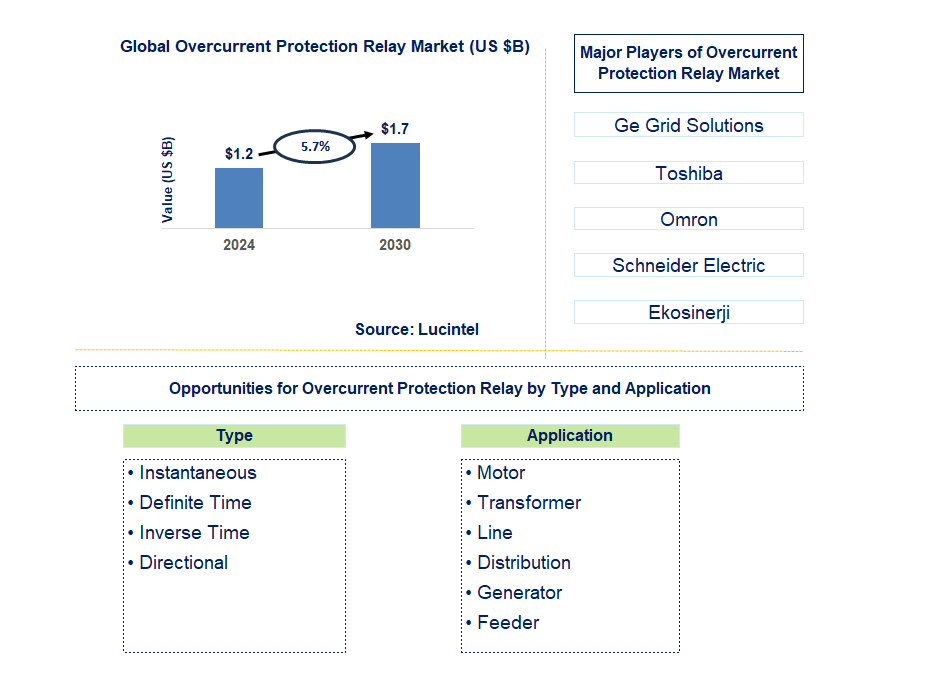
Key data points: The market size in 2030 = $1.7 billion, growth forecast = 5.7% annually for the next 6 years. Scroll below to get more insights. This market report covers trends, opportunities, and forecasts in the global overcurrent protection relay market to 2030 by type (instantaneous, definite time, inverse time, and directional), application (motor, transformer, line, distribution, generator, and feeder), and region (North America, Europe, Asia Pacific, and the Rest of the World)
We'll send your sample report shortly.
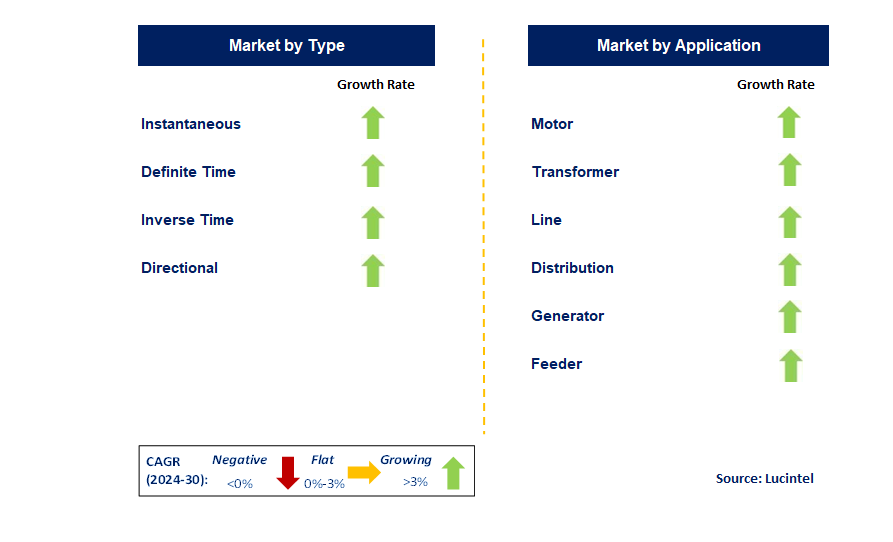
• Lucintel forecasts that, within the type category, directional is expected to witness the highest growth over the forecast period due to its increasing application in a single point of failure is not acceptable like motor protection and transformer protection.
• Within the application category, distribution is expected to remain the largest segment as is is used to protect electrical distribution systems from damage caused by overcurrent conditions like short circuits and overloads.
• In terms of region, APAC will remain the largest region during the forecast period due to growing investments in power infrastructure along with growing awareness of electrical safety in the region. Gain valuable insights for your business decisions with our comprehensive 150+ page report.
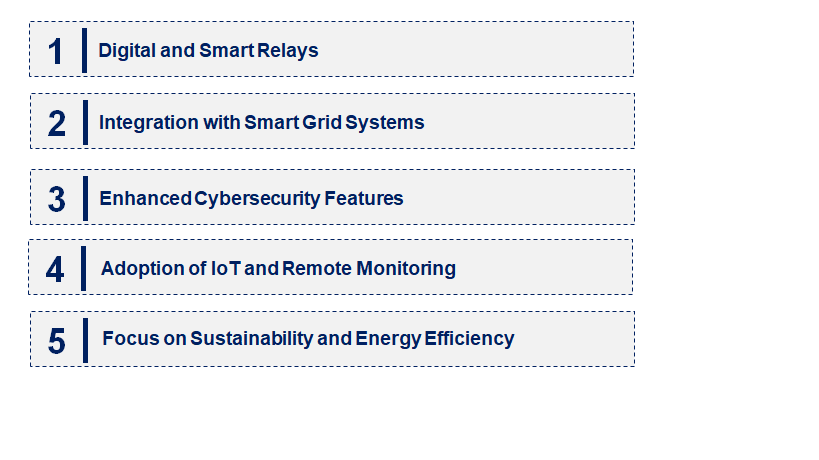
• Digital and Smart Relays: A major trend in the overcurrent protection relay market is the shift toward digital and smart relays. Unlike conventional electromechanical relays, digital relays offer more features such as advanced monitoring, diagnostic capabilities, and Internet of Things (IoT)-enabled devices. These features enable real-time data acquisition and analysis, improving fault detection and system control. The importance of smart relays cannot be overlooked, as they are fundamental to the growth of smart grids and advanced energy management systems. They enhance performance, flexibility, and can be easily integrated with other digital technologies, making them more accessible for customers. By improving system reliability and efficiency, this development has contributed to market growth.
• Integration with Smart Grid Systems: Overcurrent protection relays must become more integrated into smart grid systems. As power grids are transformed into smarter structures with reduced manual operations, this integration is becoming increasingly vital. It results in better data exchange, remote control, and automation of grid operations. Moreover, these integrations allow for functionalities such as demand response and dynamic protection settings, which are crucial for the smooth operation of complex modern energy systems. This shift reflects the need for grids to upgrade their reliability and efficiency through technological advancements.
• Enhanced Cybersecurity Features: Overcurrent protection relays are being designed with enhanced cybersecurity features as a critical consideration. The increasing connectivity of these relays to digital networks makes them more vulnerable to cyber threats. As a result, manufacturers are integrating advanced cybersecurity measures into their products to prevent unauthorized access and data loss. These security measures include encryption, secure communication protocols, and regular software updates. The growing concern about cybersecurity stems from the need to safeguard critical infrastructure and maintain system integrity in an increasingly digital and interconnected world.
• Adoption of IoT and Remote Monitoring: The overcurrent protection relay market is undergoing a radical transformation with the adoption of Internet of Things (IoT) technology, enabling remote monitoring capabilities. Information is continuously acquired and analyzed from remote locations using IoT-enabled relays, which improves maintenance practices that were previously reactive. For example, IoT technology helps detect faults at an early stage, allowing them to be rectified remotely before they result in a complete failure. This reduces the time spent on manual inspections during troubleshooting. Advanced relay solutions are therefore becoming essential for industries that require a high level of oversight or control over their electrical systems, creating a growing demand for IoT and remote monitoring capabilities.
• Focus on Sustainability and Energy Efficiency: The development of overcurrent protection relays is being influenced by a greater focus on sustainability and energy efficiency. There is an increasing push toward the production of relays that contribute to efficient energy use and facilitate the integration of renewable energy sources into power systems. By incorporating features that enhance energy management and minimize waste, manufacturers are aligning with global sustainability goals and meeting statutory requirements. This trend reflects a broader industrial shift toward environmentally friendly practices and supports the transition to cleaner energy sources. Technological innovations, system integrations, and new concerns such as cybersecurity and sustainability are reshaping the emerging trends in the overcurrent protection relay market. Some of the major trends influencing the direction of the market include digital/smart relays, smart grid integration, and the adoption of IoT. The industry's growing focus on cybersecurity and energy efficiency highlights the increasing importance of these factors. Together, these developments are improving performance, reliability, and cost savings, which will ultimately redefine the overcurrent protection relay market of tomorrow.
• Digital Relays with Advanced Features: Digital relays have had a significant impact on the overcurrent protection relay market. These relays offer advanced features such as programmable settings, real-time data monitoring, and remote communication capabilities. They improve system performance by delivering more accurate and flexible protection than conventional electromechanical relays while allowing for better smart grid integration and supporting advanced diagnostics and reports. This growth is driven by the increased demand for sophisticated protection solutions within complex electrical networks.
• Integration with Smart Grid Technologies: An important development in the field of overcurrent protection relays is their integration with smart grid technology. This has created a platform for improved communication between relays and other components of the grid, leading to better management and optimization of electrical systems. Features such as automated fault detection, dynamic protection settings, and increased system reliability are supported by smart grid integration. Market growth is being facilitated by this development, which involves modernizing power grids for increased resilience and efficiency.
• Enhanced Cybersecurity Measures: Overcurrent protection relays now require enhanced cybersecurity measures more than ever before. Relays are exposed to cyber threats once they are integrated into digital or networked systems. These measures include encryption, secure access controls, and regular software updates. It is crucial to implement these steps to protect vital installations and maintain the operational integrity of the system. Additionally, this advancement reflects the increasing focus on addressing cybersecurity concerns within the industrial sector, helping protect electric utility systems from potential attacks by hackers.
• Focus on Energy Efficiency and Sustainability: There is a growing focus on energy efficiency and sustainability in the development of overcurrent protection relays. Manufacturers are designing relays that support energy management and contribute to the efficient use of resources. This includes developing relays that are compatible with renewable energy sources and enhance overall system efficiency. The emphasis on sustainability aligns with global trends toward reducing environmental impact and meeting regulatory requirements for energy efficiency. This development is shaping the market by promoting environmentally responsible practices and supporting the transition to cleaner energy sources.
• Advanced Remote Monitoring and IoT Integration: Advanced remote monitoring and IoT integration are key developments in the overcurrent protection relay market. IoT-enabled relays provide continuous monitoring and data collection from remote locations, allowing for real-time analysis and proactive maintenance. This development enhances system reliability by enabling early fault detection and remote troubleshooting. The integration of IoT technology supports improved operational efficiency and oversight, meeting the needs of industries that require high levels of control over their electrical systems. This trend is driving demand for advanced relay solutions, fueling market growth. The recent developments in the overcurrent protection relay market are shaping the industry by introducing newer technologies, improving system integration, and addressing new challenges. Market growth and innovation are being driven by digital relays, smart grid integration, and enhanced cybersecurity measures. The emphasis on energy efficiency and sustainability mirrors broader trends in the industry, while advanced remote monitoring and IoT integration are skyrocketing system performance and reliability. These innovations are collectively shaping the direction of the market, improving functionality, efficiency, and adaptability.
• Integration of the smart grid: Inclusion in the smart grid presents a significant growth opportunity for overcurrent protection relays. As power systems become more intelligent and automated, more relays will be required that can interact with these sophisticated infrastructures. The process of interlinking smart grids enables better communication, automation, and data exchange for improved grid efficiency and increased reliability. Companies that develop relay products compatible with the smart grid will benefit from this growing trend toward modernizing electrical networks and addressing the needs of utility companies and grid operators who wish to boost system performance.
• Renewable energy integration: The convergence of renewable energy sources on electric grids offers an opportunity for growth for overcurrent protection relays. With the increasing proliferation of renewable energy technologies, such as wind and solar, there must be relays that can handle fluctuations and intermittency associated with these sources. Relays that facilitate the integration of renewable energy into the electricity network will ensure a stable power supply to consumers by managing load variability and ensuring uninterrupted service. This opportunity corresponds to the worldwide transition toward cleaner fuels, potentially leading to increased business in the green-energy production sector.
• Industrial automation: There is increasing demand for high-end overcurrent protection relays due to industrial automation. This growth opportunity aligns with the main Industry 4.0 trend, which calls for sophisticated protective devices that can support automated processes aimed at improving operational efficiency. Industries have seen rapid adoption of automation systems and smart manufacturing technologies, which necessitate reliable and precise protection in complex environments. Features like real-time monitoring, remote control, and integration into the automation system are becoming highly valuable in these relays. The growth of data centers and the importance of safeguarding vital infrastructure are stimulating the need for top-end relay solutions.
• Data centers and critical infrastructure: Overcurrent protection relays will find a growing market in data centers and critical infrastructure facilities. These facilities are expected to require overcurrent protection relays with advanced features such as quick fault detection, remote monitoring, and strong shielding to ensure continuous operation and security. High levels of reliability and protection are required by these facilities due to their critical nature. The rise of data centers, coupled with the growing importance of securing critical infrastructure, accelerates demand for high-performance relay solutions.
• Developing markets: Growing infrastructure and the expansion of power grids in developing markets offer major growth potential for overcurrent protection relays. Reliable yet cost-effective protection solutions are increasingly demanded as countries invest in modernizing their electrical systems and expanding their power grids. Manufacturers who can supply affordable and robust relay solutions customized for the needs of these developing regions may gain market share while contributing to infrastructural development. This opportunity reflects the global trend of infrastructure investments and the need for scalable protective solutions. Strategic growth opportunities within the market for overcurrent protection relays span a range of applications, including smart grid integration, renewable energy, industrial automation, data centers, and emerging economies. To capitalize on these opportunities, companies should become aware of these areas to benefit from emerging trends and technological advancements, which would drive innovation and capture new market share. The industry’s focus on integrating with advanced systems, supporting renewable energy sources, and addressing critical infrastructure requirements demonstrates how it relies on dynamic changes in its environment. These growth opportunities are shaping the future of the overcurrent protection relay market, driving improvements in functionality, performance, and market reach.
• Technological Developments: The overcurrent protection relay market growth is largely driven by technological developments. Features such as digital relays, smart grid integration, and IoT-enabled devices improve the functionality and performance of protection relays. These advances offer the advantage of real-time monitoring, updated fault detection systems, and advanced diagnostics. The market is competitive, as each technological development provides more efficient and flexible protective solutions. By investing in research and development that captures these improvements, firms can gain a competitive advantage.
• Rising Demand for Smart Grids: The increasing demand for smart grids has led to the growth of the overcurrent protection relay market. Smart grids require sophisticated protection relays that can interface with the digital infrastructure, automate tasks, and provide live data streams. This demand arises from the need for better grid reliability, efficiency, and the management of distributed energy sources. As utilities and grid operators invest in smart grid technologies, the requirement for advanced protection relays following these specifications increases simultaneously, broadening the market space.
• Renewable Energy Focus: The increasing focus on renewable energy affects the overcurrent protection relay market. As the adoption of wind, solar, and other forms of renewable technology increases, there is a need for protective relays that can handle the unique characteristics of these energy sources. Relays are required to support renewable energy integration and ensure stable grid operation. This trend reflects the wider shift toward cleaner energy solutions and drives the development of protection relays aligned with sustainability goals that foster the transition to renewable energy.
• Industrial Automation Rise: The demand for advanced overcurrent protection relays is driven by the rise of industrial automation. As industries adopt automated systems and smart manufacturing technologies, there is a need for relays that can provide precise and reliable protection in complex environments. Automation requires enhanced features, such as real-time monitoring, remote control, and integration with automation systems, among others, in their protective relays. This trend reflects the broader movement toward Industry 4.0 and calls for sophisticated protection solutions that sustain automated processes and enhance operational efficiency.
• Expansion in Power Grid Infrastructure: The growth of power grid infrastructure is one of the main drivers of the overcurrent protection relay market. As countries invest in the modernization and expansion of their power grids, there is an increased need for reliable and efficient protective solutions. This includes upgrading existing systems and deploying new infrastructure to meet rising energy needs. The demand for overcurrent protection relays that ensure system stability, reliability, and safety is driven by the expansion of power grid infrastructure. By creating opportunities for manufacturing companies to provide advanced protection solutions, this trend supports market growth. Challenges in the overcurrent protection relay market are:
• Intense Competition and Pricing Pressure: There are many players in the overcurrent protection relay market, which has led to price wars with low-cost alternatives reducing profit margins. Firms must focus on differentiation through innovation and value-added features to remain competitive. This challenge requires strategic planning and effective cost management to manage pricing pressure while maintaining product quality and profitability. It necessitates continuous improvement and differentiation as it impacts market dynamics.
• Regulatory Compliance and Standards: The overcurrent protection relay market faces challenges related to regulatory compliance and adherence to industrial standards. To ensure safety, high performance, and minimal environmental impact, manufacturers must navigate a complex set of rules and guidelines. Compliance requires investment in testing methods, certifications, and quality control systems. Additionally, shifting regulations and conflicting requirements across different regions add to the complexity. Understanding and adhering to regulatory trends is important for companies that wish to avoid penalties and remain competitive.
• Technological Obsolescence: The overcurrent protection relay sector is affected by the issue of technological obsolescence. Rapid technological advancements often render existing products obsolete or less competitive. Manufacturers must continuously innovate and update their product portfolios to meet the changing needs of technologically aware customers. This requires substantial investments in R&D capacity and the ability to predict future technological trends. Addressing technological obsolescence is essential for staying relevant in the market and meeting the demands of modern electrical systems. The growth and development of the overcurrent protection relay market are influenced by several drivers and challenges. Technological innovations, growing demand for smart grids, and a shift toward renewable energy are essential factors propelling the market forward. However, market dynamics are affected by obstacles such as stiff competition, regulatory compliance issues, and technological obsolescence. Recognizing these factors will help companies make informed decisions, exploit growth opportunities, and address potential barriers to success in the evolving overcurrent protection relay sector.
• Ge Grid Solutions
• Toshiba
• Omron
• Schneider Electric
• Ekosinerji
• Siemens
• Eaton
• C And S Electric
• Basler Electric
• Fanox Electronic
• Instantaneous
• Definite Time
• Inverse Time
• Directional
• Motor
• Transformer
• Line
• Distribution
• Generator
• Feeder
• North America
• Europe
• Asia Pacific
• The Rest of the World
• United States: In the United States, there have been recent developments in overcurrent protection relays, particularly regarding the incorporation of advanced digital technologies and improved cybersecurity features. This has led to increased adoption of digital relays that come with communication capabilities, making it possible for them to integrate easily into smart grid systems. These types of digital relays offer better monitoring, diagnostics, and remote management, which improves the reliability and efficiency of power grids. The emphasis on securing cyberspace is due to the increasing threat of cyber-attacks targeting the vulnerability of digital infrastructure. Moreover, there is a movement toward designing user-friendly interfaces that can be adjusted to suit different industrial settings.
• China: China’s overcurrent protection relay market demonstrates fast-paced technological advancement, along with a substantial increase in domestic production capacities. The country prioritizes the development of high-performance relays equipped with features such as real-time data analysis and improved protective algorithms. Developments in relay design consequently promote more accurate fault detection and shorter response times between fault occurrence and identification. Additionally, Chinese production benefits from low-cost manufacturing processes, which allow for more affordable access to sophisticated protection solutions. Furthermore, the growing installation of smart grids and upgrades to the power sector require advanced electronic security devices, such as relays.
• Germany: In Germany, the overcurrent protection relay market is witnessing a shift toward the integration of relays with energy management systems and renewable energy sources. German manufacturers are designing relays that can be utilized in decentralized energy systems while coping with the variability associated with renewable sources, such as wind and solar power. There is also significant focus on accuracy and dependability due to stringent regulations aimed at ensuring stability in power grids. Innovations include advanced self-diagnosing functions, along with detailed reporting for regulatory compliance.
• India: Investments in infrastructure and the expansion of the power grid have stimulated the growth of the overcurrent protection relay market in India. Additionally, recently introduced inexpensive yet robust solutions for underdeveloped regions have been designed. Indian producers aim to provide cost-effective safeguarding relays suitable for various applications, ranging from home use to industrial settings. There is also an increasing demand for more durable products that can withstand the difficult environmental conditions often experienced in the region. The market also benefits from government initiatives intended to upgrade the reliability and performance of the power supply industry.
• Japan: The Japanese overcurrent protection relay market is characterized by sophisticated technological features and innovation. Leading digital relay manufacturers in Japan have developed the latest real-time monitoring devices, predictive maintenance tools, and high-speed fault detection systems, among other advanced solutions. The goal is to integrate these relays into highly automated systems designed to improve overall efficiency and grid stability. Additionally, there has been significant emphasis on reliability and performance, driven by the country’s strict safety requirements, which place great value on operational continuity. Furthermore, there is growing interest in tools that support the integration of renewable energy sources into grids.


• Ge Grid Solutions
• Toshiba
• Omron
• Schneider Electric
• Ekosinerji
• Siemens
• Eaton
• C And S Electric
• Basler Electric
• Fanox Electronic Q6. Which overcurrent protection relay market segment will be the largest in future? Answer: Lucintel forecasts that directional is expected to witness the highest growth over the forecast period due to its increasing application in a single point of failure is not acceptable like motor protection and transformer protection. Q7. In overcurrent protection relay market, which region is expected to be the largest in next 5 years? Answer: APAC will remain the largest region during the forecast period due to growing investments in power infrastructure along with growing awareness of electrical safety in the region. Q.8 Do we receive customization in this report? Answer: Yes, Lucintel provides 10% customization without any additional cost.


Choose a license that fits your team. Instant PDF delivery.
Prices exclude taxes. Instant delivery. Custom licensing available on request.
Market Report · July 29, 2026
Market Report · July 20, 2026
Market Report · July 20, 2026
Trusted partner for strategic intelligence and business growth


Receive a complimentary market analysis tailored to your industry. Our analysts will identify key growth opportunities and competitive dynamics specific to your business.

Market size, growth rate, and key trend analysis for your specific sector.

Top competitor positioning and market share analysis.

Strategic recommendations backed by data-driven insights.
Get curated market intelligence and competitive moves straight to your inbox.
By subscribing, you agree to receive our monthly insights. Unsubscribe anytime.
Receive a complimentary market analysis tailored to your industry. Our analysts will identify key growth opportunities and competitive dynamics specific to your business.
Market size, growth rate, and key trend analysis for your specific sector.
Top competitor positioning and market share analysis.
Strategic recommendations backed by data-driven insights.
Get curated market intelligence, emerging trends, and competitive moves straight to your inbox each month.
By subscribing, you agree to receive our monthly insights. Unsubscribe anytime.
We'll send your sample report shortly.