
Report Feature
Orthobiologic Market Trends and Forecast
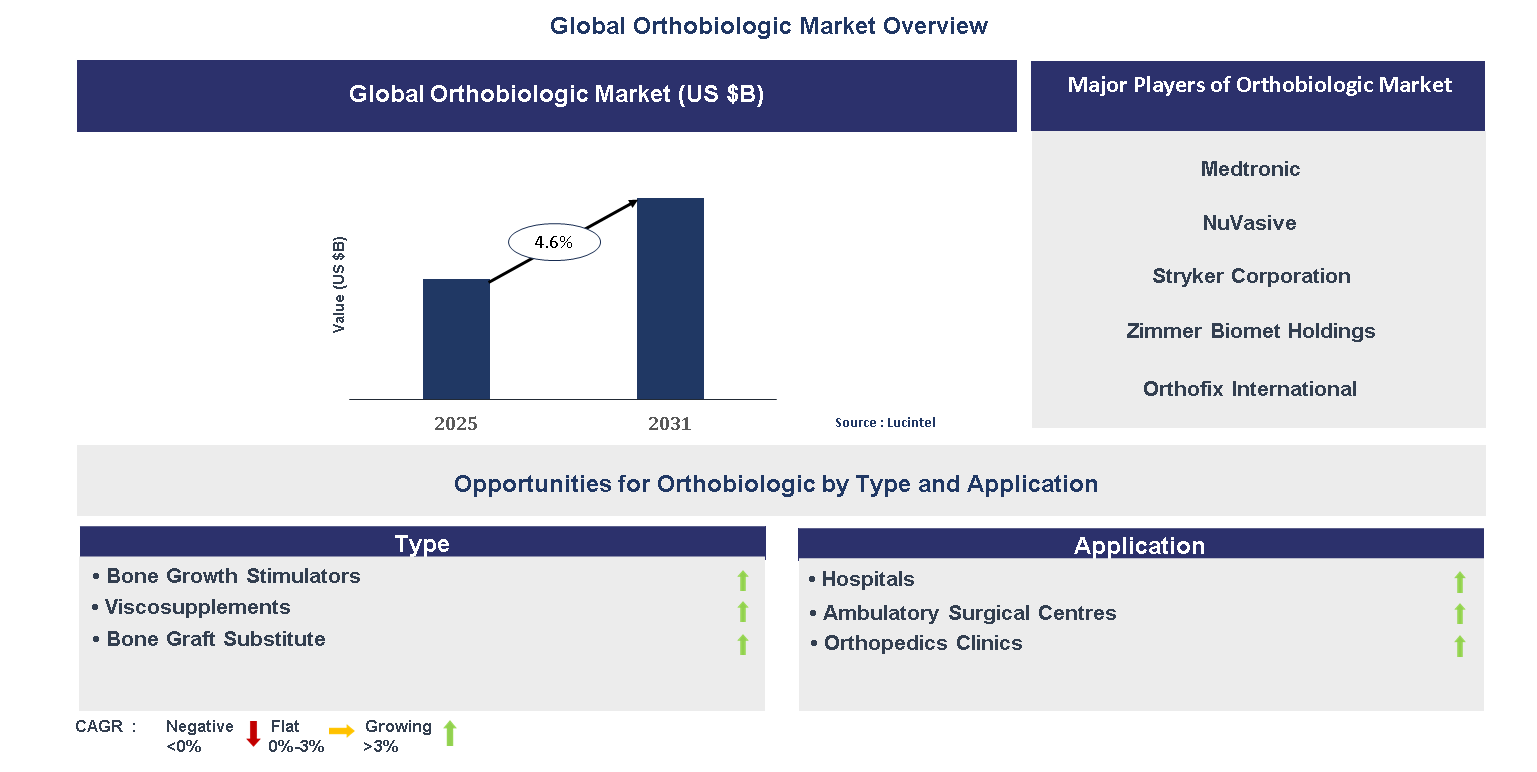
The future of the global orthobiologic market looks promising with opportunities in the hospital, ambulatory surgical centre, and orthopedics clinic markets. The global orthobiologic market is expected to grow with a CAGR of 4.6% from 2025 to 2031. The major drivers for this market are the increasing cases of musculoskeletal disorders, the rising demand for minimally invasive treatments, and the growing adoption of regenerative medicine techniques.• Lucintel forecasts that, within the type category, bone graft substitute is expected to witness the highest growth over the forecast period.
• Within the application category, orthopedics clinic is expected to witness the highest growth.
• In terms of region, APAC is expected to witness the highest growth over the forecast period. Gain valuable insights for your business decisions with our comprehensive 150+ page report. Sample figures with some insights are shown below.
Emerging Trends in the Orthobiologic Market
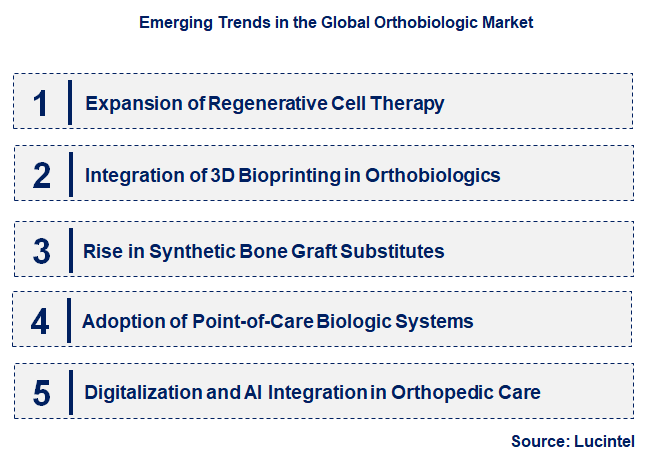
The orthobiologic market is undergoing rapid transformation due to technological innovations and shifting clinical preferences. Advancements in cell-based therapies, biomaterials, and digital integration are enhancing surgical outcomes and recovery times. The emphasis is increasingly on regenerative and minimally invasive solutions that support tissue healing and long-term patient mobility.• Expansion of Regenerative Cell Therapy: The use of mesenchymal stem cells and growth factors in orthopedics is gaining momentum. These therapies promote faster healing of cartilage, bone, and tendon injuries, reducing the need for invasive surgeries. Ongoing clinical trials are validating their efficacy, encouraging global adoption.
• Integration of 3D Bioprinting in Orthobiologics: 3D bioprinting is revolutionizing tissue engineering by enabling precise customization of bone grafts and scaffolds. This technology allows for the creation of biologically compatible implants that improve integration and reduce rejection rates.
• Rise in Synthetic Bone Graft Substitutes: Synthetic bone graft materials, including calcium phosphate and bioactive glass, are becoming popular alternatives to autografts. They minimize infection risks and provide consistent quality, enhancing patient recovery.
• Adoption of Point-of-Care Biologic Systems: Hospitals are increasingly using point-of-care devices for immediate preparation of PRP and stem cell concentrates. This improves surgical efficiency and ensures personalized patient treatment.
• Digitalization and AI Integration in Orthopedic Care: Artificial intelligence is being used to predict patient recovery outcomes, optimize treatment planning, and enhance biologic therapy success rates. Integration of AI with imaging and biologic data supports precision medicine. These emerging trends are transforming the orthobiologic market by driving innovation in regenerative solutions, improving clinical efficiency, and expanding patient access to advanced biologic therapies worldwide.
Recent Development in the Orthobiologic Market
The orthobiologic market is evolving rapidly with breakthroughs in biomaterials, clinical applications, and biologic delivery systems. Innovation is centered around improving biocompatibility, reducing recovery time, and expanding indications for regenerative therapies.• Launch of Next-Generation Stem Cell Products: New stem cell formulations with enhanced viability and regenerative capacity are being introduced, improving treatment outcomes in spinal and joint disorders.
• Advancements in Bone Morphogenetic Proteins (BMPs): Research on safer and more effective BMP variants is expanding their clinical use in spinal fusion and bone repair surgeries.
• Regulatory Approvals for Novel Biologics: Accelerated approvals of PRP and cell-based therapies are promoting clinical adoption and boosting market growth.
• Collaborations Between Biotech and Device Firms: Strategic partnerships are enabling the integration of biologics into orthopedic implants and delivery systems.
• Development of Injectable Orthobiologic Formulations: Injectable biologics for cartilage and tendon repair are improving convenience and reducing surgical invasiveness. These developments are redefining orthopedic care by enabling faster recovery, reducing complications, and driving a shift toward biologic-driven treatment protocols.
Strategic Growth Opportunities in the Orthobiologic Market
The orthobiologic market presents strong growth opportunities across various applications as advancements in regenerative technologies continue to reshape orthopedic care. Increasing clinical acceptance and patient demand for biologic alternatives are creating new avenues for market expansion.• Spinal Fusion Procedures: The rising number of spinal disorders is increasing demand for bone graft substitutes and BMP-based biologics, improving surgical success rates.
• Sports Medicine and Soft Tissue Repair: Expanding use of PRP and stem cell therapies in ligament and tendon repair is driving growth in sports injury management.
• Joint Reconstruction and Replacement: Biologics are being used to enhance bone integration and reduce recovery time in knee, hip, and shoulder replacements.
• Trauma and Fracture Management: Advanced graft materials and biologic scaffolds are improving bone regeneration and healing efficiency in trauma cases.
• Cartilage Regeneration: Stem cell-based cartilage repair and injectable biologics are offering minimally invasive solutions for osteoarthritis and cartilage damage. These opportunities are driving the adoption of regenerative and biologic-based therapies across orthopedic applications, promoting innovation and improved patient outcomes.
Orthobiologic Market Driver and Challenges
The orthobiologic market is influenced by a mix of technological, regulatory, and economic factors. While innovation and clinical success are propelling growth, challenges related to cost and regulation remain significant. The factors responsible for driving the orthobiologic market include: 1. Rising Prevalence of Orthopedic Disorders: Increasing cases of fractures, arthritis, and spinal injuries are fueling demand for biologic therapies. 2. Technological Advancements in Regenerative Medicine: Innovations in cell culture, biomaterials, and tissue engineering are improving treatment effectiveness. 3. Growing Preference for Minimally Invasive Procedures: Patients and physicians are opting for biologic solutions that promote faster healing with reduced recovery time. 4. Favorable Regulatory and Reimbursement Policies: Supportive frameworks in major markets are encouraging product commercialization. 5. Increasing Investments in Research and Development: Biotech and medical device companies are expanding R&D efforts to develop next-generation biologic products. Challenges in the orthobiologic market are: 1. High Treatment Costs: The premium pricing of biologic therapies limits access in developing regions. 2. Regulatory Complexity: Varying approval standards across countries delay product commercialization and global reach. 3. Limited Clinical Evidence for Long-Term Efficacy: The need for more large-scale clinical studies remains a constraint to wider acceptance. The orthobiologic market is poised for strong growth driven by technological progress and rising clinical adoption. Overcoming regulatory and cost challenges will be essential to achieving widespread global expansion and improved patient access.List of Orthobiologic Companies
Companies in the market compete on the basis of product quality offered. Major players in this market focus on expanding their manufacturing facilities, R&D investments, infrastructural development, and leverage integration opportunities across the value chain. With these strategies orthobiologic companies cater increasing demand, ensure competitive effectiveness, develop innovative products & technologies, reduce production costs, and expand their customer base. Some of the orthobiologic companies profiled in this report include-• Medtronic
• NuVasive
• Stryker Corporation
• Zimmer Biomet Holdings
• Orthofix International
• Anika Therapeutics
• DePuy Synthes
• Bioventus
• Arthrex
• SeaSpine Holdings Corporation
Orthobiologic Market by Segment
The study includes a forecast for the global orthobiologic market by type, application, and region.Orthobiologic Market by Type [Value from 2019 to 2031]:
• Bone Growth Stimulators
• Viscosupplements
• Bone Graft Substitute
Orthobiologic Market by Application [Value from 2019 to 2031]:
• Hospitals
• Ambulatory Surgical Centres
• Orthopedics Clinics
Orthobiologic Market by Region [Value from 2019 to 2031]:
• North America
• Europe
• Asia Pacific
• The Rest of the World
Country Wise Outlook for the Orthobiologic Market
The global orthobiologic market is witnessing significant advancements driven by the increasing prevalence of musculoskeletal disorders, rising orthopedic surgeries, and rapid adoption of regenerative medicine. The growing demand for minimally invasive treatments, combined with technological progress in stem cell therapy, platelet-rich plasma, and bone graft substitutes, is shaping the industry landscape. Leading economies, including the United States, China, Germany, India, and Japan, are making strategic investments in research and clinical applications.• United States: The United States continues to lead the orthobiologic market with strong research and development investments, favorable reimbursement frameworks, and growing clinical acceptance of biologic therapies. Key advancements include the increased use of autologous stem cells and bone morphogenetic proteins in spinal and trauma surgeries. The regulatory environment is evolving to support novel regenerative products. Collaborations between biotech firms and orthopedic device manufacturers are accelerating innovation. The growing emphasis on outpatient procedures and cost-effective biologic solutions is driving further adoption across healthcare facilities.
• China: China’s orthobiologic market is expanding rapidly due to rising healthcare expenditure, a growing aging population, and an increase in sports-related injuries. Domestic companies are investing in stem cell and tissue engineering research, supported by government funding initiatives. The development of advanced biologic materials for cartilage and bone regeneration is improving clinical efficacy. Partnerships between Chinese hospitals and international biotech firms are enhancing knowledge exchange. Efforts to streamline regulatory approval processes are encouraging innovation and improving accessibility to regenerative orthopedic therapies.
• Germany: Germany is a major hub for orthobiologic innovation in Europe, driven by its strong medical technology sector and well-established orthopedic infrastructure. The country is witnessing increased adoption of bone graft substitutes, platelet-rich plasma therapy, and stem cell applications. Academic research institutions are collaborating with biotech companies to develop next-generation biologics for musculoskeletal repair. Germany’s focus on evidence-based medicine ensures the development of safe and clinically validated products. The integration of regenerative solutions in sports medicine and trauma care continues to strengthen market growth.
• India: India’s orthobiologic market is growing steadily due to rising awareness of regenerative treatments and the increasing number of orthopedic surgeries. Domestic manufacturers are expanding production capacities for bone graft substitutes and PRP kits. The government’s healthcare initiatives aimed at improving access to advanced therapies are driving adoption. Collaborations with international companies are helping local firms gain technological expertise. Growing medical tourism and the affordability of biologic treatments are positioning India as an emerging player in the global orthobiologic landscape.
• Japan: Japan’s orthobiologic market is characterized by strong regulatory support, advanced clinical research, and early adoption of regenerative technologies. The country’s aging population is driving demand for biologic-based joint and bone repair solutions. Japanese firms are leading innovations in stem cell therapies and synthetic bone graft materials. Government-led initiatives promoting regenerative medicine are accelerating product development and commercialization. Integration of biologic therapies with robotic-assisted surgeries and precision medicine is creating new growth opportunities in orthopedic care.

Features of the Global Orthobiologic Market
Market Size Estimates: Orthobiologic market size estimation in terms of value ($B). Trend and Forecast Analysis: Market trends (2019 to 2024) and forecast (2025 to 2031) by various segments and regions. Segmentation Analysis: Orthobiologic market size by type, application, and region in terms of value ($B). Regional Analysis: Orthobiologic market breakdown by North America, Europe, Asia Pacific, and Rest of the World. Growth Opportunities: Analysis of growth opportunities in different types, applications, and regions for the orthobiologic market. Strategic Analysis: This includes M&A, new product development, and competitive landscape of the orthobiologic market. Analysis of competitive intensity of the industry based on Porter’s Five Forces model.
FAQ
Q1. What is the growth forecast for orthobiologic market? Answer: The global orthobiologic market is expected to grow with a CAGR of 4.6% from 2025 to 2031. Q2. What are the major drivers influencing the growth of the orthobiologic market? Answer: The major drivers for this market are the increasing cases of musculoskeletal disorders, the rising demand for minimally invasive treatments, and the growing adoption of regenerative medicine techniques. Q3. What are the major segments for orthobiologic market? Answer: The future of the orthobiologic market looks promising with opportunities in the hospital, ambulatory surgical centre, and orthopedics clinic markets. Q4. Who are the key orthobiologic market companies? Answer: Some of the key orthobiologic companies are as follows:• Medtronic
• NuVasive
• Stryker Corporation
• Zimmer Biomet Holdings
• Orthofix International
• Anika Therapeutics
• DePuy Synthes
• Bioventus
• Arthrex
• SeaSpine Holdings Corporation Q5. Which orthobiologic market segment will be the largest in future? Answer: Lucintel forecasts that, within the type category, bone graft substitute is expected to witness the highest growth over the forecast period. Q6. In orthobiologic market, which region is expected to be the largest in next 5 years? Answer: In terms of region, APAC is expected to witness the highest growth over the forecast period. Q7. Do we receive customization in this report? Answer: Yes, Lucintel provides 10% customization without any additional cost.
Table of Contents
List of Figures
List of Tables
Methodology
- In-depth interviews of the major players in this market
- Detailed secondary research from competitors’ financial statements and published data
- Extensive searches of published works, market, and database information pertaining to industry news, company press releases, and customer intentions
- A compilation of the experiences, judgments, and insights of Lucintel’s professionals, who have analyzed and tracked this market over the years.


Buy Now
Choose a license that fits your team. Instant PDF delivery.
Prices exclude taxes. Instant delivery. Custom licensing available on request.
Key Questions
- • What are some of the most promising, high-growth opportunities for the orthobiologic market by type (bone growth stimulators, viscosupplements, and bone graft substitute), application (hospitals, ambulatory surgical centres, and orthopedics clinics), and region (North America, Europe, Asia Pacific, and the Rest of the World)?
- • Which segments will grow at a faster pace and why?
- • Which region will grow at a faster pace and why?
- • What are the key factors affecting market dynamics? What are the key challenges and business risks in this market?
- • What are the business risks and competitive threats in this market?
- • What are the emerging trends in this market and the reasons behind them?
- • What are some of the changing demands of customers in the market?
- • What are the new developments in the market? Which companies are leading these developments?
- • Who are the major players in this market? What strategic initiatives are key players pursuing for business growth?
- • What are some of the competing products in this market and how big of a threat do they pose for loss of market share by material or product substitution?
- • What M&A activity has occurred in the last 5 years and what has its impact been on the industry? For any questions related to Orthobiologic Market, Orthobiologic Market Size, Orthobiologic Market Growth, Orthobiologic Market Analysis, Orthobiologic Market Report, Orthobiologic Market Share, Orthobiologic Market Trends, Orthobiologic Market Forecast, Orthobiologic Companies, write Lucintel analyst at email: helpdesk@lucintel.com. We will be glad to get back to you soon.


