
Market Report · July 20, 2026

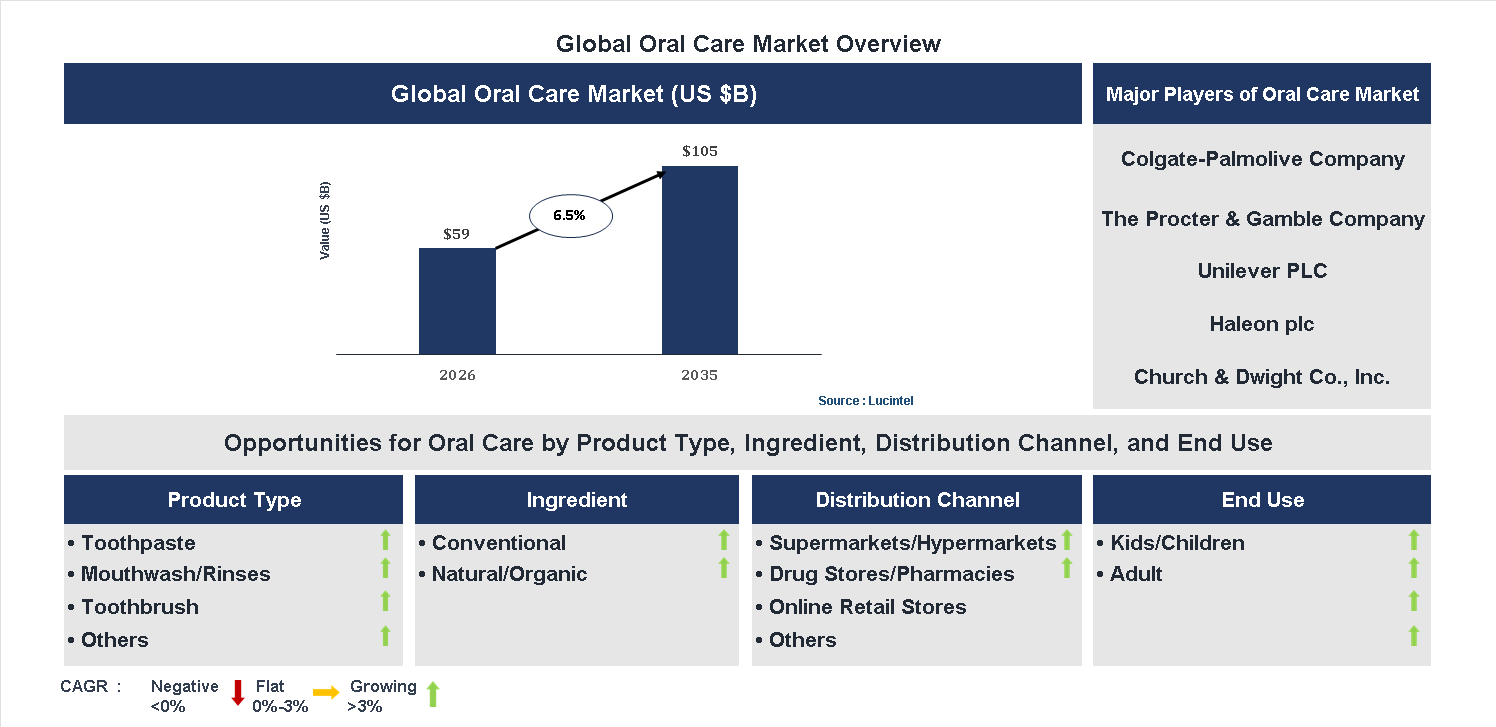
Key data points: The market size in 2035 = $105 billion, growth forecast = 6.5% annually for the next 8 years. Scroll below to get more insights. This market report covers trends, opportunities and forecasts in oral care market to 2035 by product type (toothpaste, mouthwash/rinses, toothbrush, and others), ingredient (conventional and natural/organic), distribution channel (supermarkets/hypermarkets, drug stores/pharmacies, online retail stores, and others), end use (kids/children and adult), and region (North America, Europe, Asia Pacific, and the Rest of the World)
We'll send your sample report shortly.
• Lucintel forecasts that, within the product type category, toothpaste is expected to witness the highest growth over the forecast period.
• Within the ingredient category, natural/organic is expected to witness the highest growth.
• In terms of region, APAC is expected to witness the highest growth over the forecast period. Gain valuable insights for your business decisions with our comprehensive 150+ page report. Sample figures with some insights are shown below.
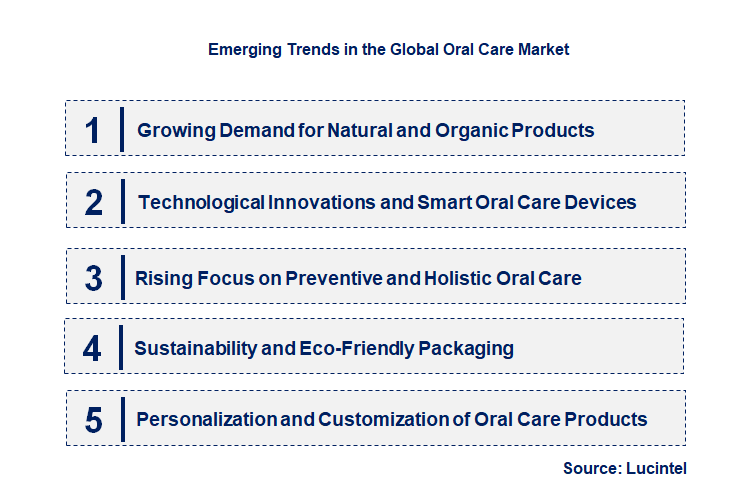
• Growing Demand for Natural and Organic Products: Consumers are increasingly prioritizing natural ingredients and organic formulations in oral care products. This trend is driven by health consciousness, concerns over chemical exposure, and a desire for eco-friendly options. Brands are responding by developing toothpaste, mouthwash, and other oral care items with plant-based ingredients, free from artificial additives, and sustainable packaging. This shift is expanding market segments and encouraging innovation in natural oral health solutions, ultimately influencing purchasing decisions and fostering a more health-conscious consumer base.
• Technological Innovations and Smart Oral Care Devices: The integration of technology into oral care is revolutionizing the market. Smart toothbrushes, app-connected devices, and AI-powered diagnostics are providing consumers with personalized oral health insights and improved cleaning efficiency. These innovations enhance user engagement, promote better oral hygiene habits, and enable remote monitoring by dental professionals. As technology becomes more affordable and accessible, it is expected to significantly improve oral health outcomes and create new revenue streams for companies investing in digital solutions.
• Rising Focus on Preventive and Holistic Oral Care: Consumers are shifting from reactive treatments to preventive and holistic approaches. This includes products that target gum health, enamel protection, and overall oral wellness, often incorporating ingredients like probiotics and antioxidants. Educational campaigns and increased awareness about the importance of early intervention are fueling this trend. The market is witnessing a surge in preventive products, such as fluoride rinses and demineralizing agents, which aim to reduce dental issues before they develop, ultimately promoting long-term oral health and reducing healthcare costs.
• Sustainability and Eco-Friendly Packaging: Environmental concerns are prompting brands to adopt sustainable practices in the oral care industry. This includes biodegradable packaging, refillable containers, and the use of eco-friendly materials. Consumers are increasingly demanding products that align with their values of sustainability and minimal environmental impact. Companies are responding by innovating packaging solutions and emphasizing eco-conscious branding. This trend not only appeals to environmentally aware consumers but also encourages industry-wide shifts toward greener practices, shaping the future landscape of the oral care market.
• Personalization and Customization of Oral Care Products: Advances in data analytics and consumer insights are enabling brands to offer personalized oral care solutions. Custom toothpaste formulations, tailored toothbrushes, and targeted treatments are becoming more prevalent. This trend enhances consumer engagement by addressing individual needs, preferences, and oral health conditions. Digital platforms and diagnostic tools facilitate customization, leading to higher satisfaction and loyalty. As personalization becomes a key differentiator, the market is moving toward more bespoke products that improve efficacy and user experience, ultimately transforming the way oral care is marketed and consumed. These emerging trends are reshaping the oral care market by fostering innovation, emphasizing sustainability, and prioritizing consumer-centric solutions. The integration of technology, natural ingredients, and personalized products is creating a more dynamic, sustainable, and effective oral health landscape, positioning the industry for continued growth and evolution.
• Digital Oral Care Devices: Integration of smart technology is revolutionizing oral hygiene practices. Smart toothbrushes and apps enable personalized brushing routines, real-time feedback, and data tracking, enhancing user engagement and effectiveness. This innovation improves oral health outcomes, encourages regular use, and attracts tech-savvy consumers. The market for digital devices is expanding rapidly, driven by consumer demand for convenience and customization, and is expected to continue growing as technology advances and affordability improves.
• Natural and Organic Products: Rising consumer preference for natural, chemical-free oral care products is reshaping the market. Brands are developing herbal, organic, and eco-friendly formulations to meet health and environmental concerns. This shift boosts sales of natural toothpaste, mouthwashes, and supplements, appealing to health-conscious consumers. The demand for sustainable packaging and cruelty-free products further enhances market growth, encouraging companies to innovate and diversify their product portfolios to capture this expanding segment.
• Enhanced Whitening Solutions: The demand for effective teeth whitening products is increasing, driven by aesthetic concerns and social media influence. Innovations include advanced whitening agents, LED light technology, and at-home whitening kits that deliver professional results. These solutions offer convenience, safety, and faster results, attracting a broad consumer base. The market for whitening products is projected to grow significantly, with ongoing research improving efficacy and reducing sensitivity, thus expanding consumer trust and adoption.
• Preventive Oral Care Focus: Emphasis on preventive care is shifting industry strategies toward early intervention and education. Products like fluoride rinses, interdental cleaners, and probiotic oral care are gaining popularity. This approach aims to reduce dental issues before they develop, promoting overall oral health. Increased awareness campaigns and professional guidance are fueling demand, leading to a more health-conscious market. The focus on prevention is expected to drive sustained growth and reduce long-term dental treatment costs.
• Sustainable Packaging and Eco-Friendly Initiatives: Environmental concerns are prompting companies to adopt sustainable packaging solutions and eco-friendly practices. Recyclable, biodegradable, and refillable packaging reduces plastic waste and appeals to environmentally conscious consumers. These initiatives enhance brand reputation and meet regulatory standards. As sustainability becomes a key purchasing criterion, market players investing in green practices are gaining competitive advantage. This trend supports long-term growth by aligning industry practices with global environmental goals. The overall impact of these developments is a dynamic, innovative oral care market characterized by increased consumer engagement, sustainable practices, and diverse product offerings. These opportunities are driving market expansion, improving oral health outcomes, and fostering a competitive environment that benefits both consumers and industry stakeholders.
• Growing Demand for Natural and Organic Oral Care Products: Consumers are increasingly seeking natural, chemical-free options for oral hygiene, driving innovation in herbal and organic formulations. This trend encourages companies to develop eco-friendly, sustainable products that appeal to health-conscious buyers. The shift towards natural ingredients also aligns with broader wellness trends, expanding market reach. Manufacturers investing in R&D to create effective, safe, and appealing natural oral care solutions are likely to gain competitive advantage and capture new customer segments.
• Rising Adoption of Advanced Dental Technologies and Smart Oral Care Devices: Technological innovations such as AI-powered toothbrushes, smart flossers, and digital monitoring tools are transforming oral care routines. These devices offer personalized feedback, improved plaque removal, and enhanced user engagement. The integration of IoT and mobile apps enables consumers to track their oral health more effectively. Companies investing in smart device development and connectivity are positioned to lead the market, catering to tech-savvy consumers seeking convenience and precision in dental hygiene.
• Increasing Focus on Oral Health in Emerging Markets: Rapid urbanization, rising disposable incomes, and improved healthcare awareness are boosting oral care product adoption in developing regions. These markets present significant growth opportunities for global brands to expand their footprint. Tailoring products to local preferences, affordability, and distribution channels is crucial. Strategic entry into emerging markets can help companies tap into a large, underserved population, fostering long-term growth and brand loyalty in these regions.
• Expansion of Professional Dental Care Services and Products: The growing emphasis on preventive dentistry and cosmetic procedures is driving demand for professional-grade oral care products. Dental clinics and practitioners are increasingly recommending specialized products such as whitening kits, fluoride treatments, and orthodontic solutions. Collaborations with dental professionals and targeted marketing can enhance credibility and sales. This segment offers lucrative opportunities for brands to develop high-performance, clinically approved products that meet the needs of both practitioners and consumers.
• Increasing Consumer Awareness About Oral Health and Hygiene Practices: Educational campaigns and digital media are elevating awareness of the importance of oral hygiene. Consumers are more informed about the benefits of regular brushing, flossing, and professional check-ups. This heightened awareness encourages proactive purchasing of oral care products, including toothbrushes, mouthwashes, and dental accessories. Companies that invest in consumer education and effective marketing strategies can strengthen brand loyalty and expand their market share by aligning products with health-conscious lifestyles. The overall growth opportunities in the oral care market are set to significantly influence industry dynamics, fostering innovation, expanding consumer bases, and enhancing product offerings. Companies that strategically leverage these opportunities will be well-positioned to achieve sustained growth and competitive advantage in a rapidly evolving landscape.
• Technological Advancements: The development of innovative oral care products, such as electric toothbrushes, whitening agents, and smart dental devices, has significantly enhanced consumer experience and efficacy. These innovations meet increasing demand for effective and convenient oral hygiene solutions. Continuous R&D investments foster product differentiation and market expansion, attracting a broader consumer base. Moreover, advancements in materials and manufacturing processes improve product safety and durability, further boosting consumer confidence and market growth.
• Rising Awareness and Health Consciousness: Growing awareness about oral healths importance has led consumers to prioritize oral hygiene routines. Campaigns by health organizations and increased media coverage educate consumers on the benefits of regular dental care, driving demand for a wide range of oral care products. This heightened awareness encourages preventive care, leading to increased sales of toothpaste, mouthwash, and dental accessories. As health consciousness spreads globally, especially in emerging markets, the market experiences sustained growth.
• Increasing Disposable Income and Healthcare Spending: Economic growth in various regions has resulted in higher disposable incomes, enabling consumers to spend more on premium oral care products. Additionally, increased healthcare expenditure supports better access to dental services and products. This economic upliftment encourages consumers to invest in advanced and specialized oral care solutions, including cosmetic treatments and professional dental products, thereby expanding the market scope and revenue streams.
• Regulatory Support and Standards: Governments and regulatory bodies are implementing standards to ensure product safety and efficacy, which enhances consumer trust. Regulatory approvals and certifications facilitate market entry for new products and encourage innovation. Compliance with these standards also reduces risks associated with product recalls and legal issues, fostering a stable environment for market players. Such regulatory support promotes consumer confidence and sustains market growth. The challenges facing the oral care market include:-
• Stringent Regulations and Compliance Costs: The oral care industry faces strict regulatory requirements related to product safety, labeling, and advertising. Meeting these standards involves significant costs for testing, certification, and compliance, which can hinder new product launches and innovation. Smaller companies may struggle with these expenses, limiting market competition and diversity. Additionally, regulatory delays can slow down product availability, impacting revenue and market expansion efforts.
• High Product Costs and Affordability Issues: Advanced oral care products, such as electric toothbrushes and whitening systems, often come with higher price tags, limiting accessibility for price-sensitive consumers. This affordability barrier restricts market penetration in developing regions and among lower-income groups. Consequently, companies must balance innovation with affordability, which can impact profit margins and market reach.
• Changing Consumer Preferences and Market Saturation: Consumer preferences are evolving towards natural, organic, and eco-friendly products, requiring companies to adapt quickly. Market saturation in mature regions also limits growth opportunities, forcing brands to innovate or expand into emerging markets. Additionally, the rise of private labels and generic products intensifies competition, challenging established brands to maintain market share and profitability. The oral care market is driven by technological innovations, increased health awareness, economic growth, and supportive regulations. However, it faces challenges such as regulatory compliance costs, affordability issues, and shifting consumer preferences. These factors collectively influence market dynamics, requiring stakeholders to innovate continuously and adapt strategies. While growth prospects remain promising, navigating regulatory landscapes and consumer trends will be crucial for sustained success. Overall, the markets future depends on balancing innovation with affordability and responding effectively to evolving consumer demands.
• Colgate-Palmolive Company
• The Procter & Gamble Company
• Unilever PLC
• Haleon plc
• Church & Dwight Co., Inc.
• Kenvue Inc.
• Henkel AG & Co. KGaA
• LG Household & Health Care Ltd.
• Lion Corporation
• Sunstar Suisse SA
• Toothpaste
• Mouthwash/Rinses
• Toothbrush
• Others
• Conventional
• Natural/Organic
• Supermarkets/Hypermarkets
• Drug Stores/Pharmacies
• Online Retail Stores
• Others
• Kids/Children
• Adult
• North America
• Europe
• Asia Pacific
• The Rest of the World
• United States: The US oral care market has seen a surge in electric toothbrush sales, driven by technological innovations and consumer demand for effective cleaning. There is a growing trend toward natural and organic oral care products, with brands emphasizing sustainability and ingredient transparency. Digital dentistry solutions, including AI-powered diagnostics and tele-dentistry, are gaining popularity, improving access and personalized care. Additionally, premium and whitening products continue to dominate, reflecting consumer preferences for aesthetic oral health. The market is also witnessing increased investments in research and development for innovative formulations and delivery systems.
• China: Chinas oral care market is rapidly expanding, fueled by rising disposable incomes and increased awareness of dental health. Local brands are gaining prominence through affordable, innovative products tailored to consumer needs. The adoption of digital marketing and e-commerce platforms has accelerated product reach and sales. There is a notable shift toward herbal and natural ingredients, aligning with traditional Chinese medicine practices. The market also sees growth in professional dental services and advanced dental equipment, supporting overall oral health improvements. Government initiatives to promote oral health awareness are further boosting market growth.
• Germany: The German oral care market emphasizes sustainability and high-quality products, with a strong focus on eco-friendly packaging and biodegradable materials. Innovations in toothpaste and mouthwash formulations, including fluoride-free and natural options, are gaining traction. The country is also a leader in digital dental technologies, such as 3D imaging and CAD/CAM systems, enhancing dental procedures and patient outcomes. Consumer preferences lean toward minimalist, effective products with transparent ingredient lists. The market benefits from a well-established healthcare infrastructure and increasing awareness of oral healths importance, driving demand for both professional and retail oral care solutions.
• India: The Indian oral care market is experiencing rapid growth due to increasing awareness of dental hygiene and rising urbanization. Traditional herbal and ayurvedic products are popular, reflecting cultural preferences for natural remedies. The market is witnessing a surge in affordable toothpaste, toothbrushes, and mouthwashes, with a focus on cavity prevention and whitening. E-commerce platforms are expanding access to a broader consumer base. Innovations include herbal formulations and herbal-infused toothbrushes. The government and private sector initiatives are promoting oral health awareness, leading to increased adoption of professional dental services and preventive care practices.
• Japan: Japans oral care market is characterized by advanced technology integration and a focus on preventive care. High-tech toothbrushes with smart features, such as pressure sensors and app connectivity, are popular among consumers. There is a strong preference for products that promote long-term oral health, including specialized toothpaste and mouth rinses. The market also emphasizes eco-friendly packaging and sustainable practices. Japanese consumers are highly conscious of ingredient safety and efficacy, favoring products with scientifically proven benefits. The aging population drives demand for specialized dental products and services, fostering innovation in geriatric oral care solutions.


• Colgate-Palmolive Company
• The Procter & Gamble Company
• Unilever PLC
• Haleon plc
• Church & Dwight Co., Inc.
• Kenvue Inc.
• Henkel AG & Co. KGaA
• LG Household & Health Care Ltd.
• Lion Corporation
• Sunstar Suisse SA Q6. Which oral care market segment will be the largest in future? Answer: Lucintel forecasts that, within the product type category, toothpaste is expected to witness the highest growth over the forecast period. Q7. In oral care market, which region is expected to be the largest in next 5 years? Answer: In terms of region, APAC is expected to witness the highest growth over the forecast period. Q8. Do we receive customization in this report? Answer: Yes, Lucintel provides 10% customization without any additional cost.


Choose a license that fits your team. Instant PDF delivery.
Prices exclude taxes. Instant delivery. Custom licensing available on request.
Market Report · July 20, 2026
Market Report · July 15, 2026
Market Report · July 15, 2026
Trusted partner for strategic intelligence and business growth


Receive a complimentary market analysis tailored to your industry. Our analysts will identify key growth opportunities and competitive dynamics specific to your business.

Market size, growth rate, and key trend analysis for your specific sector.

Top competitor positioning and market share analysis.

Strategic recommendations backed by data-driven insights.
Get curated market intelligence and competitive moves straight to your inbox.
By subscribing, you agree to receive our monthly insights. Unsubscribe anytime.
Receive a complimentary market analysis tailored to your industry. Our analysts will identify key growth opportunities and competitive dynamics specific to your business.
Market size, growth rate, and key trend analysis for your specific sector.
Top competitor positioning and market share analysis.
Strategic recommendations backed by data-driven insights.
Get curated market intelligence, emerging trends, and competitive moves straight to your inbox each month.
By subscribing, you agree to receive our monthly insights. Unsubscribe anytime.
We'll send your sample report shortly.