
Porter's Five Forces · July 20, 2026

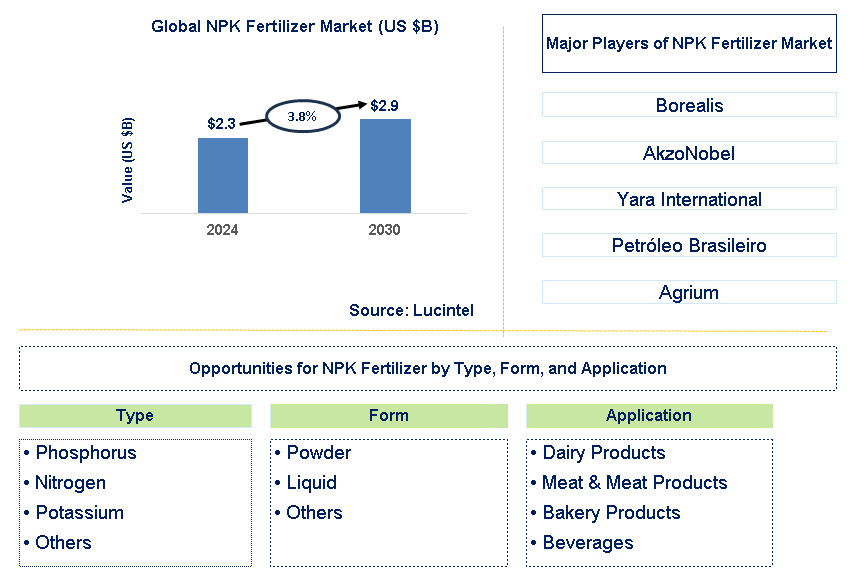
Key data points: The market size in 2030 = $2.9 billion, growth forecast = 3.8% annually for the next 6 years. Scroll below to get more insights. This market report covers trends, opportunities, and forecasts in the global npk fertilizer market to 2030 by type (phosphorus, nitrogen, potassium, and others), form (powder, liquid, and others), application (dairy products, meat & meat products, bakery products, and beverages), and region (North America, Europe, Asia Pacific, and the Rest of the World)
We'll send your sample report shortly.
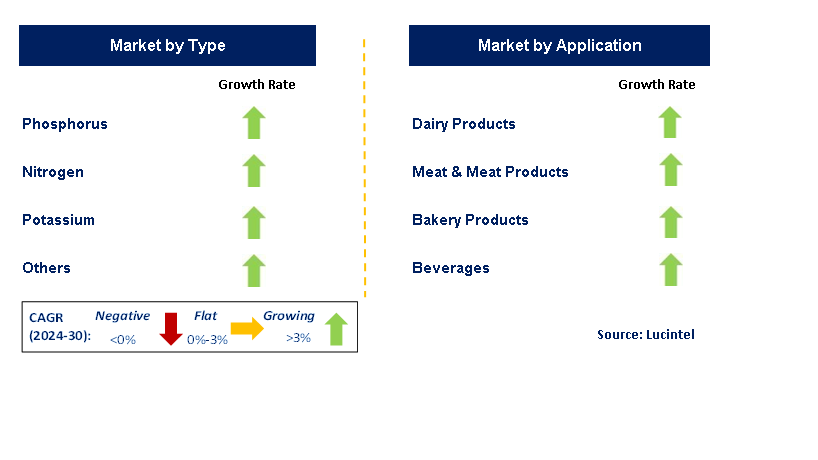
• Lucintel forecasts that, within the type category, phosphorus is expected to witness the highest growth over the forecast period as it is more affordable as compared to conventional food additives.
• Within the application category, meat & meat product will remain the largest segment due to rising demand for processed and packed meat.
• In terms of regions, APAC is expected to witness highest growth over the forecast period due to rising demand for quality processed and packed food. Gain valuable insights for your business decisions with our comprehensive 150+ page report.
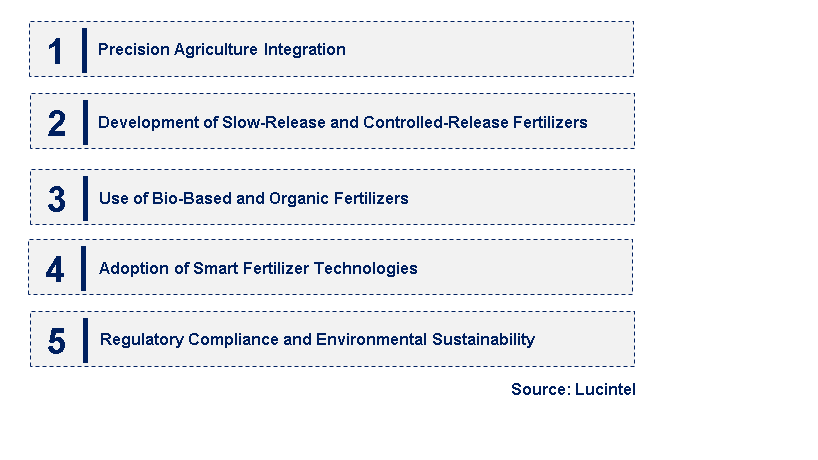
• Precision Agriculture Integration: Precision agriculture technologies are increasingly integrated with NPK fertilizers to optimize nutrient application. This trend involves using data analytics, sensors, and GPS to apply fertilizers more precisely, reducing waste and enhancing crop yields. By targeting specific areas of a field with tailored nutrient applications, farmers can achieve better results while minimizing environmental impact.
• Development of Slow-Release and Controlled-Release Fertilizers: The development of slow-release and controlled-release NPK fertilizers is gaining traction. These fertilizers gradually release nutrients over time, improving nutrient use efficiency and reducing the need for frequent applications. This trend helps minimize nutrient runoff and leaching, contributing to environmental sustainability and cost savings for farmers.
• Use of Bio-Based and Organic Fertilizers: There is a growing trend toward using bio-based and organic NPK fertilizers. These fertilizers are derived from natural sources and aim to reduce the environmental impact associated with conventional chemical fertilizers. The use of organic materials enhances soil health and sustainability, catering to the increasing demand for eco-friendly agricultural practices.
• Adoption of Smart Fertilizer Technologies: Smart fertilizer technologies, including those with embedded sensors and digital connectivity, are emerging in the market. These technologies enable real-time monitoring and adjustment of nutrient application based on crop needs and environmental conditions. The adoption of smart fertilizers enhances precision, reduces waste, and improves overall efficiency in nutrient management.
• Regulatory Compliance and Environmental Sustainability: Stricter regulatory requirements and a focus on environmental sustainability are driving the development of NPK fertilizers that comply with new standards. Manufacturers are investing in innovations that reduce greenhouse gas emissions, lower nutrient runoff, and align with regulatory guidelines. This trend reflects the industry's commitment to addressing environmental concerns and meeting global sustainability goals. Emerging trends in the NPK fertilizer market, including precision agriculture integration, slow-release fertilizers, bio-based products, smart technologies, and regulatory compliance, are driving significant changes. These trends enhance fertilizer efficiency, sustainability, and adaptability, reshaping agricultural practices and meeting the evolving needs of farmers and environmental regulations.
• Precision Agriculture Technologies: Recent advancements in precision agriculture have led to the integration of NPK fertilizers with advanced data analytics and sensor technologies. These developments enable precise application of fertilizers, reducing waste and enhancing crop productivity. The use of real-time data for fertilizer management is improving efficiency and sustainability in farming practices.
• Enhanced Slow-Release Formulations: The development of enhanced slow-release and controlled-release NPK fertilizers is a key trend. Innovations in these formulations allow for more gradual nutrient release, reducing the frequency of applications and minimizing environmental impact. This development improves nutrient use efficiency and supports sustainable farming practices.
• Increased Use of Organic and Bio-Based Fertilizers: There is a notable shift toward using organic and bio-based NPK fertilizers. These fertilizers are produced from natural sources and offer environmental benefits over traditional chemical fertilizers. Recent developments include improved formulations that enhance soil health and provide a sustainable alternative to conventional fertilizers.
• Advances in Fertilizer Production Technologies: Innovations in production technologies are driving improvements in NPK fertilizer manufacturing. Recent developments include the adoption of more efficient processes and advanced materials that enhance the performance and quality of fertilizers. These advancements contribute to cost reductions and better product consistency.
• Enhanced Regulatory Compliance: The industry is focusing on meeting stringent regulatory requirements for fertilizer use. Recent developments include the formulation of NPK fertilizers that comply with new environmental standards and guidelines. This focus on regulatory compliance ensures that products meet safety and sustainability criteria. Recent developments in the NPK fertilizer market, including advancements in precision agriculture, slow-release formulations, organic fertilizers, production technologies, and regulatory compliance, are driving progress. These developments enhance the efficiency, sustainability, and quality of NPK fertilizers, addressing the needs of modern agriculture and environmental stewardship.
• Growth in Precision Agriculture: Precision agriculture presents a significant growth opportunity for NPK fertilizers. Integrating fertilizers with precision technologies such as GPS and sensors allows for targeted nutrient application, improving efficiency and reducing waste. This opportunity supports the development of high-performance fertilizers that enhance crop yields and optimize resource use.
• Expansion of Organic and Bio-Based Fertilizers: The growing demand for organic and bio-based fertilizers offers a strategic growth opportunity. These fertilizers appeal to environmentally conscious consumers and farmers seeking sustainable options. Expanding the production and distribution of organic NPK fertilizers can capture a growing market segment and contribute to more sustainable agricultural practices.
• Development of Smart Fertilizer Solutions: The adoption of smart fertilizer technologies, including those with embedded sensors and digital connectivity, represents a significant growth opportunity. Smart fertilizers enable real-time monitoring and adjustment of nutrient application, improving efficiency and effectiveness. Developing and marketing smart fertilizer solutions can address the increasing demand for advanced agricultural technologies.
• Markets and Smallholder Farmers: There is a growth opportunity in targeting emerging markets and smallholder farmers with affordable and effective NPK fertilizers. Tailoring products to meet the specific needs of these markets, including cost-effective formulations and support services, can drive market expansion and improve agricultural productivity in developing regions.
• Innovation in Fertilizer Production Processes: Innovations in fertilizer production processes offer growth opportunities by improving efficiency, reducing costs, and enhancing product quality. Investments in advanced manufacturing technologies and materials can lead to the development of superior NPK fertilizers and strengthen competitive positioning in the market. Strategic growth opportunities in the NPK fertilizer market, including precision agriculture, organic fertilizers, smart solutions, emerging markets, and production innovations, are driving industry progress. These opportunities enable companies to enhance product offerings, address market demands, and contribute to sustainable agricultural practices.
• Technological Advancements in Fertilizer Production: Technological advancements in fertilizer production, such as improved manufacturing processes and innovative formulations, are driving market growth. These advancements enhance fertilizer efficiency, quality, and sustainability, meeting the evolving needs of modern agriculture and increasing crop yields.
• Increasing Demand for Sustainable Agriculture: The growing emphasis on sustainable agriculture is a significant driver for the NPK fertilizer market. Farmers and regulators are seeking fertilizers that reduce environmental impact and improve resource efficiency. This demand is driving the development of eco-friendly and efficient NPK fertilizer solutions.
• Precision Agriculture Technologies: The adoption of precision agriculture technologies is driving the demand for advanced NPK fertilizers. These technologies enable more precise nutrient application, reducing waste and improving crop productivity. The integration of fertilizers with precision farming tools enhances overall efficiency and effectiveness.
• Expansion of Agricultural Activities: The expansion of agricultural activities, particularly in emerging markets, is driving demand for NPK fertilizers. As agricultural practices intensify to meet global food demands, the need for effective and efficient fertilizers grows, supporting market growth and development.
• Government Support and Subsidies: Government support and subsidies for fertilizer production and use play a crucial role in driving market growth. Policies that promote fertilizer access and affordability, especially in developing regions, support increased adoption and application of NPK fertilizers. Challenges in the npk fertilizer market are:
• Environmental Regulations and Compliance: Stringent environmental regulations pose a challenge for the NPK fertilizer market. Compliance with regulations related to nutrient runoff, emissions, and environmental impact requires ongoing innovation and adaptation in fertilizer formulations and production processes.
• High Production Costs: High production costs associated with advanced NPK fertilizers can be a barrier to market growth. Developing cost-effective manufacturing processes and materials is essential for maintaining competitive pricing and expanding market reach.
• Supply Chain and Distribution Issues: Supply chain and distribution challenges can impact the availability and cost of NPK fertilizers. Disruptions in raw material supply or transportation can affect production and distribution efficiency, influencing market dynamics and product accessibility. The NPK fertilizer market is driven by technological advancements, sustainable agriculture demands, precision farming technologies, agricultural expansion, and government support. However, challenges such as environmental regulations, high production costs, and supply chain issues must be addressed. Balancing these drivers and challenges is essential for achieving sustained growth and success in the market.
• Borealis
• AkzoNobel
• Yara International
• Petróleo Brasileiro
• Agrium
• Phosphorus
• Nitrogen
• Potassium
• Others
• Powder
• Liquid
• Others
• Dairy Products
• Meat & Meat Products
• Bakery Products
• Beverages
• North America
• Europe
• Asia Pacific
• The Rest of the World
• United States: In the United States, recent developments in the NPK fertilizer market include advancements in precision agriculture and sustainable practices. U.S. companies are investing in technologies that enhance nutrient use efficiency and reduce environmental impact. Innovations such as coated fertilizers and slow-release formulations are becoming more prevalent, aiming to minimize nutrient runoff and improve crop yields. Additionally, there is a growing emphasis on integrating data analytics and sensors to optimize fertilizer application.
• China: China is making strides in the NPK fertilizer market with a focus on increasing production capacity and improving fertilizer efficiency. Recent developments include the expansion of advanced manufacturing facilities and the adoption of new technologies to produce high-efficiency fertilizers. China is also investing in research to develop fertilizers that reduce environmental impact and increase crop productivity. Additionally, there is a push toward enhancing domestic supply chains and reducing dependency on imported fertilizers.
• Germany: Germany has seen recent advancements in the NPK fertilizer market centered around sustainability and regulatory compliance. German companies are focusing on developing environmentally friendly fertilizers with reduced carbon footprints. Innovations include the use of bio-based and organic materials in NPK formulations. Furthermore, there is a strong emphasis on meeting stringent European Union regulations related to fertilizer use and environmental protection, driving the development of more efficient and eco-friendly products.
• India: In India, the NPK fertilizer market is evolving with an emphasis on improving accessibility and affordability for smallholder farmers. Recent developments include government initiatives to subsidize fertilizer costs and support the production of localized NPK formulations. Innovations are focused on enhancing the efficiency of fertilizers in varied soil conditions and climatic zones. Additionally, there is increasing adoption of smart fertilizer technologies to optimize nutrient application and boost agricultural productivity.
• Japan: Japan is advancing in the NPK fertilizer market with a focus on precision agriculture and technological integration. Recent developments include the use of advanced manufacturing techniques to produce high-performance fertilizers and the incorporation of digital technologies for precision farming. Japanese companies are investing in research to develop fertilizers that address specific crop needs and environmental conditions. Additionally, there is a trend toward reducing waste and improving the sustainability of fertilizer use.


• Borealis
• AkzoNobel
• Yara International
• Petróleo Brasileiro
• Agrium Q6. Which NPK fertilizer market segment will be the largest in future? Answer: Lucintel forecasts that phosphorus is expected to witness the highest growth over the forecast period as it is more affordable as compared to conventional food additives. Q7. In NPK fertilizer market, which region is expected to be the largest in next 5 years? Answer: APAC is expected to witness highest growth over the forecast period due to rising demand for quality processed and packed food. Q.8 Do we receive customization in this report? Answer: Yes, Lucintel provides 10% customization without any additional cost.


Choose a license that fits your team. Instant PDF delivery.
Prices exclude taxes. Instant delivery. Custom licensing available on request.
Porter's Five Forces · July 20, 2026
Trusted partner for strategic intelligence and business growth


Receive a complimentary market analysis tailored to your industry. Our analysts will identify key growth opportunities and competitive dynamics specific to your business.

Market size, growth rate, and key trend analysis for your specific sector.

Top competitor positioning and market share analysis.

Strategic recommendations backed by data-driven insights.
Get curated market intelligence and competitive moves straight to your inbox.
By subscribing, you agree to receive our monthly insights. Unsubscribe anytime.
Receive a complimentary market analysis tailored to your industry. Our analysts will identify key growth opportunities and competitive dynamics specific to your business.
Market size, growth rate, and key trend analysis for your specific sector.
Top competitor positioning and market share analysis.
Strategic recommendations backed by data-driven insights.
Get curated market intelligence, emerging trends, and competitive moves straight to your inbox each month.
By subscribing, you agree to receive our monthly insights. Unsubscribe anytime.
We'll send your sample report shortly.