
Market Report · July 15, 2026

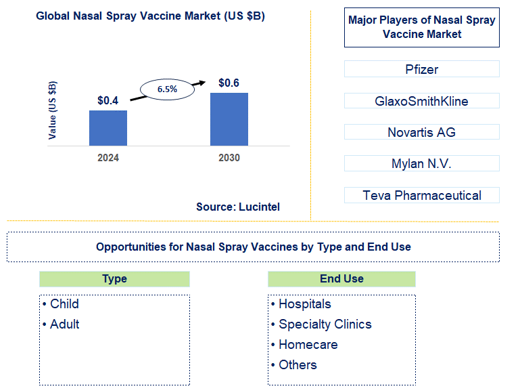
Key data points: The market size in 2030 = $0.6 billion, growth forecast = 6.5% annually for the next 6 years. Scroll below to get more insights. This market report covers trends, opportunities, and forecasts in the global nasal spray vaccine market to 2030 by type (child and adult), end use (hospitals, specialty clinics, homecare, and others), and region (North America, Europe, Asia Pacific, and the Rest of the World)
We'll send your sample report shortly.
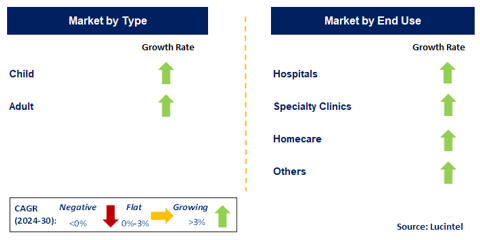
• Lucintel forecasts that, within the type category, child is expected to witness a higher growth over the forecast period.
• Within the application category, hospital is expected to witness the highest growth.
• In terms of regions, North America is expected to witness highest growth over the forecast period. Gain valuable insight for your business decisions with our comprehensive 150+ page report
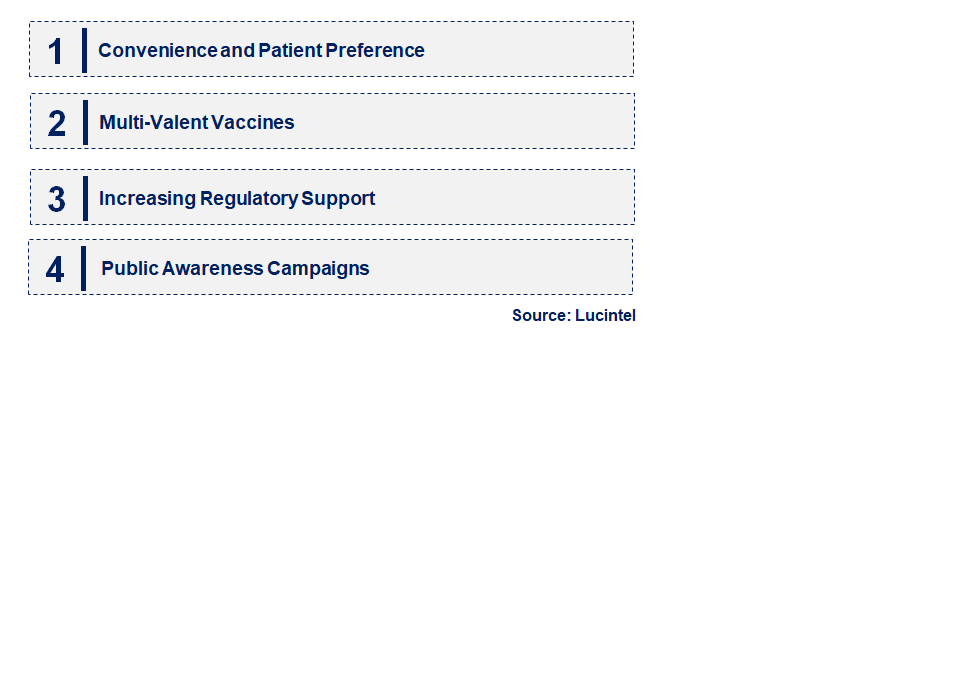
• Convenience and Patient Preference: The greatest advantage of the nasal spray preparation is its convenience. This ease of administration makes vaccination much simpler for children and needle-averse adults, increasing acceptance among those who prefer less invasive methods. Convenience often leads to broader acceptance, especially in school programs and community health projects.
• Multi-Valent Vaccines: Current efforts are focused on developing multi-valent nasal spray vaccines that can potentially protect against several pathogens with a single dose. This could help streamline immunization efforts during flu season or in the face of a pandemic. As fewer vaccinations may be required to achieve desired protection levels, public compliance is likely to rise, enhancing herd immunity.
• Increasing Regulatory Support: Regulatory bodies are increasingly supporting new vaccine delivery methods, expediting approval processes for nasal sprays. This regulatory flexibility encourages companies to invest more in research and development, speeding up public access to newer vaccine options.
• Public Awareness Campaigns: Public awareness campaigns are aimed at promoting the benefits of nasal spray vaccines. The goal is to dispel misconceptions, build confidence, and increase acceptance. Effective communication strategies will help raise vaccination rates across diverse population groups, reducing vaccine hesitancy. These emerging trends are reshaping the nasal spray vaccine market by improving accessibility, encouraging broader adoption, and fostering regulatory and social support. Healthcare providers and policymakers who embrace this shift will contribute to better public health outcomes and ensure that more people receive timely vaccinations.
• Multi-Pathogen Vaccine Approvals: Recently approved single-dose, multi-pathogen nasal vaccines provide comprehensive protection against various pathogens in one dose. This innovation simplifies immunization and encourages wider uptake, particularly in communities with a history of vaccine hesitancy. As people recognize the benefits of multi-pathogen vaccines, immunization rates are expected to increase, improving public health.
• Expanded Clinical Trials: Major pharmaceutical companies are conducting expanded clinical trials to evaluate the safety and efficacy of nasal vaccines for flu and COVID-19. Regulatory approval of these vaccines through successful trials will significantly boost their presence in healthcare settings, influencing public perception and increasing acceptance of nasal spray vaccines.
• R&D Collaborations: Recent R&D collaborations have led to breakthroughs in nasal spray technology. By combining resources and expertise, these partnerships enhance research capabilities and accelerate the development of efficient vaccine solutions, benefiting public health initiatives.
• Streamlined Regulatory Processes: Regulatory agencies are fast-tracking nasal vaccines in response to public health needs. Quick delivery of these vaccines during health crises enables faster protection for populations, helping to mitigate health threats.
• Public Health Promotion Campaigns: Efforts to promote nasal spray vaccines through public health campaigns are gaining traction. Over time, more communities are being educated about the safety and efficacy of nasal vaccines, leading to greater acceptance and participation. Positive perceptions of these vaccines by public health organizations will significantly contribute to vaccination efforts. These developments collectively enhance the potential of the nasal spray vaccine market, paving the way for more effective and widely accepted vaccination strategies. Innovation and collaboration efforts are expected to continue, with promising prospects for nasal spray vaccines in the coming years and their impact on global health initiatives.
• Pediatric Immunization: There is growing potential for developing more targeted nasal spray vaccines suitable for children and needle-phobic individuals. This rapidly expanding market segment is fueled by parents' demand for easier vaccination options for their children, such as school-based immunization programs. Higher acceptance rates of nasal sprays could lead to increased immunization levels among younger populations.
• Seasonal Flu Vaccines: With rising awareness of the impact of flu on public health, demand for seasonal flu vaccines continues to grow. Nasal spray formulations, which are effective and less invasive than injections, are likely to capture a significant share of the market during flu seasons.
• Nasal Spray Boosters for COVID-19: In response to new COVID-19 variants, nasal spray boosters are becoming increasingly important. They offer a convenient option for boosting immunity in high-transmission settings, helping to control the spread of the virus and enhance community immunity.
• Travel Vaccination Solutions: The increase in global travel necessitates traveler-specific nasal spray vaccines. These convenient and easy-to-use vaccines will likely gain popularity among travelers, ensuring compliance with vaccination requirements and improving public health outcomes.
• Global Health Agency Initiatives: The sophistication of vaccination programs sponsored by global health agencies presents an opportunity to integrate nasal sprays into these efforts. Their ease of administration makes them well-suited for low-resource settings, where they can help overcome logistical challenges associated with injectable vaccines. This improved access could lead to significant health benefits for underserved communities. The growth avenues outlined here illustrate the potential for nasal spray vaccines to meet diverse healthcare needs and improve public health outcomes. By seizing these opportunities, stakeholders can ensure that nasal spray vaccines remain integral to efficient vaccination strategies worldwide.
• Technological Advances: Innovative vaccine formulation and delivery technologies are essential for the nasal spray vaccine market. Vaccines that offer advantages in stability, potency, and convenience are more appealing to both physicians and patients. The development of multi-valent vaccines against several pathogens in a single dose will become easier as technology progresses, driving increased uptake.
• Mass Acceptance: The growing acceptance of alternative vaccination methods, particularly among children and needle-phobic individuals, is a key factor driving the market. As more people seek less invasive alternatives, nasal spray vaccines are gaining popularity. Public education efforts are also contributing to increased awareness of the convenience and safety of these vaccines, boosting vaccination rates.
• Regulatory Support: Streamlined regulatory processes are benefiting nasal spray vaccines. Regulatory agencies recognize the importance of direct access to vaccines and have made the approval process more efficient, encouraging more companies to invest in research and development.
• Global Health Initiatives: Global health initiatives, particularly in the wake of the pandemic, have increased the demand for effective vaccine delivery methods. Nasal spray vaccines are a valuable tool for achieving public health goals, especially in low-resource settings, where they are easier to administer in mass vaccination campaigns. Challenges in the nasal spray vaccine market are:
• Rising Competition: The increasing competition among pharmaceutical companies to develop nasal spray vaccines is pushing innovation while driving down costs. More players in the market are improving vaccine formulation and delivery methods, which benefits consumers and public health outcomes.
• Regulatory Barriers: Despite positive regulatory trends, the complexities of gaining approval for new nasal spray vaccines can still be overwhelming. Regulatory authorities often require extensive clinical trials, delaying product launches. This creates barriers to entry for smaller companies, limiting market choice and stifling innovation. Technological advancements, mass acceptance, regulatory support, global health initiatives, and market competition are all pushing the nasal spray vaccine market forward. However, regulatory barriers and challenges related to market acceptance must be overcome to fully realize the potential of nasal spray vaccines in public health.
• Pfizer
• GlaxoSmithKline
• Novartis AG
• Mylan N.V.
• Teva Pharmaceutical Industries
• Child
• Adult
• Hospitals
• Specialty Clinics
• Homecare
• Others
• North America
• Europe
• Asia Pacific
• The Rest of the World
• United States: The U.S. has approved several new nasal spray vaccines, particularly for flu and COVID-19. Public acceptance of these vaccines is growing due to advocacy efforts by the CDC, which has targeted needle-phobic individuals, especially children. Public health initiatives continue to engage local communities to raise awareness of the benefits of these vaccines, aiming for broad vaccination coverage across all demographics.
• China: China accelerated the development of nasal spray vaccines during the COVID-19 pandemic. The government is working to improve public acceptance and streamline distribution, particularly in rural areas, to increase coverage and ensure timely protection against infectious diseases.
• Germany: Germany is heavily investing in R&D for nasal spray vaccines, particularly for respiratory diseases. Biotech companies are collaborating with universities, yielding promising clinical results. This emphasis on collaboration makes Germany a leader in Europe for vaccine innovation and potential future breakthroughs.
• India: India is ramping up nasal spray vaccine production to combat respiratory diseases and COVID-19. The government is focused on increasing capacity and improving distribution in underserved rural areas. These efforts aim to improve public health infrastructure and increase vaccination rates in populations that might otherwise lack access to vaccines.
• Japan: Japan is expanding its portfolio of nasal spray vaccines, particularly for flu and COVID-19. The government supports clinical trials and public education initiatives to promote acceptance


• Pfizer
• GlaxoSmithKline
• Novartis AG
• Mylan N.V.
• Teva Pharmaceutical Industries Q6. Which nasal spray vaccine market segment will be the largest in future? Answer: Lucintel forecasts that, within the type category, child is expected to witness the higher growth over the forecast period. Q7. In nasal spray vaccine market, which region is expected to be the largest in next 5 years? Answer: In terms of region, North America is expected to witness highest growth over the forecast period. Q.8 Do we receive customization in this report? Answer: Yes, Lucintel provides 10% customization without any additional cost.


Choose a license that fits your team. Instant PDF delivery.
Prices exclude taxes. Instant delivery. Custom licensing available on request.
Market Report · July 15, 2026
Market Report · June 26, 2026
Market Report · May 18, 2026
Trusted partner for strategic intelligence and business growth


Receive a complimentary market analysis tailored to your industry. Our analysts will identify key growth opportunities and competitive dynamics specific to your business.

Market size, growth rate, and key trend analysis for your specific sector.

Top competitor positioning and market share analysis.

Strategic recommendations backed by data-driven insights.
Get curated market intelligence and competitive moves straight to your inbox.
By subscribing, you agree to receive our monthly insights. Unsubscribe anytime.
Receive a complimentary market analysis tailored to your industry. Our analysts will identify key growth opportunities and competitive dynamics specific to your business.
Market size, growth rate, and key trend analysis for your specific sector.
Top competitor positioning and market share analysis.
Strategic recommendations backed by data-driven insights.
Get curated market intelligence, emerging trends, and competitive moves straight to your inbox each month.
By subscribing, you agree to receive our monthly insights. Unsubscribe anytime.
We'll send your sample report shortly.