
Market Report · July 15, 2026

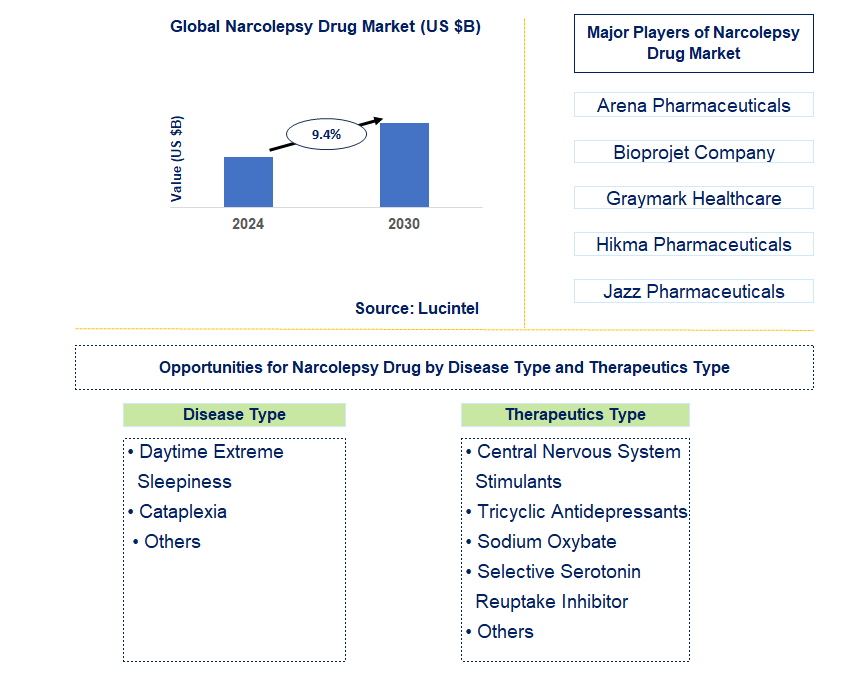
Key data points: The growth forecast = 9.4% annually for the next 6 years. Scroll below to get more insights. This market report covers trends, opportunities, and forecast in the global narcolepsy drug market to 2030 by disease type (daytime extreme sleepiness, cataplexia, and others), therapeutics type (central nervous system stimulants, tricyclic antidepressants, sodium oxybate, selective serotonin reuptake inhibitor, and others), and region (North America, Europe, Asia Pacific, and the Rest of the World)
We'll send your sample report shortly.
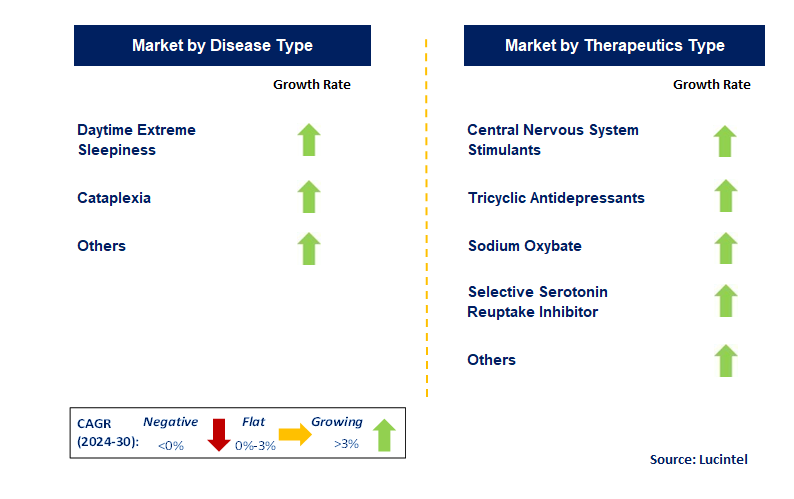
• Lucintel forecasts that, within the disease type category, daytime extreme sleepiness will remain the larger segment over the forecast period due to the development of drugs for treating narcolepsy.
• Within the therapeutics type category, sodium oxybate will remain the largest segment due to extensive utilization in the narcolepsy treatment.
• In terms of regions, North America is expected to witness the highest growth over the forecast period due to the growing prevalence of unhealthy lifestyles along with an increase in R&D activities in the region. A more than 150-page report is developed to help in your business decisions.
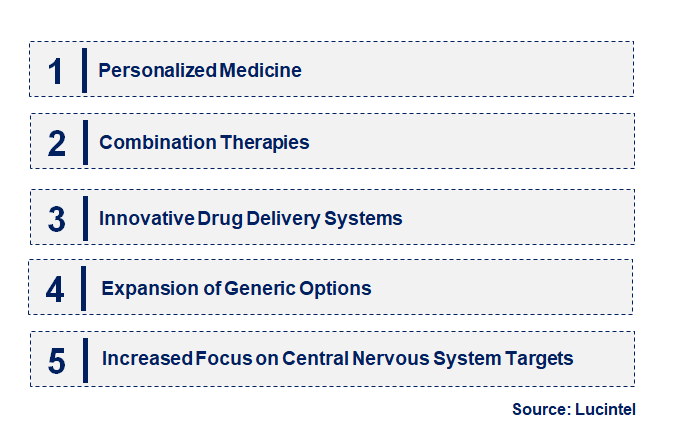
• Personalized Medicine: The increasing use of genetic and biomarker data to tailor narcolepsy treatments to individual patients. This approach aims to enhance efficacy and minimize side effects by matching therapies to specific genetic profiles.
• Combination Therapies: There is growing interest in combining pharmacological treatments with cognitive behavioral therapy or other non-pharmacological interventions. This trend aims to provide a more comprehensive approach to managing narcolepsy symptoms.
• Innovative Drug Delivery Systems: The development of novel drug delivery methods, such as extended-release formulations and transdermal patches. These innovations are designed to improve patient compliance and optimize therapeutic outcomes.
• Expansion of Generic Options: The rise of generic drugs for established narcolepsy medications, such as modafinil, is increasing accessibility and reducing costs. This trend helps address affordability issues and expands treatment options.
• Increased Focus on Central Nervous System Targets: Research is focusing on new drugs that target central nervous system pathways more precisely. These drugs aim to better address the underlying mechanisms of narcolepsy and improve symptom control. In conclusion, these emerging trends reflect a shift towards more personalized, effective, and accessible narcolepsy treatments. Ongoing innovations and advancements aim to improve patient outcomes and address unmet needs in the market.
• Approval of Pitolisant (Wakix): The approval of pitolisant has marked a significant advancement in narcolepsy treatment. This novel drug, which targets the histamine system, offers a new approach for managing excessive daytime sleepiness. Clinical trials have demonstrated its efficacy and safety, providing an alternative to traditional treatments and improving therapeutic options.
• Advances in Modafinil Formulations: New formulations of modafinil, including extended-release versions, are enhancing treatment for narcolepsy. These formulations aim to provide longer-lasting symptom control and improve patient adherence. By extending the duration of action, these new versions address the need for sustained wakefulness throughout the day.
• Expansion of Generic Alternatives: The introduction and expansion of generic alternatives to established narcolepsy drugs like modafinil are making treatment more affordable. This trend helps address cost barriers and increase accessibility, particularly in emerging markets where cost-effectiveness is crucial.
• Integration of Digital Health Technologies: The integration of digital health technologies, such as mobile apps and wearable devices, is transforming narcolepsy management. These tools allow for better monitoring of symptoms, medication adherence, and overall treatment effectiveness, enabling more personalized and responsive care. In summary, these recent developments highlight the progress in narcolepsy drug treatments, focusing on novel therapies, improved formulations, and enhanced patient management tools. These innovations are paving the way for better treatment outcomes and increased accessibility for patients worldwide.
• Development of Novel Therapeutics: Investing in research and development of new drugs targeting narcolepsy’s underlying mechanisms offers significant growth potential. Novel therapies that address the condition from different angles could lead to improved efficacy and expanded market share.
• Expansion of Market Reach: Increasing the availability of existing and new narcolepsy drugs in underserved regions can drive growth. Expanding into emerging markets with rising awareness and healthcare access presents a valuable opportunity for market expansion.
• Collaboration with Digital Health Companies: Partnering with digital health firms to integrate technology into narcolepsy management can enhance patient outcomes. Collaborations can lead to the development of advanced monitoring tools and apps that improve treatment adherence and effectiveness.
• Focus on Personalized Medicine: Advancing personalized medicine approaches, including genetic testing and tailored treatments, can provide more effective solutions for narcolepsy patients. This strategy aligns with the growing trend towards individualized healthcare and can differentiate offerings in the market.
• Improving Drug Delivery Systems: Innovating drug delivery systems, such as sustained-release formulations and alternative methods, presents opportunities for enhancing patient adherence and treatment outcomes. Better delivery systems can address issues related to dosing frequency and patient convenience. In conclusion, these strategic growth opportunities emphasize the potential for innovation and market expansion in the narcolepsy drug industry. By addressing emerging trends and leveraging new technologies, companies can enhance their competitive position and drive future growth.
• Rising Awareness and Diagnosis: Increased awareness of narcolepsy and improved diagnostic capabilities are driving market growth. As more cases are identified, the demand for effective treatments rises, boosting the market for narcolepsy drugs.
• Advancements in Drug Development: Innovations in drug development, such as novel therapies and improved formulations, are enhancing treatment options. These advancements address the unmet needs of narcolepsy patients and contribute to market expansion.
• Growing Demand for Personalized Medicine: The shift towards personalized medicine, including genetic profiling and tailored treatments, is driving market growth. Personalized approaches offer more effective solutions and align with the broader trend towards individualized healthcare.
• Expansion of Generic Drug Options: The availability of generic alternatives for established narcolepsy drugs is increasing affordability and accessibility. This expansion is making treatments more accessible to a broader patient population and driving market growth. Challenges in the narcolepsy drug market include:
• High Treatment Costs: The cost of novel therapies and personalized treatments can be high, posing a challenge to market affordability. High costs may limit access to treatment, particularly in lower-income regions.
• Regulatory Hurdles: Navigating the complex regulatory environment for drug approvals and market access can delay product launches and increase operational costs. Compliance with varying regulations across different regions may also pose challenges for manufacturers.
• Market Competition: The increasing number of therapies and generic drugs in the market creates significant competition. Companies must focus on differentiation through better efficacy, personalized treatments, and improved drug delivery systems to maintain market share.
• Arena Pharmaceuticals
• Bioprojet Company
• Graymark Healthcare
• Hikma Pharmaceuticals
• Jazz Pharmaceuticals
• Ligand Pharmaceuticals Incorporated
• Shionogi
• Daytime Extreme Sleepiness
• Cataplexia
• Others
• Central Nervous System Stimulants
• Tricyclic Antidepressants
• Sodium Oxybate
• Selective Serotonin Reuptake Inhibitor
• Others
• North America
• Europe
• Asia Pacific
• The Rest of the World
• United States: Recent developments in the U.S. narcolepsy drug market include the approval of new medications such as pitolisant (Wakix) and the expanded use of modafinil and armodafinil. Advances in drug formulations aim to enhance efficacy and reduce side effects. Ongoing research focuses on personalized medicine approaches to tailor treatments based on genetic profiles, improving outcomes for narcolepsy patients.
• China: China's narcolepsy drug market is evolving with the introduction of more affordable generic versions of established drugs like modafinil. There is also growing interest in developing new treatments targeting narcolepsy's core symptoms. Research institutions are focusing on localizing drug development to address specific regional needs and improve accessibility.
• Germany: Germany is advancing narcolepsy treatment with a focus on integrating novel drugs into clinical practice. Recent developments include the increased availability of pitolisant and efforts to improve patient access through health insurance reforms. There is also ongoing research into combining pharmacological treatments with behavioral therapies to enhance the overall management of narcolepsy.
• India: In India, there is a push towards increasing the availability of generic narcolepsy drugs, which helps make treatments more affordable. New research initiatives are exploring alternative drug delivery methods and formulations to address the unique needs of the Indian population. Efforts are also underway to enhance awareness and diagnosis of narcolepsy.
• Japan: Japan has seen advancements in narcolepsy drug development with the approval of new medications and enhanced formulations of existing drugs. The focus is on improving treatment efficacy and patient adherence. Japanese researchers are also investigating the genetic underpinnings of narcolepsy to develop more targeted therapies.


• Arena Pharmaceuticals
• Bioprojet Company
• Graymark Healthcare
• Hikma Pharmaceuticals
• Jazz Pharmaceuticals
• Ligand Pharmaceuticals Incorporated
• Shionogi Q5. Which narcolepsy drug market segment will be the largest in the future? Answer: Lucintel forecasts that daytime extreme sleepiness will remain the larger segment over the forecast period due to the development of drugs for treating narcolepsy. Q6. In the narcolepsy drug market, which region is expected to be the largest in the next 5 years? Answer: North America is expected to witness the highest growth over the forecast period due to the growing prevalence of unhealthy lifestyles along with an increase in R&D activities in the region. Q.7. Do we receive customization in this report? Answer: Yes, Lucintel provides 10% customization without any additional cost.


Choose a license that fits your team. Instant PDF delivery.
Prices exclude taxes. Instant delivery. Custom licensing available on request.
Market Report · July 15, 2026
Market Report · June 26, 2026
Market Report · May 18, 2026
Trusted partner for strategic intelligence and business growth


Receive a complimentary market analysis tailored to your industry. Our analysts will identify key growth opportunities and competitive dynamics specific to your business.

Market size, growth rate, and key trend analysis for your specific sector.

Top competitor positioning and market share analysis.

Strategic recommendations backed by data-driven insights.
Get curated market intelligence and competitive moves straight to your inbox.
By subscribing, you agree to receive our monthly insights. Unsubscribe anytime.
Receive a complimentary market analysis tailored to your industry. Our analysts will identify key growth opportunities and competitive dynamics specific to your business.
Market size, growth rate, and key trend analysis for your specific sector.
Top competitor positioning and market share analysis.
Strategic recommendations backed by data-driven insights.
Get curated market intelligence, emerging trends, and competitive moves straight to your inbox each month.
By subscribing, you agree to receive our monthly insights. Unsubscribe anytime.
We'll send your sample report shortly.