
Market Report · July 31, 2026

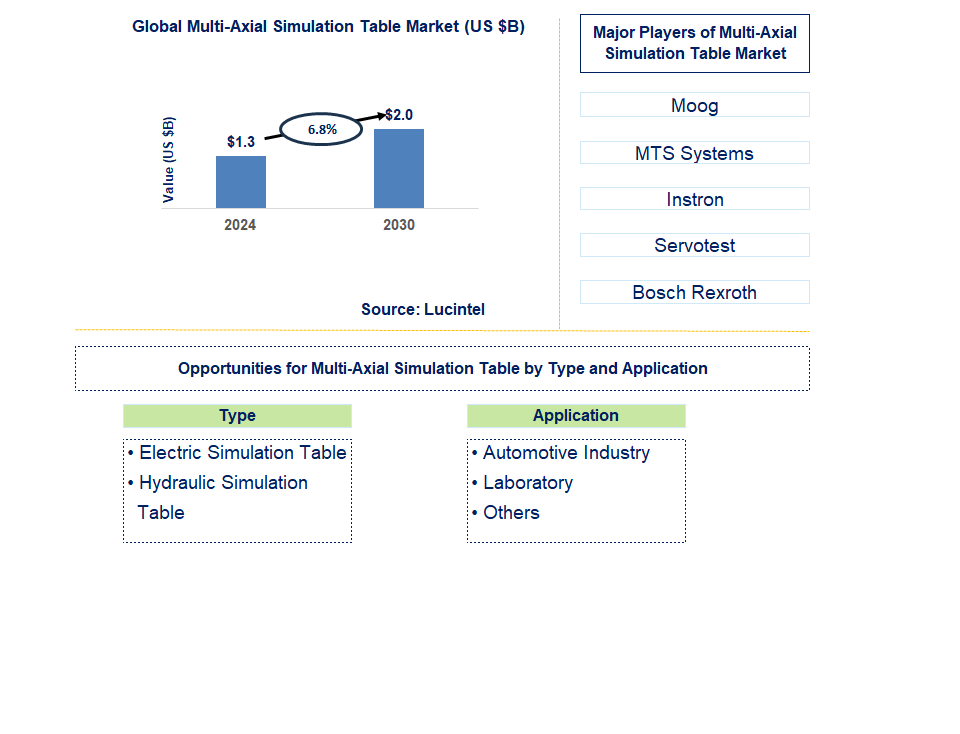
Key data points: The market size in 2030 = $1.97 billion, growth forecast = 6.8% annually for the next 6 years. Scroll below to get more insights. This market report covers trends, opportunities, and forecast in the global multi-axial simulation table market to 2030 by type (electric simulation table and hydraulic simulation table), application (automotive industry, laboratory, and others), and region (North America, Europe, Asia Pacific, and the Rest of the World)
We'll send your sample report shortly.
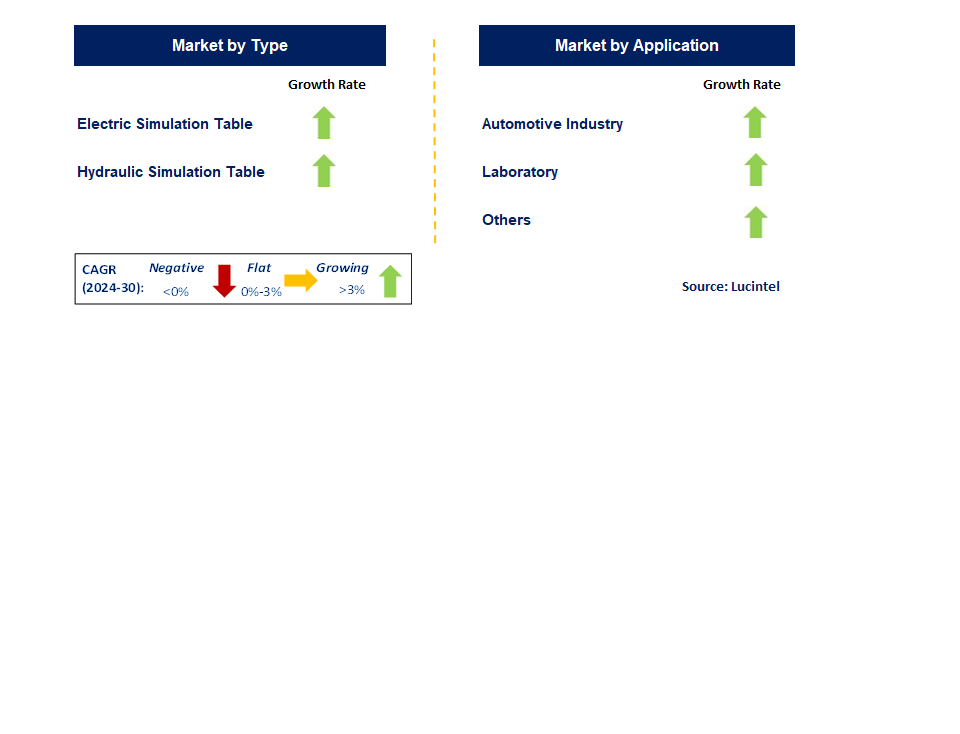
• Lucintel forecasts that, within the type category, the hydraulic simulation table is expected to witness higher growth over the forecast period.
• Within the application category, the automotive industry will remain the larger segment.
• In terms of regions, North America is expected to witness the highest growth over the forecast period. A more than 150-page report is developed to help in your business decisions.
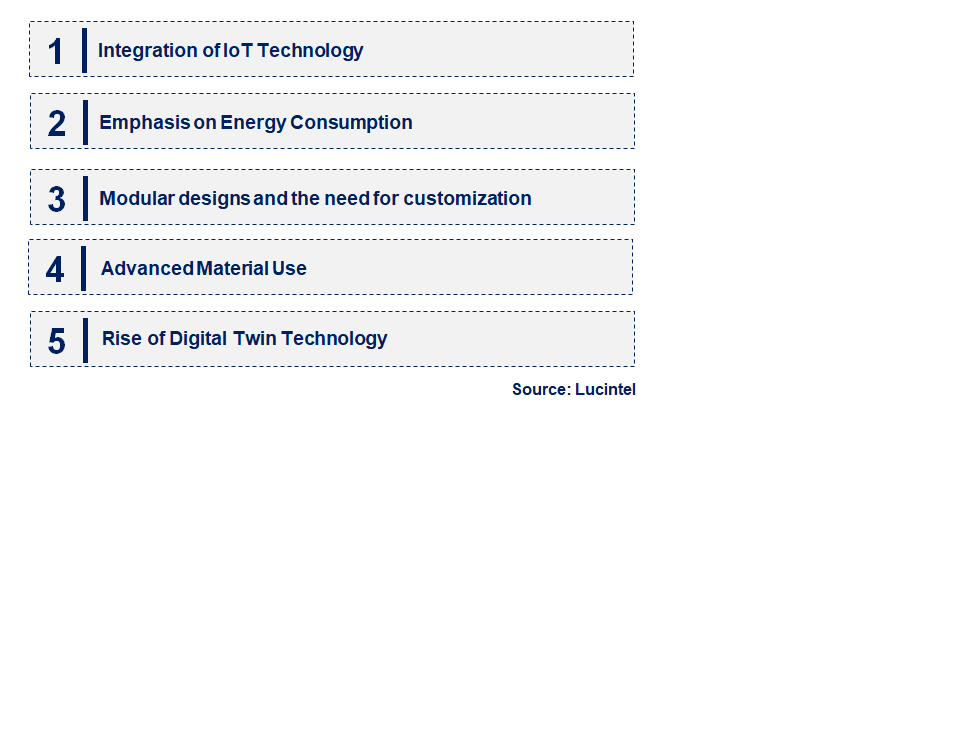
• Integration of IoT Technology: A new trend in the market is the integration of IoT technology into multi-axial simulation tables. Devices equipped with Internet of Things capabilities speed up testing processes through remote monitoring, improving efficiency and performance. This shift encourages users to refine testing procedures, leading to product improvements.
• Emphasis on Energy Consumption: Multi-axial simulation tables are increasingly becoming energy-efficient. Manufacturers are designing high-performance, low-power systems. This trend not only reduces operating costs but also aligns with current efforts to conserve the environment, making these systems more appealing to businesses focused on sustainability.
• Modular Designs and the Need for Customization: The lean manufacturing trend is encouraging manufacturers to offer multi-axial simulation tables with modular designs. Such systems increase efficiency by allowing customization for specific tasks. Customization enables companies to enhance testing strategies and improve product development.
• Advanced Material Use: The use of advanced construction materials in the building of simulation tables is rising. Many manufacturers are exploring new materials that are lightweight yet strong enough to improve performance and increase the lifespan of simulation systems. This trend ensures better reliability and strength during extreme tests, targeting various industries.
• Rise of Digital Twin Technology: The increasing use of digital twin technology is also driving the growth of multi-axial simulations. Creating virtual replicas of real systems allows users to conduct virtual tests without using physical prototypes, improving the quality of tests and reducing design stage durations. This trend generates significant cost savings and accelerates the market introduction of new products. These trends are impacting the multi-axial simulation table market by increasing technical features, promoting green technologies, and offering more customization options. Manufacturers can align these trends with the evolving needs of various industries, positively impacting growth and innovation in the market.
• Introduction of Hybrid Simulation Systems: Hybrid simulation systems that combine multi-axial testing with other simulation methods are emerging. These systems allow users to evaluate design aspects of materials and components more thoroughly by applying different types of loads. This innovation is increasingly adopted in the aerospace and automotive industries.
• Automation in Testing Procedures: Automation technology is being incorporated into multi-axial simulation tables to enhance testing activities. This shift reduces human involvement, helping to minimize errors and improve data collection. Automated systems are especially beneficial when testing is frequent and uniform results are required.
• Improved Software Solutions: The development of additional software for use with simulation tables has primarily focused on aircraft simulators. These improvements simplify the evaluation of test results, enhance design processes, and improve testing procedures across various sectors.
• Increase in Training Programs for Users: There is a growing trend to develop training courses focused on the operation and application of multi-axial simulation tables. This initiative seeks to enhance the competency of industry professionals, ensuring better results from tests and improving the overall industry standards.
• Global Collaboration for Innovation: The joint efforts of global manufacturers and research organizations are helping to expand the multi-axial simulation table market. These collaborations promote knowledge transfer and technological advancements, leading to improved testing systems and increased competitiveness. These developments reflect the market's ongoing evolution, where technological advancements and user expectations continue to drive changes in testing capabilities.
• Aerospace Testing Applications: The aerospace industry has significant growth potential for multi-axial simulation tables. These systems are essential for testing materials and components under extreme environmental conditions. As innovations in the sector continue and safety becomes more critical, the demand for better simulation tools will grow, driving market expansion.
• Automotive Industry: Special-purpose multi-axial simulation tables are widely used in the automotive sector. With the revolution in electric and autonomous vehicles, manufacturers are looking for better ways to conduct tests. Multi-axial tables help assess vehicle performance and safety, which are crucial for R&D activities and regulatory compliance.
• Civil Engineering Projects: Engineering testing of structures and materials is critical in civil engineering. Multi-axial simulation tables are expanding in this field, as they replicate the actual conditions that construction materials face. This ensures that engineers adhere to industry standards, increasing demand for these systems in the sector.
• Education and Research Institutions: Educational and research institutions are adopting multi-axial simulation tables for training and experimental applications. This growth opportunity arises from the need for practical applications in engineering and materials science, offering students and researchers valuable hands-on experience.
• Situation in Emerging Markets: Emerging markets in Asia and Latin America show significant promise for the growth of multi-axial simulation tables. Active infrastructure development and manufacturing expansion in these regions will drive the demand for advanced testing methods, offering growth opportunities for the market. These strategic growth opportunities emphasize the versatility of multi-axial simulation tables. Manufacturers and stakeholders see potential in emerging markets that will drive growth and innovation in the industry.
• Moog
• MTS Systems
• Instron
• Servotest
• Bosch Rexroth
• CFM Schiller
• Team Corporation
• Electric Simulation Table
• Hydraulic Simulation Table
• Automotive Industry
• Laboratory
• Others
• North America
• Europe
• Asia Pacific
• The Rest of the World
• United States: The multi-axial simulation table industry in the US is booming, driven by technological advancements such as the integration of modern technologies. Companies are also improving automation and data analysis, which have increased the efficiency and accuracy of testing processes. The growing collaboration between academia and industry is further promoting the development of new testing technologies and equipment, helping to solve various engineering problems across sectors, especially aerospace and automotive.
• China: The multi-axial simulation table market in China has grown impressively, largely due to government initiatives supporting technology and innovation. Domestic manufacturers are increasingly focusing on in-house R&D to improve product performance. The rise in production quality is encouraging the introduction of sophisticated simulation technologies. As a result, Chinese companies are gaining traction both in the domestic and global markets.
• Germany: The weakening of traditional distribution channels has pushed German manufacturers of engineering products to innovate intensively, as seen in the development of multi-axial simulation tables. The market is evolving with a growing emphasis on energy-efficient products and the integration of digital twin technology. German companies are focusing on meeting the individual needs of customers in sectors like automotive and civil engineering to better compete on the global stage.
• India: The growth of the multi-axial simulation table market in India has been relatively slow, particularly in research institutes and engineering organizations. However, the increasing demand for quality assessment, testing, and validation of products is expected to drive continued demand for advanced simulation solutions. Efforts to improve access to affordable educational resources for foreign manufacturers are enabling the development of cost-effective innovations, such as simulation tables.
• Japan: The Japanese market for multi-axial simulation tables is distinguished by the high technological content of the products offered. Simulation System Engineering in Japan has enhanced both data capture and analysis capabilities through the integration of IoT and automation. Japanese companies are also focused on material development, producing simulation tables that are lightweight and of high quality, which improves their functionality and reliability. These characteristics make them ideal for use in a variety of applications.


• Moog
• MTS Systems
• Instron
• Servotest
• Bosch Rexroth
• CFM Schiller
• Team Corporation Q6. Which multi-axial simulation table market segment will be the largest in the future? Answer: Lucintel forecasts that the hydraulic simulation table is expected to witness higher growth over the forecast period. Q7. In the multi-axial simulation table market, which region is expected to be the largest in the next 5 years? Answer: North America is expected to witness the highest growth over the forecast period. Q.8 Do we receive customization in this report? Answer: Yes, Lucintel provides 10% customization without any additional cost.


Choose a license that fits your team. Instant PDF delivery.
Prices exclude taxes. Instant delivery. Custom licensing available on request.
Market Report · July 31, 2026
Market Report · July 31, 2026
Market Report · July 31, 2026
Trusted partner for strategic intelligence and business growth


Receive a complimentary market analysis tailored to your industry. Our analysts will identify key growth opportunities and competitive dynamics specific to your business.

Market size, growth rate, and key trend analysis for your specific sector.

Top competitor positioning and market share analysis.

Strategic recommendations backed by data-driven insights.
Get curated market intelligence and competitive moves straight to your inbox.
By subscribing, you agree to receive our monthly insights. Unsubscribe anytime.
Receive a complimentary market analysis tailored to your industry. Our analysts will identify key growth opportunities and competitive dynamics specific to your business.
Market size, growth rate, and key trend analysis for your specific sector.
Top competitor positioning and market share analysis.
Strategic recommendations backed by data-driven insights.
Get curated market intelligence, emerging trends, and competitive moves straight to your inbox each month.
By subscribing, you agree to receive our monthly insights. Unsubscribe anytime.
We'll send your sample report shortly.