
Market Report · July 31, 2026

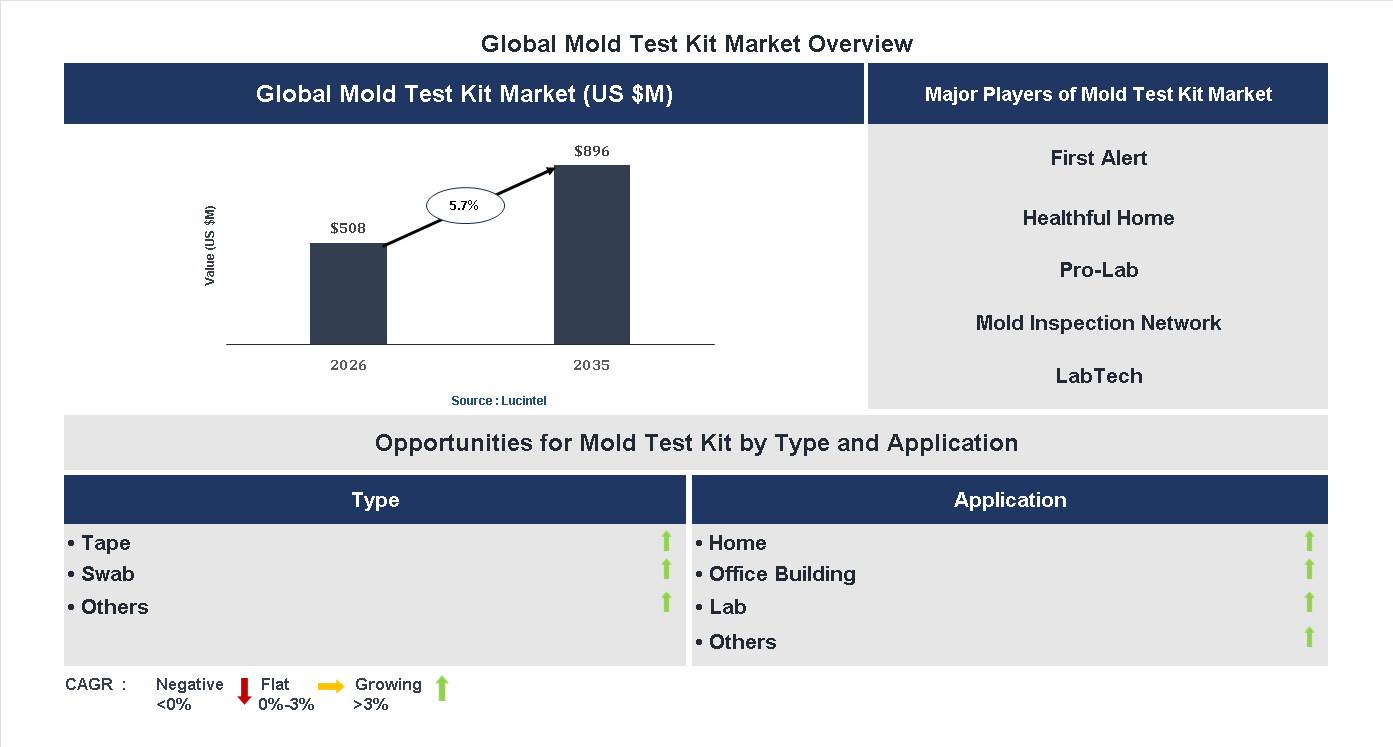
Key data points: The market size in 2035 = $896 million, growth forecast = 5.7% annually for the next 8 years. Scroll below to get more insights. This market report covers trends, opportunities and forecasts in mold test kit market to 2035 by type (tape, swab, and others), application (home, office building, lab, and others), and region (North America, Europe, Asia Pacific, and the Rest of the World)
We'll send your sample report shortly.
• Lucintel forecasts that, within the type category, swab is expected to witness higher growth over the forecast period.
• Within the application category, home is expected to witness the highest growth.
• In terms of region, APAC is expected to witness the highest growth over the forecast period. Gain valuable insights for your business decisions with our comprehensive 150+ page report. Sample figures with some insights are shown below.
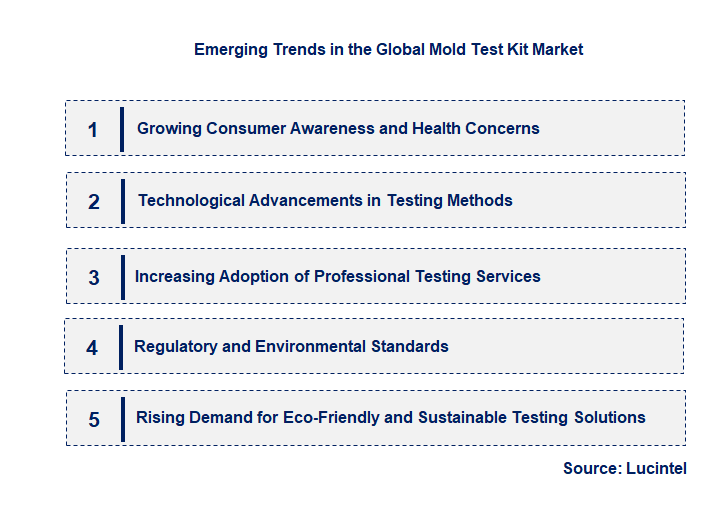
• Growing Consumer Awareness and Health Concerns: Increasing awareness about the health impacts of mold exposure, such as allergies, respiratory issues, and asthma, is driving demand for home testing kits. Consumers are more proactive in identifying mold problems early to prevent health complications, leading to a surge in DIY mold testing solutions. This trend is supported by rising media coverage and public health campaigns emphasizing indoor air quality, making mold testing a priority for homeowners and tenants alike.
• Technological Advancements in Testing Methods: Innovations in testing technology, including rapid DNA-based assays and digital detection devices, are enhancing the accuracy and speed of mold identification. Portable, easy-to-use kits now provide near-instant results, reducing the need for professional inspections. These advancements improve reliability, making mold testing accessible to a broader audience and enabling timely remediation, which is crucial for health and property preservation.
• Increasing Adoption of Professional Testing Services: While DIY kits are popular, there is a growing preference for professional mold testing services among property managers, real estate agents, and homeowners seeking definitive results. Advanced laboratory analysis and environmental assessments offer comprehensive insights, especially in complex cases. This trend reflects a desire for higher accuracy and detailed reports, influencing the market to expand its professional service offerings and integrate with home inspection processes.
• Regulatory and Environmental Standards: Governments and regulatory bodies are implementing stricter standards for indoor air quality and mold management. These regulations encourage property owners and businesses to adopt regular testing protocols to ensure compliance and avoid penalties. The market is responding by developing standardized testing kits and certification programs, which bolster consumer confidence and promote widespread adoption of mold testing as part of routine building maintenance.
• Rising Demand for Eco-Friendly and Sustainable Testing Solutions: Environmental concerns are prompting the development of eco-friendly mold testing kits that minimize chemical use and waste. Biodegradable materials and non-toxic reagents are gaining popularity, aligning with broader sustainability goals. This trend not only appeals to environmentally conscious consumers but also enhances the market’s reputation by offering safer, greener options for mold detection, thereby expanding its customer base and supporting sustainable practices. These trends are reshaping the mold test kit market by making mold detection more accessible, accurate, and environmentally sustainable. They are fostering a shift from traditional, reactive approaches to proactive, integrated solutions that prioritize health, safety, and environmental responsibility. As these developments continue, the market is poised for sustained growth and innovation, ultimately improving indoor air quality management worldwide.
• Technological Innovations in Testing Devices: Development of portable, user-friendly mold test kits with rapid results has revolutionized home and professional testing. These kits utilize advanced sampling and analysis methods, providing accurate detection of mold spores and mycotoxins. The impact includes increased consumer confidence, wider adoption in residential and commercial sectors, and reduced reliance on costly laboratory testing. Enhanced accuracy and ease of use are driving market growth and expanding access to mold detection solutions.
• Growing Awareness of Indoor Air Quality: Increased public awareness about health risks associated with indoor mold exposure has spurred demand for testing kits. Educational campaigns and health advisories have emphasized early detection, prompting homeowners, landlords, and institutions to invest in mold testing. This trend has expanded the market beyond traditional sectors, fostering a proactive approach to indoor air quality management. Consequently, the market benefits from higher adoption rates and diversified customer segments.
• Regulatory and Industry Standards Implementation: Governments and industry bodies are establishing stricter regulations and standards for mold testing and indoor air quality. These policies encourage the use of certified testing kits and promote best practices. The impact includes increased credibility and trust in test results, higher compliance costs for businesses, and a boost in demand for certified products. This regulatory environment fosters market stability and encourages innovation in testing methodologies.
• Expansion of Commercial and Industrial Applications: Beyond residential use, mold test kits are increasingly adopted in commercial buildings, healthcare facilities, and industrial settings. These sectors require rigorous mold monitoring to ensure safety and compliance. The impact involves a broader market scope, higher sales volumes, and the development of specialized testing solutions. This expansion enhances overall market resilience and opens new revenue streams for manufacturers.
• Integration of Digital Technologies and Data Management: Incorporation of digital tools, such as mobile apps and cloud-based data tracking, has improved test result management. Users can easily record, analyze, and share data, facilitating better decision-making. The impact includes increased user engagement, improved accuracy in monitoring mold levels over time, and enhanced customer experience. This technological integration positions the market for future growth through smarter, connected testing solutions. The mold test kit market is significantly impacted by technological advancements, increased awareness, regulatory support, sector diversification, and digital integration. These developments collectively drive market expansion, improve product reliability, and promote healthier indoor environments. As these trends continue, the market is poised for sustained growth, innovation, and broader adoption across residential, commercial, and industrial sectors.
• Growing Demand for DIY Mold Testing Kits in Residential Settings: The increasing awareness of health risks associated with mold exposure has led homeowners to seek convenient, cost-effective DIY testing kits. These kits enable quick detection of mold presence without professional assistance, making them popular among consumers. The availability of affordable, easy-to-use kits with accurate results is driving market growth in residential applications, especially in regions with rising awareness of indoor air quality issues.
• Expansion of Commercial and Industrial Mold Testing Solutions: Commercial buildings, healthcare facilities, and industrial plants require regular mold inspections to ensure safety and compliance. The demand for specialized testing kits capable of detecting various mold species and quantifying mold levels is rising. Advanced kits with rapid results and high sensitivity are increasingly adopted in these sectors. This expansion is supported by stringent regulations and the need to prevent mold-related health hazards and property damage.
• Technological Innovations Enhancing Test Accuracy and Ease of Use: Innovations such as digital readouts, smartphone integration, and rapid testing methods are improving the accuracy and user experience of mold test kits. These advancements allow consumers and professionals to obtain reliable results quickly, facilitating timely decision-making. The integration of IoT and AI for data analysis further enhances the capabilities of mold testing solutions, broadening their application scope and market appeal.
• Rising Adoption of Eco-Friendly and Non-Toxic Testing Methods: Environmental concerns and health safety are prompting the development of eco-friendly mold testing kits that use non-toxic reagents and sustainable materials. These kits appeal to environmentally conscious consumers and organizations seeking safer testing options. The focus on green products is expected to boost innovation and adoption, especially in residential and educational sectors, aligning with global sustainability trends.
• Increasing Market Penetration in Emerging Economies: Rapid urbanization, rising disposable incomes, and growing awareness of indoor air quality issues are expanding the mold test kit market in emerging economies such as India, China, and Brazil. Local manufacturers are entering these markets with affordable, portable testing solutions tailored to regional needs. Strategic collaborations and distribution channels are further facilitating market penetration, offering significant growth opportunities for global players. The overall impact of these opportunities is set to significantly enhance market size, diversify product offerings, and improve consumer access to reliable mold testing solutions, fostering a healthier indoor environment worldwide.
• Technological Innovation: The development of advanced, easy-to-use, and rapid testing kits has significantly increased market adoption. Innovations such as digital readouts and portable devices enable consumers and professionals to perform accurate tests conveniently at home or on-site. These technological advancements reduce testing time and improve reliability, fostering greater trust and expanding market reach. As R&D continues, the availability of more sophisticated kits will further stimulate demand, especially in residential and commercial sectors seeking quick, reliable mold detection solutions.
• Rising Awareness of Indoor Air Quality: Increasing awareness about health risks associated with mold exposure has heightened consumer interest in mold testing. Media coverage, health campaigns, and regulatory advisories emphasize the importance of early detection to prevent respiratory issues and allergic reactions. This heightened awareness drives consumers, property managers, and healthcare providers to adopt mold testing kits proactively, fueling market growth. The trend is particularly prominent in urban areas where indoor air quality concerns are more acute, creating a sustained demand for accessible testing solutions.
• Growing Construction and Renovation Activities: The expansion of residential, commercial, and industrial construction projects globally has contributed to increased mold testing needs. Renovations often disturb existing mold colonies, necessitating testing to ensure safety. Additionally, new buildings require mold assessments to meet health and safety standards. The rise in construction activities, especially in developing regions, creates a steady demand for mold test kits among contractors, property owners, and inspectors, thereby expanding the market. This trend is further supported by increased investments in infrastructure and real estate development.
• Regulatory and Environmental Policies: Governments and regulatory bodies are implementing stricter standards for indoor air quality and mold management. These policies mandate mold inspections and testing in various settings, including workplaces, schools, and residential buildings. Compliance requirements encourage the adoption of reliable testing kits, boosting market growth. Additionally, environmental regulations aimed at reducing mold-related health hazards promote the development and use of certified testing solutions. These policies create a favorable environment for market expansion, especially in regions with stringent health and safety regulations. The challenges facing the mold test kit market include:
• High Cost of Testing Kits: Despite technological advancements, the cost of high-quality mold test kits remains a barrier for widespread adoption, especially among individual consumers and small businesses. Premium kits with enhanced accuracy and rapid results tend to be expensive, limiting accessibility. Cost concerns may lead consumers to delay testing or opt for less reliable methods, impacting overall market growth. Manufacturers need to balance quality with affordability to expand their customer base and penetrate price-sensitive markets.
• Regulatory Hurdles and Lack of Standardization: The absence of uniform standards and certification processes for mold testing kits complicates market growth. Variability in regulatory requirements across regions can hinder product acceptance and trust. Manufacturers face challenges in obtaining approvals and ensuring compliance, which can delay product launches and increase costs. This regulatory complexity discourages innovation and limits market entry for new players, ultimately affecting the availability of reliable testing options for consumers and professionals.
• Limited Consumer Awareness and Education: Despite rising awareness, many consumers remain unaware of the importance of mold testing or lack knowledge about available solutions. Misconceptions about mold risks and testing procedures can lead to underutilization of test kits. Insufficient education hampers market expansion, as consumers may not recognize the need for testing or may distrust DIY kits. Increasing awareness campaigns and educational initiatives are essential to drive adoption and ensure consumers make informed decisions about mold health risks and testing options. The mold test kit market is shaped by technological innovations, increasing awareness, construction activities, and regulatory support, which collectively promote growth. However, high costs, regulatory complexities, and consumer education gaps pose significant challenges. Addressing these issues through affordable solutions, standardization, and awareness initiatives will be crucial for sustainable market expansion. Overall, the markets future depends on balancing technological progress with effective regulatory and educational strategies to meet rising demand and ensure consumer trust.
• First Alert
• Healthful Home
• Pro-Lab
• Mold Inspection Network
• LabTech
• My Mold Detective
• Mold Armor
• ImmunoLytics
• GOT MOLD
• Sysco Environmental
• Tape
• Swab
• Others
• Home
• Office Building
• Lab
• Others
• North America
• Europe
• Asia Pacific
• The Rest of the World
• United States: The US market has seen rapid growth due to heightened awareness of indoor air quality and health risks associated with mold. Major companies are launching advanced, user-friendly test kits that provide quick results. Regulatory agencies are emphasizing mold detection in residential and commercial buildings, boosting demand. E-commerce platforms facilitate easy access to a variety of testing options, expanding market reach. Additionally, increased research and development efforts are leading to more accurate and affordable testing solutions, further driving market expansion.
• China: Chinas mold test kit market is expanding rapidly, driven by rising urbanization and increasing awareness of indoor air pollution. The government’s focus on environmental health and safety regulations is encouraging adoption of mold testing solutions. Local manufacturers are innovating to produce cost-effective kits suitable for mass markets. The growing construction sector and rising disposable incomes are also contributing to increased demand. E-commerce channels are playing a vital role in distributing these kits across urban and rural areas, supporting market growth.
• Germany: The German market is characterized by high consumer awareness and strict regulatory standards for indoor air quality. Companies are focusing on developing highly accurate, eco-friendly, and easy-to-use mold test kits. The demand for professional-grade testing solutions is rising among commercial and industrial sectors. Additionally, Germany’s emphasis on sustainability and health safety is encouraging innovation in testing technologies. Market players are collaborating with environmental agencies to promote mold detection and prevention, further strengthening the market.
• India: The mold test kit market in India is witnessing significant growth due to increasing awareness of health issues related to mold exposure and rising urbanization. The affordability and accessibility of testing kits are crucial factors driving adoption. Local manufacturers are introducing cost-effective solutions tailored to the Indian market. The expanding real estate sector and growing health consciousness among consumers are also contributing to market expansion. E-commerce platforms are facilitating widespread distribution, making mold testing kits more accessible in rural and urban areas alike.
• Japan: Japan’s market for mold test kits is driven by a strong focus on health, safety, and environmental standards. The country’s aging population and increased health consciousness are boosting demand for reliable testing solutions. Companies are developing advanced, non-invasive testing kits that provide quick and accurate results. Regulatory frameworks promote mold detection in residential and commercial buildings, supporting market growth. Japan’s technological innovation and emphasis on eco-friendly products are shaping the development of sophisticated mold testing options, ensuring high market standards and consumer trust.


• First Alert
• Healthful Home
• Pro-Lab
• Mold Inspection Network
• LabTech
• My Mold Detective
• Mold Armor
• ImmunoLytics
• GOT MOLD
• Sysco Environmental Q6. Which mold test kit market segment will be the largest in future? Answer: Lucintel forecasts that, within the type category, swab is expected to witness higher growth over the forecast period. Q7. In mold test kit market, which region is expected to be the largest in next 5 years? Answer: In terms of region, APAC is expected to witness the highest growth over the forecast period. Q8. Do we receive customization in this report? Answer: Yes, Lucintel provides 10% customization without any additional cost.


Choose a license that fits your team. Instant PDF delivery.
Prices exclude taxes. Instant delivery. Custom licensing available on request.
Market Report · July 31, 2026
Market Report · July 31, 2026
Market Report · July 31, 2026
Trusted partner for strategic intelligence and business growth


Receive a complimentary market analysis tailored to your industry. Our analysts will identify key growth opportunities and competitive dynamics specific to your business.

Market size, growth rate, and key trend analysis for your specific sector.

Top competitor positioning and market share analysis.

Strategic recommendations backed by data-driven insights.
Get curated market intelligence and competitive moves straight to your inbox.
By subscribing, you agree to receive our monthly insights. Unsubscribe anytime.
Receive a complimentary market analysis tailored to your industry. Our analysts will identify key growth opportunities and competitive dynamics specific to your business.
Market size, growth rate, and key trend analysis for your specific sector.
Top competitor positioning and market share analysis.
Strategic recommendations backed by data-driven insights.
Get curated market intelligence, emerging trends, and competitive moves straight to your inbox each month.
By subscribing, you agree to receive our monthly insights. Unsubscribe anytime.
We'll send your sample report shortly.