
Market Report · May 18, 2026

This market report covers trends, opportunities, and forecasts in the global mobility as a service (maas) market to 2031 by propulsion technology (electric and ice), end use industry (personal, business, and others), and region (North America, Europe, Asia Pacific, and the Rest of the World)
We'll send your sample report shortly.
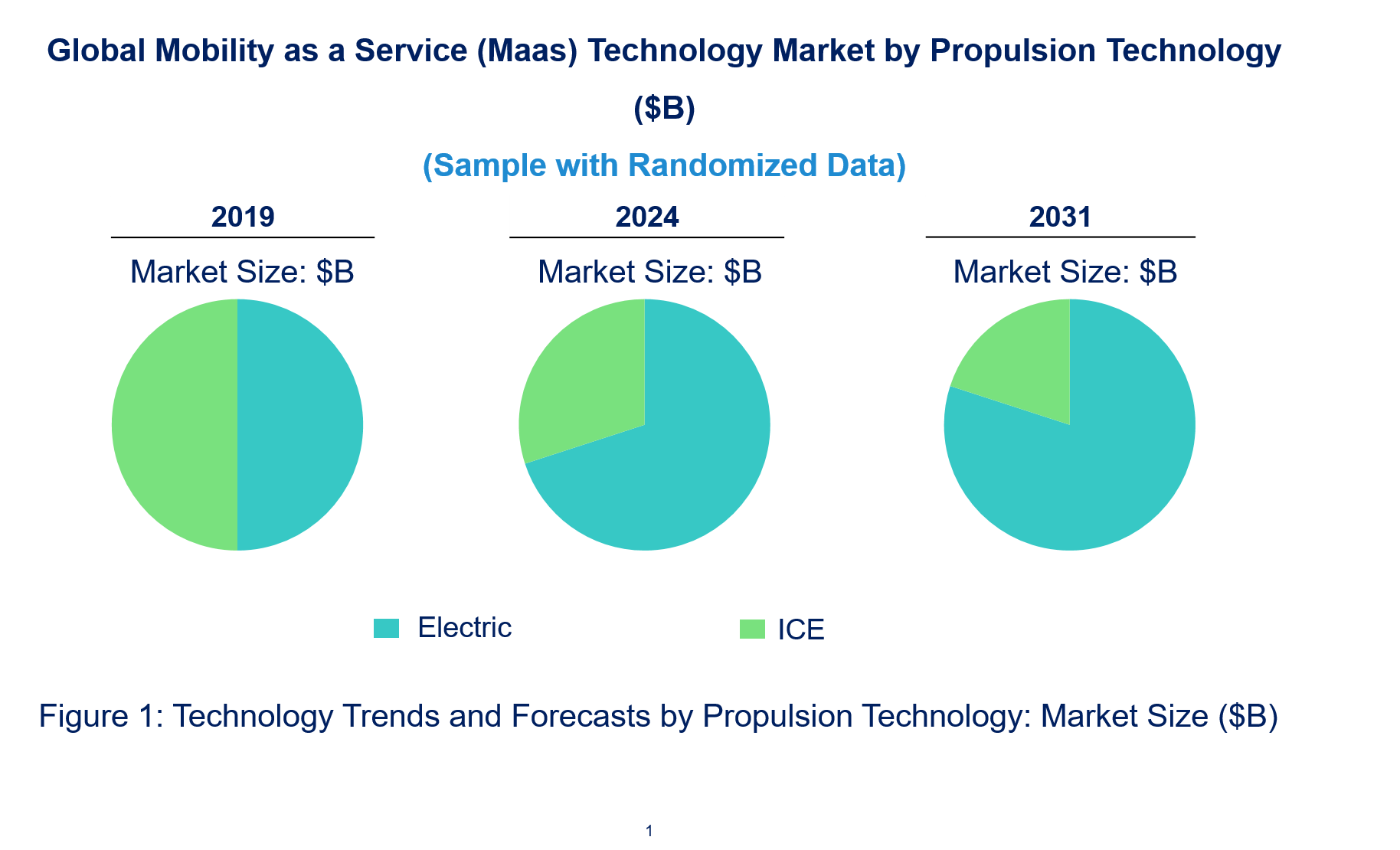
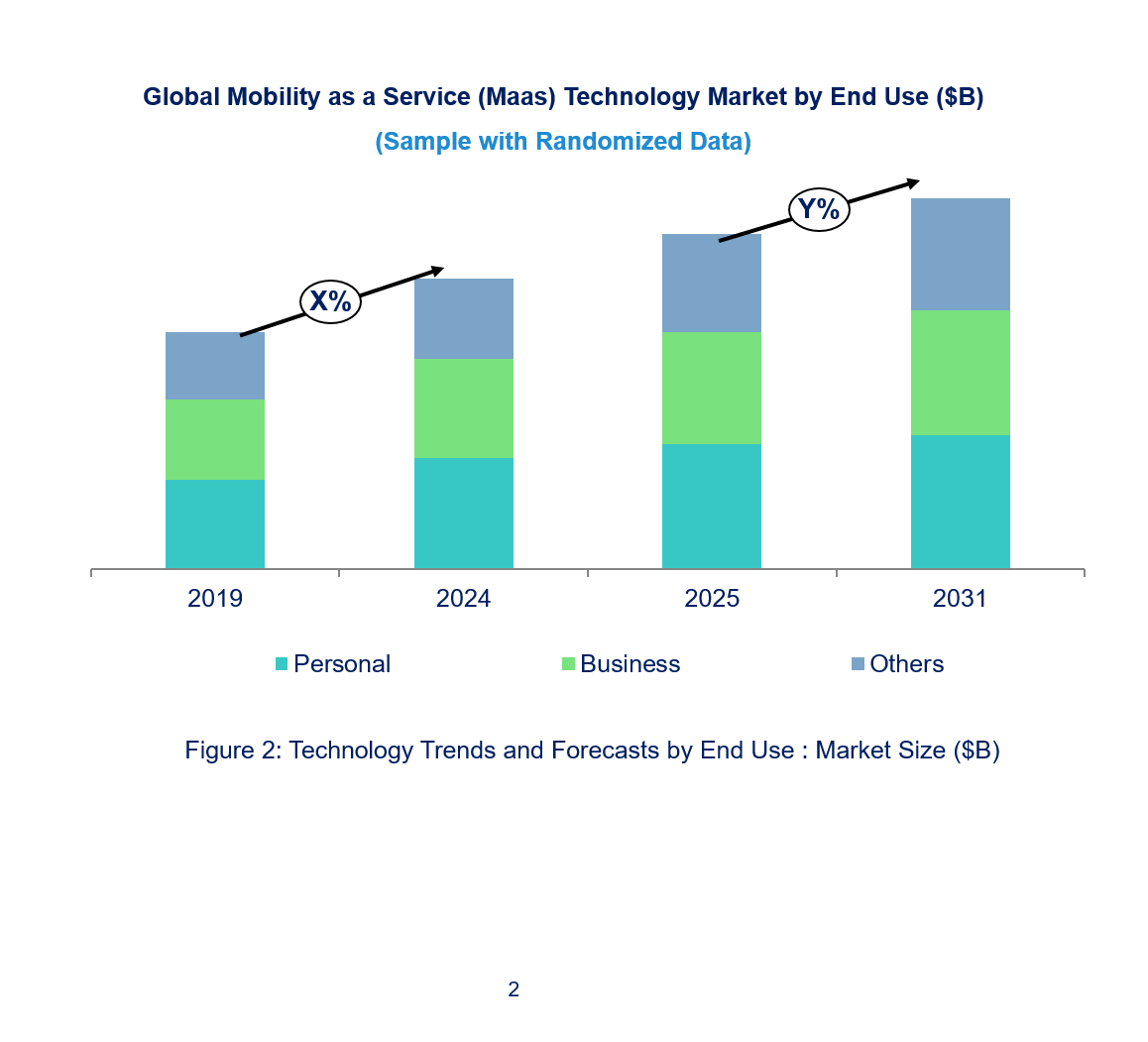
• Electrification of MaaS Fleets: The shift towards electric vehicles (EVs) is a key trend in MaaS, driven by the increasing demand for environmentally friendly transportation options. Electric propulsion reduces emissions and operational costs, and MaaS providers are integrating EVs into their fleets to support sustainability goals and improve urban air quality.
• Integration of Multi-modal Transportation Services: MaaS platforms are integrating various transportation modes such as buses, trains, taxis, and bike-sharing into single services. This integration offers users greater flexibility, convenience, and cost-effectiveness by allowing them to seamlessly plan and pay for multi-leg journeys across different modes of transport.
• Data-driven Personalization and AI Optimization: Advances in AI and data analytics are enabling MaaS providers to offer more personalized and efficient transportation options. AI-based algorithms can optimize routes, recommend the best modes of transport based on user preferences, and provide real-time updates on service availability, enhancing the overall user experience.
• Collaborations and Strategic Partnerships: Partnerships between transportation providers, tech companies, and local governments are on the rise. These collaborations help integrate MaaS solutions into urban mobility ecosystems, enabling providers to leverage infrastructure, funding, and shared resources, leading to improved scalability and service availability.
• Subscription-based MaaS Models: Subscription services are gaining traction, allowing users to access a variety of transportation options for a fixed monthly fee. This trend enables MaaS providers to offer affordable and flexible mobility solutions, catering to both personal and business use, while reducing the need for car ownership in urban environments. These emerging trends are reshaping the MaaS market by making transportation more sustainable, accessible, and efficient. As MaaS solutions evolve, the integration of electric vehicles, multi-modal services, data-driven personalization, strategic partnerships, and subscription models are setting the stage for a more connected, flexible, and user-centric transportation future.
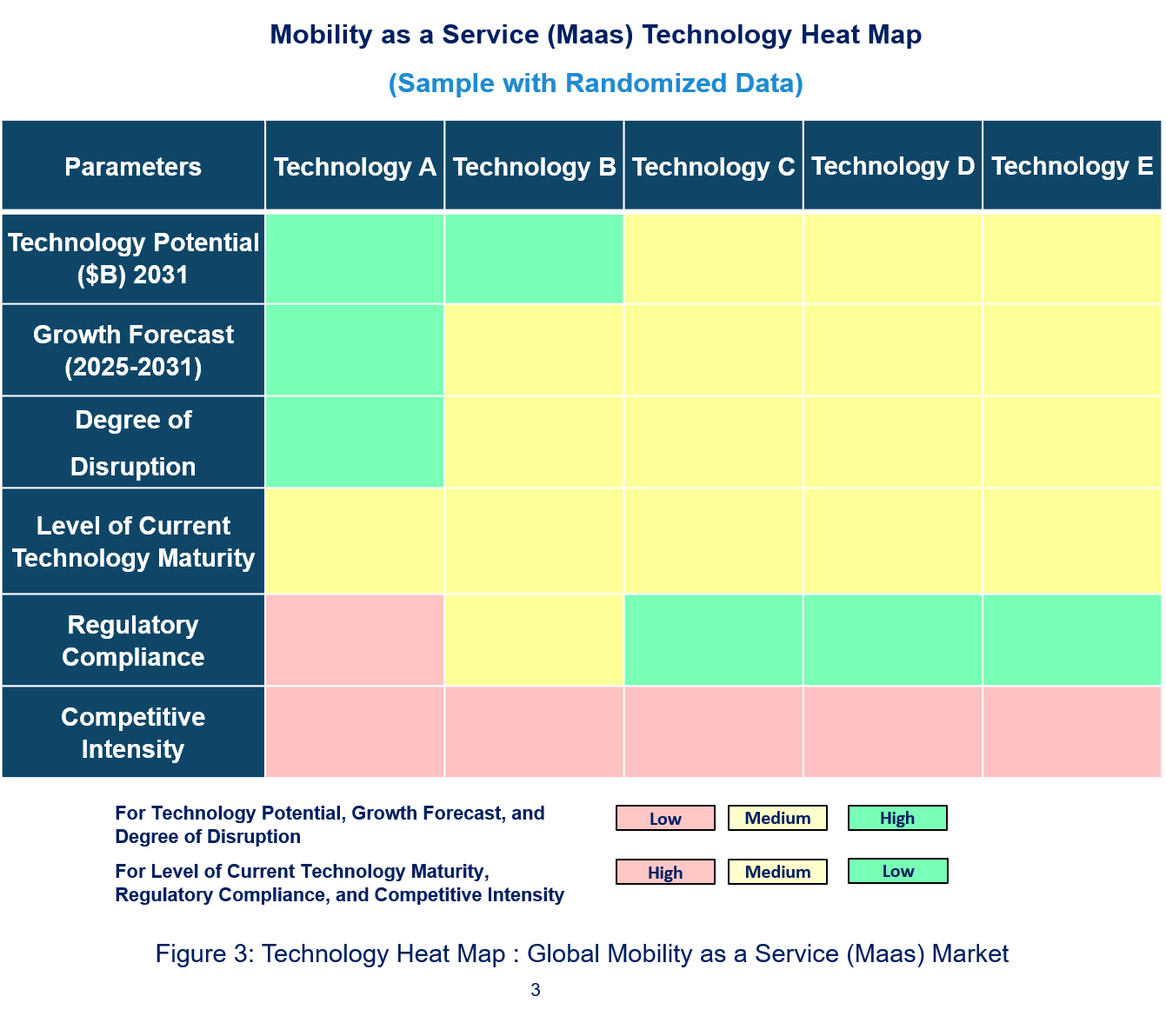
• Potential in Technology: The technology potential of electric propulsion in MaaS is high, as it supports cleaner urban transportation and is aligned with global sustainability goals. The adoption of electric vehicles enhances overall efficiency and reduces long-term maintenance costs, making it a preferred choice for MaaS operators.
• Degree of Disruption: Electric propulsion is emerging as the most disruptive technology in MaaS, replacing traditional internal combustion engine (ICE) vehicles. The transition to electric propulsion offers substantial environmental benefits, including reduced emissions, better fuel efficiency, and lower operational costs. As a result, electric vehicles (EVs) are increasingly being integrated into MaaS fleets, significantly transforming urban mobility.
• Current Technology Maturity Level: In terms of technology maturity, electric propulsion has already achieved a high level of readiness, with advancements in battery technology, charging infrastructure, and range capabilities. However, challenges still exist, such as the need for faster charging, cost reductions, and battery lifespan improvements.
• Regulatory compliance: Regarding regulatory compliance, governments worldwide are pushing for cleaner transportation, incentivizing the adoption of electric propulsion through subsidies, tax breaks, and policies focused on reducing carbon emissions. These regulations are accelerating the shift towards electric vehicles in MaaS applications, making it a key area of focus for future developments in the market.
• ANI Technologies: ANI Technologies, the parent company of Ola, has made significant strides in expanding its MaaS offerings across global markets. The company has been focusing on integrating electric vehicles into its fleet to promote cleaner, more sustainable urban mobility. Ola's continued partnerships with governments and local entities have positioned it as a major player in the MaaS ecosystem.
• Lyft: Lyft has been expanding its services by integrating electric bikes, scooters, and car rentals alongside its ride-hailing offerings. This shift toward multi-modal transport enhances the flexibility and sustainability of the services offered, making it easier for consumers to access a variety of transportation options within a single platform.
• Uber Technologies: Uber has focused on incorporating electric vehicles into its ride-hailing fleet, alongside investments in autonomous driving technology. The company is also exploring partnerships with public transit systems to further enhance its MaaS offerings, creating seamless multimodal transportation for urban commuters.
• Beijing Xiaoju Technology: The parent company of Didi Chuxing, Beijing Xiaoju Technology, is expanding its MaaS offerings by incorporating electric and autonomous vehicles into its fleet. Didi's strong presence in the Asian market and its integration with various transportation modes make it a significant player in the global MaaS ecosystem.
• Grab Holdings: Grab has expanded its MaaS model by integrating digital payments and financial services alongside its transportation offerings. This expansion enhances Grab's role in the daily lives of consumers by providing an all-in-one platform for mobility, delivery services, and financial transactions.
• Hertz Global Holdings: Hertz has entered the MaaS market by offering car rentals with a focus on electric vehicles. Through partnerships with ride-hailing companies and the adoption of EVs, Hertz is diversifying its business model to cater to the growing demand for sustainable and flexible transportation options.
• Avis Budget Group: Avis has made efforts to expand its role in the MaaS market by offering flexible car rental solutions that cater to the needs of both consumers and business users. Avis is working on integrating electric vehicles into its fleet, supporting the transition to greener alternatives in the MaaS space. These developments from key players in the MaaS market demonstrate a shift towards sustainable, flexible, and technology-driven transportation solutions. By incorporating electric vehicles, autonomous driving, and other innovative services, these companies are transforming how people move around cities and creating seamless multimodal transportation experiences.
• Growing Demand for Sustainable Mobility: With increasing awareness of environmental issues, consumers and governments are pushing for cleaner transportation options. MaaS offers a platform to integrate electric vehicles (EVs) and public transportation, promoting cleaner and more sustainable urban mobility solutions. This trend is pushing companies to adapt to greener technologies.
• Technological Advancements: Advancements in AI, IoT, and 5G technology are enhancing the user experience in the MaaS ecosystem. Real-time data analytics, automated services, and seamless connectivity are improving the efficiency and reliability of transportation. These technological developments contribute to more flexible and integrated mobility solutions, fostering market growth.
• Urbanization and Traffic Congestion: The rapid rise in urbanization has led to increased traffic congestion, making MaaS a highly attractive solution. Consumers are looking for alternatives to traditional car ownership, and MaaS platforms offer more cost-effective and convenient transportation options, reducing congestion while enhancing mobility efficiency.
• Government Support and Policy Incentives: Governments around the world are introducing favorable policies, including subsidies and incentives, to promote the adoption of MaaS. Investment in infrastructure and smart city initiatives is further accelerating the development of MaaS platforms, ensuring that they become an integral part of urban mobility solutions.
• Cost Efficiency and Convenience: Consumers are increasingly looking for cost-effective transportation solutions that provide convenience. MaaS reduces the need for car ownership by offering affordable alternatives, such as ride-hailing and car-sharing. The ability to access multiple transport modes through a single platform makes MaaS an attractive option for a growing number of people. Challenges in the mobility as a service market are:
• Data Privacy and Security Concerns: As MaaS platforms rely on collecting and analyzing user data to provide seamless services, there are growing concerns regarding data privacy and cybersecurity. Companies need to implement robust security measures to protect user information and comply with regulatory requirements.
• Integration of Multiple Transportation Modes: The integration of various transport services, such as ride-hailing, public transit, and car-sharing, into a seamless platform is complex. Ensuring interoperability between different providers, systems, and technologies remains a challenge that companies must overcome for MaaS to function smoothly and efficiently.
• Regulatory and Legal Barriers: Different countries have varying regulations for transportation services, making it difficult for MaaS providers to standardize their services globally. The absence of a unified regulatory framework creates challenges in offering MaaS on a large scale, particularly across borders, and impedes growth in the market. These drivers and challenges indicate that the MaaS market is evolving toward a more sustainable, efficient, and integrated transportation system. While opportunities like government support, technological advancements, and growing urbanization continue to fuel the market's growth, addressing challenges related to data security, regulatory complexities, and service integration is essential for long-term success. The ability to overcome these barriers will shape the future of MaaS and determine how quickly it can be implemented globally.
• Ani Technologies
• Lyft
• Uber Technologies
• Beijing Xiaoju Technology
• Grab Holdings
• Hertz Global Holdings
• Technology Readiness by Technology Type: Electric vehicles (EVs) are evolving rapidly in terms of technology readiness, with significant advancements in battery efficiency, range, and charging infrastructure. As more companies launch electric fleets for ride-hailing, car-sharing, and other MaaS services, the competitive pressure from EVs is increasing. Better integration of renewable energy sources supports EVs’ alignment with the regulatory push for sustainability. However, the readiness of EVs in MaaS services still requires substantial investments in charging stations and battery technology. On the other hand, ICE vehicles remain dominant in MaaS, but they face increasing regulatory pressures and technological obsolescence due to inefficiency and emission regulations. ICE vehicles are in decline as the MaaS market shifts toward cleaner alternatives. Key applications for ICE technology still exist in areas where EV infrastructure is less developed, but in regions with strong green energy incentives and urbanization trends, EV technology has become the dominant solution in the market.
• Competitive Intensity and Regulatory Compliance: The competitive intensity between electric and ICE technologies in the MaaS market is growing as governments implement stricter emissions standards and consumers increasingly prefer eco-friendly solutions. Electric vehicles, for instance, are encouraged through regulatory incentives, such as tax rebates and subsidies, making them more attractive to MaaS operators compared to ICE vehicles, which face high penalties for exceeding emissions limits. The pace of adoption of EVs is accelerating, and MaaS providers must focus on building an EV fleet to compete in the market. Additionally, charging infrastructure, improvements in battery technology, and performance enhancements in vehicles provide a competitive edge to EVs. Compliance with environmental regulations is pushing companies to shift away from ICE technology toward greener alternatives, but this transition is slow due to the infrastructure costs associated with EV adoption.
• Disruption Potential by Technology Type: The ICE vehicles have been replaced by electric (EV) ones in the Mobility as a Service (MaaS) market. Electric propulsion holds major advantages over ICE vehicles, such as lower emissions, reduced dependence on fuel, and long-term cost efficiency. EVs are more compatible with sustainability goals, making them increasingly favored in urban mobility solutions. The growing demand for eco-friendly and energy-efficient transportation, coupled with advancements in battery technology, positions electric vehicles as key players in reshaping MaaS services. On the other hand, ICE vehicles, though still in heavy use, face challenges mainly due to environmental concerns and stricter emission regulations, making them less suitable for the future of MaaS. The technological disruption of ICE by electric powertrains is evident as MaaS platforms adopt cleaner, more efficient technologies for ridesharing, car rentals, and on-demand services.
• Electric
• ICE
• Personal
• Business
• Others
• North America
• Europe
• Asia Pacific
• The Rest of the World
• Latest Developments and Innovations in the Mobility as a Service (Maas) Technologies
• Companies / Ecosystems
• Strategic Opportunities by Technology Type




Choose a license that fits your team. Instant PDF delivery.
Prices exclude taxes. Instant delivery. Custom licensing available on request.
Market Report · May 18, 2026
Market Report · May 18, 2026
Market Report · May 18, 2026
Trusted partner for strategic intelligence and business growth


Receive a complimentary market analysis tailored to your industry. Our analysts will identify key growth opportunities and competitive dynamics specific to your business.

Market size, growth rate, and key trend analysis for your specific sector.

Top competitor positioning and market share analysis.

Strategic recommendations backed by data-driven insights.
Get curated market intelligence and competitive moves straight to your inbox.
By subscribing, you agree to receive our monthly insights. Unsubscribe anytime.
Receive a complimentary market analysis tailored to your industry. Our analysts will identify key growth opportunities and competitive dynamics specific to your business.
Market size, growth rate, and key trend analysis for your specific sector.
Top competitor positioning and market share analysis.
Strategic recommendations backed by data-driven insights.
Get curated market intelligence, emerging trends, and competitive moves straight to your inbox each month.
By subscribing, you agree to receive our monthly insights. Unsubscribe anytime.
We'll send your sample report shortly.