
Market Report · July 22, 2026

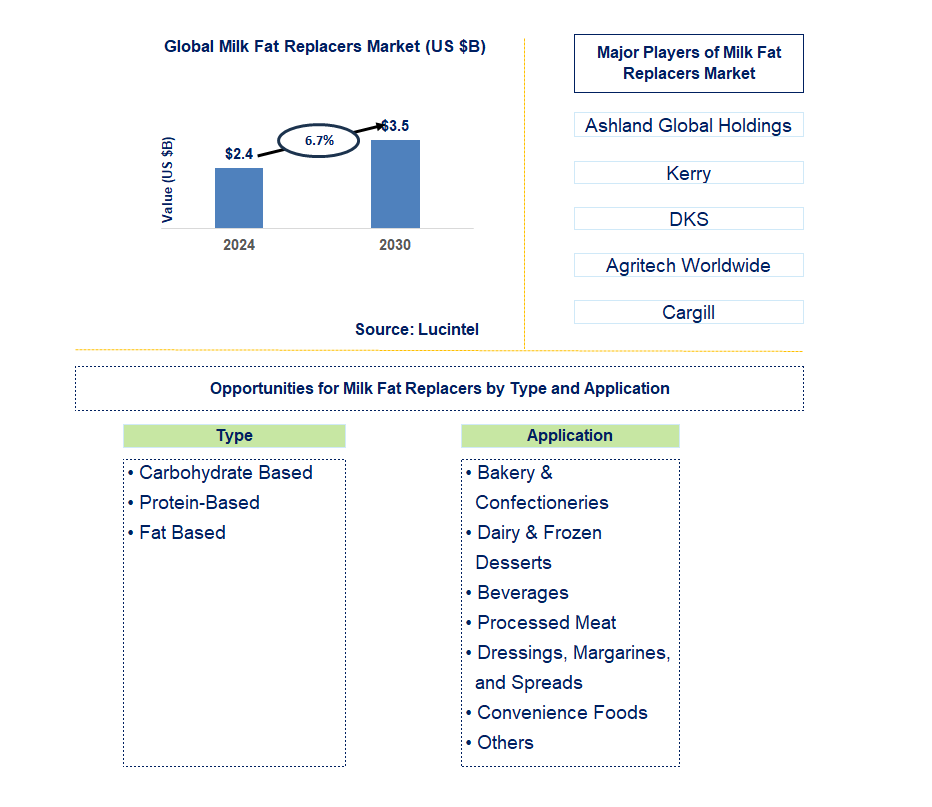
Key data points: The market size in 2030 = $3.5 billion, growth forecast = 6.7% annually next 6 years. Scroll below to get more insights. This market report covers trends, opportunities, and forecast in the global milk fat replacers market to 2030 by type (carbohydrate based, protein-based, and fat based), application (bakery & confectioneries, dairy & frozen desserts, beverages, processed meat, dressings, margarines, and spreads, convenience foods, and others), and region (North America, Europe, Asia Pacific, and the Rest of the World)
We'll send your sample report shortly.
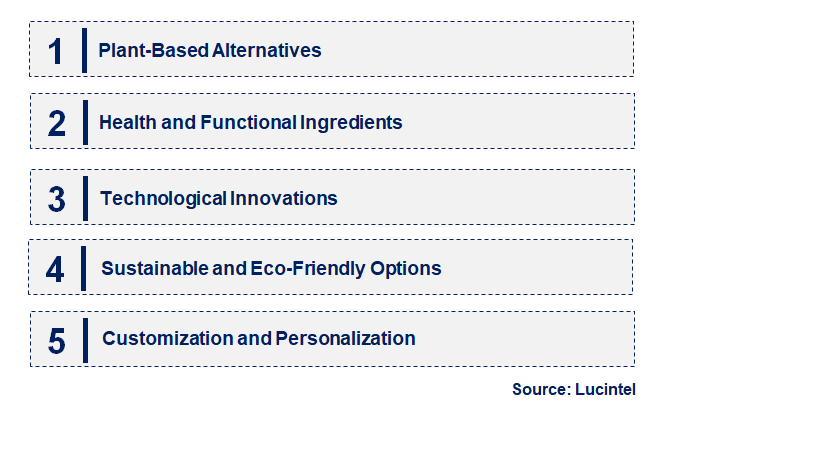
• Plant-Based Alternatives: The shift towards plant-based diets is a major trend in the milk fat replacers market. Consumers are increasingly seeking non-dairy options due to health, ethical, and environmental concerns. Innovations in plant-based fats, such as those derived from soy, almonds, and coconuts, are gaining popularity. These alternatives often offer similar taste and texture to dairy fats, making them appealing to a broad audience. The growth in vegan and vegetarian diets drives this trend, leading to a rise in plant-based product offerings across various food sectors.
• Health and Functional Ingredients: There is a growing demand for milk fat replacers that offer health benefits beyond basic fat replacement. Consumers are looking for products enriched with functional ingredients like probiotics, omega-3 fatty acids, and fiber. These health-enhancing additives appeal to those seeking to improve their overall well-being through diet. Manufacturers are responding by developing fat replacers that provide added nutritional value, aligning with the trend towards healthier, functional foods and catering to a health-conscious consumer base.
• Technological Innovations: Advances in food technology are playing a crucial role in the development of milk fat replacers. Innovations such as improved emulsification techniques, novel hydrocolloids, and enhanced processing methods are enabling the creation of more effective and versatile fat replacers. These technologies help in achieving better taste, texture, and functionality in end products. The continuous improvement of these technologies is vital for meeting consumer expectations and enhancing the performance of milk fat replacers in various food applications.
• Sustainable and Eco-Friendly Options: Sustainability is becoming a central theme in the milk fat replacers market. Consumers and manufacturers are increasingly focused on reducing environmental impact through eco-friendly ingredients and production processes. This trend includes the use of sustainable sourcing practices and packaging solutions. Companies are developing milk fat replacers with a lower carbon footprint and promoting transparency in their sustainability efforts. This shift aligns with broader environmental concerns and consumer preferences for products that contribute to a greener planet.
• Customization and Personalization: The demand for personalized nutrition is driving the trend towards customized milk fat replacers. Consumers are looking for products tailored to their specific dietary needs and preferences. This trend is leading to the development of milk fat replacers that cater to individual health conditions, such as lactose intolerance or allergies. Manufacturers are leveraging data and consumer insights to create bespoke fat replacer solutions that offer unique benefits and align with personal dietary goals, enhancing consumer satisfaction and engagement. These emerging trends are significantly reshaping the milk fat replacers market by influencing product development, consumer preferences, and industry practices. The emphasis on plant-based options, health benefits, technological advancements, sustainability, and personalization is driving innovation and market growth. As these trends continue to evolve, they will play a crucial role in shaping the future of milk fat replacers, creating new opportunities and challenges for manufacturers and consumers alike.
• Increased Use of Plant-Based Ingredients: The adoption of plant-based ingredients in milk fat replacers has surged, driven by consumer demand for vegan and dairy-free options. Companies are leveraging ingredients like coconut oil, almond butter, and soy to create fat replacers that mimic the taste and texture of dairy fats. This development aligns with the broader trend towards plant-based diets and is expanding the range of available dairy alternatives. The increased use of these ingredients is also supported by advancements in processing technologies that enhance their functionality.
• Advancements in Emulsification Technology: Innovations in emulsification technology are enhancing the performance of milk fat replacers. New emulsifiers and hydrocolloids are being developed to improve the stability, texture, and mouthfeel of fat replacers. These advancements enable manufacturers to create products that closely resemble traditional dairy fats while offering health benefits or reduced fat content. Enhanced emulsification technologies are crucial for meeting consumer expectations and maintaining product quality across various food applications.
• Expansion of Functional Ingredient Profiles: There is a growing focus on incorporating functional ingredients into milk fat replacers. Products enriched with nutrients like fiber, omega-3 fatty acids, and probiotics are becoming more prevalent. This trend reflects the increasing consumer interest in health-enhancing foods that offer additional benefits beyond basic nutrition. The expansion of functional ingredient profiles in milk fat replacers is driving product innovation and catering to the demand for healthier, more nutritious food options.
• Regulatory Changes and Support: Regulatory changes are influencing the development and market entry of milk fat replacers. Governments are introducing new standards and guidelines to ensure the safety and efficacy of alternative ingredients. Supportive regulatory environments are facilitating innovation and allowing for the introduction of novel fat replacers. Additionally, regulatory clarity is helping to streamline market access and promote consumer confidence in milk fat replacer products.
• Growing Market Segmentation: The milk fat replacers market is experiencing increased segmentation, with products tailored to specific dietary needs and preferences. This includes options for lactose-intolerant individuals, allergy sufferers, and those following specific dietary regimes. The growth in market segmentation is driven by consumer demand for personalized nutrition and the desire for products that cater to unique health requirements. This development is leading to a broader range of milk fat replacers and increased market diversity. Recent developments in the milk fat replacers market are reshaping the industry by expanding product offerings, enhancing technological capabilities, and addressing evolving consumer needs. The increased use of plant-based ingredients, advancements in technology, and regulatory support are driving growth and innovation. As the market continues to evolve, these developments are likely to further influence consumer choices and industry practices, creating new opportunities for growth and innovation in the sector.
• Dairy Products: The dairy products sector represents a significant growth opportunity for milk fat replacers. With increasing consumer preference for reduced-fat and lactose-free options, there is a rising demand for dairy alternatives. Innovations in fat replacers that mimic the creamy texture and taste of dairy are gaining traction. Companies can capitalize on this trend by developing new formulations that enhance flavor and texture while catering to health-conscious consumers. This shift is driving the introduction of new products in yogurt, cheese, and milk, expanding the market potential for milk fat replacers in dairy.
• Bakery Goods: The bakery industry offers substantial growth opportunities for milk fat replacers. As health trends and dietary restrictions influence consumer choices, there is a growing demand for lower-fat and dairy-free bakery products. Fat replacers that improve the texture, moisture, and shelf-life of baked goods are becoming increasingly valuable. Companies can leverage this opportunity by formulating fat replacers that enhance the quality of breads, cakes, and pastries while meeting dietary needs. This trend is driving innovation and creating a competitive edge in the bakery segment.
• Snacks: The snacks sector is another promising area for growth in milk fat replacers. With rising health awareness, consumers are seeking snacks that offer lower fat and calorie content. Milk fat replacers can help create healthier versions of popular snacks, such as chips, crackers, and bars, without compromising on taste and texture. By developing fat replacers that deliver the desired sensory attributes, companies can tap into the growing demand for healthier snack options and differentiate their products in a competitive market.
• Confectionery: The confectionery market presents an opportunity for growth through milk fat replacers, particularly in the context of healthier sweet treats. Consumers are increasingly looking for lower-fat and dairy-free alternatives in candies and chocolate products. Milk fat replacers that replicate the creamy texture and rich flavor of traditional confectionery can cater to this demand. This opportunity allows companies to innovate in creating healthier versions of chocolates, candies, and desserts, appealing to health-conscious consumers and expanding market reach.
• Plant-Based Beverages: The plant-based beverages sector is experiencing rapid growth, driven by rising consumer interest in dairy-free options. Milk fat replacers are critical in developing plant-based milks, creamers, and smoothies that offer a similar mouthfeel and richness as dairy products. By investing in advanced fat replacers that enhance the sensory qualities of these beverages, companies can capture a significant share of the growing plant-based beverage market. This opportunity aligns with the broader trend towards plant-based diets and supports market expansion. Strategic growth opportunities in the milk fat replacers market are emerging across various applications, including dairy products, bakery goods, snacks, confectionery, and plant-based beverages. Each application presents unique potential for innovation and market expansion, driven by shifting consumer preferences towards health and sustainability. By leveraging these opportunities, companies can enhance their product offerings and gain a competitive advantage in the rapidly evolving milk fat replacers market.
• Ashland Global Holdings
• Kerry
• DKS
• Agritech Worldwide
• Cargill
• FMC
• Archer Daniels Midland
• Wilmar International
• FELDA IFFCO
• Parmalat
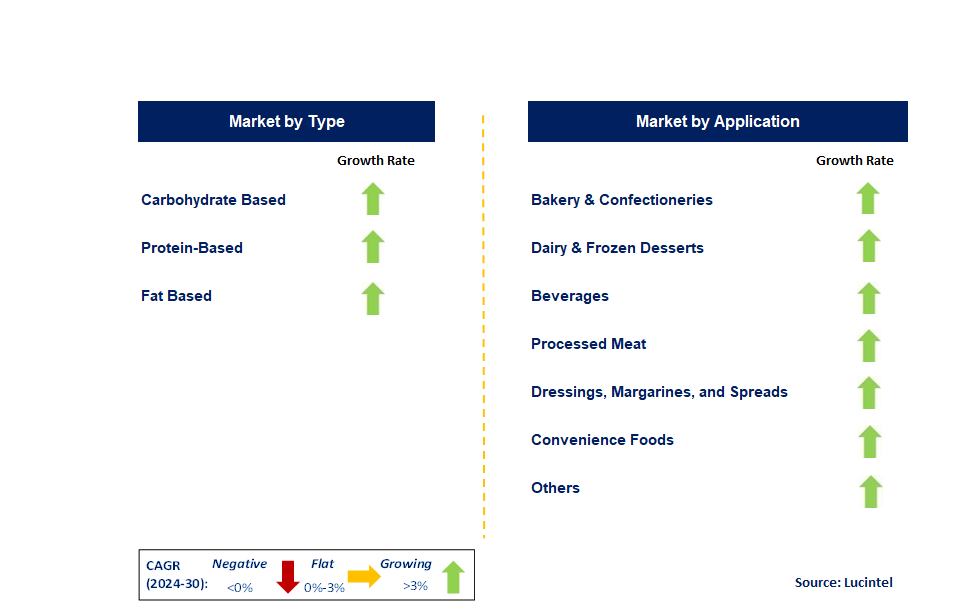
• Carbohydrate Based
• Protein-Based
• Fat Based
• Bakery & Confectioneries
• Dairy & Frozen Desserts
• Beverages
• Processed Meat
• Dressings, Margarines, and Spreads
• Convenience Foods
• Others
• North America
• Europe
• Asia Pacific
• The Rest of the World
• United States: In the U.S., the milk fat replacers market has expanded with increased consumer demand for plant-based products. Innovations in fat replacer formulations, such as the use of advanced emulsifiers and hydrocolloids, are gaining traction. Companies are focusing on health benefits, incorporating functional ingredients like probiotics and omega-3s. Additionally, regulatory support for novel ingredients and increased marketing efforts highlighting health benefits are contributing to market growth. This trend is evident in the rising availability of dairy-free alternatives in mainstream retail outlets and foodservice chains.
• China: China market for milk fat replacers is experiencing rapid growth due to rising health awareness and a shift towards plant-based diets. The demand for milk fat replacers is being driven by an increasing number of health-conscious consumers and a growing middle class. Local manufacturers are developing innovative plant-based fat replacers, often focusing on soy and almond-based products. The Chinese government’s support for alternative food products, coupled with advancements in food technology, is facilitating the market’s expansion. Increased consumer education about the benefits of these alternatives is also contributing to market growth.
• Germany: Germany has seen substantial advancements in the milk fat replacers market, driven by the country's strong emphasis on sustainability and health. The market is characterized by a growing interest in organic and non-GMO ingredients. Innovations in fat replacers are focused on enhancing taste and texture while maintaining ecological standards. German consumers are increasingly opting for products with reduced environmental impact, leading to greater demand for plant-based and bio-engineered fat replacers. Regulatory measures supporting eco-friendly practices and stringent quality controls further fuel market growth in this region.
• India: In India, the milk fat replacers market is evolving rapidly due to changing dietary patterns and increased health awareness. The rise in demand for vegetarian and vegan products is a significant driver. Innovations in local ingredients, such as coconut and cashew-based fat replacers, are gaining popularity. Additionally, increased availability of milk fat replacers in urban areas and rising disposable incomes are contributing to market growth. Indian consumers are also becoming more aware of the benefits of milk fat replacers, which is driving the introduction of diverse product options in the market.
• Japan: Japan milk fat replacers market is marked by a growing preference for low-fat and plant-based alternatives due to health trends and an aging population. Japanese consumers are increasingly seeking functional foods with added health benefits, leading to a rise in demand for milk fat replacers that offer nutritional advantages. Companies in Japan are focusing on developing innovative products with enhanced sensory attributes, such as better texture and flavor. The market is also influenced by the country's unique dietary habits and the growing popularity of functional and fortified foods.


• Ashland Global Holdings
• Kerry
• DKS
• Agritech Worldwide
• Cargill
• FMC
• Archer Daniels Midland
• Wilmar International
• FELDA IFFCO
• Parmalat Q6. Which milk fat replacers market segment will be the largest in future? Answer: Lucintel forecasts that protein-based will remain the largest segment over the forecast period. Q7. In milk fat replacers market, which region is expected to be the largest in next 5 years? Answer: North America is expected to witness the highest growth over the forecast period due to increase demand for packaged foods such as milk-based drinks and sweets among population of the region. Q.8 Do we receive customization in this report? Answer: Yes, Lucintel provides 10% customization without any additional cost.


Choose a license that fits your team. Instant PDF delivery.
Prices exclude taxes. Instant delivery. Custom licensing available on request.
Market Report · July 22, 2026
Market Report · July 22, 2026
Market Report · July 22, 2026
Trusted partner for strategic intelligence and business growth


Receive a complimentary market analysis tailored to your industry. Our analysts will identify key growth opportunities and competitive dynamics specific to your business.

Market size, growth rate, and key trend analysis for your specific sector.

Top competitor positioning and market share analysis.

Strategic recommendations backed by data-driven insights.
Get curated market intelligence and competitive moves straight to your inbox.
By subscribing, you agree to receive our monthly insights. Unsubscribe anytime.
Receive a complimentary market analysis tailored to your industry. Our analysts will identify key growth opportunities and competitive dynamics specific to your business.
Market size, growth rate, and key trend analysis for your specific sector.
Top competitor positioning and market share analysis.
Strategic recommendations backed by data-driven insights.
Get curated market intelligence, emerging trends, and competitive moves straight to your inbox each month.
By subscribing, you agree to receive our monthly insights. Unsubscribe anytime.
We'll send your sample report shortly.