
Market Report · July 22, 2026

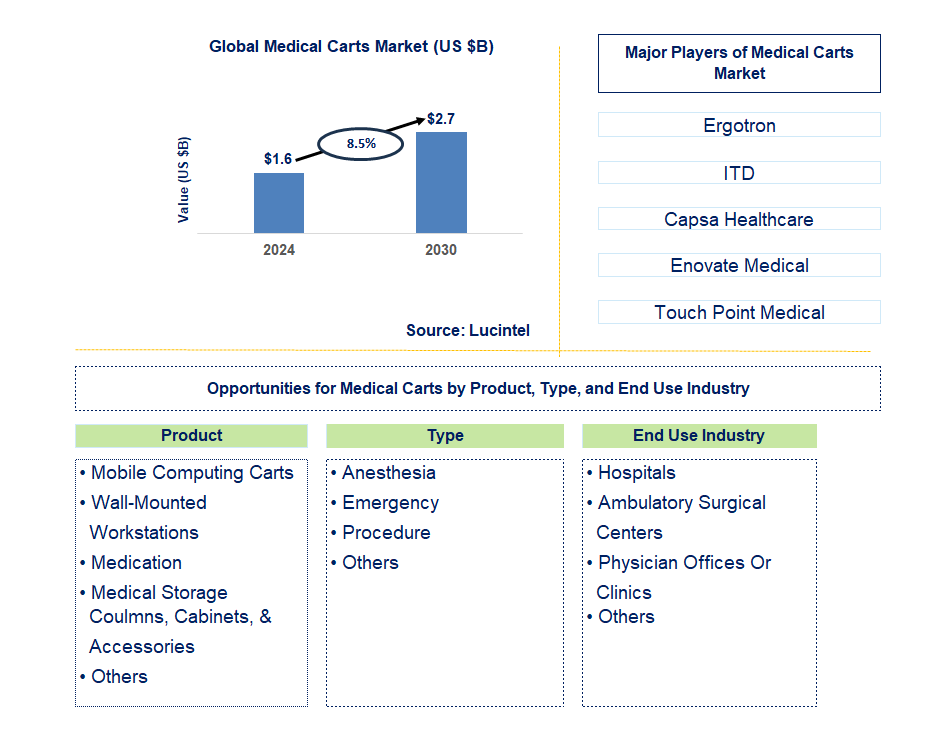
Key data points: The market size in 2030 = $2.67 billion, growth forecast = 8.5% annually for the next 6 years. Scroll below to get more insights. This market report covers trends, opportunities, and forecasts in the global medical carts market to 2030 by product (mobile computing carts, wall-mounted workstations, medication, medical storage columns, cabinets, & accessories, and others), type (anesthesia, emergency, procedure, and others), end use industry (hospitals, ambulatory surgical centers, physician offices or clinics, and others), and region (North America, Europe, Asia Pacific, and the Rest of the World)
We'll send your sample report shortly.
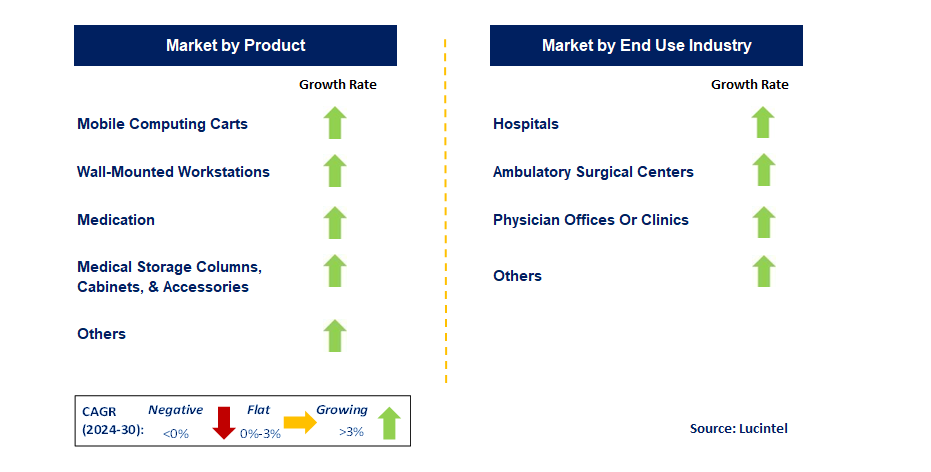
• Lucintel forecasts that mobile computing carts is expected to witness highest growth over the forecast period due to advantages they offer, including their portability, space-efficiency, and the services they provide.
• Within this market, hospitals will remain the largest segment due to adoption of medical carts is propelled by the technological progress in medical mobile workstations. North America is expected to witness highest growth over the forecast period due to increasing prevalence of chronic kidney diseases. Gain valuable insight for your business decisions with our comprehensive 150+ page report
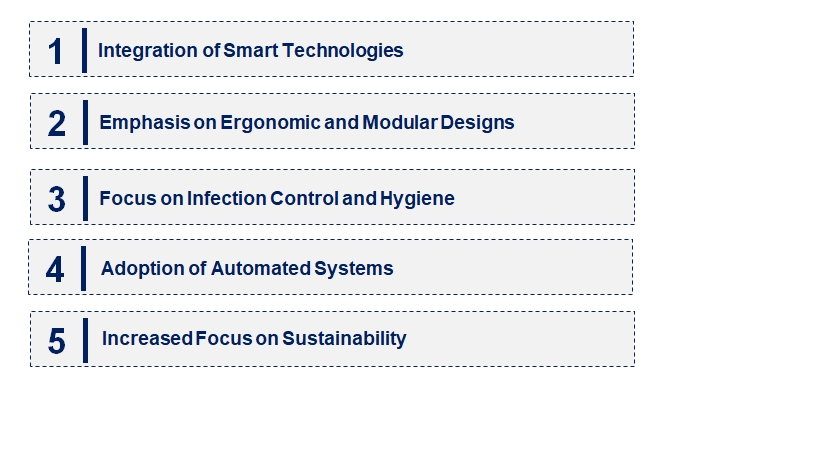
• Integration of Smart Technologies: The integration of smart technologies such as IoT, RFID, and real-time tracking systems is becoming a prominent trend in the medical carts market. These technologies enable better inventory management, real-time monitoring of cart locations, and improved workflow efficiency. Smart medical carts can notify staff about inventory levels, expiration dates, and usage patterns, facilitating timely restocking and reducing errors. This integration enhances operational efficiency and supports better patient care by ensuring the availability of necessary supplies and equipment.
• Emphasis on Ergonomic and Modular Designs: There is a growing emphasis on ergonomic and modular designs in medical carts to enhance user comfort and adaptability. Ergonomic designs ensure that carts are easy to maneuver and use, reducing strain on healthcare workers and improving efficiency. Modular designs allow carts to be customized and reconfigured based on specific needs, providing flexibility in various clinical environments. This trend helps address the diverse requirements of different healthcare settings and improves overall usability and functionality.
• Focus on Infection Control and Hygiene: Infection control and hygiene are critical concerns in healthcare environments, leading to a focus on medical carts with antimicrobial surfaces and easy-to-clean materials. Innovations include coatings that inhibit microbial growth and designs that facilitate thorough cleaning and disinfection. This trend is driven by the need to minimize the risk of healthcare-associated infections and maintain a high standard of hygiene in clinical settings. Medical carts are being designed to support rigorous infection control protocols and enhance overall patient safety.
• Adoption of Automated Systems: The adoption of automated systems within medical carts, such as automated dispensing units and robotic assistance, is transforming how medical supplies and medications are managed. These systems reduce manual handling, minimize errors in medication administration, and streamline workflows. Automated carts can manage complex dispensing tasks, track usage, and ensure accurate delivery of medications and supplies. This trend reflects the broader move towards automation in healthcare to enhance efficiency and accuracy.
• Increased Focus on Sustainability: Sustainability is becoming a key consideration in the design and production of medical carts. Manufacturers are adopting eco-friendly materials, reducing waste, and implementing energy-efficient manufacturing processes. This trend reflects a broader commitment to environmental responsibility within the healthcare sector. Sustainable medical carts not only help minimize environmental impact but also align with the growing emphasis on green practices and corporate social responsibility in healthcare. Emerging trends in the medical carts market, including smart technology integration, ergonomic and modular designs, enhanced infection control, automation, and sustainability, are reshaping the landscape. These developments address evolving healthcare needs, improve efficiency and safety, and align with broader industry trends. By adopting these innovations, the medical carts market is advancing towards more sophisticated, adaptable, and environmentally responsible solutions that enhance patient care and streamline healthcare operations.
• Integration of Smart Technologies: Recent advancements include the integration of smart technologies such as IoT (Internet of Things), RFID (Radio Frequency Identification), and real-time tracking systems into medical carts. These technologies enable enhanced inventory management, tracking of cart locations, and improved workflow efficiency. Smart medical carts can monitor stock levels, alert staff to expiring items, and provide data analytics on usage patterns. This development supports better resource management, reduces errors, and ensures that essential supplies are readily available, ultimately improving operational efficiency in healthcare settings.
• Enhanced Ergonomic and Modular Designs: Medical carts are increasingly designed with ergonomic features and modular configurations to enhance usability and flexibility. Ergonomic designs focus on improving ease of maneuverability, reducing physical strain on healthcare workers, and accommodating diverse clinical tasks. Modular designs allow for customization and reconfiguration based on specific needs, such as different storage requirements or equipment types. This flexibility makes medical carts more adaptable to various healthcare environments, improving their functionality and user experience across different clinical settings.
• Focus on Infection Control and Hygiene: A major development in the medical carts market is the emphasis on infection control and hygiene. Recent innovations include the use of antimicrobial materials, easy-to-clean surfaces, and design features that facilitate thorough disinfection. These enhancements address the critical need for minimizing healthcare-associated infections by ensuring that medical carts are resistant to microbial growth and can be effectively cleaned and sanitized. This focus on hygiene contributes to safer patient environments and helps healthcare facilities adhere to stringent infection control protocols.
• Adoption of Automated Dispensing Systems: Automated dispensing systems are becoming a significant feature in modern medical carts. These systems help streamline the process of distributing medications and supplies, reducing manual handling and the potential for errors. Automated carts can include features such as robotic dispensing units, electronic locks, and inventory management systems. By automating these processes, healthcare facilities can improve accuracy, increase efficiency, and reduce the risk of medication errors, leading to better patient care and streamlined operations.
• Emphasis on Sustainability: Sustainability has become a key consideration in the design and production of medical carts. Manufacturers are focusing on using eco-friendly materials, reducing waste, and implementing energy-efficient manufacturing processes. This development reflects a growing commitment to environmental responsibility within the healthcare sector. Sustainable medical carts not only help reduce the environmental impact but also align with broader industry trends towards green practices and corporate social responsibility, making them a more attractive option for environmentally conscious healthcare organizations. Recent developments in the medical carts market highlight a shift towards more advanced, efficient, and environmentally responsible solutions. The integration of smart technologies, ergonomic and modular designs, enhanced infection control features, automated dispensing systems, and sustainability practices are transforming medical carts into versatile tools that meet the evolving needs of modern healthcare environments. These advancements are improving operational efficiency, patient safety, and environmental impact, reshaping the market and setting new standards for medical cart functionality and design.
• Hospital Care: Hospital care represents a significant growth opportunity for medical carts due to the increasing need for efficient resource management and patient care. Advanced medical carts equipped with smart technologies, such as real-time tracking and inventory management systems, can streamline the distribution of supplies, medications, and equipment. Innovations like ergonomic designs and modular configurations also enhance functionality and user comfort. By addressing the challenges of high patient volumes and complex workflows, medical carts tailored for hospital care can improve operational efficiency and patient outcomes.
• Emergency Response: The emergency response sector presents a critical growth opportunity for medical carts designed for rapid deployment and functionality. Carts used in emergency situations must be highly mobile, durable, and equipped with essential medical supplies and equipment. Developing carts with features such as quick-access compartments, rugged construction, and integrated communication tools can support first responders in providing timely and effective care. These specialized carts enhance the readiness and efficiency of emergency response teams, improving patient management during critical situations.
• Pharmacy Management: In pharmacy management, there is an opportunity to grow by offering medical carts that support medication distribution and inventory control. Automated dispensing carts equipped with electronic medication management systems and RFID technology can streamline pharmacy operations and reduce errors in medication administration. These carts enable pharmacists to manage inventory more effectively, ensure accurate medication delivery, and enhance overall workflow efficiency. By integrating technology and automation, medical carts can address the complexities of modern pharmacy environments and improve patient safety.
• Surgical Suites: Surgical suites require specialized medical carts that offer organized storage and easy access to surgical instruments and supplies. Growth opportunities exist in developing carts with features such as customizable compartments, integrated lighting, and ergonomic designs tailored for surgical procedures. Carts designed for surgical environments can enhance the efficiency of surgical teams by providing quick and reliable access to necessary tools, reducing setup time, and supporting sterile environments. Innovations in this area contribute to improved surgical outcomes and streamlined operating room processes.
• Outpatient Services: Outpatient services offer a growing market for medical carts designed to support a range of clinical activities in non-hospital settings. These carts can be used in primary care offices, specialty clinics, and diagnostic centers to manage patient care and streamline workflows. Growth opportunities include developing carts with mobile technology integration, electronic health record (EHR) access, and customizable storage solutions to meet the needs of outpatient settings. By enhancing the functionality and versatility of medical carts, providers can improve patient care and operational efficiency in outpatient environments. Strategic growth opportunities in the medical carts market span across various applications, each with unique requirements and potential. By focusing on innovations tailored for hospital care, emergency response, pharmacy management, surgical suites, and outpatient services, manufacturers can address the evolving needs of healthcare facilities and enhance overall care delivery. Leveraging these opportunities will drive market growth, improve operational efficiency, and support better patient outcomes across diverse healthcare settings.
• Technological Advancements: Advances in technology are a primary driver in the medical carts market. The integration of smart technologies, such as IoT (Internet of Things), RFID (Radio Frequency Identification), and automated dispensing systems, enhances functionality and efficiency. These technologies enable real-time tracking, inventory management, and improved workflow. Smart medical carts can alert staff to low inventory levels, optimize supply usage, and support data-driven decision-making. As healthcare facilities seek to improve operational efficiency and accuracy, technological innovations in medical carts are increasingly in demand.
• Increasing Demand for Efficiency: There is a growing demand for medical carts that enhance efficiency in healthcare settings. Facilities are looking for solutions that streamline workflows, reduce manual handling, and improve patient care. Features such as modular designs, ergonomic configurations, and automated systems help healthcare workers manage supplies and equipment more effectively. By optimizing processes and reducing time spent on administrative tasks, medical carts contribute to better resource management and overall operational efficiency.
• Rising Standards of Patient Care: The focus on improving patient care standards is driving the development of advanced medical carts. Healthcare facilities are adopting carts with enhanced safety features, such as antimicrobial surfaces and secure storage for medications. These innovations help maintain high hygiene standards and reduce the risk of healthcare-associated infections. Medical carts equipped with features that support accurate and timely delivery of supplies contribute to better patient outcomes and overall care quality.
• Regulatory Compliance: Compliance with healthcare regulations and standards is a significant driver in the medical carts market. Carts must meet stringent requirements related to safety, hygiene, and equipment management. Innovations that support regulatory compliance, such as secure medication storage and easy-to-clean surfaces, are in high demand. Ensuring that medical carts adhere to these regulations helps facilities avoid penalties and maintain high standards of care.
• Growing Adoption of Automation: The increasing adoption of automation in healthcare is a key driver for the medical carts market. Automated medical carts equipped with dispensing systems and electronic management tools support efficient medication distribution and inventory control. Automation reduces manual handling, minimizes errors, and enhances workflow efficiency. As healthcare facilities continue to embrace automation for improved accuracy and operational efficiency, the demand for automated medical carts is expected to grow. Challenges in the medical carts market are:
• High Initial Costs: One of the major challenges in the medical carts market is the high initial investment required for advanced carts. Features such as smart technologies and automated systems come with significant costs, which can be a barrier for smaller healthcare facilities or those with limited budgets. The high cost of medical carts can impact the rate of adoption, particularly in cost-sensitive environments.
• Integration Complexity: Integrating advanced medical carts into existing healthcare systems can be complex and challenging. Compatibility issues with existing infrastructure, the need for specialized training, and potential disruptions during installation can hinder adoption. Ensuring seamless integration requires careful planning and expertise, which can be a barrier for some organizations looking to update or expand their cart systems.
• Regulatory Compliance and Standards: Navigating the complex landscape of regulatory compliance and industry standards poses a challenge for the medical carts market. Different regions and healthcare settings have varying requirements, making it difficult to ensure that medical carts meet all necessary standards. Keeping up with evolving regulations and ensuring compliance can be resource-intensive and complicated for manufacturers. The medical carts market is changing at a fast pace due to various technological, economic, and regulatory drivers and challenges. These include the need for healthcare facilities to be more efficient, provide better patient care, and comply with regulations. Nonetheless, there are also hindrances in this market that consist of high expenses, integration issues, and complicated regulatory frameworks. To manage these factors effectively and seize growth prospects while anticipating any threats associated with them, stakeholders must understand the dynamics of the industry.
• Ergotron
• ITD
• Capsa Healthcare
• Enovate Medical
• Touch Point Medical
• Jaco
• Advantech
• Harloff Manufacturing
• Medline Industries
• Armstrong Medical
• Mobile Computing Carts
• Wall-Mounted Workstations
• Medication
• Medical Storage Columns, Cabinets, & Accessories
• Others
• Anesthesia
• Emergency
• Procedure
• Others
• Hospitals
• Ambulatory Surgical Centers
• Physician Offices Or Clinics
• Others
• North America
• Europe
• Asia Pacific
• The Rest of the World
• United States: In the United States, the medical carts market has seen a shift towards smart and connected solutions. Recent developments include the integration of advanced technologies such as RFID for inventory management and IoT for real-time tracking of carts and their contents. Enhanced ergonomic designs and modular configurations are also trending to improve mobility and adaptability in various clinical settings. Additionally, there is a growing focus on infection control features, such as antimicrobial surfaces and easy-to-clean materials, driven by heightened awareness of healthcare-associated infections.
• China: China's medical carts market is expanding rapidly due to increasing investments in healthcare infrastructure and a rising demand for efficient hospital management solutions. Recent developments highlight the adoption of cost-effective and durable medical carts designed to support high patient volumes. The integration of digital features, such as electronic medication management systems, is also gaining traction. Local manufacturers are focusing on creating customizable solutions to meet the diverse needs of China's vast healthcare sector while adhering to international quality standards.
• Germany: In Germany, the medical carts market is advancing with a focus on high-quality, precision-engineered products. Recent developments include the introduction of innovative designs that emphasize modularity and versatility, allowing for easy reconfiguration based on hospital needs. There is also a notable trend towards incorporating advanced safety features, such as anti-tipping mechanisms and secure lock systems. Additionally, German manufacturers are investing in sustainable materials and environmentally friendly production processes, aligning with broader trends towards green healthcare solutions.
• India: India's medical carts market is evolving with an emphasis on affordability and functionality. Recent developments include the introduction of rugged, cost-effective carts designed to withstand diverse environmental conditions and heavy usage. The focus is on providing basic yet reliable features such as ample storage, easy maneuverability, and durability. Additionally, there is a growing interest in integrating basic technological features like electronic locks and inventory tracking systems to improve hospital efficiency while keeping costs manageable.
• Japan: In Japan, the medical carts market is characterized by high-tech innovations and a strong focus on precision and automation. Recent advancements include the integration of advanced robotics and automated dispensing systems into medical carts to streamline workflows and reduce human error. Japanese manufacturers are also emphasizing the development of lightweight, highly maneuverable carts with sophisticated ergonomic designs to enhance user comfort and operational efficiency. Additionally, there is a trend towards incorporating advanced infection control technologies to meet stringent healthcare standards.


• Ergotron
• ITD
• Capsa Healthcare
• Enovate Medical
• Touch Point Medical
• Jaco
• Advantech
• Harloff Manufacturing
• Medline Industries
• Armstrong Medical Q6. Which medical carts market segment will be the largest in future? Answer: Lucintel forecasts that mobile computing carts is expected to witness highest growth over the forecast period due to advantages they offer, including their portability, space-efficiency, and the services they provide. Q7. In medical carts market, which region is expected to be the largest in next 5 years? Answer: North America is expected to witness highest growth over the forecast period due to increasing prevalence of chronic kidney diseases. Q.8 Do we receive customization in this report? Answer: Yes, Lucintel provides 10% customization without any additional cost.


Choose a license that fits your team. Instant PDF delivery.
Prices exclude taxes. Instant delivery. Custom licensing available on request.
Market Report · July 22, 2026
Market Report · July 22, 2026
Market Report · July 22, 2026
Trusted partner for strategic intelligence and business growth


Receive a complimentary market analysis tailored to your industry. Our analysts will identify key growth opportunities and competitive dynamics specific to your business.

Market size, growth rate, and key trend analysis for your specific sector.

Top competitor positioning and market share analysis.

Strategic recommendations backed by data-driven insights.
Get curated market intelligence and competitive moves straight to your inbox.
By subscribing, you agree to receive our monthly insights. Unsubscribe anytime.
Receive a complimentary market analysis tailored to your industry. Our analysts will identify key growth opportunities and competitive dynamics specific to your business.
Market size, growth rate, and key trend analysis for your specific sector.
Top competitor positioning and market share analysis.
Strategic recommendations backed by data-driven insights.
Get curated market intelligence, emerging trends, and competitive moves straight to your inbox each month.
By subscribing, you agree to receive our monthly insights. Unsubscribe anytime.
We'll send your sample report shortly.