
Market Report · July 22, 2026

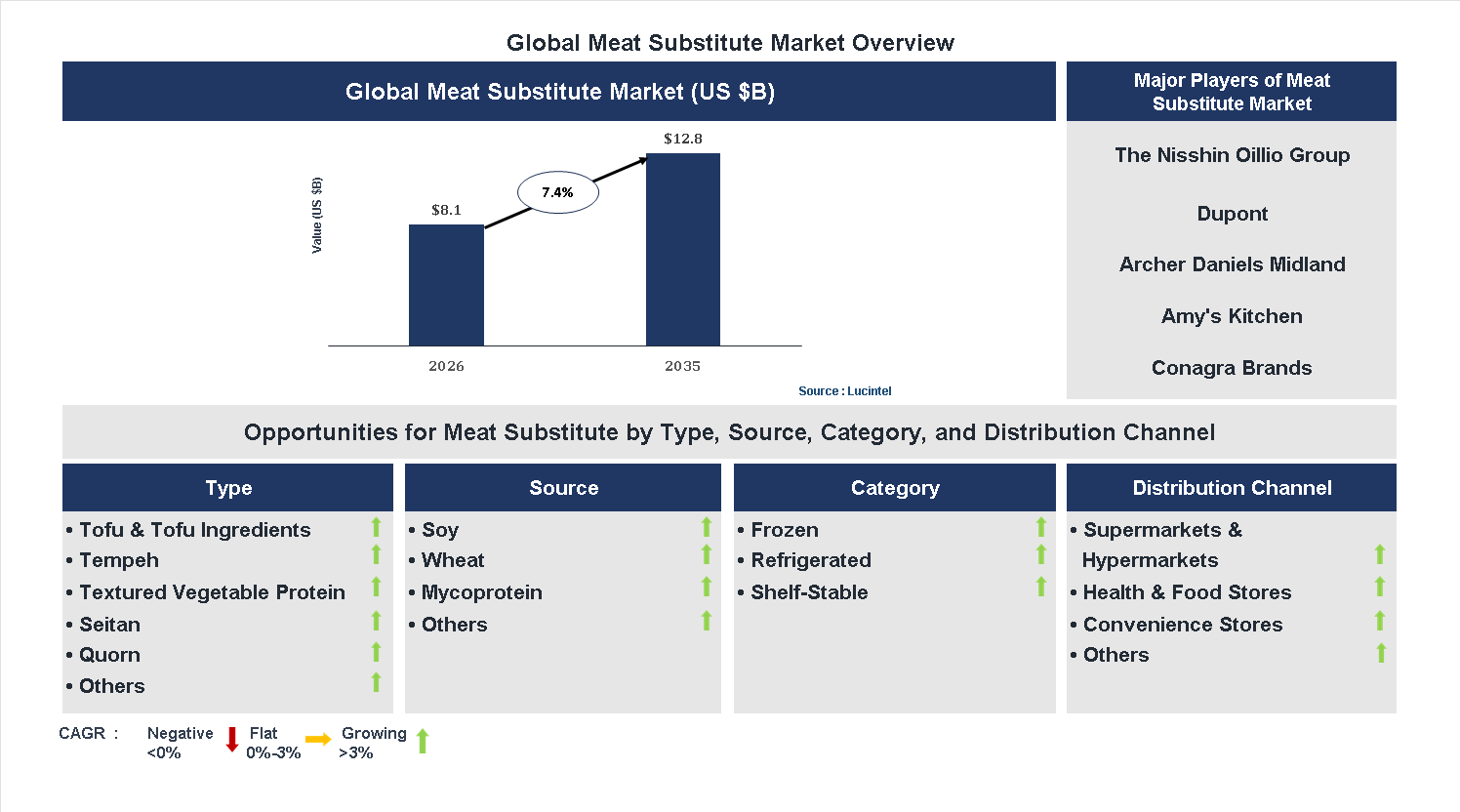
Key data points: The market size in 2035 = $12.8 billion, growth forecast = 7.4% annually for the next 8 years. Scroll below to get more insights. This market report covers trends, opportunities and forecasts in meat substitute market to 2035 by type (tofu & tofu ingredients, tempeh, textured vegetable protein, seitan, quorn, and others), source (soy, wheat, mycoprotein, and others), category (frozen, refrigerated, and shelf-stable), distribution channel (supermarkets & hypermarkets, health & food stores, convenience stores, and others), and region (North America, Europe, Asia Pacific, and the Rest of the World)
We'll send your sample report shortly.
• Lucintel forecasts that, within the type category, tofu & tofu ingredient is expected to witness the highest growth over the forecast period.
• Within the distribution channel category, soy is expected to witness the highest growth.
• In terms of region, APAC is expected to witness the highest growth over the forecast period. Gain valuable insights for your business decisions with our comprehensive 150+ page report. Sample figures with some insights are shown below.
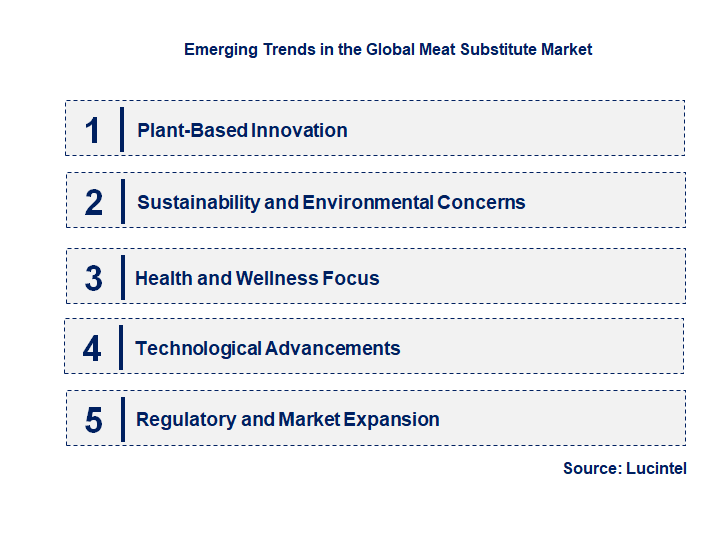
• Plant-Based Innovation: The development of new plant-based ingredients and products is transforming the market. Companies are investing in research to create more realistic meat textures and flavors, making substitutes more appealing. This innovation enhances consumer acceptance and broadens product offerings, from burgers to sausages. The focus on clean-label, minimally processed ingredients is also gaining importance, aligning with health-conscious trends. As a result, plant-based innovations are driving market growth and encouraging traditional meat consumers to explore alternatives.
• Sustainability and Environmental Concerns: Consumers are increasingly aware of the environmental impact of meat production, such as greenhouse gas emissions, water usage, and deforestation. This awareness is fueling demand for sustainable meat substitutes that have a lower ecological footprint. Companies are adopting eco-friendly sourcing, sustainable packaging, and transparent supply chains to appeal to environmentally conscious buyers. These efforts not only improve brand reputation but also influence purchasing decisions, making sustainability a key differentiator in the market.
• Health and Wellness Focus: The rising health consciousness among consumers is a significant trend shaping the market. Many seek meat substitutes that are low in saturated fats, cholesterol, and artificial additives. Functional ingredients, such as added vitamins, minerals, and probiotics, are being incorporated to enhance nutritional profiles. This focus on health benefits is expanding the consumer base beyond vegetarians and vegans to include flexitarians and health-conscious omnivores, thereby increasing market penetration and product diversity.
• Technological Advancements: Cutting-edge technologies like 3D printing, cellular agriculture, and fermentation are revolutionizing meat substitute production. These innovations enable the creation of more realistic textures, flavors, and nutritional profiles. Cellular agriculture, in particular, offers the potential for lab-grown meat that mimics traditional meat without animal slaughter. Such technological progress is reducing production costs and improving scalability, making high-quality meat substitutes more accessible and appealing to mainstream consumers.
• Regulatory and Market Expansion: Governments and regulatory bodies are establishing guidelines and standards for plant-based and lab-grown meat products, fostering consumer trust. Additionally, emerging markets in Asia, Latin America, and Africa are witnessing increased adoption due to rising disposable incomes and changing dietary habits. International trade agreements and investments are facilitating market expansion, while marketing campaigns are raising awareness. These regulatory and geographic developments are broadening the market scope and accelerating growth trajectories across diverse regions. These trends are collectively reshaping the meat substitute market by fostering innovation, emphasizing sustainability, prioritizing health, leveraging technology, and expanding globally. They are driving increased consumer acceptance, diversifying product portfolios, and creating new opportunities for industry stakeholders. As these developments continue, the market is poised for sustained growth and transformation, aligning with broader societal shifts toward healthier, more sustainable, and ethically produced food options.
• Growing Consumer Demand for Plant-Based Proteins: The rising awareness of health benefits and environmental impact is boosting demand for plant-based meat substitutes. Consumers are increasingly seeking nutritious, sustainable, and ethical food options, leading to a surge in product innovation and sales. This trend is expanding market reach across demographics and regions, encouraging companies to develop diverse, appealing products that cater to various dietary preferences. The increased demand is also prompting investments in marketing and branding strategies to attract a broader consumer base.
• Technological Innovations in Product Development: Advances in food technology are enabling the creation of more realistic, flavorful, and nutritious meat alternatives. Techniques such as cell-based cultivation, fermentation, and plant protein extraction are improving product texture and taste. These innovations are enhancing consumer acceptance and expanding product portfolios. As technology continues to evolve, the market is expected to see more sophisticated offerings, including lab-grown meats and personalized nutrition options, which will further drive growth and competitiveness in the industry.
• Expansion of Distribution Channels and Retail Presence: The increasing availability of meat substitutes across supermarkets, convenience stores, and online platforms is broadening consumer access. Strategic partnerships and collaborations with major retailers are facilitating wider product placement and visibility. E-commerce channels are also playing a crucial role in reaching niche markets and health-conscious consumers. This expansion is making plant-based options more mainstream, encouraging trial and adoption, and supporting sustained market growth.
• Rising Environmental and Ethical Concerns: Consumers are increasingly motivated by the environmental footprint of traditional meat production, including greenhouse gas emissions, water usage, and deforestation. Ethical considerations regarding animal welfare are also influencing purchasing decisions. These concerns are driving demand for sustainable, cruelty-free meat alternatives. Companies are responding by emphasizing eco-friendly practices and transparent sourcing, which enhances brand loyalty and appeals to environmentally conscious consumers, thereby fueling market expansion.
• Increasing Investment and Strategic Partnerships: The market is witnessing substantial investments from venture capitalists, food conglomerates, and startups focused on innovative meat substitute technologies. Strategic alliances are facilitating product development, marketing, and distribution expansion. These investments are accelerating research, reducing costs, and improving product quality. As a result, the industry is attracting more players, fostering competition, and driving innovation, which collectively contribute to the rapid growth and diversification of the meat substitute market. The overall impact of these developments is significantly transforming the meat substitute market, making it more innovative, accessible, and sustainable. Consumer preferences are shifting towards healthier and eco-friendly options, prompting companies to invest in advanced technologies and expand distribution. This dynamic environment is fostering market growth, increasing product diversity, and positioning plant-based alternatives as mainstream choices, ultimately reshaping the future of food consumption worldwide.
• Expanding Plant-Based Protein Offerings to Capture Health-Conscious Consumers: Developing diverse, high-quality plant-based proteins tailored to various dietary needs can attract health-conscious consumers. Innovations in texture, flavor, and nutritional content will enhance product appeal, encouraging more consumers to replace traditional meat with plant-based options. Strategic investments in R&D and marketing can position brands as leaders in health-focused meat substitutes, driving market growth and consumer loyalty.
• Leveraging Sustainable and Eco-Friendly Packaging Solutions: Implementing environmentally sustainable packaging can appeal to eco-conscious buyers and differentiate brands in a competitive market. Using biodegradable, recyclable, or minimal packaging reduces environmental impact and aligns with consumer values. This approach not only enhances brand reputation but also meets regulatory requirements, fostering long-term customer loyalty and expanding market share among environmentally aware demographics.
• Expanding Distribution Channels Through E-Commerce and Retail Partnerships: Strengthening online presence and forming strategic retail alliances can increase product accessibility and convenience for consumers. E-commerce platforms enable direct-to-consumer sales, broadening reach beyond traditional outlets. Collaborations with supermarkets, specialty stores, and foodservice providers facilitate wider product availability, catering to the growing demand for meat substitutes and accelerating market penetration.
• Innovating with Functional and Fortified Meat Substitute Products: Incorporating functional ingredients such as vitamins, minerals, and probiotics into meat substitutes can meet consumer demand for health benefits. Fortified products appeal to nutrition-conscious buyers and those with specific dietary requirements. Continuous innovation in this area can differentiate brands, increase consumer engagement, and expand market share by offering value-added, health-oriented options.
• Investing in Regional Market Development and Localization Strategies: Tailoring products to regional tastes, dietary preferences, and cultural considerations can enhance acceptance and adoption across diverse markets. Localized marketing campaigns and product formulations can address specific consumer needs, fostering brand loyalty. Expanding into emerging markets with tailored strategies offers significant growth potential and helps establish a strong global presence for meat substitute companies. The overall impact of these opportunities will significantly accelerate market growth, diversify product offerings, and strengthen competitive positioning. Companies that strategically capitalize on these areas can better meet evolving consumer demands, enhance sustainability efforts, and expand their global footprint, ensuring long-term success in the dynamic meat substitute industry.
• Increasing Consumer Preference for Plant-Based Diets: The rising awareness of health benefits, ethical considerations, and environmental impacts has led consumers to shift towards plant-based diets. This shift is supported by a growing number of vegan, vegetarian, and flexitarian consumers seeking alternatives to traditional meat. As a result, demand for meat substitutes has increased significantly, encouraging innovation and expansion within the market. The availability of diverse, tasty, and affordable options further fuels this trend, making plant-based products more mainstream and accessible.
• Technological Innovations in Food Processing: Advances in food technology have played a crucial role in developing meat substitutes that closely mimic the texture, flavor, and appearance of real meat. Techniques such as extrusion, fermentation, and 3D printing enable manufacturers to create more realistic products, appealing to a broader consumer base. These innovations also improve shelf life, nutritional content, and production efficiency, reducing costs and increasing scalability. As technology continues to evolve, the quality and variety of meat substitutes are expected to improve, further driving market growth.
• Environmental Sustainability and Climate Change Concerns: Growing awareness of the environmental impact of traditional livestock farming, including greenhouse gas emissions, water usage, and deforestation, has motivated consumers and governments to seek sustainable alternatives. Meat substitutes offer a lower-carbon footprint and a resource-efficient option, aligning with global efforts to combat climate change. This environmental motivation influences policy support, corporate sustainability initiatives, and consumer purchasing decisions, thereby propelling the market forward as a sustainable food solution.
• Economic Factors and Rising Meat Prices: The increasing cost of traditional meat due to supply chain disruptions, inflation, and resource scarcity makes meat substitutes a more economical choice for consumers. As meat prices continue to rise, consumers look for affordable alternatives that do not compromise on taste or nutrition. Additionally, the growing affordability of plant-based products, driven by economies of scale and technological improvements, makes meat substitutes more accessible to a wider demographic, further expanding the market.
• Growing Urbanization and Changing Lifestyles: Urbanization leads to busier lifestyles, prompting consumers to seek convenient, quick, and healthy food options. Meat substitutes often come in ready-to-eat or easy-to-prepare formats, fitting well into modern, fast-paced routines. The increasing presence of plant-based products in supermarkets, restaurants, and fast-food chains caters to this demand. Urban consumers are also more exposed to global food trends and sustainability issues, reinforcing their preference for meat alternatives and supporting market expansion. The challenges facing the meat substitute market include:-
• Regulatory and Labeling Uncertainties: The lack of standardized regulations and clear labeling guidelines for meat substitutes creates market ambiguity. Different countries have varying standards regarding ingredients, health claims, and environmental disclosures, which can hinder international trade and consumer trust. Regulatory hurdles may delay product approvals, increase compliance costs, and restrict innovation. Ensuring transparency and establishing uniform standards are essential to foster consumer confidence and facilitate market growth.
• Consumer Acceptance and Perception Barriers: Despite growing interest, some consumers remain skeptical about the taste, texture, and nutritional value of meat substitutes. Cultural preferences, ingrained meat-eating habits, and misconceptions about plant-based products pose barriers to widespread adoption. Overcoming these perceptions requires continuous product innovation, effective marketing, and education campaigns to demonstrate the benefits and quality of meat substitutes, which can be resource-intensive and time-consuming.
• Supply Chain and Ingredient Sourcing Challenges: The production of high-quality meat substitutes depends on a reliable supply of raw materials such as soy, peas, and other plant proteins. Fluctuations in raw material availability, price volatility, and sustainability concerns related to sourcing can disrupt supply chains. Additionally, ensuring consistent quality and safety standards across different regions poses logistical challenges. Addressing these issues is vital for maintaining product availability, controlling costs, and meeting consumer demand. The meat substitute market is driven by technological progress, environmental concerns, changing consumer preferences, and economic factors. However, regulatory uncertainties, consumer perception issues, and supply chain complexities present significant hurdles. These drivers and challenges collectively shape the market’s evolution, requiring stakeholders to innovate, adapt, and collaborate to capitalize on growth opportunities while addressing obstacles. The overall impact is a dynamic, rapidly evolving industry poised for continued expansion amid ongoing technological and societal shifts.
• The Nisshin Oillio Group
• Dupont
• Archer Daniels Midland
• Amys Kitchen
• Conagra Brands
• Quorn Foods
• Cauldron Foods
• Campbell Soup Company
• VBites Foods
• Blue Chip Group
• Tofu & Tofu Ingredients
• Tempeh
• Textured Vegetable Protein
• Seitan
• Quorn
• Others
• Soy
• Wheat
• Mycoprotein
• Others
• Frozen
• Refrigerated
• Shelf-Stable
• Supermarkets & Hypermarkets
• Health & Food Stores
• Convenience Stores
• Others
• North America
• Europe
• Asia Pacific
• The Rest of the World
• United States: The US market has seen significant innovation with the launch of new plant-based products by major brands like Beyond Meat and Impossible Foods. Consumer interest in health and sustainability has driven increased sales, especially among younger demographics. Investment in lab-grown meat startups has also surged, with several companies achieving regulatory milestones. Retail chains are expanding plant-based options, and foodservice providers are incorporating meat substitutes into menus. Additionally, government initiatives promote sustainable food production, further supporting industry growth.
• China: China’s meat substitute market is rapidly expanding, fueled by urbanization and rising middle-class demand for healthier, sustainable foods. Local companies are developing affordable plant-based products tailored to Chinese tastes, such as soy-based and pea protein options. The government encourages plant-based diets to reduce environmental impact and improve food security. International brands are entering the market through partnerships and joint ventures, increasing product availability. E-commerce platforms facilitate widespread distribution, and consumer awareness campaigns promote plant-based eating as a lifestyle choice.
• Germany: Germany has become a leading European market for meat substitutes, with a strong focus on organic and sustainable products. Consumer preferences favor clean-label, minimally processed options, prompting brands to innovate with natural ingredients. The market benefits from supportive policies promoting plant-based diets and environmental sustainability. Major retailers are expanding their plant-based ranges, and local startups are gaining recognition for innovative products. The vegan movement is influential, and food festivals showcase new developments. Research institutions collaborate with industry players to develop novel protein sources, bolstering Germany’s position as a market leader.
• India: India’s meat substitute market is growing, driven by vegetarian and vegan populations, religious dietary practices, and increasing health consciousness. Traditional plant-based proteins like lentils and soy are being reformulated into convenient, tasty products. Startups are innovating with indigenous ingredients such as millet and chickpeas to cater to local tastes. The government promotes plant-based diets for environmental and health benefits, supporting industry expansion. E-commerce and organized retail are making meat substitutes more accessible. The market is also witnessing collaborations between local companies and international brands to develop culturally relevant products.
• Japan: Japan’s market for meat substitutes is characterized by a focus on high-quality, innovative products that align with local culinary preferences. Companies are developing plant-based options that mimic traditional Japanese flavors, such as soy-based and mushroom-based products. The aging population and declining meat consumption have spurred demand for healthy, convenient alternatives. The government supports plant-based initiatives as part of its sustainability goals. Retailers and restaurants are increasingly offering meat substitute dishes, and research institutions are exploring novel protein sources like algae and insects. Japan’s emphasis on quality and innovation positions it as a key player in the global meat substitute industry.


• The Nisshin Oillio Group
• Dupont
• Archer Daniels Midland
• Amys Kitchen
• Conagra Brands
• Quorn Foods
• Cauldron Foods
• Campbell Soup Company
• VBites Foods
• Blue Chip Group Q6. Which meat substitute market segment will be the largest in future? Answer: Lucintel forecasts that, within the type category, tofu & tofu ingredient is expected to witness the highest growth over the forecast period. Q7. In meat substitute market, which region is expected to be the largest in next 5 years? Answer: In terms of region, APAC is expected to witness the highest growth over the forecast period. Q8. Do we receive customization in this report? Answer: Yes, Lucintel provides 10% customization without any additional cost.


Choose a license that fits your team. Instant PDF delivery.
Prices exclude taxes. Instant delivery. Custom licensing available on request.
Market Report · July 22, 2026
Market Report · July 22, 2026
Market Report · July 22, 2026
Trusted partner for strategic intelligence and business growth


Receive a complimentary market analysis tailored to your industry. Our analysts will identify key growth opportunities and competitive dynamics specific to your business.

Market size, growth rate, and key trend analysis for your specific sector.

Top competitor positioning and market share analysis.

Strategic recommendations backed by data-driven insights.
Get curated market intelligence and competitive moves straight to your inbox.
By subscribing, you agree to receive our monthly insights. Unsubscribe anytime.
Receive a complimentary market analysis tailored to your industry. Our analysts will identify key growth opportunities and competitive dynamics specific to your business.
Market size, growth rate, and key trend analysis for your specific sector.
Top competitor positioning and market share analysis.
Strategic recommendations backed by data-driven insights.
Get curated market intelligence, emerging trends, and competitive moves straight to your inbox each month.
By subscribing, you agree to receive our monthly insights. Unsubscribe anytime.
We'll send your sample report shortly.