
Market Report · July 22, 2026

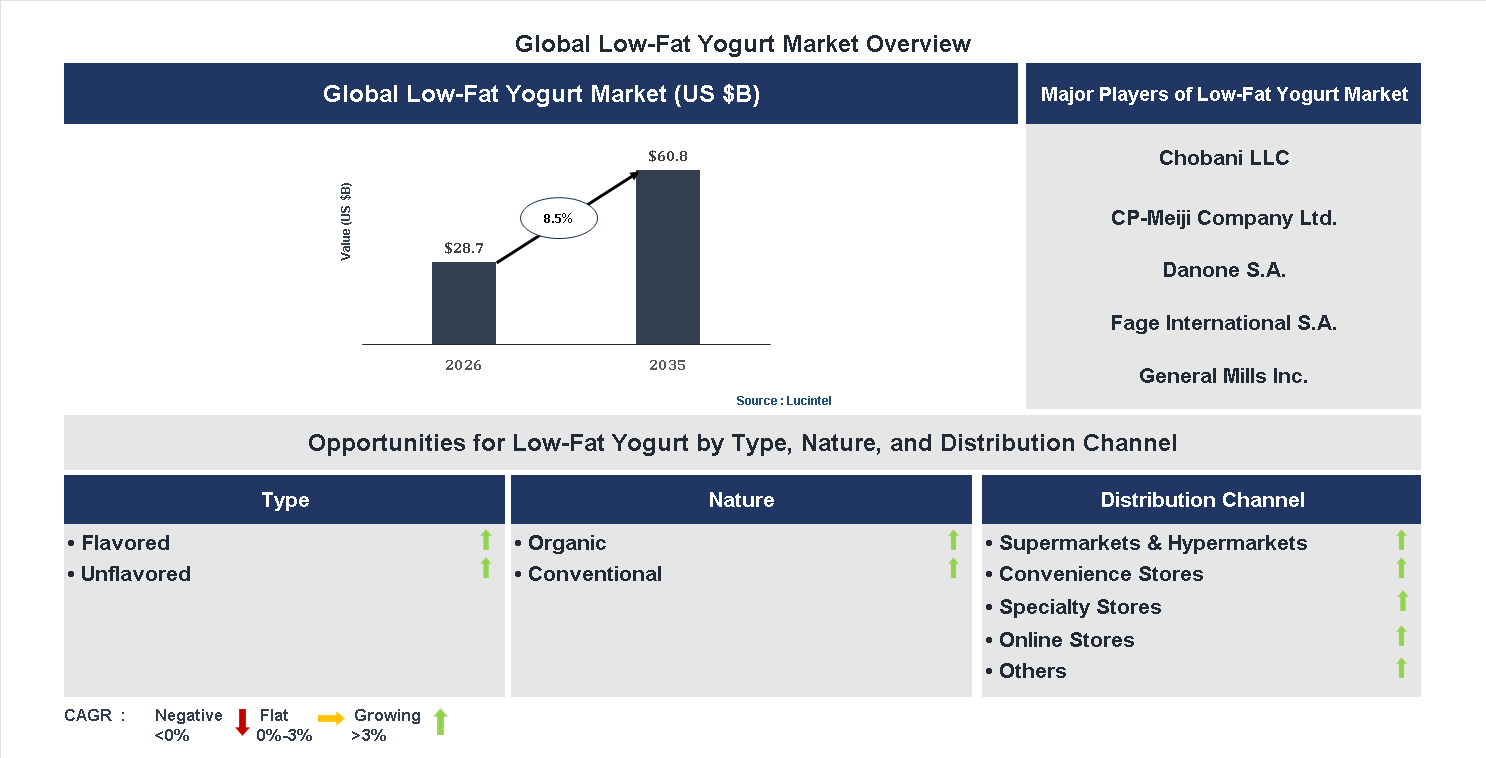
Key data points: The market size in 2035 = $60.8 billion, growth forecast = 8.5% annually for the next 8 years. Scroll below to get more insights. This market report covers trends, opportunities and forecasts in low-fat yogurt market to 2035 by type (flavored and unflavored), nature (organic and conventional), distribution channel (supermarkets & hypermarkets, convenience stores, specialty stores, online stores, and others), and region (North America, Europe, Asia Pacific, and the Rest of the World)
We'll send your sample report shortly.
• Lucintel forecasts that, within the type category, flavored is expected to witness higher growth over the forecast period.
• Within the distribution channel category, supermarket & hypermarket is expected to witness the highest growth.
• In terms of region, APAC is expected to witness the highest growth over the forecast period. Gain valuable insights for your business decisions with our comprehensive 150+ page report. Sample figures with some insights are shown below.
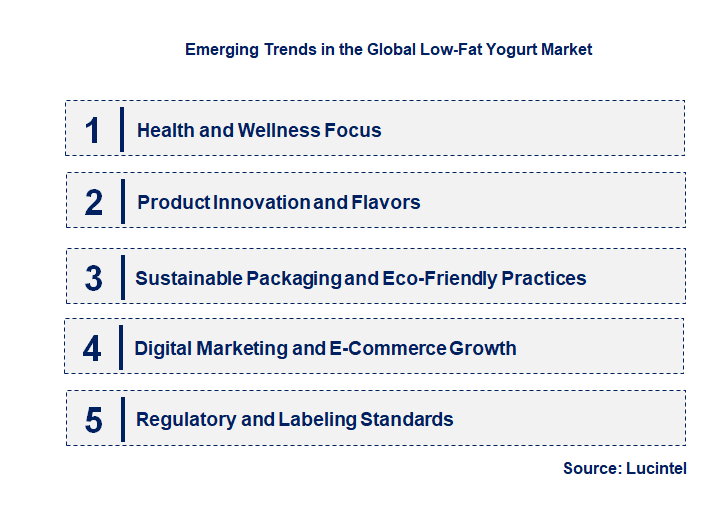
• Health and Wellness Focus: Consumers are increasingly prioritizing health and wellness, leading to a surge in demand for low-fat, high-protein, and probiotic-rich yogurts. This trend is driven by rising awareness of obesity, heart health, and digestive health benefits, prompting manufacturers to develop products that cater to these needs. As a result, the market is witnessing a shift towards functional foods that offer added health benefits, encouraging innovation and product differentiation.
• Product Innovation and Flavors: To attract a broader consumer base, companies are introducing innovative flavors, textures, and formulations in low-fat yogurt products. This includes plant-based options, dairy-free alternatives, and fortified varieties with added vitamins and minerals. Such innovations enhance consumer appeal and help brands stand out in a competitive market, driving sales and expanding market share.
• Sustainable Packaging and Eco-Friendly Practices: Environmental concerns are influencing consumer preferences, prompting brands to adopt sustainable packaging solutions such as biodegradable containers and recyclable materials. Companies are also implementing eco-friendly manufacturing processes to reduce carbon footprints. These initiatives resonate with environmentally conscious consumers, strengthening brand loyalty and positioning companies as responsible market leaders.
• Digital Marketing and E-Commerce Growth: The rise of digital platforms and e-commerce channels is transforming how low-fat yogurt products are marketed and sold. Brands are leveraging social media, influencer collaborations, and online advertising to reach targeted audiences effectively. E-commerce provides convenience and wider accessibility, especially during the pandemic, boosting sales and enabling brands to gather valuable consumer data for personalized marketing strategies.
• Regulatory and Labeling Standards: Increasing regulatory scrutiny and the demand for transparency are shaping product development and marketing strategies. Clear labeling of nutritional content, health claims, and ingredient sourcing is becoming essential to build consumer trust. Compliance with evolving standards ensures market access and enhances brand credibility, influencing product formulation and marketing approaches. These emerging trends are collectively reshaping the low-fat yogurt market by fostering innovation, emphasizing sustainability, leveraging digital channels, and prioritizing consumer health and transparency. This evolution is creating a more dynamic, competitive, and consumer-centric market landscape, offering new opportunities for growth and differentiation.
• Growing Consumer Health Awareness: Increased focus on health and wellness has led consumers to prefer low-fat, high-protein dairy options, boosting demand for low fat yogurt. This trend encourages product innovation and diversification, attracting health-conscious buyers. As consumers become more informed about nutrition, they seek products that align with their wellness goals, driving market expansion and encouraging brands to develop targeted marketing campaigns.
• Product Innovation and Flavored Varieties: Manufacturers are introducing innovative flavors and functional ingredients to differentiate their products. This diversification appeals to a broader consumer base, including those seeking added health benefits like probiotics or vitamins. Enhanced flavor profiles and functional options increase consumer engagement and loyalty, fostering market growth. The trend also encourages R&D investments, leading to a wider array of appealing low fat yogurt options.
• Expansion in Emerging Markets: Rising disposable incomes and urbanization in developing countries are expanding the low-fat yogurt market. These regions show increasing awareness of health benefits associated with low-fat dairy products, creating new growth opportunities. Companies are entering these markets through strategic partnerships and localized marketing, which boosts sales and market penetration. This expansion is vital for global industry growth and diversification.
• Technological Advancements in Production: Innovations in manufacturing processes, such as improved fermentation techniques and packaging, enhance product quality and shelf life. These advancements reduce costs and improve product consistency, making low fat yogurt more accessible and appealing. Enhanced production efficiency supports larger scale distribution and meets rising demand, strengthening market competitiveness and enabling brands to offer better products at competitive prices.
• E-commerce and Digital Marketing Strategies: The rise of online retail platforms and targeted digital marketing has expanded consumer reach and convenience. E-commerce allows brands to directly connect with health-conscious consumers, offering personalized options and promotions. Digital campaigns increase brand visibility and consumer engagement, accelerating sales growth. This shift in distribution channels is transforming traditional retail models and providing new avenues for market expansion. The overall impact of these developments is a dynamic, expanding low-fat yogurt market characterized by innovation, increased accessibility, and targeted marketing. These opportunities are driving growth, attracting new consumers, and fostering competitive differentiation. As a result, the industry is poised for sustained expansion, with brands leveraging technological, geographical, and consumer trend advantages to strengthen their market positions.
• Expanding Product Varieties To Meet Consumer Preferences: The market is witnessing an increase in diverse low fat yogurt flavors, textures, and formulations to cater to different taste preferences and dietary needs. Innovations include plant-based options, probiotic-rich varieties, and organic products, attracting a broader consumer base. Companies are investing in R&D to develop unique products that stand out on shelves, thereby boosting sales and market penetration.
• Growing Health Consciousness Driving Demand For Low Fat Options: Rising awareness about obesity, heart health, and diabetes is fueling demand for low fat yogurt as a healthy snack alternative. Consumers are actively seeking products with reduced fat content, natural ingredients, and added health benefits like probiotics. This trend encourages brands to emphasize nutritional benefits and transparent labeling, fostering consumer trust and loyalty.
• Strategic Collaborations And Partnerships To Expand Market Reach: Companies are forming alliances with retailers, health organizations, and ingredient suppliers to enhance distribution channels and product visibility. Collaborations with fitness centers and wellness programs help target health-conscious consumers directly. These strategic partnerships facilitate market expansion, improve supply chain efficiency, and enable co-branding opportunities that strengthen brand presence.
• Adoption of Sustainable Packaging to Appeal Eco-Conscious Consumers: Environmental concerns are prompting brands to adopt eco-friendly packaging solutions such as biodegradable containers and recyclable materials. Sustainable packaging not only reduces environmental impact but also appeals to eco-conscious buyers, enhancing brand reputation. Companies investing in green initiatives are gaining competitive advantage and aligning with global sustainability goals, which can influence purchasing decisions favorably.
• Leveraging Digital Marketing and E-Commerce Platforms for Growth: The rise of online shopping and digital marketing enables brands to reach a wider audience efficiently. Social media campaigns, influencer collaborations, and targeted advertising help promote low-fat yogurt products directly to consumers. E-commerce platforms facilitate convenient purchasing, subscription models, and personalized offers, accelerating sales growth and market penetration in both developed and emerging regions. These strategic growth opportunities are poised to significantly influence the low-fat yogurt market by expanding product offerings, enhancing consumer engagement, and emphasizing sustainability. Embracing innovation, strategic partnerships, and digital channels will enable market players to capitalize on evolving consumer preferences and achieve sustained growth in a competitive landscape.
• Increasing Health Consciousness: Consumers are becoming more aware of the health benefits associated with low-fat diets, leading to higher demand for low-fat yogurt options. This trend is driven by rising obesity rates, lifestyle diseases, and a focus on wellness, prompting manufacturers to innovate and expand their product lines to cater to health-conscious consumers. The shift towards healthier eating habits has significantly boosted market growth, encouraging product diversification and marketing strategies centered on health benefits.
• Technological Advancements in Production: Innovations in fermentation, filtration, and packaging technologies have improved the quality, shelf life, and flavor of low-fat yogurt products. These advancements enable manufacturers to produce consistent, high-quality products at scale, reducing costs and waste. Enhanced processing techniques also allow for the development of new flavors and textures, appealing to a broader consumer base. As technology continues to evolve, it will further streamline production processes and support the creation of innovative low-fat dairy products.
• Rising Disposable Income and Urbanization: Increased disposable income levels, especially in emerging economies, have expanded consumer access to a variety of dairy products, including low-fat yogurt. Urbanization has led to busier lifestyles, prompting consumers to seek convenient, healthy snack options. This economic shift has resulted in higher demand for ready-to-eat, portable low-fat yogurt products, fueling market expansion. The growing middle class and urban populations are key drivers of sustained growth in this sector.
• Regulatory Frameworks and Food Labeling Standards: Governments and regulatory bodies are implementing stricter standards related to food safety, labeling, and nutritional information. These regulations ensure consumer protection but also require manufacturers to adapt their formulations and marketing practices. Compliance with these standards can increase production costs but also enhance consumer trust and product credibility. Navigating regulatory landscapes is crucial for market players aiming to expand globally and maintain a competitive advantage.
• Growing Preference for Organic and Natural Products: Consumers are increasingly seeking organic, non-GMO, and natural ingredients in their food choices. This trend influences the low-fat yogurt market by encouraging the development of organic and clean-label products. Manufacturers are investing in organic certifications and transparent sourcing to meet these demands. The preference for natural products not only boosts sales but also pushes innovation towards healthier, minimally processed options, shaping the future landscape of the market. The challenges in the low-fat yogurt market are:
• Intense Competition and Market Saturation: The market faces stiff competition from established brands and new entrants offering similar low-fat dairy products. This saturation makes it difficult for companies to differentiate their offerings, leading to price wars and reduced profit margins. Additionally, innovation cycles are rapid, requiring continuous investment in product development and marketing to maintain market share. Competitive pressures also limit pricing flexibility, impacting overall profitability and market growth potential.
• Consumer Perception and Taste Preferences: Despite health benefits, some consumers perceive low-fat yogurt as less flavorful or less satisfying compared to full-fat alternatives. Achieving the right balance between health and taste remains a challenge for manufacturers. Negative perceptions or taste preferences can hinder adoption, especially in regions where traditional dairy flavors dominate. Overcoming these barriers requires investment in flavor enhancement and consumer education to shift perceptions and increase acceptance.
• Regulatory and Supply Chain Disruptions: Stringent regulations related to food safety, labeling, and organic certification can pose compliance challenges and increase operational costs. Additionally, disruptions in the supply chain, such as raw material shortages or logistical issues, can impact production schedules and product availability. These factors can lead to increased costs and reduced market responsiveness, especially during global crises or trade restrictions, thereby affecting overall market stability and growth prospects. The low-fat yogurt market is driven by health consciousness, technological innovations, economic growth, regulatory standards, and consumer preferences for natural products. However, it faces challenges from intense competition, taste perception issues, and regulatory and supply chain disruptions. These factors collectively influence market dynamics, requiring companies to innovate, adapt, and strategically navigate the evolving landscape. The overall impact is a market with significant growth potential, provided players effectively address the challenges and leverage the drivers to meet consumer demands.
• Chobani LLC
• CP-Meiji Company Ltd.
• Danone S.A.
• Fage International S.A.
• General Mills Inc.
• Juhayna Food Industries
• Lausanne Dairies
• Muller UK & Ireland Group
• Nestlé S.A.
• Parmalat S.p.A.
• Flavored
• Unflavored
• Organic
• Conventional
• Supermarkets & Hypermarkets
• Convenience Stores
• Specialty Stores
• Online Stores
• Others
• North America
• Europe
• Asia Pacific
• The Rest of the World
• United States: The US low-fat yogurt market has seen a surge in organic and plant-based options, driven by health trends and vegan preferences. Major brands are launching probiotic-rich products to promote gut health, and there is a growing demand for convenient, on-the-go packaging. Innovations include functional yogurts with added vitamins and minerals, catering to fitness-conscious consumers. Retailers are expanding shelf space for specialty and premium products, reflecting a shift towards personalized nutrition. E-commerce sales are also rising, facilitating wider access to diverse product ranges.
• China: In China, the low-fat yogurt market is expanding rapidly due to increasing health awareness and urbanization. Domestic brands are investing in product innovation, including flavored and functional yogurts targeting specific health benefits like immunity and digestion. The popularity of probiotic and fermented products is growing, supported by government initiatives promoting dairy consumption. Retail channels are diversifying, with online platforms gaining prominence. International brands are entering the market, leveraging local preferences and offering customized products. The market is also witnessing a trend towards organic and clean-label products.
• Germany: Germanys low-fat yogurt market is characterized by a strong preference for organic and sustainably produced products. Consumers are increasingly seeking products with natural ingredients and minimal additives. Innovations include lactose-free and plant-based low fat yogurts to cater to dietary restrictions and vegan lifestyles. Retailers are emphasizing transparency and quality certifications to build consumer trust. The market is also witnessing a rise in functional yogurts with added probiotics and fiber. Sustainability practices, such as eco-friendly packaging, are gaining importance among German consumers, influencing product development and marketing strategies.
• India: The Indian low-fat yogurt market is experiencing rapid growth due to rising health consciousness and urbanization. Local brands are introducing flavored and fortified yogurts to appeal to diverse tastes and nutritional needs. There is a significant shift towards probiotic and functional yogurts that support immunity and digestion. The market is driven by the increasing penetration of organized retail and e-commerce platforms. Consumers are showing a preference for natural, preservative-free products, prompting brands to focus on clean-label offerings. Additionally, government initiatives promoting dairy consumption are positively impacting market expansion.
• Japan: Japans low-fat yogurt market is characterized by a focus on health benefits and functional ingredients. Consumers prefer products with added probiotics, vitamins, and minerals to support aging populations and overall wellness. Innovative flavors and packaging are tailored to local tastes and convenience. The market is also seeing a rise in plant-based and organic options, aligning with global health trends. Retail channels include convenience stores and online platforms, facilitating easy access. Brands are emphasizing product transparency and quality, with a growing interest in sustainable and eco-friendly packaging solutions.


• Chobani LLC
• CP-Meiji Company Ltd.
• Danone S.A.
• Fage International S.A.
• General Mills Inc.
• Juhayna Food Industries
• Lausanne Dairies
• Muller UK & Ireland Group
• Nestlé S.A.
• Parmalat S.p.A. Q6. Which low-fat yogurt market segment will be the largest in future? Answer: Lucintel forecasts that, within the type category, flavored is expected to witness higher growth over the forecast period. Q7. In low-fat yogurt market, which region is expected to be the largest in next 5 years? Answer: In terms of region, APAC is expected to witness the highest growth over the forecast period. Q8. Do we receive customization in this report? Answer: Yes, Lucintel provides 10% customization without any additional cost.


Choose a license that fits your team. Instant PDF delivery.
Prices exclude taxes. Instant delivery. Custom licensing available on request.
Market Report · July 22, 2026
Market Report · July 22, 2026
Market Report · July 22, 2026
Trusted partner for strategic intelligence and business growth


Receive a complimentary market analysis tailored to your industry. Our analysts will identify key growth opportunities and competitive dynamics specific to your business.

Market size, growth rate, and key trend analysis for your specific sector.

Top competitor positioning and market share analysis.

Strategic recommendations backed by data-driven insights.
Get curated market intelligence and competitive moves straight to your inbox.
By subscribing, you agree to receive our monthly insights. Unsubscribe anytime.
Receive a complimentary market analysis tailored to your industry. Our analysts will identify key growth opportunities and competitive dynamics specific to your business.
Market size, growth rate, and key trend analysis for your specific sector.
Top competitor positioning and market share analysis.
Strategic recommendations backed by data-driven insights.
Get curated market intelligence, emerging trends, and competitive moves straight to your inbox each month.
By subscribing, you agree to receive our monthly insights. Unsubscribe anytime.
We'll send your sample report shortly.