
Market Report · July 22, 2026

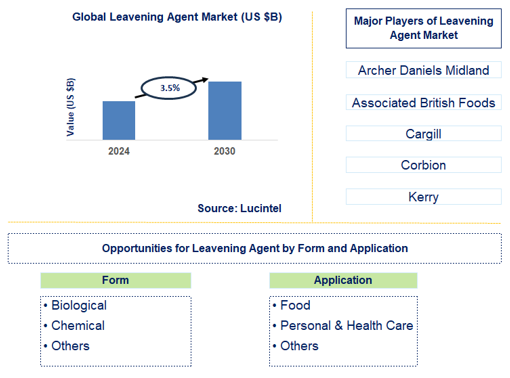
Key data points: The growth forecast = 3.5% annually for the next 6 years. Scroll below to get more insights. This market report covers trends, opportunities, and forecast in the global leavening agent market to 2030 by form (biological, chemical, and others), application (food, personal & health care, and others), and region (North America, Europe, Asia Pacific, and the Rest of the World)
We'll send your sample report shortly.
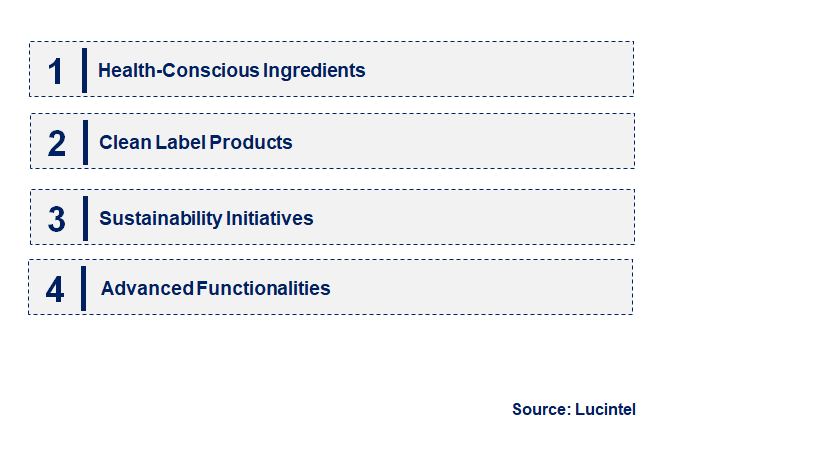
• Health-Conscious Ingredients: There is a growing focus on health-conscious raising agents, such as low-sodium and gluten-free options. As people become increasingly aware of their diets, there has been a rise in the development of leavening agents that cater to these needs. This trend toward healthy eating has led to innovations in formulations and an expanded market size.
• Clean Label Products: The increased demand for clean-label products has led manufacturers to create leavening agents with natural, recognizable components. Clean label trends advocate for transparency and gentle processing, fostering consumer trust and aligning with health and wellness trends, also known as naturalistic nutrition.
• Sustainability Initiatives: Environmental concerns are driving the growth of eco-friendly and sustainable leavening agents. Companies are focusing on reducing their carbon footprint, using renewable materials, and adopting green manufacturing practices that meet regulatory requirements and consumer demands for sustainability.
• Advanced Functionalities: The market is seeing innovations in leavening agents that improve functionality, such as better performance under various baking conditions and extended shelf life. These innovations respond to the changing food industry, meeting its dynamic requirements for consistency and efficiency in production. These trends are reshaping the leavening agent market by promoting natural ingredients, improving production efficiency, and emphasizing sustainability. The shift towards health-conscious formulations and expansion into emerging markets are driving innovation and growth, influencing the future direction of the industry.
• Increased Use of Natural Ingredients: Manufacturers are increasingly incorporating natural leavening agents, including plant-based options, to cater to health-conscious consumers. These natural ingredients also provide a competitive advantage for manufacturers looking to align with clean label trends. The growing demand for healthier and environmentally friendly products drives this move.
• Technological Advancements in Production: New technologies, such as advanced mixing and granulation techniques, have improved the consistency and performance of leavening agents. These technological improvements allow better control over the dough rising process, resulting in higher-quality products that deliver reliable results for both industrial and consumer applications.
• Expansion of Application Areas: There is a growing trend to use leavening agents beyond traditional bakery products. Innovations are driving niche marketing, including gluten-free, vegan, and low-sugar options for various diets across different societal segments.
• Sustainability and Eco-Friendly Solutions: The industry is increasingly adopting sustainable practices, including the use of eco-friendly packaging materials and minimizing waste in production processes. Both regulatory pressures and consumer preferences for environmentally responsible products are driving these initiatives, positioning firms as leaders in sustainability. These developments are impacting the leavening agent market by driving technological advancements, promoting sustainability, and addressing consumer demand for natural products. The expansion of local manufacturing and innovations in formulations are supporting market growth and shaping the future of leavening agents.
• Expansion into Health-Conscious Segments: The health-conscious segment offers significant growth potential, including the demand for gluten-free and reduced-sodium leavening agents. As consumers focus more on their well-being, there is a rising demand for products that accommodate dietary restrictions and preferences, fostering innovation and market expansion.
• Development of Specialty Leavening Agents: There is an opportunity to develop specialty leavening agents for niche applications, such as ethnic foods or high-performance baking. This opens new markets, allowing companies to cater to diverse consumer tastes across various food sectors.
• Adoption of Sustainable Practices: By investing in sustainable manufacturing processes and environmentally friendly packaging materials, companies can position their brands as eco-friendly and attract environmentally conscious consumers. Leading firms in sustainability have a competitive edge, aligning with global environmental responsibility trends.
• Technological Innovation: Capitalizing on technological advancements can improve the performance of leavening agents, boosting growth. Innovations such as better functionality and ingredient integration will positively impact product quality and market share. These strategic growth opportunities highlight key areas for expansion in the leavening agent market. By focusing on the bakery and confectionery sectors, developing health-conscious and eco-friendly formulations, and expanding into emerging markets, manufacturers can capitalize on emerging trends and drive growth.
• Raising Consumer Demand for Healthier Products: There is an increasing demand for low-sodium, gluten-free, or natural leavening agents as consumers become more health-conscious. Producers are responding by developing innovative products that appeal to customers focused on their well-being.
• Technological Innovations: New production technologies, such as improved granulation methods, enhance the functional attributes of leavening agents, improving their performance. These innovations also enable better control over product quality, assisting in market expansion.
• Expansion of the Food and Beverage Industry: The growing global food industry, particularly in emerging economies, is driving demand for leavening agents. There is an increasing desire for diverse, high-quality baked goods, leading to a rise in demand for effective leavening agents.
• Sustainability Initiatives: As companies work to address environmental safety issues, particularly those related to global warming, green manufacturing processes meet customer expectations for biodegradable materials. This focus on sustainability provides companies with a competitive edge. Challenges in the leavening agent market include:
• High Production Costs: Developing advanced leavening agents can be costly, impacting pricing and profitability, especially for small-scale entrants who are competing with established companies.
• Regulatory Compliance: Leavening agents are subject to various regulations governing their use. Different international standards exist, and compliance with these regulations is necessary but can be complex.
• Intense Market Competition: The competition in the leavening agent market is fierce, with many companies vying for customers. Price wars can affect profit margins, forcing businesses to continuously innovate to differentiate their products.
• Raw Material Sourcing Issues: Fluctuations in raw material prices, such as sodium bicarbonate, can disrupt the production process. Managing these supply chain issues is crucial to ensure consistent product quality and cost-effectiveness. The leavening agent market operates in a dynamic environment influenced by health trends, technological advancements, sustainability drivers, high costs, regulatory complexities, competition, and raw material sourcing issues. Navigating these factors is essential for companies to succeed in this evolving marketplace.
• Archer Daniels Midland
• Associated British Foods
• Cargill
• Corbion
• Kerry
• Novozymes
• Puratos
• Biological
• Chemical
• Others
• Food
• Personal & Health Care
• Others
• North America
• Europe
• Asia Pacific
• The Rest of the World
• United States: In the U.S., new advancements in the leavening agent market include the use of innovative clean label ingredients that cater to health-conscious consumers. The demand for natural leavening agents is also on the rise, with plant-based options becoming more popular. Producers are investing heavily in R&D to improve leavening agents for gluten-free and low-sugar products.
• China: The bakery and confectionery industries in China have seen a rise in demand for leavening agents, leading to increased demand in the leavening agent market. There has been a notable increase in the adoption of advanced sweetening technologies and ingredients to meet the growing demands for variety and high-quality baked goods, driven by the expanding middle class. Domestic manufacturers are also working to improve product formulations to enhance shelf-life and baking performance.
• Germany: Germany's leavening agent industry is focused on sustainability, with a growing interest in eco-friendly or organic raising agents. Innovations such as carbon-friendly formulations and higher efficiencies in rising agents for industrial use are in development, driven by increasing consumer awareness and regulatory pressures.
• India: The growth of India's leavening agent market is largely due to urbanization and changing consumer tastes. There is a rising demand for improved baking mixes and convenience products, which require efficient and cost-effective liveners. Domestic producers are focused on making product localization affordable while ensuring high quality.
• Japan: Japan’s leavening agent market is characterized by a shift toward premium and specialty products. New developments include raising agents specifically designed for traditional Japanese baked goods, aimed at improving texture and flavor profiles to meet the high standards of Japanese consumers.


• Archer Daniels Midland
• Associated British Foods
• Cargill
• Corbion
• Kerry
• Novozymes
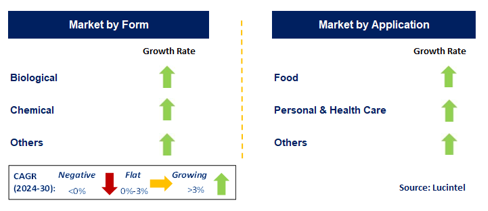
• Puratos Q5. Which leavening agent market segment will be the largest in the future? Answer: Lucintel forecasts that biological is expected to witness a higher growth over the forecast period. Q6. In the leavening agent market, which region is expected to be the largest in the next 5 years? Answer: Europe will remain the largest region over the forecast period due to the growing buying capacity of consumers for bakery products in this area. Q7. Do we receive customization in this report? Answer: Yes, Lucintel provides 10% customization without any additional cost.


Choose a license that fits your team. Instant PDF delivery.
Prices exclude taxes. Instant delivery. Custom licensing available on request.
Market Report · July 22, 2026
Market Report · July 22, 2026
Market Report · July 22, 2026
Trusted partner for strategic intelligence and business growth


Receive a complimentary market analysis tailored to your industry. Our analysts will identify key growth opportunities and competitive dynamics specific to your business.

Market size, growth rate, and key trend analysis for your specific sector.

Top competitor positioning and market share analysis.

Strategic recommendations backed by data-driven insights.
Get curated market intelligence and competitive moves straight to your inbox.
By subscribing, you agree to receive our monthly insights. Unsubscribe anytime.
Receive a complimentary market analysis tailored to your industry. Our analysts will identify key growth opportunities and competitive dynamics specific to your business.
Market size, growth rate, and key trend analysis for your specific sector.
Top competitor positioning and market share analysis.
Strategic recommendations backed by data-driven insights.
Get curated market intelligence, emerging trends, and competitive moves straight to your inbox each month.
By subscribing, you agree to receive our monthly insights. Unsubscribe anytime.
We'll send your sample report shortly.