
Market Report · July 22, 2026

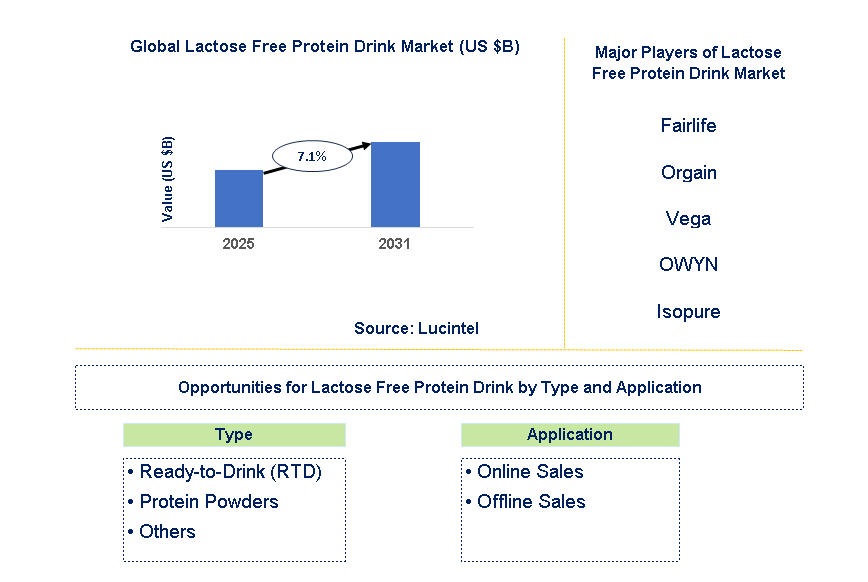
Key data points: The growth forecast = 7.1% annually for the next 7 years. Scroll below to get more insights. This market report covers Trends, opportunities and forecasts in lactose free protein drink market to 2031 by type (ready-to-drink (RTD), protein powders, and others), application (online sales and offline sales), and region (North America, Europe, Asia Pacific, and the Rest of the World)
We'll send your sample report shortly.
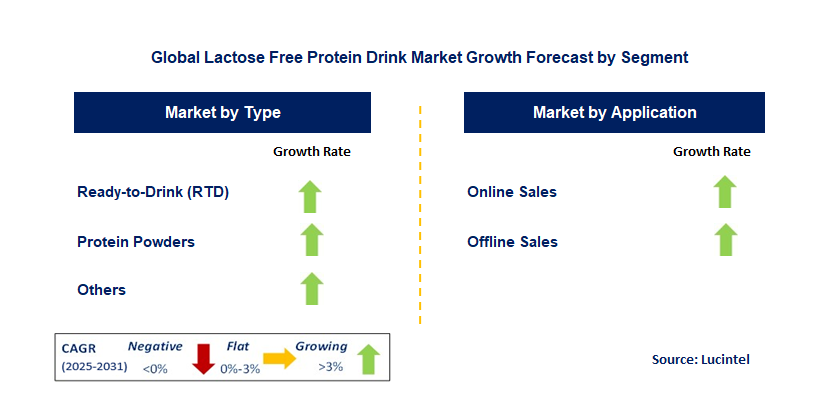
• Lucintel forecasts that, within the type category, ready-to-drink (RTD) is expected to witness higher growth over the forecast period due to increasing preference towards convenience.
• Within the application category, online sale is expected to witness higher growth due to its wider accessibility.
• In terms of region, North America is expected to witness the highest growth over the forecast period due to rising health-conscious consumer trends in this region.
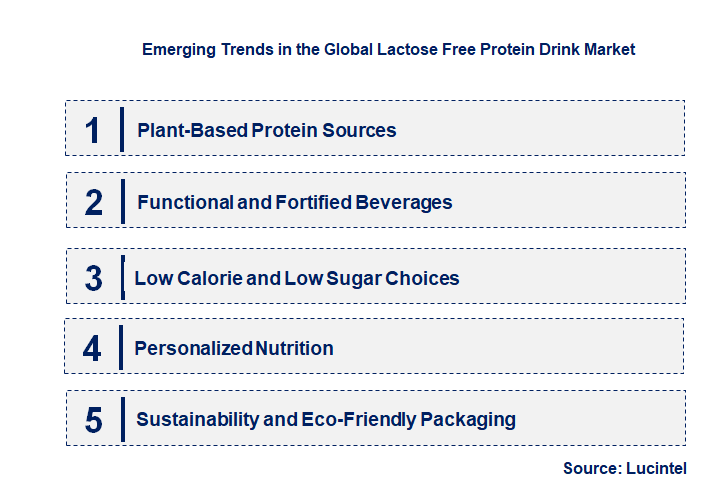
• Plant-Based Protein Sources: As more people embrace the vegan and vegetarian lifestyle, plant-based proteins like pea, rice, and hemp are becoming the major components in lactose-free protein beverages. These proteins provide a sustainable and allergen-free option to dairy-based proteins, fulfilling consumers' nutritional requirements when they want plant-based alternatives.
• Functional and Fortified Beverages: Functional drinks, such as those that aid in digestion, immunity, and skin care, are becoming increasingly popular among the lactose-free protein beverage market. There is an addition of probiotics, vitamins, and minerals to protein beverages by manufacturers, thus making multi-functional products that appeal to consumers who are health-conscious and want convenience and nutrition in a single product.
• Low Calorie and Low Sugar Choices: With more people becoming aware of their calorie and sugar consumption, there is increasing demand for low-calorie, low-sugar lactose-free protein beverages. Brands are catering to this by employing natural sweeteners like stevia or monk fruit to create a healthier alternative for individuals seeking to lose weight or keep weight off.
• Personalized Nutrition: Increased interest in personalized nutrition, fueled by consumers' desire for individualized diets, is driving more customized lactose-free protein beverages. Companies are providing customizable protein content and enrichments according to consumer health objectives, be it muscle building, weight reduction, or general well-being, fueling the increased popularity of these beverages.
• Sustainability and Eco-Friendly Packaging: Consumers are more and more interested in the environmental footprint of what they buy, leading to a push for sustainably sourced ingredients and eco-friendly packaging. Companies in the lactose-free protein drink category are reacting by utilizing recyclable, biodegradable packaging and environmentally sustainable ingredients, further moving along the trend toward eco-friendly consumption. All these trends are remodeling the lactose-free protein drink market by shaping product development and consumer purchasing habits. Increasing demand for plant-based proteins, functional beverages, and sustainable production is creating a diversified and innovative market.
• Innovation in Plant-Based Protein Products: Companies are innovating using plant-based protein products that support lactose-intolerant customers as well as the need for sustainable and allergy-free products. The growth in plant-based sources of protein such as pea, rice, and hemp has caused new lactose-free protein beverages that are consumed by vegans and those trying to avoid dairy.
• Increased Functionalization of Products: Functional ingredients, including probiotics, collagen, and electrolytes, are increasingly being added to lactose-free protein drinks. These additions serve to address the growing consumer desire for products that not only offer protein but also aid digestion, skin health, and general well-being.
• Protein Content Customization: Companies are increasingly providing lactose-free protein beverages with different amounts of protein content, designed according to various consumers' requirements, for example, post-exercise recovery or weight control. The customization is of interest to a wide group of consumers, from sports people to those looking for a healthy snack.
• Clean Labeling and Transparency: As people grow increasingly health-conscious, they are demanding products that carry clean labels with no artificial additives, preservatives, and sweeteners. Lactose-free protein drink brands are addressing this by providing clear ingredient panels so that their products align with the clean-label movement for health-oriented consumers.
• Increased Direct-to-Consumer Sales: The trend towards e-commerce has also influenced the market for lactose-free protein drinks, with more brands using direct-to-consumer sales channels. Online channels are becoming an important channel for brands to access health-conscious consumers, providing convenience and access to more lactose-free protein drink variety. These major developments are contributing to the future of the lactose-free protein drink market. As consumers increasingly require more functionality, personalization, and transparency, brands are adapting to respond to these changing demands, fueling growth in the market.
• Increasing Plant-Based Products: With increasing demand for plant-based diets, companies have a huge opportunity to create and grow their plant-based lactose-free protein drinks business. Creating access to varied plant proteins and new formulations can increase business through tapping the fast-growing market segment, especially in countries with high population rates of vegans or vegetarians.
• Formulating Functional Beverages: There is an increasing demand for lactose-free protein beverages with additional health benefits, including improved digestion, immunity, and skin health. Businesses can leverage this trend by formulating functional beverages that address the varied health requirements of consumers, providing a competitive advantage in the market.
• Targeting Sports Nutrition Segment: The sports nutrition segment is an important opportunity area for lactose-free protein beverages. With consumers, especially fitness enthusiasts and sportspeople, tending towards plant-based and lactose-free food products, there is an opportunity for brands to concentrate on manufacturing high-protein, low-carb, and functional beverages with this health-seeking consumer segment as the target group.
• Weight Management Innovations: While weight management will remain high on the minds of health-driven consumers, sugar-free and low-calorie yet highly satiety protein drinks, which are lactose free, present an exciting growth chance. By introducing fullness-promoting or metabolic-enhancing ingredients into the formulations, manufacturers are able to come up with weight management-supportive drinks.
• Sustainable Packaging and Practices: Sustainability has become an issue that concerns consumers worldwide. The companies can utilize this by introducing sustainable packaging and guaranteeing the sourcing of ingredients responsibly. This would appeal to sustainable consumers who are environmentally concerned and increase brand loyalty in European and North American markets. These growth prospects identify the most important areas for companies to prioritize in order to thrive in the lactose-free protein drink market. By responding to consumer needs for plant-based products, functional beverages, and environmentally friendly practices, brands can set themselves up for success in a competitive and changing market.
• Fairlife
• Orgain
• Vega
• OWYN
• Isopure
• Ripple
• Pure Protein
• KOS
• Garden of Life
• Quest Nutrition
• Ready-to-Drink (RTD)
• Protein Powders
• Others
• Online Sales
• Offline Sales
• North America
• Europe
• Asia Pacific
• The Rest of the World
• United States: In the United States, protein beverages that are lactose-free are gaining traction, especially among athletes, fitness enthusiasts, and individuals with lactose intolerance. Companies are adding plant-based proteins like pea and rice protein to address the need for dairy-free products. The market is also being driven by growing awareness of gut health and the need for low-sugar, high-protein drinks.
• China: China's demand for lactose-free protein drinks is increasing with the improving awareness of lactose intolerance as well as incomes. Traditional dairy products continue to be in power, but the market for lactose-free and plant-based substitutes is expanding rapidly among urban young generations. In addition, increased support by the government for health-oriented lifestyles also prompted a functional foods boom that encompasses protein beverages.
• Germany: The lactose-free protein drink market in Germany is growing because of high health and dietary awareness, with consumers increasingly choosing plant-based and lactose-free products. The fitness culture in the country and increasing demand for vegan and gluten-free products have prompted brands to innovate in the segment, providing a variety of lactose-free protein drinks that address dietary restrictions as well as preferences.
• India: The Indian lactose-free protein drink market is growing as consumers become increasingly aware of protein's health benefits, particularly for weight loss and muscle building. Increasing urbanization, changing lifestyles, and health consciousness are propelling demand. Plant-based protein drinks, including those derived from soy and pea, are especially favored among consumers who are dairy-averse.
• Japan: The lactose-free protein beverage market in Japan is growing as a reaction to the nation's increasing awareness of lactose intolerance and an interest in health and wellness. Although dairy foods are a mainstay in Japanese diets, dairy-free protein beverages are increasingly popular among young, health-oriented consumers. Functional protein beverages that promote skin health and digestion are also gaining popularity.


• Fairlife
• Orgain
• Vega
• OWYN
• Isopure
• Ripple
• Pure Protein
• KOS
• Garden of Life
• Quest Nutrition Q5. Which lactose free protein drink market segment will be the largest in future? Answer: Lucintel forecasts that, within the type category, ready-to-drink (RTD) is expected to witness higher growth over the forecast period due to increasing preference towards convenience. Q6. In lactose free protein drink market, which region is expected to be the largest in next 5 years? Answer: In terms of region, North America is expected to witness the highest growth over the forecast period due to rising health-conscious consumer trends in this region. Q7. Do we receive customization in this report? Answer: Yes, Lucintel provides 10% customization without any additional cost.


Choose a license that fits your team. Instant PDF delivery.
Prices exclude taxes. Instant delivery. Custom licensing available on request.
Market Report · July 22, 2026
Market Report · July 22, 2026
Market Report · July 22, 2026
Trusted partner for strategic intelligence and business growth


Receive a complimentary market analysis tailored to your industry. Our analysts will identify key growth opportunities and competitive dynamics specific to your business.

Market size, growth rate, and key trend analysis for your specific sector.

Top competitor positioning and market share analysis.

Strategic recommendations backed by data-driven insights.
Get curated market intelligence and competitive moves straight to your inbox.
By subscribing, you agree to receive our monthly insights. Unsubscribe anytime.
Receive a complimentary market analysis tailored to your industry. Our analysts will identify key growth opportunities and competitive dynamics specific to your business.
Market size, growth rate, and key trend analysis for your specific sector.
Top competitor positioning and market share analysis.
Strategic recommendations backed by data-driven insights.
Get curated market intelligence, emerging trends, and competitive moves straight to your inbox each month.
By subscribing, you agree to receive our monthly insights. Unsubscribe anytime.
We'll send your sample report shortly.