
Market Report · July 22, 2026

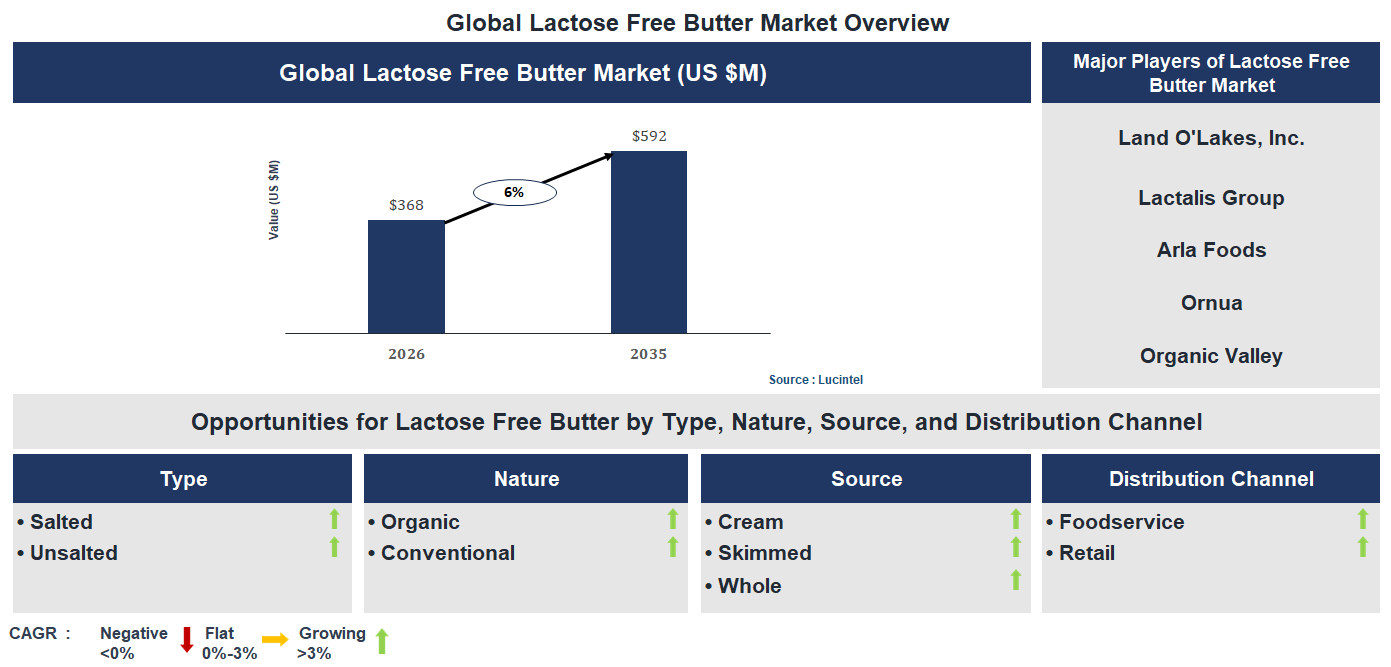
Key data points: The market size in 2035 = $592 million, growth forecast = 6.0% annually for the next 8 years. Scroll below to get more insights. This market report covers trends, opportunities and forecasts in lactose free butter market to 2035 by type (salted and unsalted), nature (organic and conventional), source (cream, skimmed, and whole), distribution channel (foodservice and retail), and region (North America, Europe, Asia Pacific, and the Rest of the World)
We'll send your sample report shortly.
• Lucintel forecasts that, within the type category, unsalted is expected to witness higher growth over the forecast period.
• Within the distribution channel category, retail is expected to witness higher growth.
• In terms of region, APAC is expected to witness the highest growth over the forecast period. Gain valuable insights for your business decisions with our comprehensive 150+ page report. Sample figures with some insights are shown below.
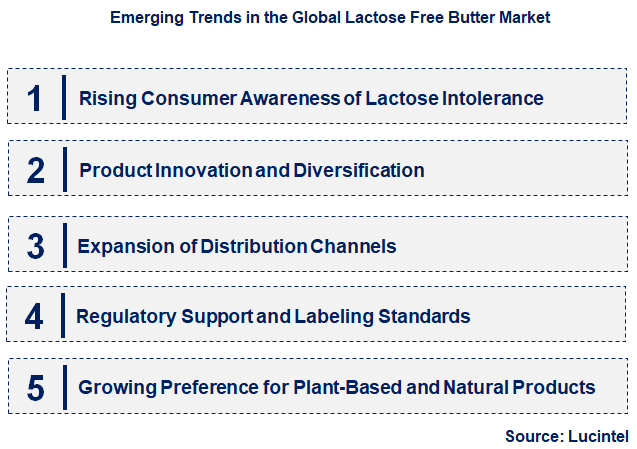
• Rising Consumer Awareness of Lactose Intolerance: Increasing diagnosis and awareness of lactose intolerance are driving demand for lactose-free products. Consumers are actively seeking dairy alternatives that do not compromise on taste or nutritional value, leading to a surge in lactose-free butter consumption. This trend is supported by educational campaigns and greater availability of lactose-free options in retail outlets, making it easier for consumers to make informed choices. As awareness grows, manufacturers are innovating to meet this demand, expanding product lines and marketing efforts to target health-conscious and lactose-sensitive consumers.
• Product Innovation and Diversification: Companies are investing in research and development to create diverse lactose-free butter options, including plant-based and fortified variants. These innovations aim to replicate the taste, texture, and functionality of traditional butter while catering to specific dietary needs. The introduction of organic, non-GMO, and fortified lactose-free butters is attracting a broader consumer base, including vegans and those with allergies. This diversification enhances market competitiveness and encourages product differentiation, ultimately expanding consumer options and driving market growth.
• Expansion of Distribution Channels: The growth of online retail, specialty stores, and health food outlets is facilitating easier access to lactose-free butter products. E-commerce platforms enable consumers to purchase a wide range of options conveniently, while specialty stores and supermarkets are dedicating more shelf space to lactose-free and dairy-free products. This expansion improves product visibility and availability, encouraging trial and repeat purchases. Enhanced distribution channels are crucial for reaching niche markets and increasing overall market penetration, supporting sustained growth in the lactose-free butter segment.
• Regulatory Support and Labeling Standards: Governments and regulatory bodies are implementing clearer labeling standards and supportive policies for lactose-free products. These regulations help build consumer trust by ensuring product authenticity and safety. Certification labels and standardized claims make it easier for consumers to identify genuine lactose-free options, boosting confidence and purchase intent. Regulatory support also encourages manufacturers to innovate and comply with quality standards, fostering a transparent and trustworthy market environment that benefits both consumers and producers.
• Growing Preference for Plant-Based and Natural Products: Consumers are increasingly favoring plant-based, organic, and natural lactose-free butter options due to health, environmental, and ethical considerations. This trend is leading to a rise in plant-based butter alternatives made from ingredients like coconut, shea, and nuts, which are perceived as healthier and more sustainable. The shift towards natural products is influencing product formulations, marketing strategies, and consumer preferences, thereby expanding the market beyond traditional dairy-based options. This trend is reshaping the market by integrating health-conscious and environmentally friendly values into product development. These trends are collectively transforming the lactose-free butter market by expanding product choices, improving accessibility, and aligning with consumer values. The market is becoming more innovative, transparent, and inclusive, which is driving growth and reshaping the future landscape of dairy alternatives.
• Growing Consumer Demand for Lactose-Free Products: Increasing awareness of lactose intolerance and dairy allergies is driving demand for lactose-free butter. Consumers seek healthier, digestible alternatives, prompting brands to innovate. This trend expands the market by attracting new customer segments, including health-conscious and allergy-prone individuals. Retailers are stocking more lactose-free options, making these products more accessible. As awareness spreads, the market is expected to grow steadily, with more product launches tailored to dietary restrictions.
• Innovation in Dairy-Free and Plant-Based Alternatives: Companies are developing plant-based butter substitutes that cater to lactose-free consumers. These innovations include products made from oils like coconut, palm, and shea, offering similar textures and flavors. The shift towards plant-based options not only meets lactose intolerance needs but also appeals to vegans and environmentally conscious consumers. This diversification enhances market competitiveness and broadens consumer choice, fostering growth in both dairy-free and plant-based segments.
• Expansion of Distribution Channels and E-Commerce: The rise of online retail platforms and specialty stores is facilitating easier access to lactose-free butter products. E-commerce allows brands to reach a wider audience, including rural and international markets. Subscription services and direct-to-consumer models are increasing convenience and consumer engagement. This expansion boosts sales volume, enhances brand visibility, and accelerates market penetration, making lactose-free butter more readily available to diverse consumer groups.
• Technological Advancements in Product Formulation: Innovations in processing techniques enable the production of high-quality lactose-free butter with improved taste, texture, and shelf life. Techniques such as enzymatic treatment and microfiltration help remove lactose efficiently while maintaining product integrity. These advancements improve consumer satisfaction and reduce production costs, encouraging more brands to enter the market. Enhanced product quality and innovation are key drivers for sustained growth and consumer loyalty.
• Regulatory Support and Labeling Standards: Governments and industry bodies are establishing clearer regulations and labeling standards for lactose-free products. These standards improve transparency, build consumer trust, and facilitate market entry for new products. Regulatory support encourages innovation and ensures product safety, boosting consumer confidence. As regulations evolve, companies can better communicate product benefits, fostering market expansion and encouraging investment in lactose-free dairy alternatives. The overall impact of these developments is a robust, expanding lactose-free butter market characterized by innovation, increased accessibility, and consumer trust. These opportunities are driving growth, attracting new consumers, and encouraging product diversification, ultimately shaping a dynamic and competitive landscape.
• Growing Consumer Awareness of Lactose Intolerance and Dairy Allergies: The increasing prevalence of lactose intolerance and dairy allergies worldwide is fueling demand for lactose-free butter. Consumers are seeking dairy alternatives that provide similar taste and texture without adverse health effects. This awareness is supported by better diagnostic tools and health education, prompting manufacturers to develop specialized products. As a result, the market is expanding, with more options available to health-conscious consumers, creating new growth avenues for industry players.
• Innovation in Product Formulations and Flavors: Companies are investing in R&D to develop lactose-free butters with improved taste, texture, and shelf life. Innovations include plant-based formulations, fortified options, and flavor enhancements to mimic traditional butter. These advancements cater to diverse consumer preferences, including vegans and those seeking functional benefits. The introduction of organic and non-GMO options further broadens appeal. Such product innovations are crucial for capturing market share and driving consumer loyalty in a competitive landscape.
• Expansion of Distribution Channels and Retail Presence: The growth of lactose-free butter is supported by expanding distribution networks, including supermarkets, online platforms, and specialty stores. E-commerce sales are rising, providing convenient access to a wider customer base. Strategic partnerships with retailers and direct-to-consumer models are enhancing product visibility and availability. This expansion ensures that lactose-free butter reaches diverse consumer segments, including urban and rural areas, thereby accelerating market penetration and growth.
• Increasing Adoption of Plant-Based and Vegan Alternatives: The rising trend of plant-based diets and veganism is significantly impacting the lactose-free butter market. Consumers are seeking dairy-free, cruelty-free, and sustainable options, leading to increased demand for plant-based butters. Companies are developing innovative vegan formulations using oils, nuts, and legumes to replicate traditional butter’s properties. This shift not only broadens the consumer base but also aligns with global sustainability goals, creating substantial growth opportunities within the lactose-free butter segment.
• Strategic Collaborations and Product Launches to Drive Market Growth: Industry players are forming alliances with ingredient suppliers, research institutions, and retail chains to innovate and expand their product portfolios. Launching new products tailored to specific dietary needs and preferences helps capture niche markets. Marketing campaigns emphasizing health benefits and sustainability are boosting brand recognition. These strategic initiatives foster market expansion, enhance competitiveness, and attract new consumers, ultimately fueling the overall growth of the lactose-free butter market. The overall impact of these opportunities is a robust expansion of the lactose-free butter market, driven by consumer health awareness, product innovation, and strategic market positioning. As demand continues to grow, companies that adapt to evolving preferences and leverage new distribution channels will secure a competitive advantage. This dynamic environment promises sustained growth, increased product diversity, and broader consumer adoption, shaping the future landscape of dairy alternatives.
• Growing Prevalence of Lactose Intolerance and Dairy Allergies: Increasing awareness and diagnosis of lactose intolerance worldwide have led consumers to seek lactose-free dairy options. This health concern has significantly boosted demand for lactose-free butter, especially among health-conscious consumers and those with dietary restrictions. The shift towards lactose-free products is also supported by the rising adoption of plant-based and alternative dairy products, creating a substantial market opportunity for lactose-free butter manufacturers.
• Technological Advancements in Dairy Processing: Innovations in dairy processing techniques, such as enzymatic treatment and fermentation, have improved the quality, taste, and texture of lactose-free butter. These advancements enable manufacturers to produce products that closely resemble traditional butter, thereby attracting a broader consumer base. Enhanced shelf life, better flavor profiles, and cost-effective production methods further support market growth, making lactose-free butter more competitive and widely available.
• Increasing Health Consciousness Among Consumers: Consumers are increasingly prioritizing health and wellness, leading to a surge in demand for functional and healthier food options. Lactose-free butter is perceived as a healthier alternative for individuals with lactose intolerance and those seeking to reduce dairy consumption for other health reasons. The trend towards clean-label, natural, and minimally processed foods also encourages consumers to choose lactose-free dairy products, thereby expanding the market.
• Rising Disposable Incomes and Changing Dietary Preferences: Economic growth in emerging markets has increased disposable incomes, enabling consumers to spend more on specialty and premium dairy products, including lactose-free butter. Additionally, shifting dietary preferences towards organic, natural, and specialty foods are driving demand for lactose-free options. This trend is particularly prominent among urban populations and health-conscious demographics, contributing to market expansion.
• Expansion of Retail and Online Distribution Channels: The proliferation of modern retail outlets, supermarkets, and e-commerce platforms has improved product accessibility and visibility. Online channels facilitate direct consumer engagement and provide a wider reach, especially in remote or underserved regions. This distribution expansion supports increased sales, brand recognition, and consumer awareness, thereby fueling market growth for lactose-free butter. The challenges facing the lactose free butter market include:
• High Production Costs and Pricing Challenges: Producing lactose-free butter involves specialized processing techniques, such as enzymatic treatment, which can increase manufacturing costs. These higher costs are often passed on to consumers, making lactose-free butter more expensive than traditional butter. Price sensitivity among consumers, especially in price-competitive markets, can limit adoption and hinder market growth, particularly in developing regions.
• Limited Consumer Awareness and Acceptance in Some Regions: Despite rising awareness globally, many consumers remain unfamiliar with lactose-free dairy options or are hesitant to switch due to taste preferences or perceived quality issues. Cultural preferences, traditional consumption habits, and lack of marketing efforts can impede market penetration in certain areas. Overcoming these barriers requires targeted education and marketing strategies to boost consumer confidence and acceptance.
• Regulatory and Labeling Challenges: The regulatory landscape for lactose-free products varies across countries, with differing standards for labeling, health claims, and ingredient disclosures. Navigating these complex regulations can delay product launches and increase compliance costs. Additionally, inconsistent standards may create confusion among consumers, affecting trust and purchase decisions. Ensuring compliance and clear communication remains a significant challenge for market players. The lactose free butter market is driven by increasing health awareness, technological innovations, and expanding distribution channels, which collectively foster growth. However, high production costs, regional awareness gaps, and regulatory complexities pose notable challenges. These factors collectively shape the markets trajectory, requiring stakeholders to innovate, educate, and adapt to regulatory environments. Overall, the markets future hinges on balancing these drivers and overcoming challenges to meet the evolving demands of health-conscious consumers worldwide.
• Land OLakes, Inc.
• Lactalis Group
• Arla Foods
• Ornua
• Organic Valley
• Bertolli
• Miyokos Creamery
• Daiya Foods
• Upfield
• Challenge Dairy Products
• Salted
• Unsalted
• Organic
• Conventional
• Cream
• Skimmed
• Whole
• Foodservice
• Retail
• North America
• Europe
• Asia Pacific
• The Rest of the World
• United States: The US market has seen a surge in lactose-free dairy products, with major brands launching new lactose-free butter options. Consumer demand for clean-label and organic products has driven innovation, leading to the introduction of plant-based and hybrid lactose-free butters. Retailers are expanding shelf space, and e-commerce sales are growing rapidly, making these products more accessible nationwide. Regulatory support and increased awareness about lactose intolerance have further boosted market growth.
• China: In China, the lactose-free butter market is emerging, driven by rising health consciousness and urbanization. Domestic companies are investing in product development, focusing on taste and texture to appeal to local preferences. International brands are entering the market through e-commerce platforms, expanding consumer access. The government’s focus on improving food safety standards and promoting dairy consumption is also supporting market expansion, with a growing number of consumers seeking lactose-free options for health reasons.
• Germany: Germany remains a key player in the European lactose-free dairy market, with a well-established demand for lactose-free butter. Innovations include the use of organic ingredients and sustainable packaging. German consumers are increasingly interested in dairy alternatives that align with environmental concerns, prompting companies to develop eco-friendly products. Retail chains are offering a broader range of lactose-free options, and collaborations with health organizations are promoting awareness about lactose intolerance and dairy alternatives.
• India: The Indian lactose-free butter market is in its nascent stages but shows promising growth potential. Rising awareness about lactose intolerance and increasing disposable incomes are driving demand. Local manufacturers are experimenting with formulations to suit Indian tastes, incorporating regional flavors and ingredients. E-commerce platforms are playing a crucial role in market penetration, and international brands are gradually entering the space. Government initiatives to promote dairy consumption are also expected to support future growth.
• Japan: Japan’s lactose-free butter market is characterized by a focus on health and wellness. Consumers prefer products with added functional benefits, such as probiotics and omega-3 fatty acids. Innovative packaging and marketing strategies emphasize product purity and health benefits. The market is supported by a high level of technological adoption and a strong culture of dietary experimentation. Domestic companies are investing in R&D to develop tailored lactose-free dairy products, and collaborations with health and wellness brands are enhancing market visibility.


• Land OLakes, Inc.
• Lactalis Group
• Arla Foods
• Ornua
• Organic Valley
• Bertolli
• Miyokos Creamery
• Daiya Foods
• Upfield
• Challenge Dairy Products Q6. Which lactose free butter market segment will be the largest in future? Answer: Lucintel forecasts that, within the type category, unsalted is expected to witness higher growth over the forecast period. Q7. In lactose free butter market, which region is expected to be the largest in next 8 years? Answer: In terms of region, APAC is expected to witness the highest growth over the forecast period. Q8. Do we receive customization in this report? Answer: Yes, Lucintel provides 10% customization without any additional cost.


Choose a license that fits your team. Instant PDF delivery.
Prices exclude taxes. Instant delivery. Custom licensing available on request.
Market Report · July 22, 2026
Market Report · July 22, 2026
Market Report · July 22, 2026
Trusted partner for strategic intelligence and business growth


Receive a complimentary market analysis tailored to your industry. Our analysts will identify key growth opportunities and competitive dynamics specific to your business.

Market size, growth rate, and key trend analysis for your specific sector.

Top competitor positioning and market share analysis.

Strategic recommendations backed by data-driven insights.
Get curated market intelligence and competitive moves straight to your inbox.
By subscribing, you agree to receive our monthly insights. Unsubscribe anytime.
Receive a complimentary market analysis tailored to your industry. Our analysts will identify key growth opportunities and competitive dynamics specific to your business.
Market size, growth rate, and key trend analysis for your specific sector.
Top competitor positioning and market share analysis.
Strategic recommendations backed by data-driven insights.
Get curated market intelligence, emerging trends, and competitive moves straight to your inbox each month.
By subscribing, you agree to receive our monthly insights. Unsubscribe anytime.
We'll send your sample report shortly.