
Report Feature
Systemic Levofloxacin Market Trends and Forecast
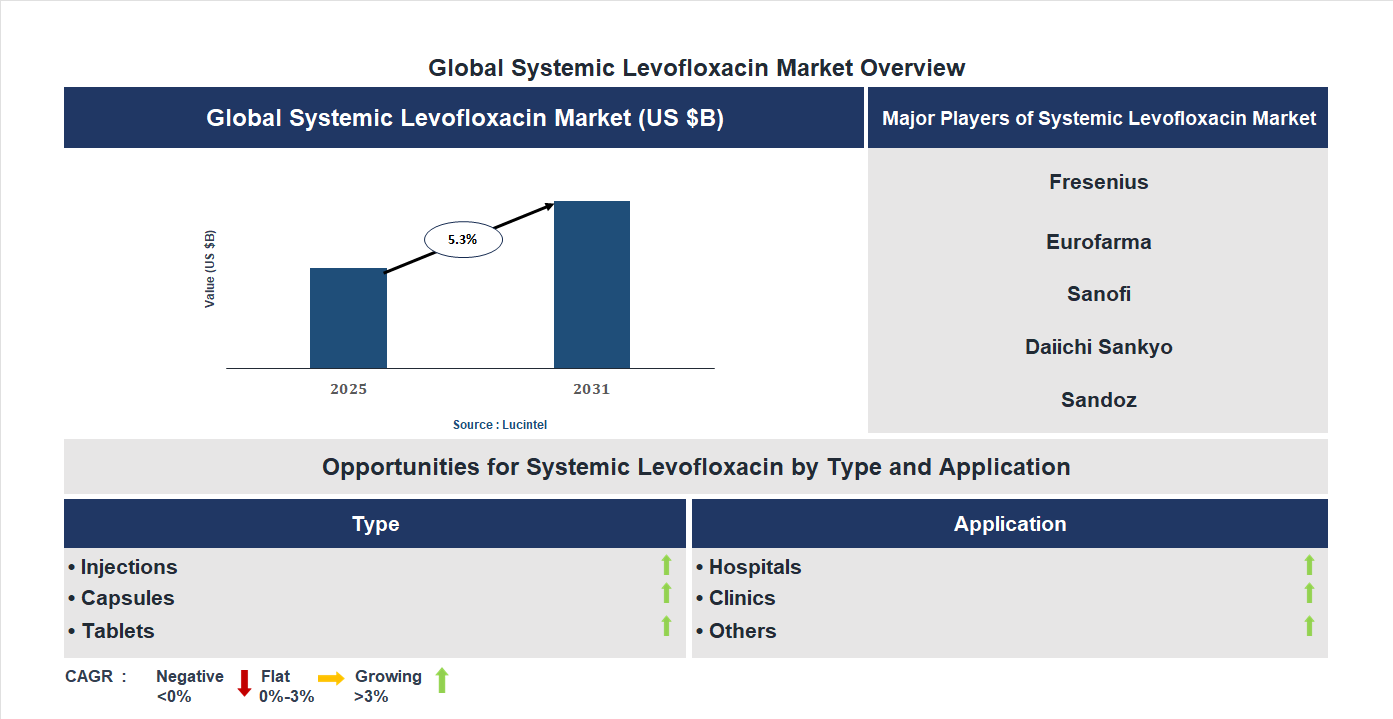
The future of the global systemic levofloxacin market looks promising with opportunities in the hospital and clinic markets. The global systemic levofloxacin market is expected to grow with a CAGR of 5.3% from 2025 to 2031. The major drivers for this market are the increasing prevalence of bacterial infectious diseases, the rising demand for intravenous antibiotic treatments, and the growing use in hospital critical care settings.• Lucintel forecasts that, within the type category, injection is expected to witness the highest growth over the forecast period.
• Within the application category, hospital is expected to witness higher growth.
• In terms of region, APAC is expected to witness the highest growth over the forecast period. Gain valuable insights for your business decisions with our comprehensive 150+ page report. Sample figures with some insights are shown below.
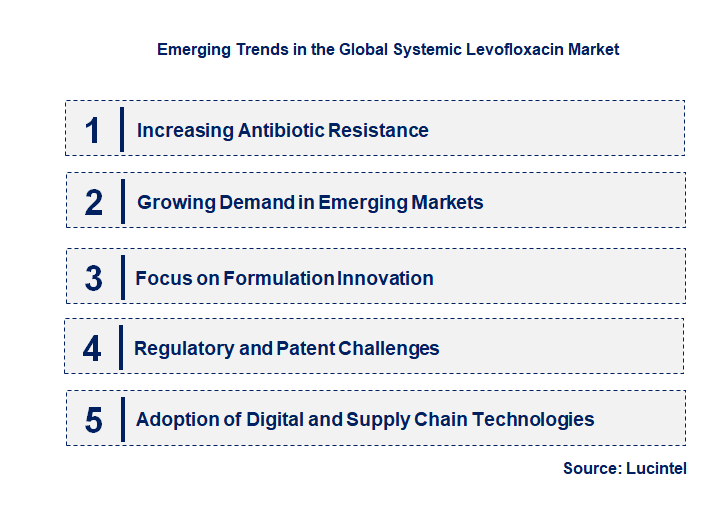
Emerging Trends in the Systemic Levofloxacin Market
The systemic Levofloxacin market is experiencing a significant transformation driven by technological advancements, changing healthcare needs, and evolving regulatory landscapes. As antibiotic resistance rises and new treatment protocols emerge, stakeholders are adapting to meet these challenges through innovation and strategic shifts. These developments are shaping the future landscape of Levofloxacin usage, manufacturing, and distribution, influencing market growth and competitive dynamics. Understanding these trends is crucial for industry players to capitalize on opportunities and mitigate risks in this evolving environment. The following key trends highlight the major directions in the systemic Levofloxacin market.• Increasing Antibiotic Resistance: The rise of antibiotic-resistant bacteria is prompting a reevaluation of Levofloxacins role in treatment protocols. As resistance diminishes the drugs effectiveness, there is a push for developing combination therapies and alternative antibiotics. This trend impacts market demand, encouraging innovation and stricter stewardship programs to optimize usage and prevent further resistance development.
• Growing Demand in Emerging Markets: Developing countries are witnessing increased adoption of Levofloxacin due to rising prevalence of bacterial infections and expanding healthcare infrastructure. This growth is driven by unmet medical needs and improved access to antibiotics. As a result, manufacturers are expanding their distribution networks and tailoring products to meet regional regulatory requirements, fueling market expansion in these regions.
• Focus on Formulation Innovation: There is a notable shift towards developing new formulations of Levofloxacin, such as extended-release and combination drugs, to improve patient compliance and therapeutic outcomes. These innovations aim to reduce dosing frequency and minimize side effects, thereby enhancing market appeal. This trend encourages R&D investments and strategic collaborations among pharmaceutical companies.
• Regulatory and Patent Challenges: Stringent regulatory standards and patent expirations are influencing market dynamics. Companies face increased scrutiny over safety and efficacy, leading to delays in approvals and increased costs. Patent expirations open opportunities for generic manufacturers, intensifying competition and impacting pricing strategies within the market.
• Adoption of Digital and Supply Chain Technologies: The integration of digital tools, such as supply chain management software and telemedicine, is streamlining distribution and improving access to Levofloxacin. These technologies enhance inventory management, reduce costs, and facilitate remote prescribing, especially in remote areas. This trend is transforming how the drug is marketed, distributed, and monitored post-market. In summary, these trends are collectively reshaping the systemic Levofloxacin market by driving innovation, expanding access, and fostering competitive shifts. They highlight the importance of adaptive strategies in response to resistance challenges, regulatory pressures, and technological advancements, ultimately influencing market growth and sustainability.
Recent Development in the Systemic Levofloxacin Market
The systemic levofloxacin market has experienced significant changes driven by advancements in pharmaceutical research, regulatory updates, and evolving healthcare needs. As antibiotic resistance rises and new formulations are developed, the market landscape is shifting rapidly. These developments are shaping the future of treatment protocols and influencing market dynamics globally. Stakeholders are focusing on innovation, safety, and efficacy to meet increasing demand for effective antibacterial therapies. The following key developments highlight the current trajectory of this market, reflecting its growth potential and challenges.• Increased R&D Investment: Greater funding for research has led to the development of new formulations and improved delivery methods, enhancing treatment efficacy and patient compliance. This investment accelerates innovation, potentially expanding market share and addressing resistance issues.
• Regulatory Approvals and Guidelines: Recent approvals and updated guidelines from health authorities have streamlined the approval process for new Levofloxacin products, boosting market confidence and facilitating faster market entry for innovative drugs.
• Rising Antibiotic Resistance: The growing prevalence of resistant bacterial strains has increased demand for potent antibiotics like Levofloxacin, prompting manufacturers to develop formulations that overcome resistance mechanisms, thus expanding market opportunities.
• Introduction of Combination Therapies: Combining Levofloxacin with other antibiotics or adjuvants has improved treatment outcomes, leading to new product launches and expanding therapeutic indications, which positively impact market growth.
• Market Expansion in Emerging Economies: Increased healthcare infrastructure and rising awareness in emerging markets have driven demand for systemic antibiotics, including Levofloxacin, opening new revenue streams and broadening the market base. In summary, these developments are collectively propelling the systemic levofloxacin market forward by fostering innovation, addressing resistance challenges, and expanding geographical reach. Enhanced regulatory support and evolving treatment paradigms are expected to sustain growth, although resistance and safety concerns remain critical factors to monitor. Overall, the market is poised for continued expansion driven by technological advancements and increasing global healthcare needs.
Strategic Growth Opportunities in the Systemic Levofloxacin Market
The systemic levofloxacin market is experiencing significant growth driven by increasing demand for effective antibiotics across various applications. As bacterial infections become more resistant to traditional treatments, the need for advanced antimicrobial agents like levofloxacin is rising. Key applications such as respiratory infections, urinary tract infections, skin infections, intra-abdominal infections, and sexually transmitted infections are presenting new opportunities for market expansion. These developments are influenced by factors including rising healthcare awareness, technological advancements, and the prevalence of infectious diseases. Exploring these growth opportunities can help stakeholders capitalize on emerging trends and enhance their market positioning.• Respiratory Infections: The rising incidence of pneumonia, bronchitis, and sinusitis is boosting demand for levofloxacin. Its broad-spectrum activity and effectiveness against resistant strains make it a preferred choice, leading to increased prescriptions and market growth in respiratory care.
• Urinary Tract Infections: The prevalence of UTIs, especially among women, is fueling the need for potent antibiotics like levofloxacin. Its high bioavailability and efficacy in treating complicated UTIs are driving sales and expanding its application in urology.
• Skin and Soft Tissue Infections: The increasing occurrence of skin infections due to diabetes, wounds, and trauma is creating a demand for levofloxacin. Its ability to treat a variety of skin infections efficiently is making it a key player in dermatological and surgical settings.
• Intra-abdominal Infections: The growing number of surgeries and gastrointestinal conditions requiring effective antimicrobial therapy is expanding levofloxacins role. Its broad-spectrum activity helps in managing complex intra-abdominal infections, opening new market avenues.
• Sexually Transmitted Infections: The rise in STIs such as gonorrhea and chlamydia is boosting the need for effective antibiotics. Levofloxacins efficacy in treating certain STIs is contributing to its increased adoption in sexual health management. In summary, these key growth opportunities across various applications are significantly impacting the systemic levofloxacin market by broadening its scope and increasing its adoption. The expanding use in respiratory, urinary, skin, intra-abdominal, and STI treatments is driving market growth, fostering innovation, and encouraging strategic investments. As infectious diseases continue to evolve, leveraging these opportunities will be crucial for stakeholders aiming to maintain a competitive advantage and meet global healthcare demands.
Systemic Levofloxacin Market Driver and Challenges
The systemic levofloxacin market is influenced by a variety of technological, economic, and regulatory factors that shape its growth trajectory. Advances in pharmaceutical research and development have led to more effective formulations, while the increasing prevalence of bacterial infections drives demand. Economic factors such as healthcare expenditure and insurance coverage impact accessibility and affordability. Regulatory policies concerning drug approval and safety standards also play a crucial role in market dynamics. Additionally, the rise of antibiotic resistance presents both challenges and opportunities for innovation. Understanding these drivers and challenges is essential for stakeholders aiming to capitalize on market potential and navigate potential risks effectively. The factors responsible for driving the systemic levofloxacin market include:• Technological Advancements: The development of novel drug delivery systems and formulations enhances the efficacy and patient compliance, fueling market growth. Innovations such as extended-release tablets and combination therapies improve treatment outcomes. These technological improvements reduce side effects and increase the drugs appeal among healthcare providers and patients, thereby expanding market reach. Continuous R&D efforts are expected to further optimize levofloxacins therapeutic profile, maintaining its competitive edge in the antibiotic market.
• Rising Incidence of Bacterial Infections: Increasing cases of respiratory, urinary tract, and skin infections globally are major drivers. Factors such as urbanization, pollution, and a growing aging population contribute to higher infection rates. The demand for effective antibiotics like levofloxacin is consequently rising, especially in regions with limited access to advanced healthcare. This trend underscores the importance of systemic antibiotics in managing infectious diseases, thereby expanding the market.
• Growing Awareness and Diagnostic Capabilities: Enhanced diagnostic techniques enable early detection of bacterial infections, leading to timely and targeted treatment. Increased awareness among healthcare professionals and patients about bacterial resistance and the importance of appropriate antibiotic use further boosts demand. Improved diagnostic infrastructure, especially in developing countries, facilitates the prescription of levofloxacin, supporting market expansion.
• Regulatory Approvals and Patent Expirations: Favorable regulatory pathways and approvals for new formulations or indications stimulate market growth. Patent expirations of key levofloxacin products open opportunities for generic manufacturers, increasing accessibility and reducing costs. This competitive landscape encourages innovation and broadens the product portfolio, attracting more healthcare providers and patients. The challenges facing this Market include:
• Antibiotic Resistance: The rising prevalence of resistant bacterial strains diminishes the effectiveness of levofloxacin, leading to treatment failures. This resistance necessitates higher doses or combination therapies, increasing the risk of side effects and costs. It also prompts regulatory agencies to impose stricter guidelines, potentially limiting market growth and necessitating ongoing research for new antibiotics.
• Stringent Regulatory Environment: Evolving safety and efficacy standards impose hurdles for market players. Lengthy approval processes and compliance costs can delay product launches and reduce profitability. Additionally, regulatory agencies are increasingly scrutinizing fluoroquinolones due to safety concerns, which may restrict their use and impact market expansion.
• Side Effects and Safety Concerns: Adverse effects associated with levofloxacin, such as tendinitis, neurological effects, and QT prolongation, pose challenges to its widespread use. These safety issues lead to cautious prescribing practices and can limit market growth, especially in vulnerable populations like the elderly or those with comorbidities. Managing these risks requires ongoing monitoring and patient education. In summary, the systemic levofloxacin market is shaped by technological innovations, rising infection rates, and improved diagnostics, which collectively promote growth. However, challenges such as antibiotic resistance, regulatory hurdles, and safety concerns threaten to constrain expansion. The interplay of these factors will determine the markets future trajectory, requiring stakeholders to innovate responsibly and adapt to evolving regulatory and safety landscapes. Overall, strategic management of these drivers and challenges is essential for sustainable growth in this competitive market.
List of Systemic Levofloxacin Companies
Companies in the market compete on the basis of product quality offered. Major players in this market focus on expanding their manufacturing facilities, R&D investments, infrastructural development, and leverage integration opportunities across the value chain. With these strategies systemic levofloxacin companies cater increasing demand, ensure competitive effectiveness, develop innovative products & technologies, reduce production costs, and expand their customer base. Some of the systemic levofloxacin companies profiled in this report include-• Fresenius
• Eurofarma
• Sanofi
• Daiichi Sankyo
• Sandoz
• Teva Pharmaceutical
• Sun Pharmaceutical
• SPIMACO
• Guangzhou Green Cross Pharmaceutical
• Yangtze River Pharmaceutical
Systemic Levofloxacin Market by Segment
The study includes a forecast for the global systemic levofloxacin market by type, application, and region.Systemic Levofloxacin Market by Type [Value from 2019 to 2031]:
• Injections
• Capsules
• Tablets
Systemic Levofloxacin Market by Application [Value from 2019 to 2031]:
• Hospitals
• Clinics
• Others
Systemic Levofloxacin Market by Region [Value from 2019 to 2031]:
• North America
• Europe
• Asia Pacific
• The Rest of the World
Country Wise Outlook for the Systemic Levofloxacin Market
The systemic levofloxacin market has experienced notable shifts driven by advancements in healthcare, regulatory changes, and evolving medical needs across major economies. As antibiotic resistance concerns grow and new formulations emerge, countries are adapting their strategies to optimize treatment outcomes. The United States, China, Germany, India, and Japan are at the forefront of these developments, each reflecting unique market dynamics influenced by healthcare infrastructure, regulatory policies, and disease prevalence. These countries are investing in research, expanding distribution channels, and implementing policies to address antimicrobial resistance while ensuring access to effective treatments.• United States: The US market for systemic levofloxacin has seen increased adoption due to rising bacterial infections and antibiotic resistance concerns. Regulatory agencies have approved new formulations with improved safety profiles, and there is a focus on antimicrobial stewardship programs to curb resistance. The demand for outpatient and hospital-based treatments continues to grow, supported by advancements in drug delivery systems and increased healthcare spending. Additionally, ongoing clinical trials aim to expand indications for levofloxacin, further boosting market growth.
• China: China’s systemic levofloxacin market is expanding rapidly, driven by a large population and increasing prevalence of respiratory and urinary tract infections. Government initiatives to improve healthcare infrastructure and access to antibiotics have facilitated market growth. Local pharmaceutical companies are investing in research and development to produce generic versions, making treatments more affordable. Regulatory reforms are streamlining approval processes, and there is a rising trend of hospital-based prescriptions. The market is also witnessing increased use of levofloxacin in combination therapies to combat resistant strains.
• Germany: In Germany, the market for systemic levofloxacin is characterized by stringent regulatory standards and a focus on safety and efficacy. The country’s emphasis on antimicrobial stewardship has led to cautious prescribing practices, but demand remains steady for severe infections. Advances in diagnostic tools have enabled targeted therapy, optimizing levofloxacin use. The pharmaceutical industry is investing in developing formulations with fewer side effects, and there is a growing preference for outpatient treatments. The market benefits from Germany’s robust healthcare system and high awareness of antibiotic resistance issues.
• India: India’s levofloxacin market is witnessing significant growth due to the high burden of infectious diseases and increasing antibiotic consumption. The availability of affordable generic formulations has expanded access, especially in rural areas. Government campaigns to promote rational antibiotic use are in place, but over-the-counter sales still pose challenges. The market is driven by rising cases of respiratory, gastrointestinal, and urinary infections. Local manufacturers are expanding their product portfolios, and collaborations with international firms are increasing. The focus on improving healthcare infrastructure is expected to further propel market growth.
• Japan: Japan’s systemic levofloxacin market is characterized by high safety standards and cautious prescribing practices. The aging population has increased the incidence of infections requiring antibiotic treatment. Advances in diagnostic technology have improved targeted therapy, reducing unnecessary use. The market is also influenced by strict regulatory oversight and efforts to combat antimicrobial resistance. Japanese pharmaceutical companies are developing new formulations with enhanced safety profiles and reduced side effects. The focus remains on balancing effective treatment with minimizing resistance, supported by government initiatives promoting responsible antibiotic use.

Features of the Global Systemic Levofloxacin Market
Market Size Estimates: Systemic levofloxacin market size estimation in terms of value ($B). Trend and Forecast Analysis: Market trends (2019 to 2024) and forecast (2025 to 2031) by various segments and regions. Segmentation Analysis: Systemic levofloxacin market size by type, application, and region in terms of value ($B). Regional Analysis: Systemic levofloxacin market breakdown by North America, Europe, Asia Pacific, and Rest of the World. Growth Opportunities: Analysis of growth opportunities in different types, applications, and regions for the systemic levofloxacin market. Strategic Analysis: This includes M&A, new product development, and competitive landscape of the systemic levofloxacin market. Analysis of competitive intensity of the industry based on Porter’s Five Forces model.
FAQ
Q1. What is the growth forecast for systemic levofloxacin market? Answer: The global systemic levofloxacin market is expected to grow with a CAGR of 5.3% from 2025 to 2031. Q2. What are the major drivers influencing the growth of the systemic levofloxacin market? Answer: The major drivers for this market are the increasing prevalence of bacterial infectious diseases, the rising demand for intravenous antibiotic treatments, and the growing use in hospital critical care settings. Q3. What are the major segments for systemic levofloxacin market? Answer: The future of the systemic levofloxacin market looks promising with opportunities in the hospital and clinic markets. Q4. Who are the key systemic levofloxacin market companies? Answer: Some of the key systemic levofloxacin companies are as follows:• Fresenius
• Eurofarma
• Sanofi
• Daiichi Sankyo
• Sandoz
• Teva Pharmaceutical
• Sun Pharmaceutical
• SPIMACO
• Guangzhou Green Cross Pharmaceutical
• Yangtze River Pharmaceutical Q5. Which systemic levofloxacin market segment will be the largest in future? Answer: Lucintel forecasts that, within the type category, injection is expected to witness the highest growth over the forecast period. Q6. In systemic levofloxacin market, which region is expected to be the largest in next 5 years? Answer: In terms of region, APAC is expected to witness the highest growth over the forecast period. Q7. Do we receive customization in this report? Answer: Yes, Lucintel provides 10% customization without any additional cost.
Table of Contents
List of Figures
List of Tables
Methodology
- In-depth interviews of the major players in this market
- Detailed secondary research from competitors’ financial statements and published data
- Extensive searches of published works, market, and database information pertaining to industry news, company press releases, and customer intentions
- A compilation of the experiences, judgments, and insights of Lucintel’s professionals, who have analyzed and tracked this market over the years.


Buy Now
Choose a license that fits your team. Instant PDF delivery.
Prices exclude taxes. Instant delivery. Custom licensing available on request.
Key Questions
- • What are some of the most promising, high-growth opportunities for the systemic levofloxacin market by type (injections, capsules, and tablets), application (hospitals, clinics, and others), and region (North America, Europe, Asia Pacific, and the Rest of the World)?
- • Which segments will grow at a faster pace and why?
- • Which region will grow at a faster pace and why?
- • What are the key factors affecting market dynamics? What are the key challenges and business risks in this market?
- • What are the business risks and competitive threats in this market?
- • What are the emerging trends in this market and the reasons behind them?
- • What are some of the changing demands of customers in the market?
- • What are the new developments in the market? Which companies are leading these developments?
- • Who are the major players in this market? What strategic initiatives are key players pursuing for business growth?
- • What are some of the competing products in this market and how big of a threat do they pose for loss of market share by material or product substitution?
- • What M&A activity has occurred in the last 5 years and what has its impact been on the industry? For any questions related to Systemic Levofloxacin Market, Systemic Levofloxacin Market Size, Systemic Levofloxacin Market Growth, Systemic Levofloxacin Market Analysis, Systemic Levofloxacin Market Report, Systemic Levofloxacin Market Share, Systemic Levofloxacin Market Trends, Systemic Levofloxacin Market Forecast, Systemic Levofloxacin Companies, write Lucintel analyst at email: helpdesk@lucintel.com. We will be glad to get back to you soon.


