
Report Feature
RFID In Pharmaceutical Market Trends and Forecast
The technologies in the RFID of the pharmaceutical market have changed drastically during the last few years. Over the years, there has been a shift from passive RFID systems to advanced RFID technologies that are active in nature. This shift included the shift from "chipped" RFID technology to "chipless" RFID, which uses a unique identification system without the need for an integrated microchip. This shift is improving the flexibility and scalability of RFID systems in the pharmaceutical industry, offering benefits such as increased product tracking accuracy, better supply chain visibility, and improved anti-counterfeiting measures. Moreover, the integration of RFID with the Internet of Things (IoT) is further enhancing real-time monitoring and data analytics capabilities in pharmaceutical applications.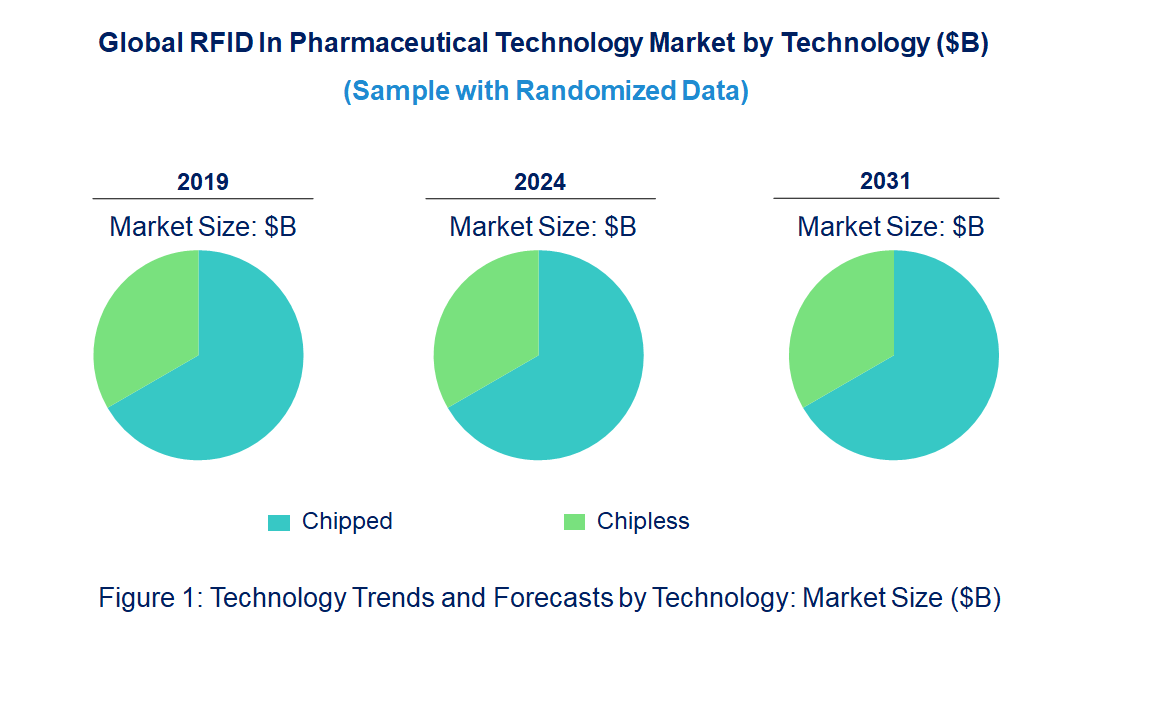
Emerging Trends in the RFID In Pharmaceutical Market
The RFID in pharmaceutical market is changing with several emerging trends that are reshaping the industry. Below are five key trends:• Rise in Chipless RFID Adoption: Chipless RFID has gained popularity in pharmaceutical applications due to its cost-effective and improved security features. This technology does not need expensive chips, yet it gives effective item-level tracking, which is very important for improving the traceability of products and reducing the risks of counterfeiting.
• Internet of Things (IoT) Integration: RFID systems are increasingly integrated with IoT technologies to track items in real time, automatically manage inventory, and provide predictive analytics. This allows for improved visibility in supply chains, better asset management, and compliance with pharmaceutical industry regulations.
• Serialization for Anti-Counterfeiting: With the increasing problem of counterfeit drugs, serialization using RFID is also on the rise. It helps authenticate pharmaceutical products by providing a unique identifier that is not easy to replicate, ensuring product integrity along the supply chain.
• Cloud-Based RFID Solutions: Cloud-based RFID systems are increasingly being used in pharmaceutical companies. Scalable data storage, remote access, and stronger data analysis capabilities improve decision-making, inventory management, and operational efficiency in the pharmaceutical sector.
• RFID in Cold Chain Monitoring: RFID is increasingly being used for cold chain monitoring to ensure that pharmaceutical products like vaccines and biologics are shipped and stored at required temperatures. The RFID sensors allow real-time monitoring with temperature tracking, which helps avoid product spoilage, ensuring patient safety. These trends point toward sophisticated, interconnected, and secure RFID solutions in the pharmaceutical industry that help increase efficiency, regulatory compliance, and patient safety.
RFID In Pharmaceutical Market : Industry Potential, Technological Development, and Compliance Considerations
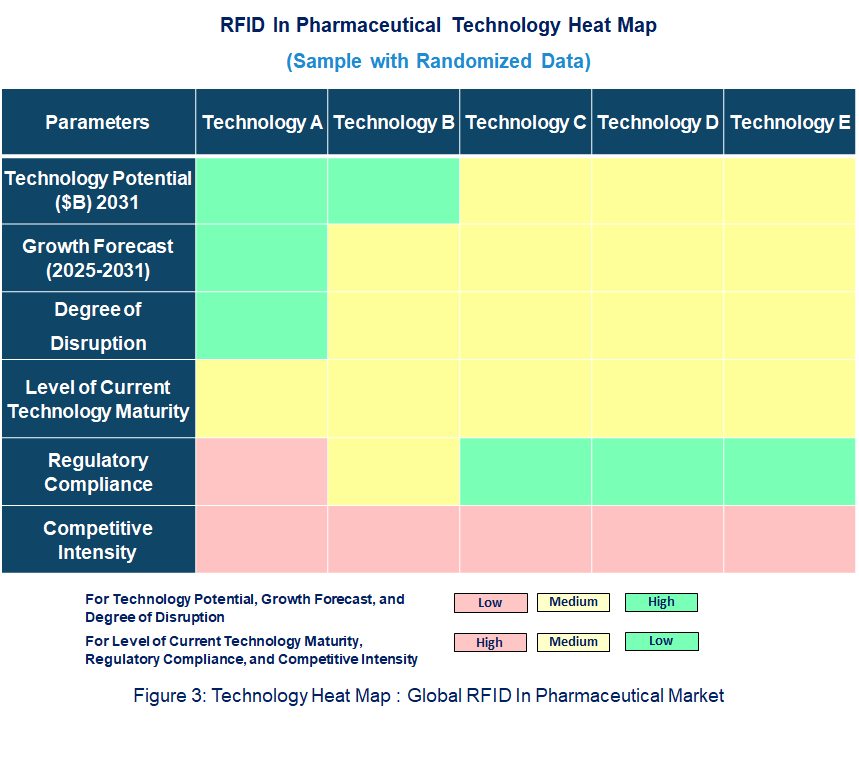
In RFID in pharmaceutical market is becoming increasingly important in the pharmaceutical market. The use of electromagnetic fields allows for automatic identification and tracking of tags attached to objects, which significantly improves supply chain management, inventory control, and patient safety. In the pharmaceutical industry, RFID is used to track drugs, ensure authenticity, and enhance regulatory compliance. The growth in emphasis on drug safety, anti-counterfeiting, and supply chain transparency is the main driver for the adoption of RFID in pharmaceuticals.• Technology Potential: There is enormous potential in the pharmaceutical market for RFID technology. From the manufacturer to the ultimate consumer, RFID can enhance traceability. Thus, errors and fraud would decrease. Advanced RFID tags, which have sensors for detecting temperature and humidity conditions, can ensure the safety of drugs in transport and storage. In an increasingly digitally transformed pharmaceutical industry, RFID systems will become part of IoT networks, in general, to monitor in real-time and enhance operational efficiency as well as compliance.
• Level of Disruption: The level of disruption that RFID technology has in the pharmaceutical industry is moderate, especially concerning counterfeit prevention and real-time inventory management. However, the implementation cost is very high, and the process needs to be standardized globally.
• Technology Readiness RFID technology for drug applications is relatively mature, with established use cases related to tracking and authentication. Tag design improvements, cost-cutting, and integration into blockchain technology will further drive its overall effectiveness.
• Compliance with Regulations: RFID systems in pharmaceuticals must comply strictly with regulations such as the FDA’s Drug Supply Chain Security Act (DSCSA) and international standards, such as ISO 15459, to ensure that drugs are traceable and authentic and that patients are secure.
Recent Technological development in RFID In Pharmaceutical Market by Key Players
Several key players in the RFID in the pharmaceutical market have made substantial progress in advancing their RFID technologies and applications. Several of these advancements show the growth in the importance of RFID within the pharmaceutical industry and contribute to improvements in product tracking, patient safety, and regulatory compliance.• Zebra Technologies: Zebra Technologies has launched advanced RFID solutions designed to improve inventory visibility and enhance the security of pharmaceutical supply chains. Their solutions focus on reducing counterfeit risks, improving asset tracking, and streamlining compliance with industry regulations.
• CCL Healthcare: CCL Healthcare has developed customizable RFID labels and tags for pharmaceutical applications. Innovations from the company improve product tracking and monitoring throughout the supply chain to ensure the integrity of the pharmaceuticals and compliance with regulations.
• Fresenius Kabi: Fresenius Kabi has incorporated RFID technology in the pharmaceutical business to improve traceability and minimize errors involving medications. Its RFID systems help in better drug inventory management and patient safety, particularly in hospital settings.
• Avery Dennison Corporation: Avery Dennison has developed high-performance RFID labels suited for pharmaceutical applications that offer improved item-level tracking and traceability. Solutions offered by Avery Dennison are increasingly adopted to meet compliance and security requirements of pharmaceutical supply chains.
• Impinj: Impinj developed enhanced RFID technology for pharmaceuticals in performance, besides better reading range. Their solutions work to enhance supply chain visibility, asset management, and anti-counterfeiting activities in the pharmaceutical industry.
• Bluesight: Bluesight has developed cloud-based RFID solutions for pharmaceutical companies that enable real-time tracking, inventory management, and regulatory compliance. Their technology is designed to reduce inefficiencies in pharmaceutical operations while ensuring product safety and security.
• Terso Solutions: Terso Solutions offers RFID-based inventory management solutions that enhance the tracking and monitoring of pharmaceutical products. Their solutions are focused on enhancing supply chain operations and ensuring real-time visibility and control over pharmaceutical assets.
• GAO RFID Group: GAO RFID Group offers cost-effective and scalable RFID solutions that cater to the pharmaceutical industry. Their products are used for efficient inventory tracking, ensuring regulatory compliance, and reducing the risk of counterfeit drugs in the supply chain.
• Tageos: Tageos is concentrated on developing chipless RFID tags for the pharmaceutical industry. Their solutions provide a cost-effective and efficient means of tracking pharmaceutical products with better scalability and security in pharmaceutical supply chains.
• Alien Technology: A leading provider of RFID solutions to pharmaceutical companies, Alien Technology provides advanced tags and readers with enhanced tracking, visibility, and anti-counterfeiting solutions. Their solutions help meet the demands of regulations placed on pharmaceutical companies while working to improve operational efficiency. These developments reflect the increasing role of RFID in the pharmaceutical industry and are part of ongoing efforts made by leading companies to strengthen product traceability, make supply chains more efficient, and ensure compliance with regulations.
RFID In Pharmaceutical Market Driver and Challenges
The growth of RFID in the pharmaceutical market has been influenced by several key drivers that are shaping the development and adoption process of this market. The factors responsible for driving the RFID In pharmaceutical market include:• Need for Increased Traceability and Anti-Counterfeiting: RFID technology allows pharmaceutical companies to track their products along the supply chain and prevent counterfeit drugs. Increasing demand for safe and authentic pharmaceutical products is driving the adoption of RFID systems.
• Regulatory Compliance: Pharmaceutical companies are being driven by regulatory pressures such as those set by the FDA and EU to embrace RFID technology in serialization and tracking. It ensures the safety and integrity of pharmaceutical products while fulfilling regulatory compliance.
• Increased Need for Operational Efficiency: RFID technology helps in the inventory management process, reducing human error, and increasing the operational efficiency of the pharmaceutical supply chain. Companies are using RFID to make their processes more efficient and reduce costs.
• Advances in RFID Technology and Affordability: Advances in RFID technology, including the development of chipless RFID, are making it more affordable and scalable for pharmaceutical applications. This is accelerating its adoption across various segments of the pharmaceutical industry. Challenges of RFID in pharmaceutical market include:
• High Initial Investment: Despite the benefits, the cost of implementing RFID systems, including the cost of RFID tags, readers, and software, can be prohibitive for smaller pharmaceutical companies or those with limited budgets.
• Integration Complexity with Existing Systems: Integrating RFID technology into existing pharmaceutical supply chain systems can be complex and time-consuming. Companies may face challenges in aligning RFID with their legacy infrastructure, requiring additional resources and expertise.
• Data Privacy and Security Concerns: With the increasing adoption of RFID systems for tracking pharmaceuticals, data privacy and security concerns are bound to arise. There is a need for robust cybersecurity measures to protect sensitive product and patient data from unauthorized access or misuse. These drivers and challenges are shaping the RFID in the pharmaceutical market, where regulatory pressures and technological advancements are pushing for wider adoption, while integration and cost concerns continue to pose challenges. Despite these hurdles, the overall market is expected to continue its growth as RFID technology becomes a crucial tool in improving supply chain visibility, product integrity, and operational efficiency in the pharmaceutical industry.
List of RFID In Pharmaceutical Companies
Companies in the market compete based on product quality offered. Major players in this market focus on expanding their manufacturing facilities, R&D investments, infrastructural development, and leverage integration opportunities across the value chain. With these strategies RFID in pharmaceutical companies cater to increasing demand, ensure competitive effectiveness, develop innovative products & technologies, reduce production costs, and expand their customer base. Some of the RFID in pharmaceutical companies profiled in this report include.• Zebra Technologies
• CCL Healthcare
• Fresenius Kabi
• Avery Dennison Corporation
• Impinj
• Bluesight
RFID In Pharmaceutical Market by Technology
• Technology Readiness by Type of Technology: Chipped RFID technology is highly mature and has been widely adopted in the pharmaceutical industry for applications such as anti-counterfeiting, chain-of-custody management, and inventory control. It meets all technological readiness requirements for robust performance, long-range tracking, secure data storage, and more, with widespread use in high-value pharmaceutical products. Chipless RFID, though less mature, is gaining momentum due to its lower cost and simplicity, making it an attractive solution for tracking lower-cost products, packaging, and labels. However, Chipless RFID is still in the experimental and early adoption stages, particularly in high-security applications, where Chip RFID’s superior security and data integrity are critical. Competitive intensity is highest for Chipped RFID, as it offers more versatile and advanced applications. Chipless RFID is currently focused on niche markets. Regulatory compliance is well-established for Chipped RFID, but Chipless RFID is still adjusting to industry standards required for pharmaceutical tracking.
• Competitive Intensity and Regulatory Compliance: The competitive intensity in the pharmaceutical RFID market is high, particularly due to Chipped RFID, which is widely adopted for high-end applications due to its advanced data storage capabilities, long-range communication, and enhanced security features. Chipless RFID, while more affordable, faces challenges with data security and scalability, which limits its use in high-value pharmaceutical tracking. Regulatory compliance is crucial for both technologies, as they must meet stringent requirements to ensure pharmaceutical products are traceable and authentic. Chipped RFID complies with international standards like GS1 EPCglobal, as well as regulatory guidelines from the FDA and EU for serialization and track-and-trace systems. While Chipless RFID is still developing, it may eventually lead to new regulatory frameworks due to its simpler design and fewer complexities.
• Different Technologies’ Disruption Potential: In the pharmaceutical market, Chipped and Chipless RFID both have different types of disruption potentials. Chipped RFID, which uses microchips to hold and transmit data, is highly efficient for tracking pharmaceuticals with enhanced supply chain visibility and anti-counterfeiting features. This technology is already widely applied in tracking and authenticating high-value drugs, ensuring regulatory compliance, and enhancing patient safety. Chipless RFID, on the other hand, offers a more cost-effective solution by eliminating the microchip and relying on resonant frequencies for data transmission. Although its disruption potential is more niche, it is particularly beneficial in scenarios where cost is a critical factor, such as tracking low-cost pharmaceutical products. This enables broader adoption in developing markets. Both technologies have the potential to transform pharmaceutical logistics, inventory management, and security, as well as improve overall drug safety efficiency.
RFID In Pharmaceutical Market Trend and Forecast by Technology [Value from 2019 to 2031]:
• Chipped
• Chipless
RFID In Pharmaceutical Market Trend and Forecast by End Use Industry [Value from 2019 to 2031]:
• Drug Manufacturers
• Hospitals & Clinics
• Others
RFID In Pharmaceutical Market by Region [Value from 2019 to 2031]:
• North America
• Europe
• Asia Pacific
• The Rest of the World
• Latest Developments and Innovations in the RFID In Pharmaceutical Technologies
• Companies / Ecosystems
• Strategic Opportunities by Technology Type
Features of the Global RFID In Pharmaceutical Market
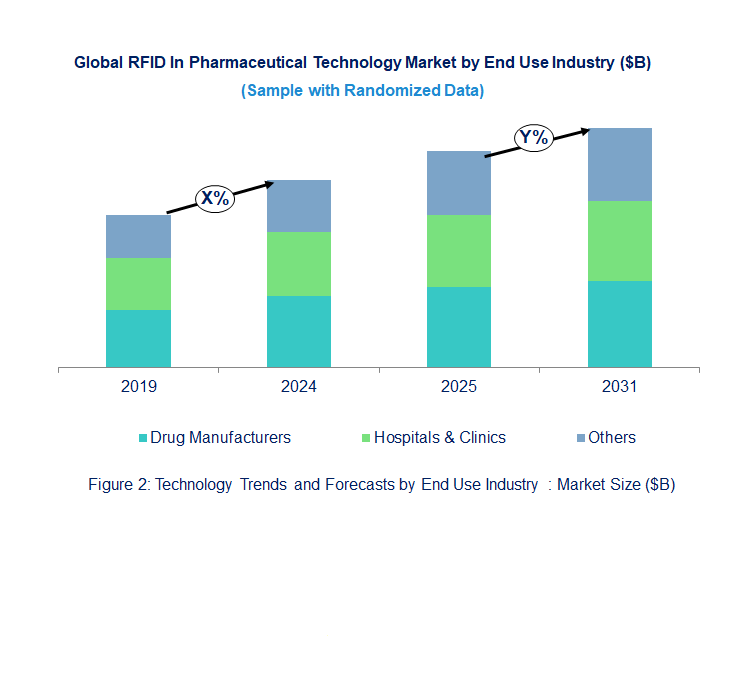
Market Size Estimates: Rfid in pharmaceutical market size estimation in terms of ($B). Trend and Forecast Analysis: Market trends (2019 to 2024) and forecast (2025 to 2031) by various segments and regions. Segmentation Analysis: Technology trends in the global RFID in pharmaceutical market size by various segments, such as end use industry and technology in terms of value and volume shipments. Regional Analysis: Technology trends in the global RFID in pharmaceutical market breakdown by North America, Europe, Asia Pacific, and the Rest of the World. Growth Opportunities: Analysis of growth opportunities in different end use industries, technologies, and regions for technology trends in the global RFID in pharmaceutical market. Strategic Analysis: This includes M&A, new product development, and competitive landscape for technology trends in the global RFID in pharmaceutical market.Analysis of competitive intensity of the industry based on Porter’s Five Forces model.Table of Contents
Methodology
- In-depth interviews of the major players in this market
- Detailed secondary research from competitors’ financial statements and published data
- Extensive searches of published works, market, and database information pertaining to industry news, company press releases, and customer intentions
- A compilation of the experiences, judgments, and insights of Lucintel’s professionals, who have analyzed and tracked this market over the years.


Buy Now
Choose a license that fits your team. Instant PDF delivery.
Prices exclude taxes. Instant delivery. Custom licensing available on request.
Key Questions
- • What are some of the most promising potential, high-growth opportunities for the technology trends in the global rfid in pharmaceutical market by technology (chipped and chipless), end use industry (drug manufacturers, hospitals & clinics, and others), and region (North America, Europe, Asia Pacific, and the Rest of the World)?
- • Which technology segments will grow at a faster pace and why?
- • Which regions will grow at a faster pace and why?
- • What are the key factors affecting dynamics of different technology? What are the drivers and challenges of these technologies in the global RFID in pharmaceutical market?
- • What are the business risks and threats to the technology trends in the global RFID in pharmaceutical market?
- • What are the emerging trends in these technologies in the global RFID in pharmaceutical market and the reasons behind them?
- • Which technologies have potential of disruption in this market?
- • What are the new developments in the technology trends in the global RFID in pharmaceutical market? Which companies are leading these developments?
- • Who are the major players in technology trends in the global RFID in pharmaceutical market? What strategic initiatives are being implemented by key players for business growth?
- • What are strategic growth opportunities in this RFID in pharmaceutical technology space?
- • What M & A activities did take place in the last five years in technology trends in the global RFID in pharmaceutical market?


