
Report Feature
Manufactured Soil Trends and Forecast
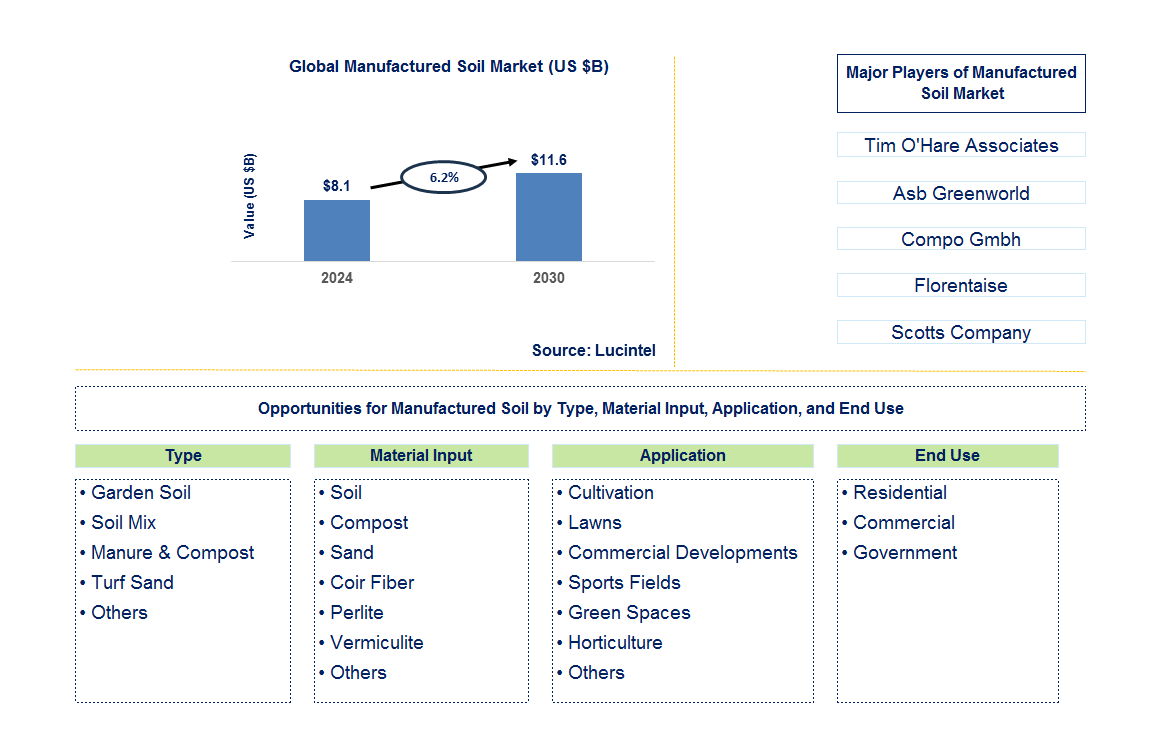
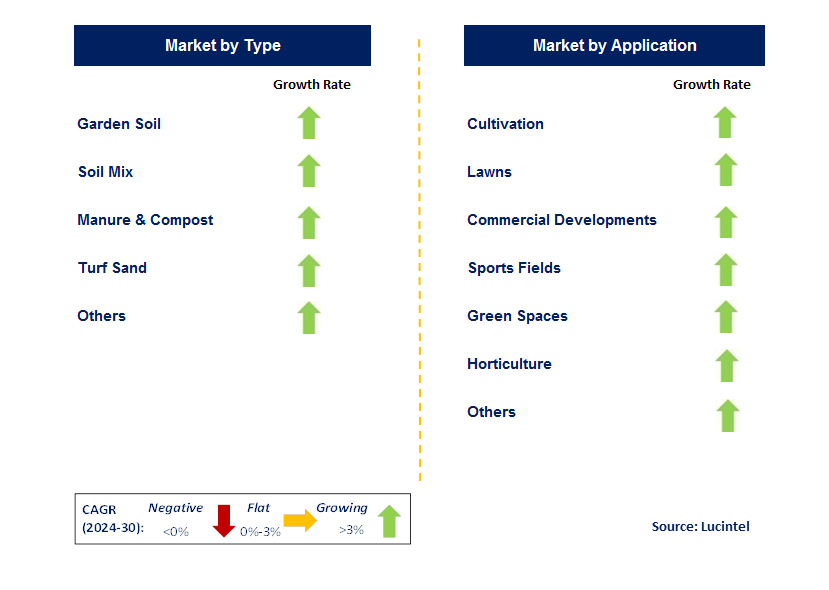
The future of the global manufactured soil market looks promising with opportunities in the residential, commercial, and government markets. The global manufactured soil market is expected to reach an estimated $11.6 billion by 2030 with a CAGR of 6.2% from 2024 to 2030. The major drivers for this market are increasing demand for organic food coupled with declining arable land availability, growing adoption of green infrastructure projects and urban agriculture, and rising focus on sustainable agricultural practices and soil remediation.• Lucintel forecasts that garden soil is expected to witness the higher growth over the forecast period.
• Within this market, residential is expected to witness the higher growth.
• APAC is expected to witness highest growth over the forecast period. A more than 150-page report is developed to help in your business decisions.
Emerging Trends in the Manufactured Soil Market
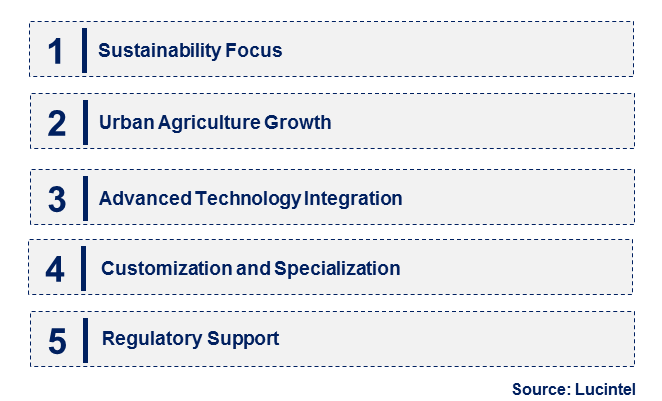
The manufactured soil market is evolving, showcasing several emerging trends that reflect changing consumer preferences and environmental considerations.• Sustainability Focus: Increasing demand for eco-friendly products drives the development of sustainable soil mixes.
• Urban Agriculture Growth: The rise of urban gardening and green roofs is creating new opportunities for manufactured soils.
• Advanced Technology Integration: Innovative technologies are being used to enhance soil performance and nutrient delivery.
• Customization and Specialization: Growing interest in tailored soil solutions for specific plants and conditions is leading to product diversification.
• Regulatory Support: Government initiatives promoting sustainable practices are bolstering market growth.
• Consumer Education: Increased awareness about soil health and its impact on gardening and agriculture is enhancing market potential. These emerging trends highlight a dynamic landscape for the manufactured soil market, driven by sustainability, technological innovation, and consumer awareness.
Recent Developments in the Manufactured Soil Market
The manufactured soil market is witnessing significant recent developments that reflect industry advancements and consumer demand.• Product Innovations: Companies are launching new soil blends that improve water retention and nutrient delivery.
• Recycling Initiatives: Increased use of recycled materials in soil production aligns with sustainability goals.
• Research Collaborations: Partnerships between industry players and research institutions are fostering innovative soil solutions.
• Market Expansion: Growth in urban agriculture is driving the need for lightweight and efficient manufactured soils.
• Online Retail Growth: E-commerce is enhancing the accessibility of manufactured soil products to consumers.
• Educational Programs: Initiatives aimed at educating consumers about the benefits of manufactured soils are gaining traction. These developments reflect the manufactured soil market's responsiveness to environmental challenges and consumer needs, setting the stage for continued growth.
Strategic Growth Opportunities for Manufactured Soil Market
The manufactured soil market presents several strategic growth opportunities that can be leveraged for expansion.• Urban Farming Initiatives: The rise of urban agriculture creates demand for specialized soil products.
• Landscaping Projects: Increased investment in landscaping and green spaces presents opportunities for manufacturers.
• E-commerce Platforms: Expanding online sales channels can enhance product distribution and consumer reach.
• Partnerships with Local Governments: Collaborating with municipalities on public green projects can drive demand for manufactured soils.
• Education and Training: Offering workshops and resources on soil health can boost consumer engagement.
• Research and Development: Investing in R&D to create innovative soil solutions can provide a competitive edge. By capitalizing on these strategic growth opportunities, stakeholders in the manufactured soil market can enhance their market presence and drive sustainable growth.
Manufactured Soil Market Driver and Challenges
Understanding the key drivers and challenges in the manufactured soil market is crucial for strategic planning and decision-making. The factors responsible for driving the manufactured soil market include: 1. Growing Environmental Awareness: Increasing concern for sustainability drives demand for eco-friendly soil products. 2. Urbanization Trends: Rapid urbanization enhances the need for manufactured soils for landscaping and gardening. 3. Technological Innovations: Advancements in soil technology improve product efficacy and appeal. 4. Government Support: Policies promoting sustainable agricultural practices bolster market growth. Challenges in the manufactured soil market are: 1. Market Competition: Intense competition from traditional soil products can hinder market entry. 2. Cost Fluctuations: Variability in raw material prices may affect production costs and pricing strategies. 3. Consumer Perceptions: Misunderstandings about manufactured soils may limit consumer acceptance. 4. Regulatory Hurdles: Navigating complex regulations related to product labeling and safety can pose challenges for manufacturers. While the manufactured soil market is driven by strong sustainability trends and urbanization, addressing challenges related to competition and consumer perceptions is essential for achieving long-term success.List of Manufactured Soil Companies
Companies in the market compete on the basis of product quality offered. Major players in this market focus on expanding their manufacturing facilities, R&D investments, infrastructural development, and leverage integration opportunities across the value chain. Through these strategies manufactured soil companies cater increasing demand, ensure competitive effectiveness, develop innovative products & technologies, reduce production costs, and expand their customer base. Some of the manufactured soil companies profiled in this report include-• Tim O'Hare Associates
• Asb Greenworld
• Compo Gmbh
• Florentaise
• Scotts Company
• Resource Management
• Boughton
Manufactured Soil by Segment
The study includes a forecast for the global manufactured soil by type, material input, application, end use, and region.Manufactured Soil Market by Type [Analysis by Value from 2018 to 2030]:
• Garden Soil
• Soil Mix
• Manure & Compost
• Turf Sand
• Others
Manufactured Soil Market by Material Input [Analysis by Value from 2018 to 2030]:
• Soil
• Compost
• Sand
• Coir Fiber
• Perlite
• Vermiculite
• Others
Manufactured Soil Market by Application [Analysis by Value from 2018 to 2030]:
• Cultivation
• Lawns
• Commercial Developments
• Sports Fields
• Green Spaces
• Horticulture
Manufactured Soil Market by End Use [Analysis by Value from 2018 to 2030]:
• Residential
• Commercial
• Government
Manufactured Soil Market by Region [Analysis by Value from 2018 to 2030]:
• North America
• Europe
• Asia Pacific
• The Rest of the World
Country Wise Outlook for the Manufactured Soil Market
Major players in the market are expanding their operations and forming strategic partnerships to strengthen their positions. Below content highlights recent developments by Manufactured soil in key regions: the USA, Germany, China, India, and Japan.• USA: The manufactured soil market in the USA is experiencing notable growth due to the increasing demand for sustainable landscaping and urban gardening solutions. Recent developments include innovations in soil blends that enhance water retention and nutrient availability, catering to environmentally conscious consumers. Key players are focusing on creating lightweight, organic-based soils for green roofs and container gardening. Additionally, regulations promoting green building practices are boosting demand. The market is also benefiting from educational initiatives that raise awareness about the benefits of manufactured soils in reducing erosion and enhancing plant growth.
• Germany: In Germany, the manufactured soil market is gaining traction as sustainability becomes a central focus in agricultural and landscaping practices. Recent advancements include the use of recycled materials in soil production, such as compost and green waste, which align with Germany's commitment to circular economy principles. The demand for high-quality substrates for horticulture and professional gardening is driving innovations. Moreover, partnerships between soil manufacturers and research institutions are leading to the development of specialized soil products that cater to specific plant needs, thus enhancing crop yields and biodiversity.
• China: China's manufactured soil market is rapidly evolving, driven by urbanization and the need for sustainable agricultural practices. Recent developments highlight the introduction of high-tech soil blends that incorporate nutrients and additives to support intensive farming and urban greening projects. Companies are focusing on creating tailored solutions for various climatic conditions and plant types. Additionally, government initiatives aimed at promoting eco-friendly agricultural practices are boosting market growth. The rise of e-commerce is facilitating wider distribution and accessibility of manufactured soil products, particularly in urban areas.
• India: In India, the manufactured soil market is gaining momentum as the agriculture sector seeks to improve soil quality and productivity. Recent developments include the introduction of innovative soil mixtures designed to combat soil degradation and enhance water retention, particularly in arid regions. The growing trend of urban gardening and rooftop farming is also driving demand for manufactured soils that are lightweight and nutrient-rich. Initiatives promoting organic farming practices are encouraging the use of environmentally friendly soil products, which further boosts market growth. Awareness campaigns are essential for educating farmers about the benefits of using manufactured soils.
• Japan: Japan's manufactured soil market is influenced by a strong emphasis on technology and innovation in agriculture. Recent developments include the use of advanced soil formulations that improve plant health and yield. Companies are investing in research and development to create soils that are not only efficient but also environmentally friendly. The trend of urban farming is also gaining traction, leading to increased demand for manufactured soils in cities. Additionally, partnerships between manufacturers and local governments are promoting the use of engineered soils in public landscaping projects, contributing to greener urban spaces.

Features of the Global Manufactured Soil Market
Market Size Estimates: Manufactured soil market size estimation in terms of value ($B). Trend and Forecast Analysis: Market trends (2018 to 2023) and forecast (2024 to 2030) by various segments and regions. Segmentation Analysis: Manufactured soil market size by various segments, such as by type, material input, application, end use, and region in terms of value ($B). Regional Analysis: Manufactured soil market breakdown by North America, Europe, Asia Pacific, and Rest of the World. Growth Opportunities: Analysis of growth opportunities in different type, material input, application, end use, and regions for the manufactured soil market. Strategic Analysis: This includes M&A, new product development, and competitive landscape of the manufactured soil market. Analysis of competitive intensity of the industry based on Porter’s Five Forces model.If you are looking to expand your business in this or adjacent markets, then contact us. We have done hundreds of strategic consulting projects in market entry, opportunity screening, due diligence, supply chain analysis, M & A, and more.

FAQ
Q1. What is the manufactured soil market size? Answer: The global manufactured soil market is expected to reach an estimated $11.6 billion by 2030. Q2. What is the growth forecast for manufactured soil market? Answer: The global manufactured soil market is expected to grow with a CAGR of 6.2% from 2024 to 2030. Q3. What are the major drivers influencing the growth of the manufactured soil market? Answer: The major drivers for this market are increasing demand for organic food coupled with declining arable land availability, growing adoption of green infrastructure projects and urban agriculture and rising focus on sustainable agricultural practices and soil remediation. Q4. What are the major segments for manufactured soil market? Answer: The future of the manufactured soil market looks promising with opportunities in the residential, commercial, and government markets. Q5. Who are the key manufactured soil market companies? Answer: Some of the key manufactured soil companies are as follows:• Tim O'Hare Associates
• Asb Greenworld
• Compo Gmbh
• Florentaise
• Scotts Company
• Resource Management
• Boughton Q6. Which manufactured soil market segment will be the largest in future? Answer: Lucintel forecasts that garden soil is expected to witness the higher growth over the forecast period. Q7. In manufactured soil market, which region is expected to be the largest in next 5 years? Answer: APAC is expected to witness highest growth over the forecast period. Q.8 Do we receive customization in this report? Answer: Yes, Lucintel provides 10% customization without any additional cost.
Table of Contents
Methodology
- In-depth interviews of the major players in this market
- Detailed secondary research from competitors’ financial statements and published data
- Extensive searches of published works, market, and database information pertaining to industry news, company press releases, and customer intentions
- A compilation of the experiences, judgments, and insights of Lucintel’s professionals, who have analyzed and tracked this market over the years.


Buy Now
Choose a license that fits your team. Instant PDF delivery.
Prices exclude taxes. Instant delivery. Custom licensing available on request.
Key Questions
- • What are some of the most promising, high-growth opportunities for the manufactured soil market by type (garden soil, soil mix, manure & compost, turf sand, and others), material input (soil, compost, sand, coir fiber, perlite, vermiculite, and others), application (cultivation, lawns, commercial developments, sports fields, green spaces, horticulture, and others), end use (residential, commercial, and government), and region (North America, Europe, Asia Pacific, and the Rest of the World)?
- • Which segments will grow at a faster pace and why?
- • Which region will grow at a faster pace and why?
- • What are the key factors affecting market dynamics? What are the key challenges and business risks in this market?
- • What are the business risks and competitive threats in this market?
- • What are the emerging trends in this market and the reasons behind them?
- • What are some of the changing demands of customers in the market?
- • What are the new developments in the market? Which companies are leading these developments?
- • Who are the major players in this market? What strategic initiatives are key players pursuing for business growth?
- • What are some of the competing products in this market and how big of a threat do they pose for loss of market share by material or product substitution?
- • What M&A activity has occurred in the last 5 years and what has its impact been on the industry? For any questions related to Manufactured Soil Market, Manufactured Soil Market Size, Manufactured Soil Market Growth, Manufactured Soil Market Analysis, Manufactured Soil Market Report, Manufactured Soil Market Share, Manufactured Soil Market Trends, Manufactured Soil Market Forecast, Manufactured Soil Companies, write Lucintel analyst at email: helpdesk@lucintel.com. We will be glad to get back to you soon.


