
Report Feature
The future of the feed enzyme market looks promising with opportunities in the ruminants, swine, poultry, and aquatic animals feed industries. The global feed enzyme market is expected to grow with a CAGR of 9% from 2019 to 2024. The major drivers for this market are increasing animal population, high cost of feed in livestock farming, ban on antibiotics as growth promoters, and positive impact on the environment.
More than 150 page report is developed to help your business decisions. Sample figures with some insights are shown below. To learn the scope of, benefits, companies researched and other details of Feed Enzyme market report download the report brochure
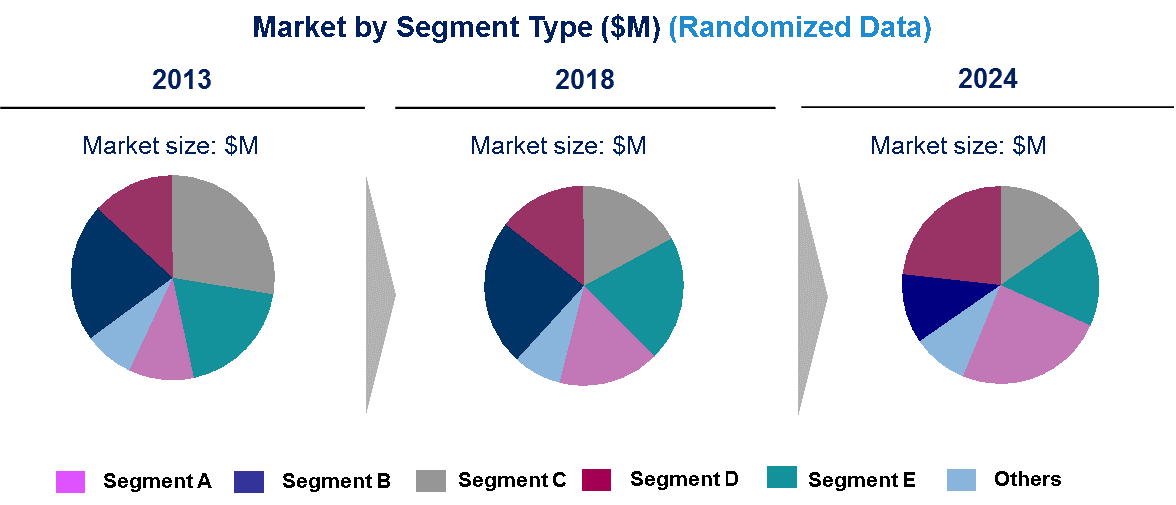
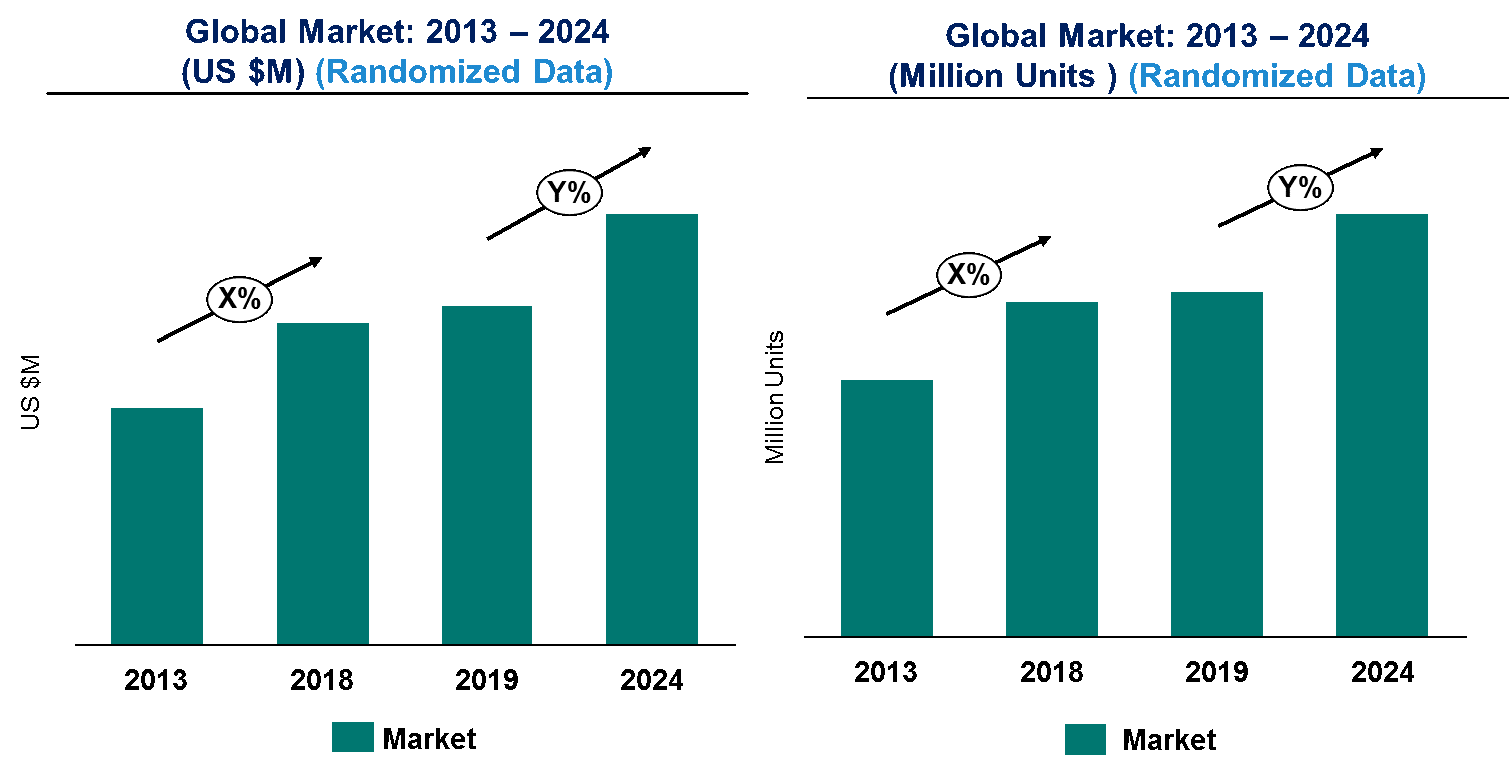
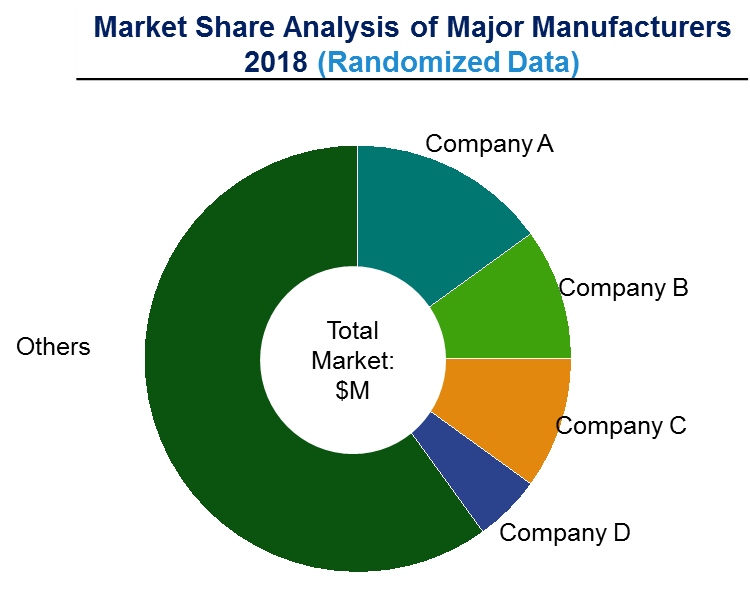
The study includes the Feed Enzyme market size and forecast for the global Feed Enzyme market through 2024, segmented by source, form, type, livestock, and region as follows:
By Source [$M shipment analysis for 2013 – 2024]:
By Form [$M shipment analysis for 2013 – 2024]:
By Type [$M shipment analysis for 2013 – 2024]:
By Livestock [$M shipment analysis for 2013 – 2024]:
By Region [$M shipment analysis for 2013 – 2024]:
Some of the Feed Enzyme companies profiled in this report include BASF SE, Dowdupont, Associated British Foods plc, DSM, and Adisseo France SAS
Some of the features of "Global Feed Enzyme Market 2019-2024: Trends, Forecast, and Opportunity Analysis" include
More than 150 page report is developed to help your business decisions. Sample figures with some insights are shown below. To learn the scope of, benefits, companies researched and other details of Feed Enzyme market report download the report brochure
The study includes the Feed Enzyme market size and forecast for the global Feed Enzyme market through 2024, segmented by source, form, type, livestock, and region as follows:
By Source [$M shipment analysis for 2013 – 2024]:
- Microorganism (bacteria and fungi)
- Plant
- Animal
By Form [$M shipment analysis for 2013 – 2024]:
- Liquid
- Dry
By Type [$M shipment analysis for 2013 – 2024]:
- Phytase
- Protease
- Carbohydrase (xylanase, amylase, cellulase, â-glucanase, and others)
By Livestock [$M shipment analysis for 2013 – 2024]:
- Ruminants
- Swine
- Poultry
- Aquatic Animals
- Others (equine and pets)
By Region [$M shipment analysis for 2013 – 2024]:
-
North America
- US
- Canada
- Mexico
-
Europe
- Germany
- UK
- France
- Italy
- Spain
-
Asia Pacific
- China
- India
- Japan
- South Korea
-
Rest of the World (RoW)
- Middle East
- South Africa and South America
Some of the Feed Enzyme companies profiled in this report include BASF SE, Dowdupont, Associated British Foods plc, DSM, and Adisseo France SAS
Some of the features of "Global Feed Enzyme Market 2019-2024: Trends, Forecast, and Opportunity Analysis" include
- Market size estimates: Global feed enzyme market size estimation in terms of value ($M) shipment.
- Trend and forecast analysis: Market trend (2013-2018) and forecast (2019-2024) by segments and region
- Segmentation analysis: Global market size by source, form, type, livestock, and region
- Regional analysis: Global feed enzyme market breakdown by North America, Europe, Asia Pacific, and the Rest of the World
- Growth opportunities: Analysis on growth opportunities in different applications and regions for feed enzyme in the global feed enzyme market.
- Strategic analysis: This includes M&A, new product development, and competitive landscape for feed enzyme in the global feed enzyme market.
- Analysis of competitive intensity of the industry based on Porter’s Five Forces model.
Table of Contents
1. Executive Summary 2. Industry Background and Classifications 2.1: Introduction, Background, and Classification 2.2: Supply Chain 2.3: Industry Drivers and Challenges
5. Competitor Analysis: 5.1: Product Portfolio Analysis 5.2: Market Share Analysis 5.3: Operational Integration 5.4: Geographical Reach 5.5: Porter’s Five Forces Analysis
7. Company Profiles of Leading Players: 7.1: BASF SE 7.2: Dowdupont 7.3: Associated British Foods plc 7.4: DSM. 7.5: Adisseo France SAS
Methodology
Lucintel has been in the business of market research and management consulting since 2000 and has published over 1000 market intelligence reports in various markets / applications and served over 1,000 clients worldwide. This study is a culmination of four months of full-time effort performed by Lucintel's analyst team. The analysts used the following sources for the creation and completion of this valuable report:
- In-depth interviews of the major players in this market
- Detailed secondary research from competitors’ financial statements and published data
- Extensive searches of published works, market, and database information pertaining to industry news, company press releases, and customer intentions
- A compilation of the experiences, judgments, and insights of Lucintel’s professionals, who have analyzed and tracked this market over the years.
Extensive research and interviews are conducted across the supply chain of this market to estimate market share, market size, trends, drivers, challenges, and forecasts. Below is a brief summary of the primary interviews that were conducted by job function for this report.

Thus, Lucintel compiles vast amounts of data from numerous sources, validates the integrity of that data, and performs a comprehensive analysis. Lucintel then organizes the data, its findings, and insights into a concise report designed to support the strategic decision-making process. The figure below is a graphical representation of Lucintel’s research process.

Buy Now
Choose a license that fits your team. Instant PDF delivery.
Prices exclude taxes. Instant delivery. Custom licensing available on request.
Key Questions
- • Which segments will grow at a faster pace and why?
- • Which regions will grow at a faster pace and why?
- • What are the key factors affecting market dynamics? What are the drivers and challenges of the feed enzyme market?
- • What are the business risks and threats to the feed enzyme market?
- • What are emerging trends in the feed enzyme market and the reasons behind them?
- • What are some changing demands of customers in the feed enzyme market?
- • What are the new developments in the feed enzyme market? Which companies are leading these developments?
- • Who are the major players in the feed enzyme market? What strategic initiatives are being implemented by key players for business growth?
- • What are some of the competitive products and processes in the feed enzyme market, and how big of a threat do they pose for loss of market share via material or product substitution?
- • What M & A activities did take place in the last five years in the feed enzyme market?


