
Market Report · July 22, 2026

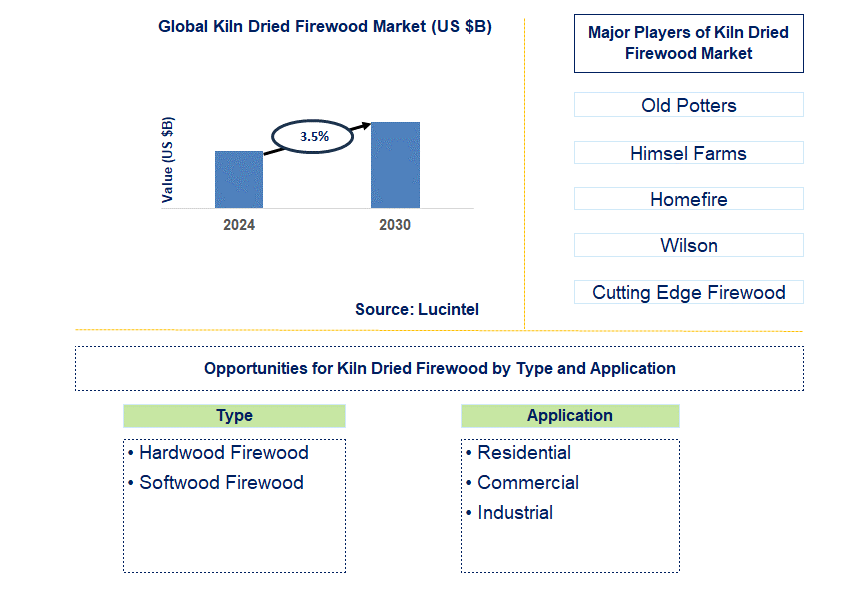
Key data points: The growth forecast = 3.5% annually next for the 6 years. Scroll below to get more insights. This market report covers trends, opportunities, and forecasts in the global kiln dried firewood market to 2030 by type (hardwood firewood and softwood firewood), application (residential, commercial, and industrial), and region (North America, Europe, Asia Pacific, and the Rest of the World)
We'll send your sample report shortly.
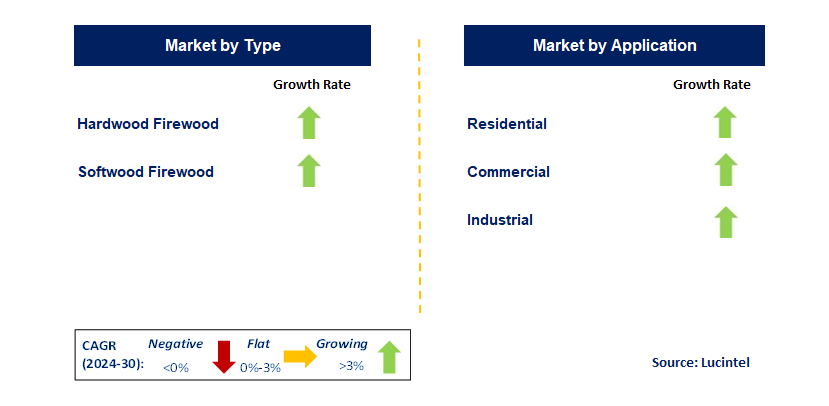
• Lucintel forecasts that, within the type category, hardwood firewood is expected to witness higher growth over the forecast period.
• Within this application category, residential is expected to witness the highest growth.
• In terms of regions, North America is expected to witness the highest growth over the forecast period. Gain valuable insight for your business decisions with our comprehensive 150+ page report.
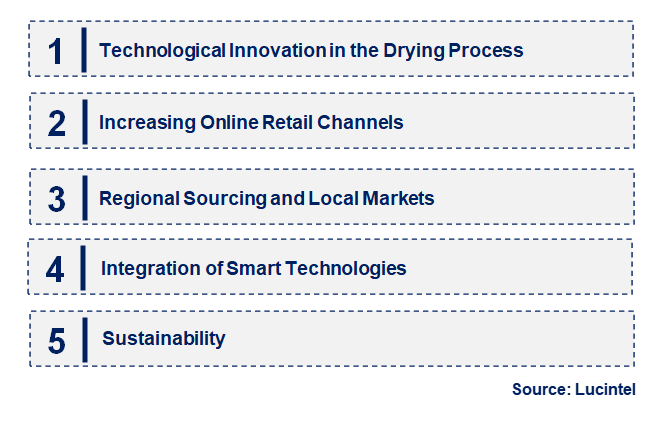
• Technological Innovation in the Drying Process: Kiln-dried firewood manufacturing will be transformed through advances in drying technology. New kilns are being built to minimize energy usage through faster-drying regimes while reducing cycle times and enhancing quality standards. Innovative features such as heat recovery systems and automated monitoring can optimize moisture content and improve combustion performance. This not only improves product quality but also increases production efficiency, allowing suppliers to meet growing demand without raising operational costs.
• Increasing Online Retail Channels: E-commerce has become a game changer for kiln-dried firewood distribution. The increasing consumer demand for convenience has driven the proliferation of online retail, which has spawned specialty firewood retailers and subscription services. This trend expands the customer base available to producers and improves logistics, enhancing the overall customer experience. As online sales rise, manufacturers must also adapt their marketing and distribution strategies to remain competitive in this dynamic environment.
• Regional Sourcing and Local Markets: Regional sourcing is becoming integral to the kiln-dried firewood market. The need for locally sourced firewood, which boosts regional economies and reduces transportation carbon footprints, is growing. This trend encourages manufacturers to connect with local suppliers for kiln-dried firewood production. The use of regional products will also be promoted. Such manufacturers can advance their market positions and attract environmentally conscious consumers by claiming that locally sourced kiln-dried firewood is sustainable and of high quality.
• Integration of Smart Technologies: The inclusion of smart technologies in wood-burning appliances is a newly emerging aspect of kiln-dried firewood. Smart stoves and fireplaces equipped with sensors and application controls make it easier for users to monitor combustion performance and promote a more efficient use of wood. This technological advancement meets consumer demands for convenience and efficiency, further increasing the market's volume.
• Sustainability: The growing consumer demand for eco-friendly products has made kiln-dried firewood one of the most sought-after items in the market, as consumers increasingly seek sustainable heating sources. As awareness of environmental issues rises, consumers look for heating options with fewer pollutants. This pressure compels producers to source materials and manufacture their firewood using environmentally friendly practices. Certified and responsibly sourced kiln-dried firewood presents opportunities for producers to attract eco-friendly buyers, thereby creating brand loyalty. The trends in kiln-dried firewood indicate significant changes towards long-term sustainability, efficiency, and consumer convenience. The demand for green products, technological breakthroughs, growth in e-retail, regionally sourced products, and the integration of smart technology are all gaining momentum. These developments enhance the utility value of kiln-dried firewood while supporting broader environmental goals, positioning it at the forefront of future clean energy initiatives.
• High Technologies Drying: Advanced drying technologies are becoming increasingly prominent among kiln-dried firewood manufacturers as a way to boost their production. Recent solar-assisted kilns and high-performance heat recovery systems have considerably sped up the process with greater energy efficiency. Such technologies ensure optimum moisture content, which is essential for achieving the best combustion efficiency as well as reduced emissions. In this regard, the quality of the final product improves, appealing to consumers who prioritize performance and sustainability. This meets regulatory standards and increases competitiveness among producers in the market.
• Current Developments: The kiln-dried firewood industry is focusing more on sustainable sourcing practices. Many companies source wood from responsibly managed forests, making the final products environmentally friendly and enhancing their commitment to sustainability factors of consumer interest. Certification programs under the Forest Stewardship Council (FSC) are also on the rise; through such programs, consumers become more aware of their choices. This culture fosters loyal clientele and supports the economy as it impacts the practice of sustainable forestry.
• Regulation and Standards: Regulations concerning emissions and environmental impact have led to many changes in the kiln-dried firewood industry. Governments are setting standards related to lower emissions from fire-burning appliances, which has raised the need for kiln-dried wood as a cleaner-burning variety. Now, producers are focused on compliance with such regulations, enhancing the quality of their products to meet environmental standards. This not only boosts consumer confidence but also positions kiln-dried firewood as a clean heating source in efforts toward healthier heating options.
• E-commerce: There is a significant shift in the way kiln-dried firewood is sold and promoted, largely through e-commerce. The demand for purchasing firewood online has created a need for platforms and subscription services for special sales. This transition opens producers up to a larger consumer base and enhances the distribution operation. More effective internet media and alternative promotional techniques will be critical in capturing consumer attention and building brand recognition in a more competitive environment. E-commerce also facilitates greater education of consumers regarding the benefits of kiln-dried firewood.
• Market Diversification: The market for kiln-dried firewood is expanding into new end-use products as producers explore different sections of the consumer marketplace. Beyond residential heating, manufacturers are focusing on outdoor uses—from grilling and camping to recreational applications—which aligns with the trend toward sustainable living and outdoor recreation. Manufacturers can capitalize on niche markets by entering these categories when the demand for firewood is high. They could enhance their profitability and brand positioning through customized offerings for specific consumers within each of the diversified categories. Recent trends in the kiln-dried firewood market are characterized by considerable changes in the industry, driven by technological advancements, sustainable practices, and consumer preferences. Advances in technology, sustainable harvesting, strict regulatory compliance, growth in e-commerce, and market diversification form an industry that is both more competitive and environmentally responsible. Product quality and supply improve alongside consumer demand for clean and efficient heating solutions.
• Residential Heating Solutions: The demand for efficient residential heating creates a massive opportunity for kiln dried firewood. High fuel prices and increasing environmental concerns have consumers seeking alternative solutions that reduce or eliminate reliance on fossil fuels. Kiln dried firewood has less moisture and produces fewer harmful emissions when burned, allowing manufacturers to promote these benefits. With households increasingly focused on sustainability, the demand for kiln dried firewood as a clean, renewable heating alternative will rise, leading to sales growth.
• Outdoor Recreation and Barbecues: The outdoor recreation segment presents an appealing opportunity for kiln dried firewood producers. As interest in camping, bonfires, and outdoor cooking continues to grow, the demand for high-quality firewood that burns well and enhances flavor will increase. Marketing kiln dried firewood directly to consumers as a product for barbecuing and other leisure uses may attract new customers to manufacturers. With the trend of consumers engaging more with nature and outdoor activities, this may contribute significantly to overall market growth.
• Eco-friendly Product Lines: The desire for environmentally friendly products is prevalent among consumers across various industries, and firewood is no exception. Manufacturers can capitalize on this trend by introducing green product lines, such as kiln dried firewood sourced from certified forests. These eco-friendly features are likely to generate significant appeal for brands and attract environmentally conscious consumers. This will not only increase revenues but also help establish the brand's position in a competitive marketplace focused on environmental safety.
• Subscription Services: Subscription services represent another area for expansion, particularly for kiln dried firewood. Providing periodic deliveries of high-quality firewood directly to customers fosters convenience and loyalty. This model creates reliable revenue flows and retains customers, as consumers prefer avoiding inconvenient purchases. Thus, subscription models can significantly enhance market reach and consumer retention.
• Regional Sourcing Partnerships: Forming regional sourcing partnerships will enhance the sustainability and local appeal of the kiln dried firewood market. Sourcing from regional wood suppliers ensures consistency and reliability along the supply chain while supporting local economies. This strategy aligns with consumer interest in regionally sourced products, thereby enhancing brand loyalty. Producers will be well-positioned in the market by demonstrating a commitment to regional sourcing and capitalizing on consumer demand for local suppliers. Strategic growth opportunities in kiln dried firewood include residential heating, outdoor recreation, eco-friendly product lines, subscription services, and regional sourcing partnerships. Pursuing such opportunities would maximize market presence for manufacturers while aligning with consumer trends toward sustainability and convenience. These growth strategies will further advance the kiln dried firewood market and increase consumer acceptance in an evolving energy landscape.
• Increasing Consumer Awareness of Sustainability: Major factors propelling the kiln dried firewood market include growing consumer awareness and concern regarding environmental issues. As people become increasingly concerned about sustainability, cleaner heating products that produce fewer emissions command greater demand. This encourages manufacturers to emphasize the eco-friendliness of kiln dried firewood and address the concerns of environmentally conscious consumers. This orientation helps manufacturers build brand loyalty and remain competitive in the market.
• Technological Upgrades in Production: Innovations in drying technologies enhance efficiency in kiln dried firewood production. Improved kilns and drying processes ensure better quality products with lower moisture levels. These advancements enhance manufacturers' capacity to meet rising consumer demand while maintaining regulatory standards. Over time, technological improvements are likely to result in better products and more efficient processes that further facilitate market growth.
• Regulatory Support for Cleaner Heating Solutions: Supportive regulatory frameworks with strict emissions standards that promote wood-burning appliance replacement create a favorable competitive landscape for kiln dried firewood. Increasingly broad government policies support clean alternatives to conventional fuels, framing the use of kiln dried firewood as a viable option. Compliance with tighter emissions standards instills consumer confidence and encourages market adoption, expanding the consumer base for producers.
• Economic Factors and Energy Costs: Energy price volatility influences consumer choices in home heating. When traditional fossil fuel sources become expensive, consumers turn to alternative sources that are cheaper and more eco-friendly, such as kiln dried firewood. Economic factors drive the market under fluctuating commodity prices, leading consumers to seek affordable warmth. Given the volatility of energy costs, the demand for kiln dried firewood is likely to increase. Challenges in the kiln dried firewood market are:
• Competition from Alternative Heating Sources: Although the kiln dried firewood market is growing, it faces competition from alternative heating sources such as electric heating and natural gas. Producers must differentiate their products and highlight the unique benefits of kiln dried firewood. Marketing will be an innovative battleground that seeks customer enrollment and retention in this sector.
• Supply Chain Disruptions: Supply chain disruptions may affect the availability and pricing of kiln dried firewood. Issues such as inventory delays in transportation and variations in raw material production may result in increased costs and strained production. Manufacturers need to find ways to address these problems by establishing solid relationships with reliable sourcing partners and improving logistics arrangements to stabilize the market supply of kiln dried firewood.
• Consumer Education: A lack of knowledge among consumers regarding the advantages of kiln dried firewood may hinder further market growth. Educating consumers about the superior combustion efficiency and lower emissions produced by kiln dried firewood is essential. In the absence of such knowledge, the willingness to switch from traditional firewood or other fuels will be low. Marketing efforts must focus on consumer education to develop acceptance and demand. These drivers and challenges in the kiln dried firewood market highlight the complexity of the field. Consumer preferences, technological changes, and regulatory variables interact to shape this market. Increased awareness of sustainability, technological innovations, and support from regulatory bodies promote market growth. However, addressing supply chain interruptions, competing heating alternatives, and mitigating competition are necessary for stakeholders to navigate this evolving landscape.
• Old Potters
• Himsel Farms
• Homefire
• Wilson
• Cutting Edge Firewood
• Smoak Firewood
• City Firewood
• Hardwood Firewood
• Softwood Firewood
• Residential
• Commercial
• Industrial
• North America
• Europe
• Asia Pacific
• The Rest of the World
• United States: The United States has experienced new developments in kiln dried firewood, with a focus on improving drying technologies and enhancing efficiency. Manufacturers are increasingly using better kilns to minimize moisture levels in the firewood, which increases combustion efficiency and reduces emissions. More certification programs promoting proper quality and sustainable production of firewood have emerged in the market. More eco-conscious consumers also translate to greater demand for packaged and branded kiln dried firewood products. This trend benefits local economies and fosters a competitive environment among producers to ensure quality, convenience, and environmental concerns.
• China: The market for firewood in China has grown rapidly in the last few years, mainly due to increased energy consumption and pollution. The government is promoting alternative clean heating options instead of coal, thereby encouraging kiln dried firewood as an alternative. Investments in advanced drying technology made in recent years have helped increase production efficiency, enabling manufacturers to keep pace with the growing demand for high-quality firewood. A recent shift in consumer preference due to urbanization has increased the demand for more convenient and environmentally friendly heating systems. This makes kiln dried firewood a relevant solution in China that addresses both energy demands and environmental considerations.
• Germany: The German kiln dried firewood market is becoming sophisticated, with a strong emphasis on sustainability and regulatory compliance. For instance, regulations on emissions from wood burning appliances have tightened recently, prompting customers to switch to kiln dried firewood for cleaner burning. Manufacturers will also focus on sourcing wood from sustainable forests and developing environmentally friendly production methods. The increasing use of wood stoves and fireplaces in cities also supports the demand for high-quality kiln dried firewood. This aligns with Germany's commitment to renewable energy and reducing reliance on fossil fuels, helping the country achieve its climate goals.
• India: Kiln dried firewood is emerging as a solution to India's energy problems and pollution issues. Recent advancements include compact kilns, which are portable and accessible for local producers. Increased awareness of air quality and health impacts associated with burning traditional biomass have led consumers to seek cleaner alternatives like kiln dried firewood. Demand has also been boosted by government initiatives promoting renewable energy sources. This approach will not only be energy efficient but will also align with broader development goals in India aimed at sustainability and pollution reduction.
• Japan: A renewed interest in kiln dried firewood has emerged in Japan as a sustainable energy solution. Current developments incorporate traditional wood burning practices along with modern technology for improved efficiency and reduced emissions. The market is shifting toward more locally sourced kiln dried firewood, fostering the growth of regional products and greater sustainability. Eco-tourism and outdoor recreation have also increased the demand for quality firewood for grilling and camping. This further emphasizes the trend towards blending tradition and innovation in Japan's kiln dried firewood market, encouraging consumers to use this type of firewood in various activities.


• Old Potters
• Himsel Farms
• Homefire
• Wilson
• Cutting Edge Firewood
• Smoak Firewood
• City Firewood Q5. Which kiln dried firewood market segment will be the largest in future? Answer: Lucintel forecasts that hardwood firewood is expected to witness the higher growth over the forecast period. Q6. In kiln dried firewood market, which region is expected to be the largest in next 5 years? Answer: North America is expected to witness highest growth over the forecast period. Q.7 Do we receive customization in this report? Answer: Yes, Lucintel provides 10% customization without any additional cost.


Choose a license that fits your team. Instant PDF delivery.
Prices exclude taxes. Instant delivery. Custom licensing available on request.
Market Report · July 22, 2026
Market Report · July 22, 2026
Market Report · July 22, 2026
Trusted partner for strategic intelligence and business growth


Receive a complimentary market analysis tailored to your industry. Our analysts will identify key growth opportunities and competitive dynamics specific to your business.

Market size, growth rate, and key trend analysis for your specific sector.

Top competitor positioning and market share analysis.

Strategic recommendations backed by data-driven insights.
Get curated market intelligence and competitive moves straight to your inbox.
By subscribing, you agree to receive our monthly insights. Unsubscribe anytime.
Receive a complimentary market analysis tailored to your industry. Our analysts will identify key growth opportunities and competitive dynamics specific to your business.
Market size, growth rate, and key trend analysis for your specific sector.
Top competitor positioning and market share analysis.
Strategic recommendations backed by data-driven insights.
Get curated market intelligence, emerging trends, and competitive moves straight to your inbox each month.
By subscribing, you agree to receive our monthly insights. Unsubscribe anytime.
We'll send your sample report shortly.