
Market Report · July 20, 2026

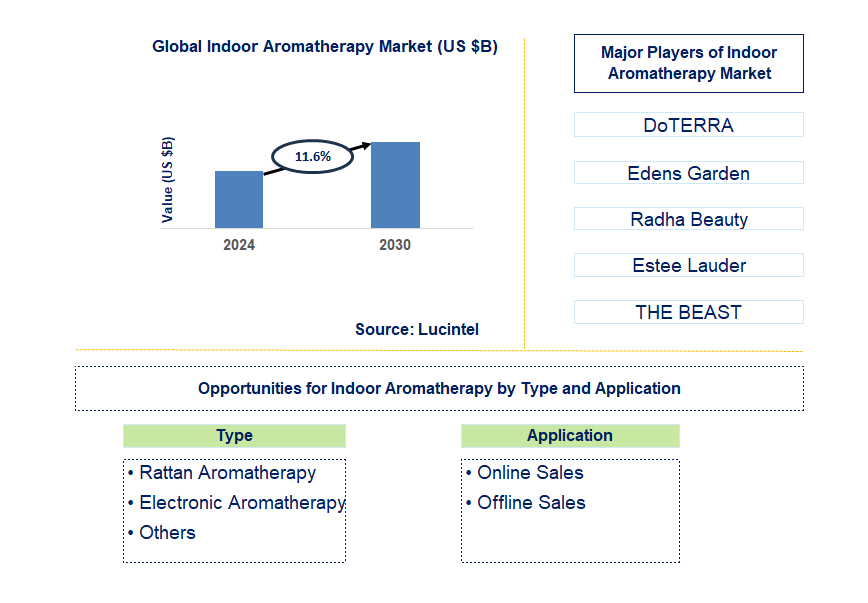
Key data points: The growth forecast = 11.6% annually for the next 6 years. Scroll below to get more insights. This market report covers trends, opportunities, and forecasts in the global indoor aromatherapy market to 2030 by type (rattan aromatherapy, electronic aromatherapy, and others), application (online sales and offline sales), and region (North America, Europe, Asia Pacific, and the Rest of the World)
We'll send your sample report shortly.
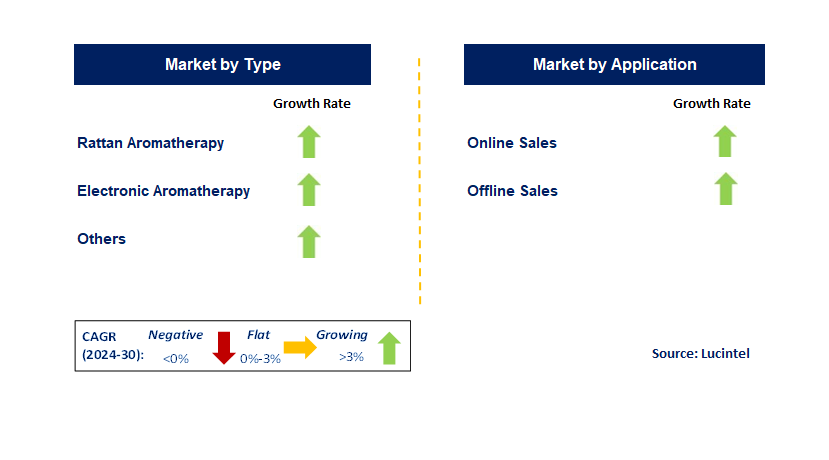
• Lucintel forecasts that, within the type category, rattan aromatherapy is expected to witness a higher growth over the forecast period.
• Within the application category, offline sale is expected to witness a higher growth.
• In terms of regions, APAC is expected to witness highest growth over the forecast period. A more than 150-page report is developed to help in your business decisions.
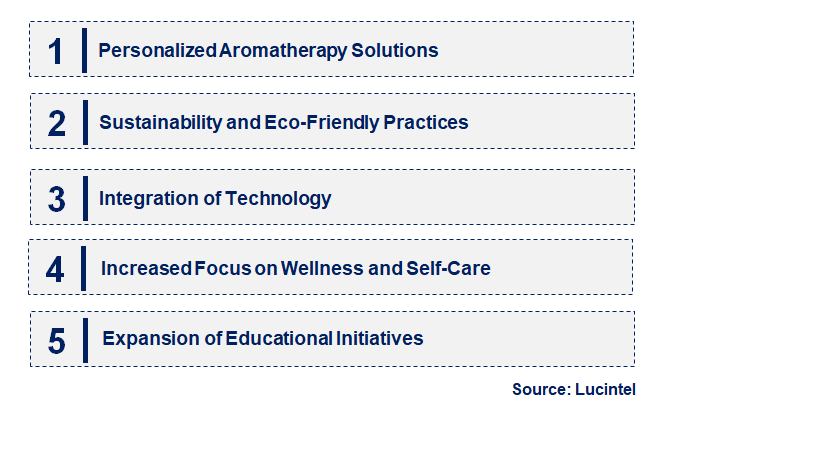
• Personalized Aromatherapy Solutions: Consumers are increasingly seeking personalized aromatherapy solutions tailored to their specific wellness needs. Brands are responding by offering customizable essential oil blends and diffusers that allow users to create their own unique scents. This trend enhances the user experience, as individuals can select fragrances that resonate with them, targeting issues like stress relief or energy enhancement. As technology evolves, companies may leverage data analytics and consumer feedback to refine their offerings, ensuring that personalized solutions remain at the forefront of market innovation.
• Sustainability and Eco-Friendly Practices: Sustainability is becoming a significant focus in the indoor aromatherapy market. Consumers are increasingly concerned about the environmental impact of their purchases, leading brands to adopt eco-friendly practices. This includes using sustainably sourced essential oils, biodegradable packaging, and ethical production methods. Brands that prioritize sustainability are likely to resonate more with conscious consumers, enhancing brand loyalty and market share. As the demand for eco-friendly products rises, companies that embrace sustainable practices will be well-positioned for long-term success in the aromatherapy market.
• Integration of Technology: The integration of technology into aromatherapy is revolutionizing the consumer experience. Smart diffusers equipped with app connectivity allow users to control their aromatherapy settings remotely, customize scent intensity, and schedule diffusion times. This trend enhances convenience and encourages regular use of aromatherapy products. As technology continues to advance, the potential for further innovations—such as scent recognition and mood tracking—could elevate the aromatherapy experience. Brands that leverage technology effectively will likely capture a tech-savvy audience and differentiate themselves in a competitive market.
• Increased Focus on Wellness and Self-Care: The growing emphasis on wellness and self-care is driving the popularity of indoor aromatherapy. As consumers increasingly prioritize mental and emotional well-being, aromatherapy is recognized for its therapeutic benefits in reducing stress and enhancing relaxation. This trend is further amplified by the rise of wellness influencers and social media campaigns promoting self-care routines. Brands that align their messaging with wellness trends are likely to attract more consumers. As self-care continues to gain traction, aromatherapy will play a crucial role in the broader wellness landscape.
• Expansion of Educational Initiatives: There is a notable expansion of educational initiatives surrounding indoor aromatherapy, as brands and organizations seek to inform consumers about the benefits and applications of essential oils. Workshops, online courses, and informative content on social media platforms are becoming more prevalent, empowering consumers to make informed choices. This trend not only enhances consumer confidence in using aromatherapy products but also fosters community engagement. As education becomes a priority, it is expected to drive greater adoption and acceptance of aromatherapy practices, benefiting the overall market. The indoor aromatherapy market is evolving rapidly, shaped by personalized solutions, sustainability, technology integration, wellness trends, and educational initiatives. These emerging trends reflect changing consumer preferences and the industry's response to meet those needs. As the market continues to grow, stakeholders who adapt to these trends will be well-positioned for success, ultimately contributing to a greater appreciation for the benefits of aromatherapy in everyday life.
• Innovative Diffuser Designs: Recent advancements in diffuser technology have transformed how consumers experience aromatherapy at home. New designs incorporate smart technology, allowing users to control settings via smartphone apps. Features like customizable timer settings and intensity levels enhance user convenience and personalization. Additionally, aesthetically pleasing designs integrate seamlessly into home decor, making them attractive additions to living spaces. As brands continue to innovate in diffuser technology, they cater to consumer demands for both functionality and style, driving further growth in the aromatherapy market.
• Eco-Friendly Products: A significant trend in the indoor aromatherapy market is the shift towards eco-friendly and sustainable products. Consumers are increasingly concerned about the environmental impact of their purchases, prompting brands to adopt sustainable practices. This includes sourcing essential oils from responsible suppliers, using biodegradable packaging, and minimizing waste in production. By aligning with consumer values, companies that prioritize sustainability can strengthen brand loyalty and appeal to a growing segment of environmentally conscious consumers. This focus on eco-friendly practices is expected to enhance market competitiveness and drive future growth.
• Personalized Aromatherapy Solutions: Personalization is becoming a key focus in the indoor aromatherapy market. Brands are offering customizable essential oil blends and kits that allow consumers to create their own unique scent combinations. This trend not only enhances the user experience but also enables consumers to target specific wellness goals, such as stress relief or improved sleep quality. As technology advances, companies may leverage data analytics to refine their offerings based on consumer preferences. Personalized solutions are expected to attract a diverse range of customers, further expanding the market.
• Integration of Wellness Practices: The integration of aromatherapy into broader wellness practices is gaining traction. Many consumers now view aromatherapy as an essential component of their self-care routines, alongside yoga, meditation, and mindfulness practices. Brands are responding by promoting aromatherapy as a holistic wellness tool, emphasizing its benefits for mental and emotional health. Collaborations with wellness influencers and health professionals are enhancing the credibility of aromatherapy within the wellness community. This trend is expected to drive increased consumer adoption, positioning aromatherapy as a valuable tool for holistic well-being.
• Growth of Online Sales Channels: The rise of e-commerce has significantly impacted the indoor aromatherapy market, offering consumers easy access to a wide range of products. Online platforms allow for greater product variety and convenience, with many brands utilizing social media to showcase their offerings and engage with customers. The ability to compare products and read reviews empowers consumers to make informed choices. Additionally, subscription services for essential oil deliveries are becoming popular, providing ongoing access to new blends and products. This shift towards online sales is expected to continue, enhancing market reach and growth opportunities. Recent developments in the indoor aromatherapy market underscore a dynamic shift towards innovation, sustainability, and personalization. With advancements in diffuser technology, an emphasis on eco-friendly practices, and the integration of wellness into everyday routines, the market is poised for significant growth. The expansion of online sales channels further facilitates consumer access to these products, catering to the increasing demand for holistic health solutions. As these trends continue to evolve, the indoor aromatherapy market will likely expand, offering diverse and meaningful experiences to consumers.
• Wellness and Relaxation: The wellness and relaxation segment is a major growth opportunity in the indoor aromatherapy market. Consumers are increasingly using essential oils to manage stress, anxiety, and overall well-being. Products such as diffusers, aromatherapy candles, and roll-ons specifically designed for relaxation are gaining popularity. Brands can capitalize on this trend by developing targeted blends that address specific concerns, such as stress relief or mood enhancement. Educational initiatives that inform consumers about the benefits of different essential oils will further drive adoption. As the demand for holistic wellness solutions continues to rise, this segment is poised for significant growth.
• Home Fragrance: Home fragrance applications represent another key growth area in the indoor aromatherapy market. Consumers are shifting towards natural alternatives to synthetic air fresheners, seeking products that not only smell good but also offer therapeutic benefits. Essential oil-based candles, room sprays, and wax melts are becoming popular choices for enhancing home ambiance. Brands can differentiate themselves by offering unique scent combinations that promote relaxation or energize spaces. As consumers prioritize natural home products, the demand for aromatic solutions that elevate their living environments will likely continue to grow, creating opportunities for innovation in this segment.
• Sleep Enhancement: The sleep enhancement application is increasingly recognized as a critical growth opportunity within the indoor aromatherapy market. Essential oils like lavender, chamomile, and bergamot are well-known for their calming properties and are being formulated into products aimed at improving sleep quality. Brands can develop specialized diffusers, pillow sprays, and sleep blends that cater to consumers struggling with insomnia or restlessness. Collaborations with sleep experts and research-backed marketing can further boost credibility and consumer trust. As more people seek effective solutions for sleep-related issues, this segment is expected to see substantial growth.
• Air Purification: Air purification is emerging as a promising application within the indoor aromatherapy market, driven by growing consumer awareness of indoor air quality. Essential oils with antibacterial and antifungal properties can help purify the air, making them appealing for health-conscious consumers. Products such as essential oil diffusers with purifying capabilities and blends designed for air cleansing are gaining traction. Brands can leverage this opportunity by highlighting the dual benefits of aromatherapy and air purification in their marketing efforts. As people become more aware of the importance of a healthy living environment, this segment is likely to grow significantly.
• Corporate Wellness: The corporate wellness application presents a unique growth opportunity in the indoor aromatherapy market. As companies increasingly prioritize employee well-being, integrating aromatherapy into workplace environments can enhance productivity and reduce stress. Brands can develop tailored solutions, such as essential oil diffusers for office spaces, aromatherapy workshops, and subscription services for businesses. Promoting the benefits of aromatherapy for mental clarity and mood enhancement can attract corporate clients looking to foster a positive work culture. As corporate wellness initiatives continue to gain traction, this segment offers significant potential for market expansion. The indoor aromatherapy market is ripe with strategic growth opportunities across various applications, including wellness and relaxation, home fragrance, sleep enhancement, air purification, and corporate wellness. By focusing on these key areas, brands can cater to evolving consumer needs and preferences, driving innovation and expanding their market presence. As awareness of the benefits of aromatherapy continues to grow, these applications will likely play a crucial role in shaping the future of the industry.
• Growing Consumer Awareness of Wellness: There is increasing awareness among consumers about the importance of mental and emotional well-being. As people seek natural remedies to manage stress and anxiety, the demand for aromatherapy products has surged. This trend is supported by educational initiatives and wellness campaigns that promote the therapeutic benefits of essential oils. Consumers are increasingly looking for holistic solutions that enhance their quality of life, driving the growth of the indoor aromatherapy market. Brands that effectively communicate the health benefits of their products can capitalize on this growing consumer interest.
• Technological Advancements: Innovations in technology are playing a significant role in the indoor aromatherapy market. The development of smart diffusers and app-controlled devices has enhanced the user experience, allowing for greater customization of scent diffusion. Moreover, advances in extraction and formulation techniques have improved the quality and potency of essential oils. These technological enhancements not only make aromatherapy more accessible but also appeal to tech-savvy consumers who appreciate convenience and innovation. As technology continues to evolve, it is expected to drive further growth and diversification in the market.
• Rising Demand for Natural Products: The trend toward natural and organic products is a major driver in the indoor aromatherapy market. Consumers are increasingly avoiding synthetic fragrances and seeking out natural alternatives that align with their health-conscious lifestyles. Essential oils are perceived as safer and more effective options for home fragrance and therapeutic applications. This demand for natural products is prompting brands to prioritize organic sourcing and sustainable practices. As consumers become more discerning about ingredients, companies that offer high-quality, ethically sourced essential oils will likely capture a larger share of the market.
• Integration of Aromatherapy in Wellness Practices: The integration of aromatherapy into broader wellness practices, such as yoga, meditation, and holistic health, is creating new growth opportunities. Consumers increasingly view aromatherapy as an essential part of their self-care routines, which enhances its appeal as a wellness tool. This trend is supported by collaborations with wellness influencers and the promotion of aromatherapy in wellness centers and spas. As aromatherapy becomes more accepted within the wellness community, its visibility and usage will likely increase, driving demand for related products.
• Expansion of E-commerce Channels: The rapid growth of e-commerce is transforming the indoor aromatherapy market by providing consumers with easy access to a diverse range of products. Online shopping allows consumers to compare options, read reviews, and discover new brands without geographical constraints. This shift is particularly beneficial for niche brands that may not have a strong presence in physical retail. Additionally, e-commerce platforms offer opportunities for targeted marketing and personalized shopping experiences, helping to boost sales. As e-commerce continues to expand, it is expected to significantly contribute to the growth of the aromatherapy market. Challenges in the indoor aromatherapy market are:
• Regulatory Compliance: Navigating the complex regulatory landscape is a significant challenge for companies in the indoor aromatherapy market. Different countries have varying standards and regulations regarding the safety and labeling of essential oils and aromatherapy products. Ensuring compliance can be resource-intensive and may slow down product launches. Moreover, strict regulations can limit ingredient use and formulation options, affecting innovation. Companies must invest in understanding these regulations and ensuring that their products meet safety standards to avoid potential legal issues and maintain consumer trust.
• Intense Competition: The indoor aromatherapy market is becoming increasingly competitive, with numerous brands vying for market share. This competition can lead to pricing pressures and reduced profit margins, making it challenging for companies to sustain profitability. Established brands face competition from new entrants that offer unique products or innovative approaches to aromatherapy. To differentiate themselves, companies must focus on product quality, effective marketing, and building strong brand loyalty. The challenge lies not only in developing superior products but also in effectively communicating their value to consumers in a crowded marketplace.
• Supply Chain Disruptions: Supply chain disruptions pose a significant challenge to the indoor aromatherapy market, particularly for companies that rely on the sourcing of natural ingredients. Factors such as geopolitical tensions, climate change, and recent pandemic-related disruptions have highlighted vulnerabilities in global supply chains. These issues can lead to increased costs, delays in production, and limited availability of products. Companies must develop robust supply chain strategies and consider local sourcing options to mitigate these risks and ensure a consistent supply of high-quality products to meet market demand. The indoor aromatherapy market is driven by growing consumer awareness of wellness, technological advancements, rising demand for natural products, integration into wellness practices, and e-commerce expansion. However, challenges such as regulatory compliance, intense competition, and supply chain disruptions must be carefully navigated. Understanding these drivers and challenges is crucial for stakeholders aiming to capitalize on opportunities in this dynamic and evolving market.
• DoTERRA
• Edens Garden
• Radha Beauty
• Estee Lauder
• THE BEAST
• MINISO
• MUJI
• LVMH
• Malie Organics
• Dani Naturals
• Rattan Aromatherapy
• Electronic Aromatherapy
• Others
• Online Sales
• Offline Sales
• North America
• Europe
• Asia Pacific
• The Rest of the World
• United States: In the United States, the indoor aromatherapy market has expanded rapidly, with a surge in demand for essential oil diffusers and blends. Companies are innovating by offering customized aromatherapy kits that target specific wellness needs, such as stress relief and sleep enhancement. The rise of e-commerce platforms has made it easier for consumers to access a wide variety of products, contributing to market growth. Additionally, partnerships with wellness influencers and participation in health-related events are increasing brand visibility. The focus on sustainability is also notable, with many brands prioritizing eco-friendly packaging and sourcing practices.
• China: The indoor aromatherapy market in China is witnessing remarkable growth as consumers become more health-conscious and seek natural remedies for relaxation and stress management. The popularity of traditional Chinese medicine is influencing aromatherapy practices, leading to a unique fusion of essential oils and herbal remedies. E-commerce platforms dominate the distribution landscape, allowing consumers easy access to a wide range of products. Furthermore, the government’s support for wellness initiatives is fostering awareness of aromatherapy's benefits. As Chinese consumers increasingly embrace wellness trends, the market for aromatherapy products is expected to continue expanding.
• Germany: Germany has seen a growing interest in indoor aromatherapy, particularly among health-conscious consumers who value holistic approaches to well-being. Recent developments include an increase in workshops and educational events focused on the therapeutic uses of essential oils. German brands are also innovating by creating high-quality, organic essential oil blends that cater to specific wellness needs. The market is characterized by a strong emphasis on sustainability, with many companies adopting eco-friendly practices and transparent sourcing. Additionally, aromatherapy is increasingly integrated into spa and wellness centers, further boosting its visibility and acceptance among consumers.
• India: In India, the indoor aromatherapy market is gaining momentum as awareness of its benefits spreads across urban populations. Traditional practices and Ayurveda influence the use of essential oils, leading to a growing interest in natural remedies. The market is characterized by a wide range of products, from diffusers to ready-to-use blends. E-commerce is becoming a crucial distribution channel, enabling consumers to access a variety of brands and offerings. Collaborations with wellness influencers and health professionals are helping to educate consumers about the benefits of aromatherapy, driving demand for these products in the country.
• Japan: The indoor aromatherapy market in Japan is evolving, with consumers increasingly seeking products that promote relaxation and well-being amid a fast-paced lifestyle. The integration of aromatherapy into traditional practices, such as Shinto rituals, is fostering a deeper appreciation for essential oils. Recent developments include the introduction of sophisticated diffusers and custom blends that cater to individual preferences. Japanese consumers are also embracing wellness-focused lifestyles, driving demand for high-quality, natural products. The focus on aesthetics is notable, with brands designing visually appealing products that align with Japanese minimalism, enhancing their appeal in the market.


• DoTERRA
• Edens Garden
• Radha Beauty
• Estee Lauder
• THE BEAST
• MINISO
• MUJI
• LVMH
• Malie Organics
• Dani Naturals Q5. Which indoor aromatherapy market segment will be the largest in future? Answer: Lucintel forecasts that rattan aromatherapy is expected to witness the higher growth over the forecast period. Q6. In indoor aromatherapy market, which region is expected to be the largest in next 5 years? Answer: APAC is expected to witness highest growth over the forecast period. Q.7 Do we receive customization in this report? Answer: Yes, Lucintel provides 10% customization without any additional cost.


Choose a license that fits your team. Instant PDF delivery.
Prices exclude taxes. Instant delivery. Custom licensing available on request.
Market Report · July 20, 2026
Market Report · July 15, 2026
Market Report · July 15, 2026
Trusted partner for strategic intelligence and business growth


Receive a complimentary market analysis tailored to your industry. Our analysts will identify key growth opportunities and competitive dynamics specific to your business.

Market size, growth rate, and key trend analysis for your specific sector.

Top competitor positioning and market share analysis.

Strategic recommendations backed by data-driven insights.
Get curated market intelligence and competitive moves straight to your inbox.
By subscribing, you agree to receive our monthly insights. Unsubscribe anytime.
Receive a complimentary market analysis tailored to your industry. Our analysts will identify key growth opportunities and competitive dynamics specific to your business.
Market size, growth rate, and key trend analysis for your specific sector.
Top competitor positioning and market share analysis.
Strategic recommendations backed by data-driven insights.
Get curated market intelligence, emerging trends, and competitive moves straight to your inbox each month.
By subscribing, you agree to receive our monthly insights. Unsubscribe anytime.
We'll send your sample report shortly.