
Market Report · July 31, 2026

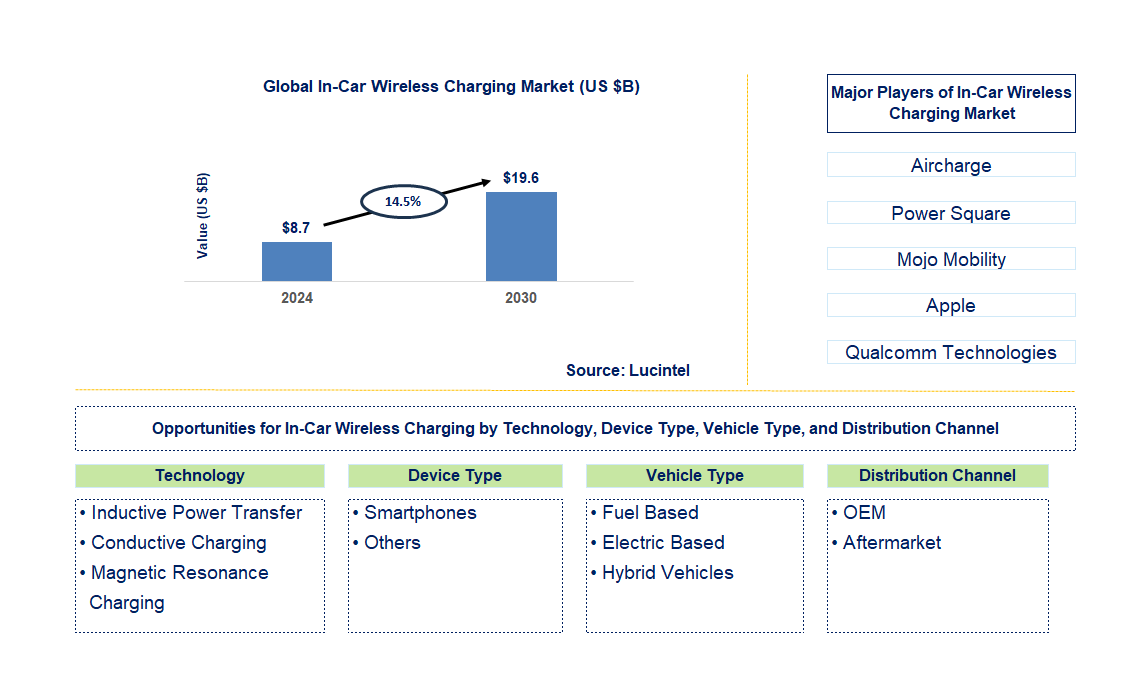
Key data points: The market size in 2030 = $19.6 billion, growth forecast = 14.5% annually for the next 6 years. Scroll below to get more insights. This market report covers trends, opportunities, and forecasts in the global in-car wireless charging market to 2030 by technology (inductive power transfer, conductive charging, and magnetic resonance charging), device type (smartphones and others), vehicle type (fuel based, electric based, and hybrid vehicles), distribution channel (OEM and aftermarket), and region (North America, Europe, Asia Pacific, and the Rest of the World)
We'll send your sample report shortly.
• Lucintel forecasts, within distribution channel category, OEM is expected to witness the highest growth over the forecast period.
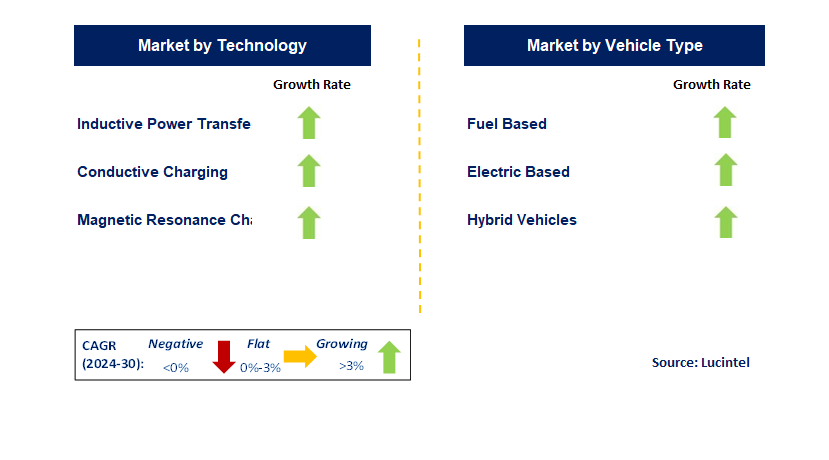
• Within vehicle type category market, electric based is expected to witness the highest growth over the forecast period.
• In terms of regions, North America is expected to witness highest growth over the forecast period. A more than 150-page report is developed to help in your business decisions.
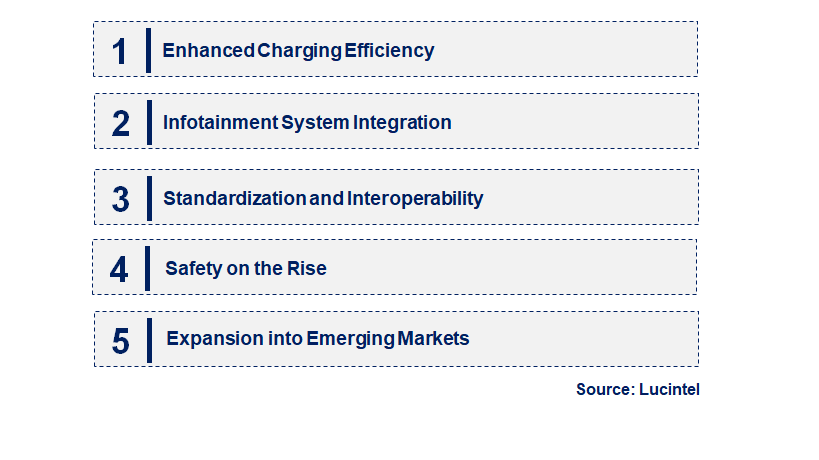
• Enhanced Charging Efficiency: Recent developments focus on increasing the efficiency of wireless charging systems to reduce charging times and improve energy transfer rates. This involves designing coils and advancing power management technologies. Increased efficiency not only shortens charging times for users but also enhances overall vehicle energy efficiency by minimizing energy losses.
• Infotainment System Integration: Wireless charging pads are increasingly installed alongside infotainment units in modern cars, providing a seamless user experience. This integration allows users to operate charging functions more easily and enhances comfort by enabling drivers to manage and monitor charging activity from the vehicle's central interface. The application of wireless charging technology is trending, particularly in premium and high-tech models.
• Standardization and Interoperability: Interoperability and standardization are gaining momentum in developing uniform standards for wireless charging systems. This ensures that various brands and models of vehicles can use the technology easily, enhancing user-friendliness and driving adoption. Standardization also simplifies the development of wireless charging infrastructure, further boosting growth in the global market.
• Safety on the Rise: Although safety remains a concern, new technologies continue to enhance the safety of wireless in-car charging systems. Innovations include overheating prevention through advanced cooling technologies and electromagnetic shielding to reduce health risks. These measures build consumer confidence and ensure that wireless charging mechanisms function reliably.
• Expansion into Emerging Markets: Emerging markets like Asia and Africa are focal points for growth in in-car wireless charging. This growth is partly due to rising demand for electric vehicles and consumer interest in modern automotive technologies. Companies are seizing opportunities by offering cost-effective and highly efficient wireless charging solutions that meet the needs of these regions. These emerging trends continue to reshape the in-car wireless charging market, driving technological development and enhancing user convenience. The expansion also broadens the market's reach. As these trends evolve, they are likely to further promote innovative adoptions and wider use of wireless charging technologies in vehicles.
• Enhanced Charging Efficiency: Recent developments primarily aim to boost the efficiency of wireless charging systems, reducing charging times and improving energy transfer rates. This involves designing coils and advancing power management technologies. Increased efficiency shortens charging times for users and enhances overall vehicle energy efficiency by reducing energy losses.
• Infotainment System Integration: Wireless charging pads are increasingly installed with infotainment units in modern cars, creating a seamless user experience. This integration enables users to operate charging functions with greater ease and enhances comfort by allowing drivers to manage charging activity from their vehicle's central interface. The application of wireless charging technology is trending, especially in premium and high-tech models.
• Standardization and Interoperability: Interoperability and standardization are crucial in developing uniform standards for wireless charging systems. This allows various vehicle brands and models to utilize the technology easily, enhancing user-friendliness and encouraging adoption. Standardization also facilitates easier development of wireless charging infrastructure, further promoting growth in the global market.
• Safety on the Rise: While safety remains a concern, new technologies are enhancing the safety of wireless in-car charging systems. Innovations include overheating prevention using advanced cooling technologies and electromagnetic shielding to reduce health risks. These measures boost consumer confidence and ensure that wireless charging systems operate reliably.
• Expansion into Emerging Markets: Emerging markets, particularly in Asia and Africa, present significant growth potential for in-car wireless charging solutions. Increasing disposable incomes lead to greater consumer interest in advanced automotive features, driving demand for wireless charging systems. Tailored solutions for these markets will create new opportunities and propel market growth. These developments pave the way for the in-car wireless charging market to advance toward improved technologies, safety, and standardization. As these trends evolve, they could lead to wider adoption and integration across the automotive industry.
• Integration with Electric Vehicles (EVs): The increasing adoption of EVs offers substantial potential for wireless charging within cars. Integrating wireless charging systems into EVs can enhance convenience and broaden their appeal to tech-savvy consumers. This integration supports reducing reliance on traditional plug-in charging methods and promotes alternative transportation solutions.
• Development of Universal Charging Standards: Establishing universal charging standards addresses the need for interoperability among different vehicle brands and models. Standard solutions simplify the user interface and ensure wider adoption of wireless charging technology. This also facilitates market growth by lowering entry barriers for new entrants and existing players seeking innovation.
• Expansion into Emerging Markets: Emerging markets in Asia and Africa hold tremendous growth potential for in-car wireless charging solutions. Rising disposable incomes increase consumer interest in advanced automotive features, driving demand for wireless charging systems. Tailored solutions for these markets will create new opportunities and enhance market growth.
• Integration with Autonomous Vehicles: The advent of autonomous vehicles presents new opportunities for in-car wireless charging. This integration facilitates wireless charging systems within autonomous driving modes, enhancing convenience and minimizing manual recharging. This collective approach contributes to developing fully automated, connected transportation solutions.
• Improvements in Efficiency and Safety of Charging: Continuous advancements in charging efficiency and safety present growth prospects for in-car wireless charging solutions. Increases in charging speed, reductions in energy loss, and enhancements in safety features will drive consumer adoption as users seek efficient and reliable charging options. Innovations in these areas could significantly drive market growth and boost wireless charging technology adoption. Technological advancements, market trends, and changing consumer needs are driving strategic growth opportunities in the in-car wireless charging market. By capitalizing on these opportunities, industry participants can foster innovation, enhance market penetration, and further develop wireless charging technologies for automotive applications.
• Technological Advancement: Constant technological advancement is a key factor driving exponential growth in the in-car wireless charging market. Innovations in charging efficiency, power transfer rates, and integration with vehicle systems enhance the overall performance and appeal of wireless charging solutions. These advancements reduce charging times, improve user convenience, and boost technology adoption rates.
• Growing Consumer Demand: Rising demand for advanced automotive features, particularly wireless charging, is driving market growth. Novelty and convenience attract consumers to features that enhance their driving experience. This demand is further fueled by the increasing popularity of electric vehicles and the desire for seamless technology integration in vehicles.
• Government Incentives and Regulations: Government incentives and regulations supporting electric vehicles and green technologies facilitate the adoption of wireless charging systems. Policies promoting green transportation and offering subsidies for advanced automotive features spur growth in the in-car wireless charging market. Such regulations encourage manufacturers to integrate wireless charging solutions into their models.
• Improved Charging Infrastructure: The growth of in-car wireless charging technology is supported by developing public and private charging infrastructures. An increased number of charging locations enhances the convenience of using the system, leading to greater adoption rates. The compatibility of infrastructure development also simplifies the integration of wireless charging into vehicle models.
• Partnerships and Collaborations: Strategic partnerships between automakers, technology providers, and research institutions enable accelerated development of new technologies, standardization of solutions, and optimization of wireless charging system performance. Challenges:
• Regulation and Standardization Issues: Regulatory and standardization challenges hinder market growth in the in-car wireless charging sector. The inability to establish universal standards can lead to incompatibility issues, while varying regional regulations may slow the adoption of wireless car charging. Overcoming these challenges requires global cooperation in establishing standards and simplifying regulatory procedures.
• Implementation Costs: The high cost of implementing in-car wireless charging systems may limit widespread acceptance and application. The costs associated with developing and integrating wireless charging technology into vehicles can restrict availability, especially in budget-conscious markets. Reducing implementation costs is essential for driving broader adoption and improving cost efficiency.
• Consumer Awareness and Acceptance: Limited consumer awareness and acceptance of wireless charging technology could negatively impact market growth. Some consumers may avoid newer technologies due to concerns about reliability, safety, or perceived value. Educating consumers on the benefits of wireless charging is crucial for addressing these concerns and improving adoption rates. The in-car wireless charging market faces various drivers and challenges in its growth and development. Key drivers include technological advancements, increasing consumer demand, and favorable regulations, while critical challenges involve regulatory issues, high implementation costs, and consumer acceptance. Navigating these factors is essential for driving the market toward widespread adoption of wireless charging solutions.
• Aircharge
• Power Square
• Mojo Mobility
• Apple
• Qualcomm Technologies
• Inductive Power Transfer
• Conductive Charging
• Magnetic Resonance Charging
• Smartphones
• Others
• Fuel Based
• Electric Based
• Hybrid Vehicles
• OEM
• Aftermarket
• North America
• Europe
• Asia Pacific
• The Rest of the World
• United States: Recently, most major automobile manufacturers in the U.S. have equipped their new models with wireless charging technology. Developments include high-efficiency charging pads to support faster speeds and expanded compatibility for more devices. Additionally, various partnerships between automakers and technology companies drive innovation in this segment, standardizing wireless charging solutions for better user convenience.
• China: The powerful automotive industry and strong consumer demand for technology-rich in-car features are driving the rapidly growing in-car wireless charging market in China. Local leaders, including BYD and NIO, offer integrated wireless charging systems that support both domestic and international standards. Support from the Chinese government for smart vehicle technologies, including subsidies and incentives, further accelerates the adoption of wireless charging solutions within the expanding electric vehicle market.
• Germany: Known for providing top-quality automotive solutions, Germany is also advancing in wireless charging. Major brands such as BMW and Mercedes-Benz are introducing high-end systems in their flagship models. Improving charging efficiency and integrating charging pads with in-vehicle infotainment systems are key focuses. Furthermore, German carmakers collaborate with technology suppliers to develop solutions that meet European regulations while adapting to future developments.
• India: The in-car wireless charging market is slowly emerging in India, particularly for premium and mid-segment vehicles, as disposable incomes rise and consumers show greater interest in advanced automotive technologies. Local players are developing affordable and efficient wireless charging solutions for the Indian market. The growth of the EV market and government initiatives to promote green technology are also driving the development of wireless charging infrastructure and its adoption in the country.
• Japan: As a technological leader in the automobile sector, Japan is experiencing growth in in-car wireless charging. Leading automotive firms like Toyota and Honda have begun equipping their new models with in-car wireless charging. Recent developments include highly efficient charging systems targeted at both conventional and electric vehicles. Japanese companies are investing in research to enhance the safety and reliability of the technology while ensuring compatibility with most devices, aiming to provide a better user experience.


• Aircharge
• Power Square
• Mojo Mobility
• Apple
• Qualcomm Technologies Q6. Which in-car wireless charging market segment will be the largest in future? Answer: Lucintel forecasts that OEM is expected to witness the highest growth over the forecast period. Q7. In in-car wireless charging market, which region is expected to be the largest in next 5 years? Answer: North America is expected to witness highest growth over the forecast period. Q.8 Do we receive customization in this report? Answer: Yes, Lucintel provides 10% customization without any additional cost.


Choose a license that fits your team. Instant PDF delivery.
Prices exclude taxes. Instant delivery. Custom licensing available on request.
Market Report · July 31, 2026
Market Report · July 22, 2026
Market Report · July 17, 2026
Trusted partner for strategic intelligence and business growth


Receive a complimentary market analysis tailored to your industry. Our analysts will identify key growth opportunities and competitive dynamics specific to your business.

Market size, growth rate, and key trend analysis for your specific sector.

Top competitor positioning and market share analysis.

Strategic recommendations backed by data-driven insights.
Get curated market intelligence and competitive moves straight to your inbox.
By subscribing, you agree to receive our monthly insights. Unsubscribe anytime.
Receive a complimentary market analysis tailored to your industry. Our analysts will identify key growth opportunities and competitive dynamics specific to your business.
Market size, growth rate, and key trend analysis for your specific sector.
Top competitor positioning and market share analysis.
Strategic recommendations backed by data-driven insights.
Get curated market intelligence, emerging trends, and competitive moves straight to your inbox each month.
By subscribing, you agree to receive our monthly insights. Unsubscribe anytime.
We'll send your sample report shortly.