
Market Report · July 29, 2026

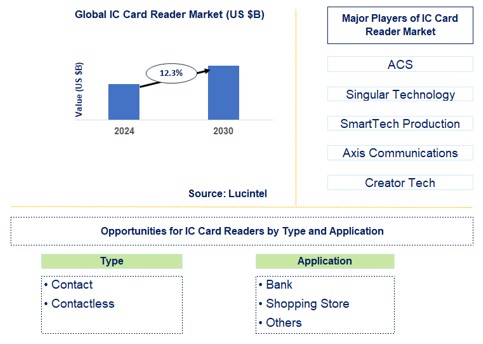
Key data points: The growth forecast = 12.3% annually for the next 6 years. Scroll below to get more insights. This market report covers trends, opportunities, and forecasts in the global ic card reader market to 2030 by type (contact and contactless), application (bank, shopping store, and others), and region (North America, Europe, Asia Pacific, and the Rest of the World)
We'll send your sample report shortly.
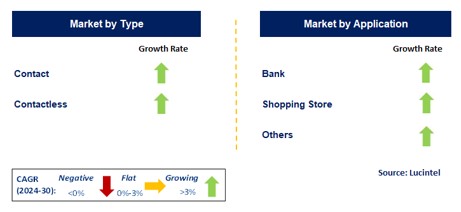
• Lucintel forecasts that, within the type category, contactless will remain a larger segment over the forecast period due to accelerated transactions, heightened security measures, enhanced hygiene standards, and broader compatibility with mobile payment systems.
• Within the end application category, shopping store will remain a larger segment.
• In terms of region, North America is expected to witness the highest growth over the forecast period due to the strong presence and penetration of key market players. Gain valuable insights for your business decisions with our comprehensive 150+ page report.
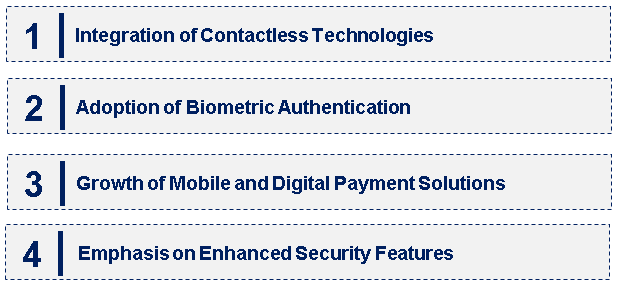
• Integration of Contactless Technologies: The primary trend affecting the IC card reader market is the integration of contactless technology. The increased adoption of contactless card readers that employ NFC (Near Field Communication) technology is supported by their ease of use and fast transaction speeds. The growth in demand for frictionless payment experiences, coupled with the need to minimize physical contact, has driven this trend in applications such as financial transactions, access control systems, and public transport, among others.
• Adoption of Biometric Authentication: Increased security and convenience are some reasons why biometric authentication is gaining popularity in the IC card reader market. Card readers have begun incorporating fingerprint recognition, facial identification, and iris scanning technologies, which improve accuracy and security during the identification process. The development of secure personal identification systems, access controls, and financial transactions has driven this trend.
• Growth of Mobile and Digital Payment Solutions: Mobile wallets and digital payment platforms are driving significant change in the IC card reader market. This rise has been noted in various global studies. Nowadays, card readers can be connected to mobile wallets or other digital payment platforms, allowing payments using smartphones and smartwatches. With improvements in mobile technology and changes in consumer behavior, more people now prefer mobile or contactless modes of payment.
• Emphasis on Enhanced Security Features: Security features are becoming increasingly important in today’s IC card reader marketplace, making them crucial for the development of the market itself. Advanced encryption methods, secure authentication protocols, and compliance with stringent data protection regulations are among the key developments in this area. This trend has been driven by the growing need to protect sensitive information and prevent fraud in financial transactions, access control systems, and digital identity management. In conclusion, industry-changing trends such as contactless integration, biometric applications in IC card readers, mobile payment services, and enhanced security features are shaping the IC card reader market today. A shift has also occurred, with multi-functional card readers becoming more versatile and efficient. These trends foster innovation and affect market dynamics, offering stakeholders an opportunity to meet customers’ changing needs while keeping pace with technological advances in their respective markets.
• Contactless technology integration: The use of contactless technology has been on the rise, improving transaction convenience and speed. Additionally, contactless IC card readers use NFC (Near Field Communication) to facilitate quick, secure interactions without physical contact. This trend is mainly driven by the growing preference for no-touch payments among customers, who require faster transaction times in congested areas, thus increasing overall efficiency and user satisfaction.
• Advanced biometric authentication: The integration of biometric authentication features, such as fingerprint or facial recognition, is becoming more common. These advanced IC card readers improve security by verifying users with unique biometric identifiers. This addresses concerns about data security and fraud, providing greater protection for sensitive transactions and access control systems, ultimately boosting user confidence in card-based methods.
• Integration with mobile payment systems: IC card readers are increasingly being embedded into mobile payment platforms, along with digital wallets. This allows consumers to make payments using smartphones or smartwatches, indicating a trend toward mobile-first solutions. This development supports the increased use of digital payment methods, offering users a seamless, flexible payment experience while reflecting the global shift toward digitalization in financial transactions.
• Enhanced data security features: The focus on improving data security features within IC card reader devices is gaining momentum. These improvements include sophisticated encryption methods and compliance with stringent data protection regulations. Such advancements help reduce the risks associated with hacking and fraud, ensuring the confidentiality of vital transactional data. This strategy is crucial for maintaining trust and confidence in financial transactions and access control systems. These developments, including the integration of contactless or biometric technologies, mobile payment systems, and enhanced data security features, have transformed the industry. The further transition to multi-purpose card readers reflects a growing demand for adaptable solutions among consumers. These technological advancements are improving transaction efficiency, security, and customer experience, which will shape the future of IC card reader technologies.
• Expansion in Financial Services: The financial services sector presents a significant opportunity for IC card readers due to the rise of contactless payments and digital wallets. Demand for safer, faster, and more convenient payment solutions continues to grow. IC card readers that enable advanced authentication and interoperability with mobile payments can leverage this trend to improve transaction efficiency and enhance the user experience in banking and retail environments.
• Integration in Public Transportation: Public transportation systems are increasingly being fitted with IC card readers to streamline fare collection and access control functions. The integration of smart cards and contactless technologies ensures a seamless travel experience for passengers. This opportunity is growing because transportation networks require enhanced operational efficiencies and convenience in building smarter city infrastructures.
• Adoption in Healthcare: In healthcare settings, IC card readers are used for patient identification, access control systems, and secure data management. The use of biometric technology alongside contactless techniques strengthens security within medical establishments, improving operational efficiency. As a result, the demand for better patient information security management and easy access to medical facilities has led to higher safety standards in healthcare environments.
• Growth in Retail Applications: Rapidly expanding applications include point-of-sale (POS) systems, which are adopted by retailers' loyalty programs, creating a niche for IC card readers. These systems enhance the customer experience and business performance by integrating leading-edge payment technologies with loyalty card solutions. This growth opportunity corresponds to the increasing demand for seamless payments and personalized retail experiences, driving innovation in retail card reader technologies. Strategic growth opportunities exist within various applications of the IC card reader market, such as financial services, public transportation, healthcare, retail, and smart access control systems. The expansion of digital payment solutions, enhanced security needs, and demand for versatile card readers are driving these opportunities. These areas of growth will enable stakeholders to respond effectively to dynamic market requirements while capitalizing on emerging trends in IC card technology.
• Technological Advancements: Technological advancements have been a major driver in the IC card reader market. Innovations such as contactless payments, biometric authentication, and mobile integration have enhanced the functionality of card readers, making them more secure and convenient. These improvements meet the rising demand for modern payment platforms and identification systems. To compete effectively in a dynamic market where new features attract customers, companies driven by continuous tech development have introduced improved models.
• Growing Adoption of Digital Payments: The demand for more sophisticated IC card readers is driven by the growing use of digital payments and mobile wallets. As contactless and mobile payment methods are adopted by more customers and businesses for their ease and security, these systems enable seamless transactions between credit or bank accounts and the IC card reader to which digital organizational finances are integrated.
• Rising Need for Enhanced Security: The development of more secure IC card readers is driven by the increasing demand for security in financial transactions and access control. Key drivers include advanced encryption, biometric authentication, and compliance with data protection legislation. Security concerns help protect against fraud and data breaches, contributing to the demand for reliable and secure card reader solutions. Challenges in the IC card reader market are:
• High Initial Costs: High initial costs associated with advanced IC card technologies can be an impediment, especially for small businesses. Financial viability may be compromised when significant investment is required to upgrade to newer versions of card reading technology. Some sectors may take time to embrace these technologies, slowing adoption rates and limiting market growth.
• Regulatory Compliance: Meeting various regulatory standards and data protection laws across regions can pose challenges. Despite the complexity, it is essential to ensure that IC card readers comply with all relevant requirements and security standards. Manufacturers and stakeholders face regulatory compliance issues that can affect market entry and operational costs.
• Integration with Legacy Systems: Integrating new IC card reader technologies with existing legacy systems can be problematic. For example, businesses introducing advanced card reader solutions may encounter compatibility issues or require system upgrades. Overcoming these integration challenges is critical for a smooth transition to new technologies and to maximize their benefits. Key drivers shaping the IC card reader market include technological advancements, digital payment adoption, and the need for enhanced security, while high costs, regulatory compliance, and integration challenges are some of the key obstacles. Innovations in this area are driven by these factors, making them crucial in any discussion about market growth. Successful navigation of both opportunities and barriers is essential for stakeholders to thrive in the evolving landscape of IC card readers.
• ACS
• Singular Technology
• SmartTech Production
• Axis Communications
• Creator Tech
• Nidec Sankyo
• Fongwah Technology
• Youcard
• Fujifilm
• CSM Smart Tech
• Contact
• Contactless
• Bank
• Shopping Store
• Others
• North America
• Europe
• Asia Pacific
• The Rest of the World
• United States: Advancements in contactless payment technology and improved security features have contributed to the growth of the IC card reader market in the United States. Recent developments include the introduction of EMV (Europay, MasterCard, and Visa) chip technology, which aims to reduce fraud-related cases while improving transactional security. Notable trends also include the increased use of biometric authentication, as well as mobile wallet integration, which enhances convenience, financial transaction safety, and access control systems.
• China: In China, IC card readers are developing rapidly with a strong emphasis on integrating them into national digital payment systems and security infrastructure. This has involved the widespread adoption of QR code-based payments along with advanced encryption technologies aimed at better data protection. Public services, transportation, and security applications have been incorporated into some smart cities as a result of the increased deployment of IC card readers, signaling a move toward digitization within the country.
• Germany: The rising implementation of contactless and biometric technologies has led to significant developments in Germany’s IC card reader sector. NFC technology integration for seamless payment experiences and access controls is one such advancement that has recently taken place. Moreover, ensuring compliance with EU data protection regulations has facilitated the development of secure card reader solutions for finance and access application privacy and security.
• India: The Indian market is also expanding due to initiatives aimed at promoting financial inclusion through the extension of digital payments infrastructure by the government (Digital India). Recent advances include the large-scale adoption of Aadhaar-linked biometric card readers, which facilitate secure identification and transactions. The integration of card readers with mobile payment systems and the introduction of low-cost, high-performance card readers have made them accessible to a wider range of people.
• Japan: Japan is making advancements in its IC card reader market by focusing on incorporating advanced security features and improving user convenience. This has led to the adoption of smart and contactless cards for use in transportation, payment, and access control systems. To enhance various types of card transactions and security measures, multi-functional card readers that support different types of cards and authentication methods have been introduced.


• ACS
• Singular Technology
• SmartTech Production
• Axis Communications
• Creator Tech
• Nidec Sankyo
• Fongwah Technology
• Youcard
• Fujifilm
• CSM Smart Tech Q5. Which IC card reader market segment will be the largest in future? Answer: Lucintel forecasts that contactless will remain the larger segment over the forecast period due to accelerated transactions, heightened security measures, enhanced hygiene standards, and broader compatibility with mobile payment systems. Q6. In IC card reader market, which region is expected to be the largest in next 5 years? Answer: North America is expected to witness the highest growth over the forecast period due to the strong presence and penetration of key market players. Q.7 Do we receive customization in this report? Answer: Yes, Lucintel provides 10% customization without any additional cost.


Choose a license that fits your team. Instant PDF delivery.
Prices exclude taxes. Instant delivery. Custom licensing available on request.
Market Report · July 29, 2026
Market Report · July 20, 2026
Market Report · July 20, 2026
Trusted partner for strategic intelligence and business growth


Receive a complimentary market analysis tailored to your industry. Our analysts will identify key growth opportunities and competitive dynamics specific to your business.

Market size, growth rate, and key trend analysis for your specific sector.

Top competitor positioning and market share analysis.

Strategic recommendations backed by data-driven insights.
Get curated market intelligence and competitive moves straight to your inbox.
By subscribing, you agree to receive our monthly insights. Unsubscribe anytime.
Receive a complimentary market analysis tailored to your industry. Our analysts will identify key growth opportunities and competitive dynamics specific to your business.
Market size, growth rate, and key trend analysis for your specific sector.
Top competitor positioning and market share analysis.
Strategic recommendations backed by data-driven insights.
Get curated market intelligence, emerging trends, and competitive moves straight to your inbox each month.
By subscribing, you agree to receive our monthly insights. Unsubscribe anytime.
We'll send your sample report shortly.