
Market Report · July 31, 2026

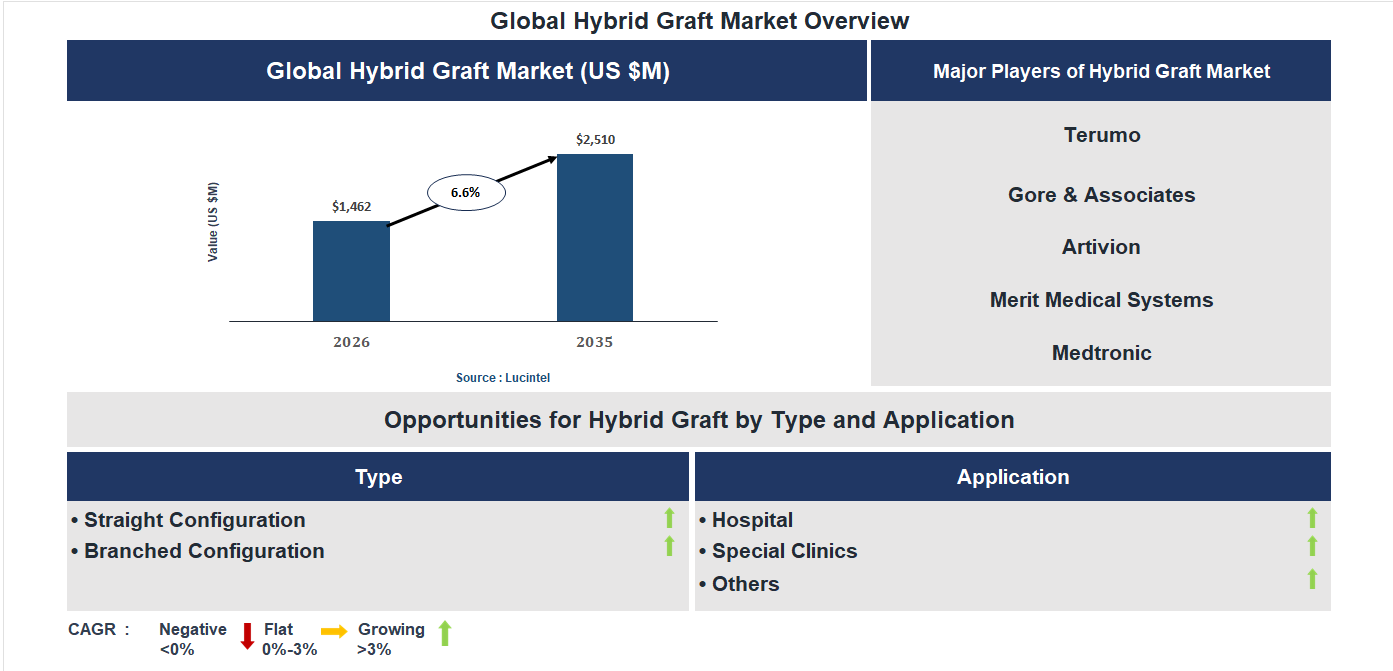
Key data points: The market size in 2035 = $2,510 million, growth forecast = 6.6% annually for the next 8 years. Scroll below to get more insights. This market report covers trends, opportunities and forecasts in hybrid graft market to 2035 by type (straight configuration and branched configuration), application (hospital, special clinics, and others), and region (North America, Europe, Asia Pacific, and the Rest of the World)
We'll send your sample report shortly.
• Lucintel forecasts that, within the type category, branched configuration is expected to witness higher growth over the forecast period.
• Within the application category, special clinic is expected to witness higher growth.
• In terms of region, APAC is expected to witness the highest growth over the forecast period. Gain valuable insights for your business decisions with our comprehensive 150+ page report. Sample figures with some insights are shown below.
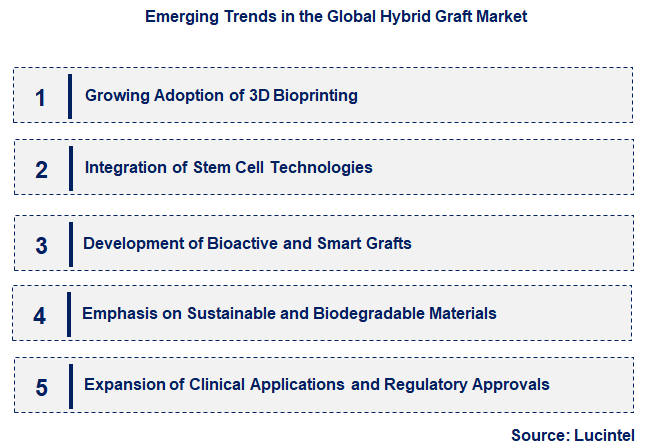
• Growing Adoption of 3D Bioprinting: 3D bioprinting technology is increasingly used to create customized hybrid grafts that precisely match patient anatomy. This trend enhances graft integration, reduces rejection risks, and accelerates healing processes. As bioprinting becomes more accessible and cost-effective, it is expected to revolutionize graft manufacturing, enabling complex tissue structures and personalized treatments. The ability to produce patient-specific grafts on demand is transforming surgical planning and outcomes, making this technology a cornerstone of future market growth.
• Integration of Stem Cell Technologies: The incorporation of stem cells into hybrid grafts is gaining momentum, offering improved regenerative capabilities. Stem cells promote faster tissue regeneration and better functional recovery, especially in complex injuries. Advances in stem cell isolation, expansion, and delivery methods are making these grafts more effective and versatile. This trend is expanding the applications of hybrid grafts beyond traditional uses, including in orthopedics, dentistry, and soft tissue repair, thereby broadening market potential and improving patient prognosis.
• Development of Bioactive and Smart Grafts: Researchers are focusing on creating bioactive hybrid grafts embedded with growth factors, signaling molecules, and sensors. These smart grafts can actively promote healing, monitor tissue integration, and respond to environmental cues. Such innovations are improving graft performance, reducing complications, and enabling real-time assessment of healing progress. The integration of bioactive components is making hybrid grafts more dynamic and functional, which is crucial for complex or chronic conditions requiring precise intervention.
• Emphasis on Sustainable and Biodegradable Materials: The market is shifting toward eco-friendly, biodegradable materials that reduce environmental impact and improve patient safety. Natural polymers, plant-based materials, and recycled components are being incorporated into hybrid grafts. These sustainable options offer better biocompatibility and reduce the need for secondary surgeries. The focus on sustainability aligns with global environmental goals and enhances market acceptance, especially in regions with strict regulatory standards, fostering innovation in material science and manufacturing processes.
• Expansion of Clinical Applications and Regulatory Approvals: The scope of hybrid grafts is broadening across various medical disciplines, supported by increasing clinical trials and regulatory approvals. New indications in orthopedics, cardiovascular, and cosmetic surgeries are emerging, driven by positive clinical outcomes. Regulatory bodies are establishing clearer pathways for approval, which accelerates market entry and adoption. This expansion is making hybrid grafts more accessible to healthcare providers and patients, ultimately driving market growth and encouraging further research and development. In summary, these trends are collectively reshaping the hybrid graft market by fostering innovation, improving treatment efficacy, and expanding application areas. The integration of advanced technologies, sustainable materials, and regulatory support is paving the way for more personalized, effective, and environmentally conscious solutions. As these developments continue, the market is poised for significant growth, transforming regenerative medicine and tissue engineering landscapes worldwide.
• Growth of Advanced Material Integration: The market is witnessing significant progress in combining biological and synthetic materials to create hybrid grafts. This integration enhances biocompatibility, durability, and functionality, leading to better patient outcomes. Innovations in nanotechnology and biomaterials are enabling grafts that promote faster healing and reduce rejection risks. As a result, healthcare providers are increasingly adopting these advanced grafts for complex surgeries, expanding the market scope and driving revenue growth.
• Expansion of Regenerative Medicine Applications: Hybrid grafts are increasingly used in regenerative medicine, including bone, cartilage, and soft tissue repair. Their ability to mimic natural tissue properties accelerates healing processes and improves integration with existing tissues. This versatility opens new treatment avenues for orthopedic, dental, and reconstructive surgeries. The expanding application base is attracting investments and research efforts, which further propel market growth and broaden patient access to innovative therapies.
• Technological Innovations in Graft Fabrication: Recent developments in 3D printing and biofabrication techniques are revolutionizing hybrid graft production. These technologies allow for precise customization tailored to individual patient needs, improving surgical outcomes. Enhanced fabrication methods also reduce manufacturing costs and lead times, making grafts more accessible. As these innovations mature, they are expected to increase adoption rates across hospitals and clinics, significantly impacting the market landscape.
• Rising Adoption of Minimally Invasive Procedures: The demand for minimally invasive surgeries is fueling the adoption of hybrid grafts designed for such procedures. These grafts facilitate easier implantation, reduce operative times, and minimize patient recovery periods. The trend aligns with the broader shift towards outpatient and less invasive treatments, boosting market demand. Manufacturers are focusing on developing grafts compatible with advanced surgical tools, which further accelerates market expansion and improves patient satisfaction.
• Increasing Focus on Personalized Graft Solutions: Personalized medicine is influencing the hybrid graft market, with a focus on creating patient-specific grafts using genetic and biomarker data. Customization enhances graft integration and reduces complications, leading to better long-term outcomes. Advances in stem cell technology and bioprinting are enabling this shift towards tailored solutions. The growing emphasis on personalized treatments is attracting investments and fostering innovation, thereby expanding the market and improving overall healthcare quality. These developments are significantly transforming the hybrid graft market by enhancing product efficacy, expanding application areas, and improving patient outcomes. Technological innovations and personalized approaches are driving market growth, attracting investments, and fostering competitive advancements. The increasing adoption of minimally invasive procedures and advanced fabrication techniques is further propelling industry expansion. Overall, these opportunities are creating a more dynamic, innovative, and patient-centric market landscape, promising sustained growth and improved healthcare solutions worldwide.
• Innovation in Graft Materials: The development of advanced hybrid graft materials combining biological and synthetic components is a significant growth driver. These materials offer enhanced biocompatibility, durability, and functionality, making them suitable for diverse medical applications such as bone, cartilage, and soft tissue regeneration. Continuous research into novel composites and bioactive substances is expanding the potential uses of hybrid grafts, attracting investments and fostering market growth.
• Expansion in Orthopedic and Dental Applications: The increasing prevalence of orthopedic injuries, degenerative diseases, and dental issues is boosting demand for hybrid grafts. These applications benefit from the hybrid grafts ability to promote faster healing, reduce rejection, and improve structural integration. As awareness and acceptance grow among healthcare providers, the market is poised for substantial expansion, supported by technological advancements and favorable regulatory environments.
• Rise in Regenerative Medicine and Tissue Engineering: The integration of hybrid grafts into regenerative medicine and tissue engineering is opening new therapeutic avenues. These grafts facilitate the regeneration of complex tissues and organs, enabling personalized treatment plans. Growing investments in stem cell research and bio-fabrication techniques are enhancing graft functionality, making them vital components in future regenerative therapies and expanding their market footprint.
• Increased Focus on Minimally Invasive Procedures: The shift towards minimally invasive surgical techniques is creating demand for hybrid grafts that are easier to implant and integrate. These grafts reduce operative time, minimize patient discomfort, and promote quicker recovery. Technological innovations are enabling the development of grafts suitable for such procedures, thereby broadening their application scope and driving market growth in outpatient and specialized surgical settings.
• Global Market Expansion and Regulatory Support: Emerging markets are witnessing increased adoption of hybrid graft technologies due to rising healthcare infrastructure and government initiatives. Regulatory agencies are streamlining approval processes, encouraging innovation and commercialization. International collaborations and investments are further facilitating market penetration, making hybrid grafts more accessible worldwide and contributing to the overall growth of the market. The overall impact of these opportunities is set to significantly enhance the hybrid graft market, fostering innovation, expanding application areas, and improving patient outcomes globally. Strategic focus on research, technological development, and regulatory support will be crucial in capitalizing on these growth prospects, ensuring sustained market expansion and improved healthcare solutions.
• Technological Advancements: The continuous development of innovative hybrid graft materials combining biological and synthetic components enhances graft efficacy and safety. These advancements enable better integration with host tissues, reduce rejection rates, and improve patient outcomes. As research progresses, new materials and techniques emerge, fueling market growth. The integration of nanotechnology and bioengineering further expands possibilities, making hybrid grafts more versatile and customizable. This technological evolution attracts investment, accelerates product development, and broadens application scopes across various medical fields, including orthopedics, dental, and cardiovascular surgeries.
• Rising Prevalence of Chronic Diseases: Increasing incidences of conditions such as osteoporosis, cardiovascular diseases, and diabetes contribute significantly to the demand for advanced graft solutions. Patients suffering from tissue degeneration or damage require effective regenerative options, which hybrid grafts can provide. The growing aging population worldwide amplifies this demand, as older individuals are more prone to chronic ailments necessitating surgical interventions. This demographic trend, coupled with the rising awareness of regenerative therapies, propels market growth by expanding the patient base and encouraging innovation in graft materials tailored to specific medical needs.
• Regulatory Approvals and Support: Stringent regulatory frameworks and approval processes influence the development and commercialization of hybrid grafts. Positive regulatory decisions and supportive policies facilitate market entry and boost confidence among healthcare providers and patients. Governments and regulatory agencies are increasingly recognizing the importance of regenerative medicine, leading to streamlined approval pathways and funding initiatives. These regulatory supports encourage research and development activities, reduce time-to-market for new products, and ensure safety and efficacy standards are met, thereby fostering market expansion and innovation.
• Economic Factors and Healthcare Spending: The economic landscape significantly impacts the market, with healthcare expenditure trends influencing adoption rates. Rising healthcare costs drive demand for cost-effective regenerative solutions like hybrid grafts that can reduce long-term treatment expenses. Additionally, increasing healthcare infrastructure investments and insurance coverage improvements make advanced graft options more accessible. Economic growth in emerging markets also opens new opportunities for market expansion. However, high costs associated with advanced graft materials and procedures can pose barriers, necessitating strategies to improve affordability and reimbursement policies to sustain growth.
• Growing Awareness and Adoption of Regenerative Medicine: Increasing awareness among healthcare professionals and patients about the benefits of regenerative therapies fuels market growth. Educational initiatives, clinical research, and successful case studies demonstrate the efficacy of hybrid grafts, encouraging their adoption in various medical procedures. The expanding acceptance of minimally invasive surgeries and tissue engineering techniques further supports this trend. As more practitioners gain expertise and confidence in using hybrid grafts, and as patient demand for advanced regenerative options rises, the market experiences accelerated growth driven by increased adoption and innovation. The challenges facing this hybrid graft market include:-
• Stringent Regulatory Environment: Navigating complex regulatory requirements can delay product approvals and market entry. Variations in approval processes across regions create additional hurdles for manufacturers, increasing time and costs. Ensuring compliance with safety, efficacy, and quality standards demands extensive clinical trials and documentation, which can slow down innovation and commercialization. This regulatory landscape may also limit the availability of certain hybrid grafts in specific markets, impacting overall market growth and competitiveness.
• High Cost of Development and Production: Developing advanced hybrid grafts involves significant investment in research, clinical testing, and manufacturing infrastructure. These costs translate into higher prices for end-users, potentially limiting accessibility, especially in cost-sensitive markets. The need for specialized materials and technologies further escalates production expenses. Consequently, high costs can restrict widespread adoption, particularly in regions with limited healthcare budgets, posing a challenge to market expansion and profitability for manufacturers.
• Limited Awareness and Technical Expertise: Despite growing interest, awareness about hybrid graft options remains limited among some healthcare providers and patients. A lack of trained professionals skilled in tissue engineering and regenerative techniques hampers adoption rates. Educational gaps and limited clinical data in certain applications slow acceptance and integration into standard treatment protocols. Overcoming these barriers requires targeted training programs, increased research dissemination, and awareness campaigns to promote understanding and confidence in hybrid graft solutions. In summary, the hybrid graft market is shaped by rapid technological innovations, demographic shifts, and supportive regulatory environments, which collectively drive growth. However, challenges such as regulatory complexities, high development costs, and limited awareness pose significant barriers. Addressing these issues through strategic investments, education, and policy support will be crucial for sustainable market expansion. Overall, the market holds promising potential, provided stakeholders effectively navigate the evolving landscape of technological and regulatory factors while overcoming economic and knowledge-based hurdles.
• Terumo
• Gore & Associates
• Artivion
• Merit Medical Systems
• Medtronic
• Stryker
• Johnson & Johnson
• Boston Scientific
• Abbott Laboratories
• B. Braun Melsungen AG
• Straight Configuration
• Branched Configuration
• Hospital
• Special Clinics
• Others
• North America
• Europe
• Asia Pacific
• The Rest of the World
• United States: The United States has seen rapid innovation in hybrid graft technologies, with increased adoption in reconstructive surgeries and tissue engineering. Leading biotech firms are developing advanced biomaterials, and regulatory agencies like the FDA are streamlining approval processes. The market benefits from substantial investments in R&D and collaborations between hospitals and research institutions. Additionally, rising cases of trauma and degenerative diseases drive demand for effective graft solutions. The U.S. also emphasizes personalized grafts tailored to individual patient needs, fostering growth in this sector.
• China: China is experiencing a surge in hybrid graft market development, supported by government initiatives promoting biotech innovation and healthcare modernization. Local companies are investing heavily in research to develop cost-effective and scalable graft materials. The expanding healthcare infrastructure and increasing awareness of regenerative medicine contribute to market growth. China also benefits from a large patient population requiring tissue regeneration, especially in trauma and orthopedic applications. Regulatory frameworks are evolving to facilitate faster approval processes, encouraging domestic and international collaborations.
• Germany: Germanys hybrid graft market is characterized by high-quality standards and technological advancements. The country focuses on developing durable and biocompatible graft materials, with a strong emphasis on research collaborations between academia and industry. Germanys healthcare system supports innovative treatments, and regulatory agencies ensure safety and efficacy. The market is driven by an aging population with increasing needs for reconstructive procedures and tissue regeneration. Additionally, Germanys commitment to sustainable and ethically sourced materials influences product development and market growth.
• India: India is witnessing rapid growth in the hybrid graft market, driven by a large patient base and increasing healthcare expenditure. The country is focusing on affordable and accessible graft solutions, with local manufacturers innovating to reduce costs. The rise in trauma, burns, and degenerative diseases fuels demand for tissue regeneration options. Government initiatives to improve healthcare infrastructure and promote medical tourism further support market expansion. Additionally, collaborations with international firms are enhancing technological capabilities and product offerings in India.
• Japan: Japans hybrid graft market is characterized by advanced research and high adoption of innovative medical technologies. The country emphasizes minimally invasive procedures and personalized graft solutions, supported by a robust healthcare system. An aging population and rising chronic conditions increase demand for regenerative therapies. Japan also invests heavily in R&D, with a focus on biocompatibility and long-term durability of graft materials. Regulatory agencies facilitate the approval of new products, and collaborations between biotech firms and hospitals accelerate market growth. The country remains a leader in integrating cutting-edge technology into tissue engineering.


• Terumo
• Gore & Associates
• Artivion
• Merit Medical Systems
• Medtronic
• Stryker
• Johnson & Johnson
• Boston Scientific
• Abbott Laboratories
• B. Braun Melsungen AG Q5. Which hybrid graft market segment will be the largest in future? Answer: Lucintel forecasts that, within the type category, branched configuration is expected to witness higher growth over the forecast period. Q6. In hybrid graft market, which region is expected to be the largest in next 5 years? Answer: In terms of region, APAC is expected to witness the highest growth over the forecast period. Q7. Do we receive customization in this report? Answer: Yes, Lucintel provides 10% customization without any additional cost.


Choose a license that fits your team. Instant PDF delivery.
Prices exclude taxes. Instant delivery. Custom licensing available on request.
Market Report · July 31, 2026
Market Report · July 31, 2026
Market Report · July 31, 2026
Trusted partner for strategic intelligence and business growth


Receive a complimentary market analysis tailored to your industry. Our analysts will identify key growth opportunities and competitive dynamics specific to your business.

Market size, growth rate, and key trend analysis for your specific sector.

Top competitor positioning and market share analysis.

Strategic recommendations backed by data-driven insights.
Get curated market intelligence and competitive moves straight to your inbox.
By subscribing, you agree to receive our monthly insights. Unsubscribe anytime.
Receive a complimentary market analysis tailored to your industry. Our analysts will identify key growth opportunities and competitive dynamics specific to your business.
Market size, growth rate, and key trend analysis for your specific sector.
Top competitor positioning and market share analysis.
Strategic recommendations backed by data-driven insights.
Get curated market intelligence, emerging trends, and competitive moves straight to your inbox each month.
By subscribing, you agree to receive our monthly insights. Unsubscribe anytime.
We'll send your sample report shortly.