'
...

The Impact of COVID-19 is included in Hybrid Device Market in Malaysia. Buy it today to get an advantage.

Request the impact of COVID-19 on your product or industry


Hybrid Device Market in Malaysia Trends and Forecast

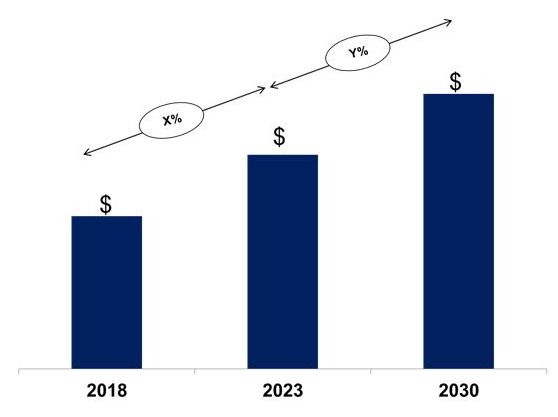
The future of the hybrid device market in Malaysia looks promising with opportunities in the retail, personal use, healthcare, telecom, IT, educational, and institution markets. The hybrid device market is expected to reach an estimated $121.8 billion by 2031 with a CAGR of 19.2% from 2025 to 2031. The hybrid device market in Malaysia is also forecasted to witness strong growth over the forecast period. The major drivers for this market are the growing consumer interest in devices that offer extended battery life and robust battery performance, advancements in emerging technologies, such as the evolution of machine learning algorithms and refinement of natural language processing techniques, and rising consumer demand for detachable devices.

• Lucintel forecasts that, within the type category, detachable devices will remain the largest segment over the forecast period because they feature a screen that can be separated from the keyboard, converting it into a standalone tablet, as well as the devices are prized for their adaptability and ease of use.
• Within the end use industry category, personal use will remain the highest growing segment over the forecast period because it encompasses individual consumers seeking hybrid devices for their personal needs, as well as, these users are often in search of a device that seamlessly combines the productivity of a laptop with the convenience of a tablet for individual needs.

Hybrid Device Market in Malaysia Trends and Forecast

Emerging Trends in the Hybrid Device Market in Malaysia

The hybrid device market in Malaysia has been on the rise due to increasing consumer demand for versatile, high-performance products. These devices combine the features of laptops and tablets, enhancing productivity, portability, and flexibility. As Malaysia undergoes rapid digital transformation, the hybrid device market is evolving quickly. Key trends shaping the market include advances in battery technology, increased demand for enterprise solutions, the rise of 5G connectivity, the integration of AI-powered features, and a growing focus on sustainability.

• Advances in Battery Technology: The demand for longer battery life is fueling advancements in hybrid device battery technology. Manufacturers are introducing energy-efficient batteries, enabling devices to perform for extended hours on a single charge. This development is crucial for users who rely on these devices for work, education, and entertainment on the go. With improved battery management systems, hybrid devices are now better equipped to handle heavy usage, thus offering greater mobility without compromising performance.
• Increase in Demand for Enterprise Solutions: The shift toward remote work and digital workplaces has driven the demand for hybrid devices tailored for business use. Malaysian companies are seeking hybrid solutions that integrate seamlessly with enterprise applications, enhancing productivity and collaboration. Hybrid devices with enhanced security features, such as biometric authentication and encrypted storage, are becoming essential for enterprises aiming to protect sensitive data while maintaining portability. This trend also reflects broader digital transformation efforts within the Malaysian corporate sector.
• Rise of 5G Connectivity: The rollout of 5G networks in Malaysia is influencing the adoption of hybrid devices that can leverage faster data speeds. 5G connectivity supports real-time communication, cloud-based applications, and high-bandwidth tasks, which are crucial for both consumers and businesses. With 5G-enabled hybrid devices, users can experience seamless video conferencing, gaming, and content streaming. For enterprises, the increased connectivity enables better collaboration and access to data-intensive applications, promoting greater efficiency in work environments.
• Integration of AI-powered Features: Artificial intelligence (AI) is becoming an integral part of hybrid devices, enhancing their usability and functionality. AI-driven features, such as voice assistants, smart camera functionalities, and predictive performance optimization, are improving user experience. In Malaysia, consumers and businesses are increasingly attracted to hybrid devices that incorporate AI to streamline workflows, personalize experiences, and improve overall performance. This trend is pushing manufacturers to develop more intelligent and adaptive hybrid devices that offer tailored solutions.
• Growing Focus on Sustainability: As environmental concerns rise, Malaysian consumers are becoming more eco-conscious. Hybrid device manufacturers are responding by focusing on sustainability, using eco-friendly materials, energy-efficient components, and reducing electronic waste. The emphasis on sustainability is also reflected in design and production processes, with a greater focus on recycling and reducing carbon footprints. This trend is reshaping consumer expectations and encouraging manufacturers to prioritize environmental impact alongside performance and innovation.

These emerging trends are reshaping the hybrid device market in Malaysia by enhancing device functionality, mobility, and enterprise compatibility. The increased integration of advanced technologies, such as AI, 5G, and improved battery systems, is meeting the evolving needs of both consumers and businesses. As hybrid devices become more versatile and environmentally friendly, Malaysia’s market is poised for continued growth, driven by the demand for smarter, sustainable, and more connected solutions.

Recent Developments in the Hybrid Device Market in Malaysia

The hybrid device market in Malaysia is witnessing rapid transformation, fueled by technological advancements and evolving consumer needs. These devices blend the portability of tablets with the functionality of laptops, becoming increasingly popular in both personal and business settings. Recent developments in the market reflect significant strides in connectivity, design innovation, and business applications, catering to the growing demand for versatile, high-performance devices. As Malaysia moves toward a more connected future, the hybrid device market is primed for further growth and adoption.

• Introduction of 5G-enabled Hybrid Devices: With Malaysia’s 5G network deployment progressing, hybrid device manufacturers are integrating 5G capabilities into their products. These devices offer faster internet speeds and enhanced connectivity, which is especially beneficial for professionals who rely on seamless communication and cloud computing. The rise of 5G-enabled hybrid devices in Malaysia is accelerating the adoption of these products for both personal and business use. This development enhances the overall user experience, enabling quicker downloads, improved video conferencing, and smooth content streaming.
• Enterprise-focused Hybrid Devices: Hybrid devices designed specifically for enterprise use are becoming a focal point in Malaysia’s market. Businesses are increasingly adopting these devices to support remote work, collaboration, and productivity. Companies are prioritizing hybrid devices with features such as enhanced security, long battery life, and enterprise-grade software compatibility. These innovations are enabling employees to work more efficiently and securely, whether in the office or remotely. As Malaysia’s digital economy grows, the demand for enterprise-centric hybrid devices is expected to increase.
• Eco-friendly Hybrid Devices: Reflecting the global trend toward sustainability, manufacturers in Malaysia are launching hybrid devices made from eco-friendly materials and designed for energy efficiency. Consumers are becoming more conscious of their environmental impact, driving demand for devices with recyclable components and reduced carbon footprints. These eco-friendly initiatives are gaining traction among environmentally conscious consumers and aligning with Malaysia’s broader sustainability goals. This shift represents a commitment to reducing the environmental impact of electronic products.
• Integration of AI and Machine Learning Features: Malaysian hybrid device makers are increasingly integrating artificial intelligence (AI) and machine learning (ML) features into their products. These technologies enable enhanced functionality, including voice recognition, smart camera features, and personalized user experiences. AI-powered hybrid devices can optimize system performance, detect user behavior patterns, and adapt to changing conditions, offering users an improved and more intuitive experience. The use of AI and ML is positioning hybrid devices as essential tools for both work and entertainment.
• Rise of Convertible Hybrid Laptops: Convertible hybrid laptops are gaining popularity in Malaysia due to their flexibility and versatility. These devices can function as both laptops and tablets, making them ideal for users who need portability without compromising on performance. With 360-degree hinges and detachable keyboards, these devices are being adopted by students, professionals, and creative individuals. The demand for convertible hybrid laptops is driven by the growing need for flexible, multi-purpose devices, and this trend is expected to continue as more Malaysians seek adaptable technology solutions.

Recent developments in the hybrid device market in Malaysia reflect the growing demand for more versatile, connected, and sustainable devices. With advancements such as 5G integration, AI features, and eco-friendly materials, the market is becoming increasingly aligned with the evolving needs of consumers and businesses. These innovations are expected to drive further growth in Malaysia’s hybrid device market, catering to a population seeking smarter, more adaptable solutions for both personal and professional use.

Strategic Growth Opportunities for Hybrid Device Market in Malaysia

The hybrid device market in Malaysia is growing rapidly, driven by technological innovations, increased consumer demand for multifunctional products, and industry-specific applications. Hybrid devices that combine various functions, such as wearables, smartphones, and smart home devices, are becoming more integrated into daily life. Malaysia’s focus on digitalization and smart technology adoption, along with its strategic location in Southeast Asia, presents exciting opportunities across various applications. Below are five key growth opportunities that could shape the hybrid device market in Malaysia.

• Consumer Electronics and Wearables: The consumer electronics sector in Malaysia is witnessing strong demand for hybrid devices such as smartwatches, fitness trackers, and smart glasses. These devices combine health-tracking features with communication and entertainment functionalities, attracting a broad consumer base. With the growing interest in personal wellness and connected living, hybrid wearables are expected to become mainstream, providing opportunities for manufacturers to innovate and offer multifunctional, value-added products. Malaysian consumers’ increasing interest in technology-driven lifestyles ensures that hybrid devices in this category will see sustained growth.
• Healthcare and Telemedicine Solutions: Hybrid devices in healthcare are poised for growth in Malaysia due to the country’s expanding healthcare needs, especially with its aging population. Wearable health monitors, telemedicine platforms, and hybrid medical devices are crucial in providing remote patient monitoring and consultation. These devices combine diagnostic features with real-time data transmission, improving access to healthcare services in remote areas. Malaysia’s push for healthcare digitalization, including telemedicine adoption, enhances the demand for hybrid healthcare devices, which will help bridge the gap between urban and rural healthcare access.
• Automotive and Smart Mobility: The automotive sector in Malaysia is increasingly adopting hybrid devices that enhance vehicle connectivity and functionality. Infotainment systems, navigation, and real-time diagnostics are being integrated into hybrid devices, enabling smarter and more connected driving experiences. The growth of electric vehicles (EVs) and autonomous vehicle technology also drives the need for hybrid devices that support these technologies. As Malaysia advances its focus on sustainability and smart mobility, hybrid devices in automotive applications are set to thrive, offering opportunities in connected cars, EVs, and smart transportation systems.
• Industrial Automation and IoT Integration: The manufacturing and industrial sectors in Malaysia are undergoing digital transformation, and hybrid devices are essential in this shift. Industrial IoT (IIoT) devices, which combine sensors, data processing, and communication, are being adopted to optimize supply chains, monitor machinery, and enhance production efficiency. MalaysiaÄX%$%Xs efforts at Industry 4.0 and smart manufacturing are very strong, where hybrid devices that collect, analyze, and transmit data in real time are possible. The demand will definitely continue to increase as such trends of businesses are pronounced when they want to remain competitive within the global market.
• Smart Home and Energy Management: In relation to energy efficiency and sustainable living, hybrid device sales in Malaysia are rising in line with smart home solutions. Due to their integrating capability in functions such as monitoring, automation, and security, hybrid devices are now in high demand, such as smart thermostats, energy-efficient appliances, and home security systems. Malaysia’s growing interest in green technologies and energy management supports the development of these devices. The expanding adoption of smart homes, driven by technological advancements and government initiatives, will fuel the growth of hybrid devices in the residential and commercial sectors.

In Malaysia, strategic growth opportunities in the hybrid device market are being driven by innovations in consumer electronics, healthcare, automotive, industrial automation, and smart home solutions. As demand for multifunctional and connected devices continues to rise, industries are expected to invest heavily in hybrid technology. These opportunities are not only enhancing consumer experiences but also transforming key sectors like healthcare, mobility, and manufacturing, positioning Malaysia as a key player in the hybrid device market.

Hybrid Device Market in Malaysia Driver and Challenges

The hybrid device market in Malaysia is influenced by a variety of technological, economic, and regulatory factors. The country’s focus on digital transformation, combined with consumer demand for multifunctional devices, creates a dynamic environment for market growth. However, challenges such as production costs, regulatory hurdles, and competition among manufacturers also play a crucial role in shaping the market landscape. Understanding these drivers and challenges helps stakeholders identify opportunities for growth and navigate the evolving market effectively.

The factors driving the hybrid device market include:
• Technological Advancements and Innovation: Rapid advancements in technology, such as 5G connectivity, AI, IoT, and improved battery life, are driving the growth of hybrid devices in Malaysia. These technologies enable the integration of multiple functions into a single device, offering consumers more convenience and enhanced user experiences. The development of AI-powered solutions, in particular, is unlocking new possibilities in healthcare, automotive, and consumer electronics applications. As Malaysia adopts these innovations, hybrid devices become more sophisticated, creating ample growth opportunities across various sectors.
• Growing Consumer Demand for Multifunctional Devices: Malaysian consumers are increasingly seeking devices that combine multiple functions, such as fitness tracking, communication, and entertainment. Hybrid devices, such as smartwatches, smartphones, and hybrid home appliances, are catering to this demand by offering integrated solutions. This trend is driven by consumers’ desire for convenience, space-saving products, and smart living experiences. As digital literacy improves and disposable incomes rise, the demand for hybrid devices is expected to continue growing, presenting opportunities for manufacturers to innovate and expand their product offerings.
• Government Support for Digitalization and Innovation: The Malaysian government’s focus on digitalization and Industry 4.0 creates a conducive environment for the growth of hybrid devices. Initiatives such as the National Digital Economy Blueprint (MyDIGITAL) and support for smart manufacturing technologies promote the development and adoption of hybrid solutions across sectors such as healthcare, automotive, and industrial automation. Government incentives for R&D, technology adoption, and sustainability efforts create an ecosystem conducive to innovation, which further accelerates the demand for hybrid devices in both consumer and industrial markets.
• Economic Growth and Rising Disposable Income: MalaysiaÄX%$%Xs growing economy and rising disposable incomes provide consumers with more purchasing power to invest in high-tech hybrid devices. As the middle class expands, there is a greater demand for consumer electronics and smart home products. Economic growth is also fostering an environment where businesses are increasingly adopting hybrid devices to improve efficiency and streamline operations. This increase in consumer spending and business investment in hybrid technologies supports the market’s expansion across various industries.
• Focus on Sustainability and Energy Efficiency: As sustainability becomes a key priority, hybrid devices that promote energy efficiency are seeing increased demand in Malaysia. The government’s commitment to renewable energy and energy-efficient technologies aligns with the growing consumer preference for eco-friendly devices. Hybrid products that integrate energy-saving features, such as smart thermostats and solar-powered gadgets, cater to this demand. Increasing green technology adoption in the residential and commercial sectors drives further growth in the hybrid device market as consumers and businesses strive to reduce their carbon footprint.

Challenges in the hybrid device market include:
• High Production and R&D Costs: Hybrid device development and manufacturing are costly in Malaysia. Packaging multiple technologies into one device necessitates heavy investment in R&D, sophisticated manufacturing processes, and supply chain management. This cost might be out of reach for smaller manufacturers, thereby passing it on to consumers. The quality standards for hybrid devices need to be high but cost-effective. Companies are in a constant tug-of-war between innovation and the bottom line to remain competitive in the market.
• Regulatory Barriers and Compliance: Malaysia has some challenging regulations in certain industries like healthcare and automotive for the manufacturers of hybrid devices. Devices that include medical applications or those used in vehicles must meet strict safety, performance, and environmental standards. Compliance with these regulations can be time-consuming and costly, delaying product launches and increasing the complexity of market entry. Companies must ensure that their devices meet local standards and certifications, which may vary depending on the sector, adding an extra layer of difficulty in the development process.
• Intense Competition and Market Saturation: The hybrid device market in Malaysia faces intense competition, with both local and international manufacturers vying for market share. In certain sectors, such as consumer electronics, market saturation is becoming a concern, making it difficult for new players to differentiate themselves. The proliferation of similar products leads to price wars and shrinking profit margins, forcing companies to focus on innovation and branding to remain competitive. Market saturation may slow growth in some applications, particularly in consumer electronics, where demand is peaking.

The hybrid device market in Malaysia is driven by several key drivers such as technological advancements, consumer demand, government support, and economic growth. However, challenges such as high production costs, regulatory complexities, and intense competition are some of the obstacles that need to be addressed. Despite these challenges, the market is expected to experience strong growth as companies innovate and adapt to meet consumer expectations, making Malaysia a promising market for hybrid devices.

List of Hybrid Device Market in Malaysia Companies

Companies in the market compete on the basis of product quality offered. Major players in this market focus on expanding their manufacturing facilities, R&D investments, infrastructural development, and leverage integration opportunities across the value chain. Through these strategies, hybrid device companies cater to increasing demand, ensure competitive effectiveness, develop innovative products & technologies, reduce production costs, and expand their customer base. Some of the hybrid device companies profiled in this report include:
• Company 1
• Company 2
• Company 3
• Company 4
• Company 5
• Company 6
• Company 7
• Company 8
• Company 9
• Company 10

Hybrid Device Market in Malaysia by Segment

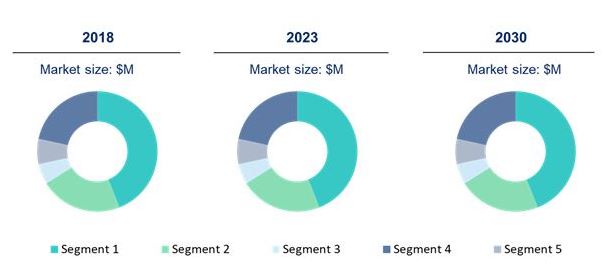
The study includes a forecast for the hybrid device market in Malaysia by type, screen size, and end use industry.

Hybrid Device Market in Malaysia by Type [Analysis by Value from 2019 to 2031]:


• Detachable
• Convertible

Hybrid Device Market in Malaysia by Screen Size [Analysis by Value from 2019 to 2031]:


• Less than 12 Inch (<12”)
• 12 Inch to 15 Inch (12”-15”)
• Greater than 15 Inch (>15”)

Hybrid Device Market in Malaysia by End Use Industry [Analysis by Value from 2019 to 2031]:


• Retail
• Personal Use
• Healthcare
• Telecom and IT
• Educational
• Institutions
• Others

Lucintel Analytics Dashboard

Features of the Hybrid Device Market in Malaysia

Market Size Estimates: Hybrid device in Malaysia market size estimation in terms of value ($B).
Trend and Forecast Analysis: Market trends and forecasts by various segments.
Segmentation Analysis: Hybrid device in Malaysia market size by type, screen size, and end use industry in terms of value ($B).
Growth Opportunities: Analysis of growth opportunities in different types, screen sizes, and end use industries for the hybrid device in Malaysia.
Strategic Analysis: This includes M&A, new product development, and competitive landscape of the hybrid device in Malaysia.
Analysis of competitive intensity of the industry based on Porter’s Five Forces model.

If you are looking to expand your business in this or adjacent markets, then contact us. We have done hundreds of strategic consulting projects in market entry, opportunity screening, due diligence, supply chain analysis, M & A, and more.
Lucintel Consulting Services

FAQ

Q1. What are the major drivers influencing the growth of the GPU as a service market in India?
Answer: The major drivers for this market are growing emphasis on research and development within the gaming and design sectors, escalating adoption of machine learning and AI-based applications among various industries, and rising demand for advanced data analytics.
Q2. What are the major segments for GPU as a service market?
Answer: The future of the GPU as a service market looks promising with opportunities in the healthcare, BFSI, manufacturing, IT & telecommunication, and automotive applications.
Q3. Which GPU as a service market segment will be the largest in future?
Answer: Lucintel forecasts that private is expected to witness the highest growth over the forecast period.
Q4. Do we receive customization in this report?
Answer: Yes, Lucintel provides 10% customization without any additional cost.

This report answers following 10 key questions:

Q.1. What are some of the most promising, high-growth opportunities for the hybrid device market in Malaysia by type (detachable and convertible), screen size (less than 12 inch (<12”), 12 inch to 15 inch (12”-15”), and greater than 15 inch (>15”)), and end use industry (retail, personal use, healthcare, telecom and IT, educational, institutions, and others)?
Q.2. Which segments will grow at a faster pace and why?
Q.3. What are the key factors affecting market dynamics? What are the key challenges and business risks in this market?
Q.4. What are the business risks and competitive threats in this market?
Q.5. What are the emerging trends in this market and the reasons behind them?
Q.6. What are some of the changing demands of customers in the market?
Q.7. What are the new developments in the market? Which companies are leading these developments?
Q.8. Who are the major players in this market? What strategic initiatives are key players pursuing for business growth?
Q.9. What are some of the competing products in this market and how big of a threat do they pose for loss of market share by material or product substitution?
Q.10. What M&A activity has occurred in the last 5 years and what has its impact been on the industry?
For any questions related to Hybrid Device Market In Malaysia, Hybrid Device Market In Malaysia Size, Hybrid Device Market In Malaysia Growth, Hybrid Device Market In Malaysia Analysis, Hybrid Device Market In Malaysia Report, Hybrid Device Market In Malaysia Share, Hybrid Device Market In Malaysia Trends, Hybrid Device Market In Malaysia Forecast, Hybrid Device Companies, write Lucintel analyst at email: helpdesk@lucintel.com. We will be glad to get back to you soon.

                                                            Table of Contents

            1. Executive Summary

            2. Hybrid Device Market in Malaysia: Market Dynamics
                        2.1: Introduction, Background, and Classifications
                        2.2: Supply Chain
                        2.3: Industry Drivers and Challenges

            3. Market Trends and Forecast Analysis from 2019 to 2031
                        3.1. Macroeconomic Trends (2019-2024) and Forecast (2025-2031)
                        3.2. Hybrid Device Market in Malaysia Trends (2019-2024) and Forecast (2025-2031)
                        3.3: Hybrid Device Market in Malaysia by Type
                                    3.3.1: Detachable
                                    3.3.2: Convertible
                        3.4: Hybrid Device Market in Malaysia by Screen Size
                                    3.4.1: Less than 12 inch (<12”)
                                    3.4.2: 12 inch to 15 inch (12”-15”)
                                    3.4.3: Greater than 15 inch (>15”)
                        3.5: Hybrid Device Market in Malaysia by End Use Industry
                                    3.5.1: Retail
                                    3.5.2: Personal Use
                                    3.5.3: Healthcare
                                    3.5.4: Telecom and IT
                                    3.5.5: Educational
                                    3.5.6: Institutions
                                    3.5.7: Others

            4. Competitor Analysis
                        4.1: Product Portfolio Analysis
                        4.2: Operational Integration
                        4.3: Porter’s Five Forces Analysis

            5. Growth Opportunities and Strategic Analysis
                        5.1: Growth Opportunity Analysis
                                    5.1.1: Growth Opportunities for the Hybrid Device Market in Malaysia by Type
                                    5.1.2: Growth Opportunities for the Hybrid Device Market in Malaysia by Screen Size
                                   
                        5.2: Emerging Trends in the Hybrid Device Market
                        5.3: Strategic Analysis
                                    5.3.1: New Product Development
                                    5.3.2: Capacity Expansion of the Hybrid Device Market in Malaysia
                                    5.3.3: Mergers, Acquisitions, and Joint Ventures in the Hybrid Device Market in Malaysia
                                    5.3.4: Certification and Licensing

            6. Company Profiles of Leading Players
                        6.1: Company 1
                        6.2: Company 2
                        6.3: Company 3
                        6.4: Company 4
                        6.5: Company 5
                        6.6: Company 6
                        6.7: Company 7
                        6.8: Company 8
                        6.9: Company 9
                        6.10: Company 10
.

Buy full report or by chapter as follows

Price by License Type:
[-] Hide Chapter Details
[Chapter Number] [Chapter Name] [Chapter Number Of Pages] [Chapter Price]
Title/Chapter Name Pages Price
Full Report: Hybrid Device Market in Malaysia Full Report $ 4,850
150 - page report
Lucintel has been in the business of market research and management consulting since 2000 and has published over 1000 market intelligence reports in various markets / applications and served over 1,000 clients worldwide. This study is a culmination of four months of full-time effort performed by Lucintel's analyst team. The analysts used the following sources for the creation and completion of this valuable report:
  • In-depth interviews of the major players in this market
  • Detailed secondary research from competitors’ financial statements and published data 
  • Extensive searches of published works, market, and database information pertaining to industry news, company press releases, and customer intentions
  • A compilation of the experiences, judgments, and insights of Lucintel’s professionals, who have analyzed and tracked this market over the years.
Extensive research and interviews are conducted across the supply chain of this market to estimate market share, market size, trends, drivers, challenges, and forecasts. Below is a brief summary of the primary interviews that were conducted by job function for this report.
 
Thus, Lucintel compiles vast amounts of data from numerous sources, validates the integrity of that data, and performs a comprehensive analysis. Lucintel then organizes the data, its findings, and insights into a concise report designed to support the strategic decision-making process. The figure below is a graphical representation of Lucintel’s research process. 
 

Please sign in below to get report brochure - Hybrid Device Market in Malaysia .

At Lucintel, we respect your privacy and maintain the confidentiality of information / data provided by you
(Please enter your corporate email. * These fields are mandatory )

Follow us on