
Market Report · July 31, 2026

Key data points: The growth forecast = 4.6% annually for the next 6 years. Scroll below to get more insights. This market report covers trends, opportunities, and forecasts in the global hookah tobacco market to 2030 by type (strong, mild, and light), flavor (fruit flavor, confectionary flavor, spices, beverages, and others), distribution channels (direct channel and indirect channel), and region (North America, Europe, Asia Pacific, and the Rest of the World)
We'll send your sample report shortly.
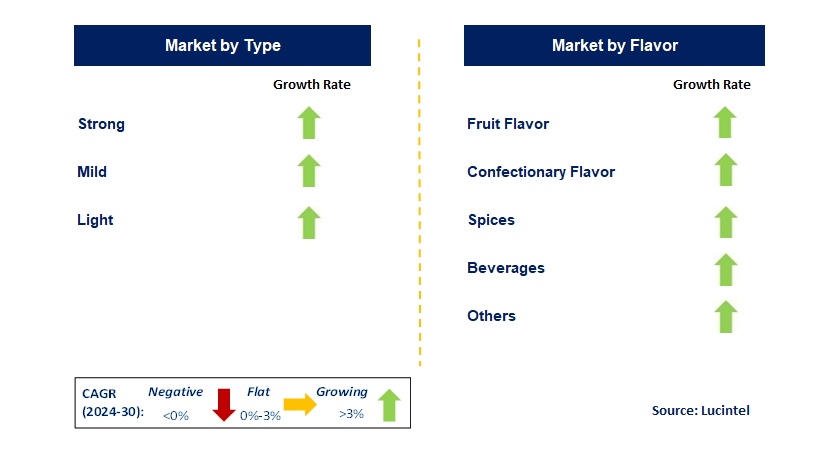
• Lucintel forecasts that, within the flavor category, fruit flavor will remain the largest segment due to increasing popularity of recently introduced flavors in hookah tobacco.
• Within the type category, strong hookah tobacco will remain the largest segment.
• In terms of regions, APAC is expected to witness the highest growth over the forecast period due to surge in youth population and growing trend of socializing and trying new experiences in the region. A more than 150-page report is developed to help in your business decisions.

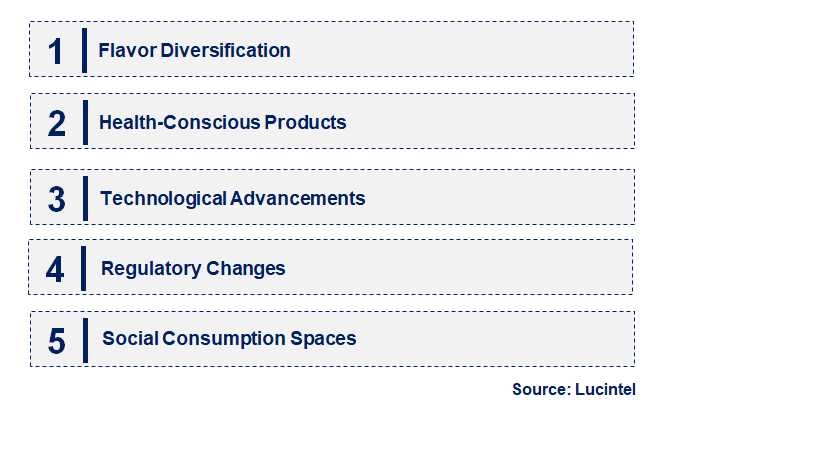
• Flavor Diversification: The demand for diverse and unique flavors is soaring in the hookah tobacco market. Manufacturers are increasingly experimenting with exotic blends, combining traditional flavors with contemporary ingredients. This trend not only attracts younger consumers seeking novel experiences but also allows brands to stand out in a competitive market. Seasonal and limited-edition flavors are becoming popular, enhancing consumer engagement and driving sales. Additionally, there is a notable rise in the availability of natural and organic flavors, catering to health-conscious consumers who want to enjoy hookah without synthetic additives.
• Health-Conscious Products: In response to growing health concerns, the hookah industry is witnessing a shift towards health-conscious products. Many brands are now offering nicotine-free tobacco alternatives and herbal blends that appeal to consumers looking for less harmful options. This trend is driven by an increasing awareness of the risks associated with traditional tobacco use, prompting manufacturers to innovate. Enhanced transparency regarding ingredient sourcing and production processes is also becoming common, allowing consumers to make informed choices while still enjoying the social aspects of hookah smoking.
• Technological Advancements: The integration of technology in the hookah market is revolutionizing consumer experiences. Innovative designs, such as electronic hookahs and smart devices, are gaining traction as they offer more controlled smoking experiences and enhanced flavor delivery. Additionally, advancements in heating technology allow for better combustion and reduced harmful emissions, making hookah smoking more appealing. Brands are also utilizing digital platforms for marketing and sales, engaging consumers through social media and e-commerce, which helps to reach a wider audience and adapt to modern consumer habits.
• Regulatory Changes: Regulatory frameworks surrounding hookah tobacco are becoming increasingly stringent in various regions, impacting how products are marketed and sold. Governments are imposing stricter age restrictions and guidelines on advertising, pushing manufacturers to adapt their strategies. This trend is prompting the industry to focus on compliance and advocacy while seeking to educate consumers about responsible use. As regulations continue to evolve, companies are exploring ways to innovate within these constraints, ensuring that they remain competitive while prioritizing public health.
• Social Consumption Spaces: The rise of hookah lounges and bars reflects a growing trend towards social consumption spaces where communities gather to enjoy hookah together. These venues are transforming the hookah experience into a social event, complete with unique atmospheres and curated menus. The emergence of themed lounges and pop-up events has also contributed to this trend, attracting diverse clientele. As consumers increasingly seek immersive experiences, these social spaces are becoming vital to the hookah culture, allowing for both traditional enjoyment and modern social interaction. These emerging trends are impacting the demand and shaping market growth. Hookah has become a socially accepted phenomenon in the modern world, with the youth leaning towards it more and more.
• Rise of Herbal and Non-Tobacco Options: Recent years have seen a notable increase in the availability of herbal and non-tobacco hookah products. These alternatives cater to health-conscious consumers looking to enjoy the social aspects of hookah without the risks associated with traditional tobacco. Brands are developing a variety of herbal blends infused with natural flavors, appealing to those who prefer nicotine-free options. This shift not only addresses public health concerns but also broadens the consumer base, attracting individuals who may have previously avoided hookah due to health issues linked to tobacco use.
• Innovative Hookah Devices: The market has recently experienced a surge in innovative hookah devices, including electronic and portable options. These modern devices often feature improved heating technologies, allowing for better flavor extraction and reduced harmful emissions. Additionally, smart hookahs equipped with Bluetooth and app connectivity provide users with control over temperature and smoke quality. This trend toward innovation enhances the overall experience and makes hookah smoking more appealing, especially to younger, tech-savvy consumers who appreciate modern aesthetics and functionality.
• Premium and Craft Brands Emergence: The rise of premium and craft hookah tobacco brands is reshaping consumer expectations and market dynamics. These brands focus on quality ingredients, unique flavor profiles, and artisanal production methods, elevating the hookah experience to that of fine dining. As consumers become more discerning about what they smoke, the demand for high-quality, carefully crafted products is increasing. This trend reflects a broader shift toward experiential consumption, where consumers seek not just products but memorable experiences that emphasize craftsmanship and quality.
• E-commerce Growth: The hookah tobacco market has seen a significant rise in e-commerce platforms, driven by changing shopping habits and the need for convenience. Online sales have become crucial for brands looking to reach a broader audience, particularly during periods of increased health concerns. Many companies are enhancing their online presence, offering detailed product information, reviews, and direct-to-consumer shipping. This shift not only makes products more accessible but also allows brands to build closer relationships with their customers, creating loyalty through tailored marketing and engagement strategies.
• Increasing Regulation and Compliance: The regulatory landscape surrounding hookah tobacco is becoming more stringent, leading to significant developments in compliance practices. Governments are imposing stricter rules on advertising, packaging, and product distribution, influencing how brands operate. This trend is prompting companies to invest in compliance and advocacy efforts while also focusing on educating consumers about responsible use. As regulations evolve, the industry is adapting by exploring innovative marketing strategies and enhancing product transparency, ensuring that they meet legal requirements while maintaining consumer trust. The hookah tobacco market is witnessing a dynamic transformation characterized by innovation, health consciousness, and evolving consumer preferences. As herbal options gain popularity, technological advancements reshape user experiences, and premium brands emerge, the landscape continues to evolve. The growth of e-commerce and increasing regulatory scrutiny further highlight the need for adaptability in this market. Overall, these developments signal a vibrant future for hookah tobacco, balancing tradition with modern expectations.
• Expansion into Health-Conscious Segments: As consumers become more health-conscious, there is a significant opportunity for hookah brands to develop and market health-oriented products. Introducing nicotine-free, herbal, and organic tobacco options can attract a wider audience, including those who are wary of traditional tobacco health risks. Brands can leverage this trend by emphasizing natural ingredients and transparency in sourcing. Additionally, marketing these products in wellness-focused venues can enhance visibility and appeal, creating a niche market that prioritizes healthier alternatives while maintaining the social experience associated with hookah smoking.
• Innovative Flavor Development: The demand for unique and diverse flavors presents a substantial growth opportunity in the hookah tobacco market. Brands can capitalize on this trend by exploring creative flavor combinations and seasonal offerings that resonate with evolving consumer tastes. Collaborations with culinary experts or mixologists to develop signature blends can also enhance brand prestige and attract adventurous consumers. By investing in research and development, companies can stay ahead of flavor trends and differentiate their products, creating a loyal customer base eager for new and exciting smoking experiences.
• Leveraging E-commerce and Digital Marketing: With the rise of online shopping, hookah brands can significantly benefit from enhancing their e-commerce presence. Establishing user-friendly online platforms and engaging in targeted digital marketing campaigns can help reach a broader audience. Utilizing social media to build community and brand loyalty is essential, as consumers increasingly turn to digital channels for product discovery. By creating informative content, virtual events, and promotions tailored to online shoppers, companies can not only boost sales but also foster a strong brand identity in the competitive landscape.
• Development of Premium Product Lines: The emergence of premium and craft hookah tobacco brands offers a unique opportunity to capture discerning consumers seeking high-quality experiences. By focusing on artisanal production methods and sourcing premium ingredients, brands can position themselves in the upscale market. This strategic approach can involve creating limited-edition blends or luxury packaging to appeal to consumers willing to invest in superior products. Marketing these premium offerings in upscale lounges and events can further enhance their desirability, catering to a market segment that values exclusivity and quality.
• Global Market Expansion: The global hookah tobacco market presents substantial opportunities for brands looking to expand internationally. As hookah culture gains traction in various regions, entering new markets can drive growth. Understanding local preferences and regulatory landscapes is crucial for successful entry. Tailoring products to meet specific cultural tastes, along with effective marketing strategies, can facilitate acceptance. Partnerships with local distributors and establishing a presence in emerging markets can position brands for success, tapping into new consumer bases eager for hookah experiences. The hookah tobacco market is rife with strategic growth opportunities that can be harnessed by brands willing to innovate and adapt. By focusing on health-conscious products, flavor innovation, digital marketing, premium offerings, and global expansion, companies can effectively position themselves for future success. As consumer preferences continue to evolve, the ability to respond to these trends will be essential in shaping the future of the hookah tobacco industry, ultimately creating a vibrant and diverse marketplace.
• Social Acceptance and Cultural Integration: The rising social acceptance of hookah smoking is a major driver of market growth. As hookah lounges and cafes become popular gathering spots, especially among younger demographics, the cultural stigma associated with smoking has diminished. This integration into social settings has made hookah a desirable activity for relaxation and socialization. The communal experience it offers appeals to consumers looking for unique ways to socialize, further fueling demand for hookah tobacco and related products as part of a lifestyle choice.
• Product Innovation and Variety: Innovation in product offerings is another critical driver in the hookah tobacco market. Brands are continually developing new flavors, blends, and formats to attract diverse consumer preferences. The introduction of herbal and nicotine-free options caters to health-conscious users, while unique flavor combinations appeal to adventurous smokers. Moreover, advancements in hookah device technology enhance the overall smoking experience, allowing for improved flavor delivery and reduced harmful emissions. This focus on variety and innovation keeps the market dynamic and engaging for consumers.
• Growth of E-commerce: The expansion of e-commerce platforms has significantly impacted the hookah tobacco market. Online sales offer convenience and accessibility, allowing consumers to purchase products from the comfort of their homes. This growth has been accelerated by the COVID-19 pandemic, which increased online shopping habits. Brands that invest in robust e-commerce strategies, including user-friendly websites and digital marketing, can reach a wider audience and build customer loyalty. Additionally, e-commerce enables companies to provide detailed product information, helping consumers make informed purchasing decisions.
• Increased Awareness of Hookah Culture: As awareness of hookah culture spreads globally, interest in its traditions and practices has surged. Social media platforms and influencer marketing play a vital role in promoting hookah as a trendy lifestyle choice. This increased visibility has attracted consumers who are eager to explore new experiences, thus driving demand. Additionally, educational content about the history and cultural significance of hookah enhances consumer appreciation, further boosting market growth as individuals seek authentic experiences tied to their social interactions.
• Urbanization and Lifestyle Changes: Urbanization is significantly influencing the hookah tobacco market, as more people move to cities where hookah lounges are prevalent. This demographic shift creates opportunities for hookah brands to target urban consumers who seek social and recreational activities. Lifestyle changes, including a growing preference for social smoking over solitary use, drive demand for hookah products. Urban environments provide the ideal backdrop for hookah culture to thrive, as consumers increasingly value experiences that foster community and social connection. Challenges in the hookah tobacco market are:
• Regulatory Challenges: One of the primary challenges facing the hookah tobacco market is the increasing regulation of tobacco products. Governments worldwide are implementing stricter laws regarding advertising, sales, and packaging, which can limit market growth. Compliance with these regulations often requires significant resources and may lead to reduced product availability. Companies must adapt to these changes while maintaining consumer interest, necessitating a focus on responsible marketing and product transparency.
• Health Concerns: Health concerns surrounding tobacco use pose another significant challenge for the hookah market. As public awareness of the risks associated with smoking rises, many consumers are becoming more cautious about their habits. This growing health consciousness can lead to reduced demand for traditional hookah products, prompting brands to innovate with nicotine-free and herbal options. However, overcoming the negative perceptions associated with smoking remains a critical hurdle for market players.
• Market Saturation: The hookah tobacco market is becoming increasingly saturated, particularly in regions with a high concentration of lounges and cafes. As more brands enter the market, competition intensifies, making it challenging for individual companies to differentiate themselves. In this crowded landscape, maintaining brand loyalty and attracting new customers require strategic marketing and innovation. Companies must continually adapt to changing consumer preferences and identify unique selling propositions to thrive amidst growing competition. The hookah tobacco market is driven by social acceptance, product innovation, e-commerce growth, increased cultural awareness, and urbanization. However, challenges such as regulatory pressures, health concerns, and market saturation require brands to be proactive and adaptable. By navigating these dynamics effectively, companies can capitalize on the opportunities present in this evolving market, ensuring sustainable growth while meeting the needs of a diverse consumer base.
• Eastern Tobacco
• Nakhla
• Godfrey Phillips India
• Starbuzz
• Middle East for Tobacco Company
• Strong
• Mild
• Light
• Fruit Flavor
• Confectionary Flavor
• Spices
• Beverages
• Others
• Direct Channel
• Indirect Channel
• North America
• Europe
• Asia Pacific
• The Rest of the World
• United States: In the U.S., the hookah market has seen a rise in flavored tobacco options, appealing to younger demographics. With increasing regulations on vaping and tobacco products, manufacturers are innovating by introducing herbal and nicotine-free alternatives. Additionally, the popularity of hookah lounges continues to grow, providing social spaces that attract diverse crowds. The trend toward sustainability is also influencing packaging and sourcing practices.
• China: China remains one of the largest producers of hookah tobacco, with a burgeoning domestic market. Recent developments include the introduction of premium brands catering to affluent consumers, emphasizing quality and unique flavors. The government's push to regulate tobacco products has led to stricter controls on advertising and sales, but traditional hookah smoking remains culturally significant. Innovations in production techniques aim to enhance flavor profiles while reducing harmful substances.
• Germany: In Germany, the hookah scene is vibrant, with a strong emphasis on high-quality products. Recent changes include an increase in the availability of specialized hookah shops and an expansion of online sales channels. The popularity of shisha bars continues to rise, often incorporating social media marketing to attract younger audiences. New regulations aim to standardize safety and quality, promoting responsible consumption while maintaining the cultural essence of hookah use.
• India: The Indian hookah market is evolving rapidly, driven by urbanization and changing social norms. There is a noticeable shift towards flavored and herbal hookah tobacco, with younger consumers seeking out innovative experiences. The rise of cafes and lounges serving hookah has transformed social gatherings. However, health concerns are prompting discussions on regulation, leading to potential changes in how tobacco is marketed and sold, balancing tradition with health consciousness.
• Japan: In Japan, hookah use is gradually gaining popularity, particularly among younger generations. The market is characterized by a mix of traditional and modern approaches, with flavored tobacco gaining traction. Recently, Japanese brands have focused on creating unique flavor combinations that resonate with local tastes. As the government intensifies its anti-smoking campaigns, the hookah industry is exploring ways to appeal to health-conscious consumers, including the development of lower-nicotine and herbal options.


• Eastern Tobacco
• Nakhla
• Godfrey Phillips India
• Starbuzz
• Middle East for Tobacco Company Q5. Which hookah tobacco market segment will be the largest in future? Answer: Lucintel forecasts that fruit flavor will remain largest segment due to increasing popularity of recently introduced flavors in hookah tobacco. Q6. In hookah tobacco market, which region is expected to be the largest in next 5 years? Answer: APAC is expected to witness highest growth over the forecast period due to surge in youth population and growing trend of socializing and trying new experiences in the region. Q.7 Do we receive customization in this report? Answer: Yes, Lucintel provides 10% customization without any additional cost.


Choose a license that fits your team. Instant PDF delivery.
Prices exclude taxes. Instant delivery. Custom licensing available on request.
Market Report · July 31, 2026
Market Report · July 31, 2026
Market Report · July 31, 2026
Trusted partner for strategic intelligence and business growth


Receive a complimentary market analysis tailored to your industry. Our analysts will identify key growth opportunities and competitive dynamics specific to your business.

Market size, growth rate, and key trend analysis for your specific sector.

Top competitor positioning and market share analysis.

Strategic recommendations backed by data-driven insights.
Get curated market intelligence and competitive moves straight to your inbox.
By subscribing, you agree to receive our monthly insights. Unsubscribe anytime.
Receive a complimentary market analysis tailored to your industry. Our analysts will identify key growth opportunities and competitive dynamics specific to your business.
Market size, growth rate, and key trend analysis for your specific sector.
Top competitor positioning and market share analysis.
Strategic recommendations backed by data-driven insights.
Get curated market intelligence, emerging trends, and competitive moves straight to your inbox each month.
By subscribing, you agree to receive our monthly insights. Unsubscribe anytime.
We'll send your sample report shortly.